
Marina Crane (00:01.398)
I'm sorry, I I sort of lost my connection with my live broadcast. Okay, so I just again when I t I'm sorry that I that I I might have to do some editing here. But part of part of the reason why I'm doing this podcast too is that a lot of times when I talk about healthy human sexuality and just the experience I've had in my life,
Pe people find it funny. So I so I I say, well, as the fry bread burns or as the bannock burns, you know, because human relationships, even though they're they may not seem or people like especially for me, I when I was sexually active I didn't see who the ripple effect of mu of who I was in contact with and and I and I again, we're all human, we have this
when they say there's a third eye that we don't actually see who we truly are. And and so a lot and and the things when I explain stuff like this, people find it funny. and and again, like I said, it's like a soap opera. And I guess that's why soap operas appeal to so many people. But anyway, this this elderly woman who was in the nursing home had mentioned that there were horny old men in the nursing home.
And she, you know, just wrinkled up her face in disgust. And and she made an explanation. She says, Well I think they're that way when they're elderly because of World War Two and that there weren't that many women around. Now, this woman, when I was sitting there talking with her, she didn't know men had a G spot or women had a G spot. She did s confide to me that she was so naive when she was younger that she never really
explored topics on human sexuality. So that's one of the reasons why I thought I'd do my podcast. And I sort of briefly touch on some of the subject matter in my previous podcasts. And it's not to mansplay or say anything because I'm no expert. I far from it. But the reality of it is like peep some people need to hear stuff that
Marina Crane (02:22.102)
maybe they're too shy to talk about or maybe it's too triggering. And and that's where I'm talking about active addiction. Sometimes when we're actively involved in limerence and we're hearing stuff about sexual sexuality as what I'm gonna be talking about in this podcast, they shut down. And and that that's the critical part of limerence, I believe, my from my opinion. Is it's like it's like alcohol or drugs or or somebody who's involved in porn or
active addiction in food, when when there's something, when there's an imbalance of the central nervous system, we unconsciously shut down and go la la la la la. This is my life. Like I don't need to talk to you about this. La la la la Okay, so
There was in the Beatles in the sixty two or sixty-three, when they first came to the Americas, they were on the Ed Sullivan Show and they toured the United States. And that tour they called it the Pissing Tour. And the reasoning for the pissing tour is that the teenagers and young women, like in the late teens, early twenties, would attend the concerts in these stadiums and they would be so sexually excited because this was a a revolutionary
way of music was very open, like it was a sexual revolution because nobody dared to sing these songs. Like today in twenty twenty six I mean young like I'm I'm talking about like like in the sixties even before that in the fifties, music like it seems so primitive. Okay, again s so drenched in rid religiosity and oppression.
And taboos like to keep control over people, especially patriarchy having control over matriarchy, or just the female psyche. But the the girls like hello, yeah, they they pissed themselves in the tour. Now, why is this so important? Well, as as we evolve as women and learning about our physiology and even the clitoris, like I said, this lady that I met who's in a nursing home, she didn't know about
Marina Crane (04:39.296)
male G spot or where the female G spot is. So even if I were to have discussions about the female clitoris and the anatomy, it it it's it it would be very difficult for her to actually sit in comfort to talk about this because her entire life has been suppressed. So that's why like when I'm saying a lot of times in our active addiction we we don't realize that we when we feel uncomfortable, we don't do self-reflection in and understand
why it is that we feel so uncomfortable. Now as women age and after having babies and the thing is like I've I've never had children. So for me this whole aging process with incontinence is something new. But for a lot of women who've had numerous children, this is something that they live with most of their lives. Now as the as a female ages
In terms of premenopause and menopause. And I'm not an expert. I just know that there's a high rate of what do they call it? Urinary tract infections. And the re the reality of when there's no estrogen, that you have to have estrogen therapy. And the reasoning for that is because a lot of older women, when they have so many UTIs that they can get infected and die from sepsis. So
It's a choice that older women who have incontinence need to really look at in terms of longevity. At the same time too, the debate in women and having orgasm in terms of fluids that discharge, there's been the debate whether it's been like what types of fluids are discharged. And again, it's easier for to talk about men because w we say that it's like they ejaculate. But
for for a lot of women you know it it's just like you just don't talk about it 'cause again, a lot of the identity of women and what women's bodies go through when they choose to have children is so enormous in terms of hormone fluctuation, in terms of just bonding with the newborn baby. They bond for five years. That's why I say my psychology and my
Marina Crane (07:05.527)
hypersexuality is based on that five year bond with my mother and and my environment. So understand this. If a woman when a woman is is having babies and if she's an active addiction in terms of like not just infatuation but limerance because it's a way of surviving that that she that's how her coping is. And as she evolves and and
looking and nurturing her child, she loses herself. She loses her identity because the identity her identity is put into that child. Now y you have to understand the whole physiology of females too. I was in my grandmother's body. When my grandmother was pregnant with my mother, I was there as a little Omoeba cell, you know, I existed in my grandmother. So so all this for women and for all babies born
i i it it's essential to understand the whole nature of the biology and and just the whole nature of nurturing. So what does that have to do? Well when a woman's in crisis and she doesn't have a stable, friendly, loving, supportive environment, a lot of times the hormones and the things that happen in the chemistry of creating life plays a big
part in in the child's development. environmental. So the highest the highest rate of pseudo hermaphrodites born are born in the Middle East, like not like I mean around Israel, Palestine, like there because of the crisis, like the any woman who's involved in that type of war and just the whole structure is the body the body adapts
For women. And so these children are born and they're born female because the first two months two weeks of pregnancy, everyone's female. And so the female biology and what's happening to the the female, what she eats for the first five before she's even pregnant, the first five years before she's pregnant, is what the child is being made out of. So if you're active in active drug and alcohol addiction
Marina Crane (09:32.45)
that plays a big key role in the child being developed. As well as too if you're starving and you're in poverty. That's why this whole psychology of of limerence isn't just the the actual physiology of it. It's also like the environmental. So so when I was working in the state hospital, they had one section for just children. And some of the children that were there were pseudohermaphrodites who were born female
And in the process of going into puberty, they were developing penises. So and and sometimes children are born with two sex sexes, and so you have to determine. Now, what does it have to do with indigenous people? Well, in the seventies, and I've always been interested in this, in the sense that that like in terms of my own sexuality and the choices I've made to to not be married or have children, was always interesting to see.
Like in British North Guyana and and again it's a different they changed the name. there were there was a tribe and there were I think there were eighteen pseudo hermaphrodites that were born. And again, this is this is just d there was no doctors, psychologists, social workers. This was just babies that were born and they grew penises and so they did a study. so it's like environmental or nurturing, all that.
And they found out of the eighteen, I think fifteen of the fifteen of the of the girls who morphed into men chose to remain as males. I think one chose to remain as female and the other one you know is is I think asexual. So so the biology overrode where we'll say the five years of that development of that child when they're out of the woman, they're born and all this nurturing
and the biology of just having somebody v like take care of you is essential in in like nobody interfering. You know, like they in science fiction they call the prime directive don't interfere with, you know, other other organisms. But but essentially that's it's it's not it's not a question of choice. It's just a question of biology. And so
Marina Crane (11:57.12)
you know, when people talk about limerence and all this adapt adaptation, when you have so many white therapists and psychologists who, you know, claim to be this w white savior or like, well, I know my psychology, I know all this stuff and they come into our communities, you know, preaching preaching this science that they learned in academia. And yet in my previous book
Podcast I was talking about indigenous and black th psychologists trying to publish in the journal in the Canadian Psychology Association, which was rejected, which is all a part of this truth in reconciliation and the actions to reconciliation that they totally bastardized, where they had to take the journal into the United States and have it published. So all this dichotomy in the sense of like who knows what and why.
This whole erasure thing of like, you know, indigenous people, like where the hell was the whole world ten, twenty thousand years ago? Or even five hundred years ago? Like indigenous people have been living their lives and and without inj any interference. So when I say I'm 74 and they started building a fence around Sudina, that like understand this. In in the eight
early late eighteen hundreds, like when they discover s discovered oil in Alberta and just the whole nature of setting up the Indian Act to control our trust funds. So, you know, that we have to go use this law just to access our trust funds or even change the law to protect our own children and our women. The whole process of doing that in twenty twenty six is happening. Imagine.
Like you know, when people when people say, you know, indigenous people, you're lazy, you're blah blah hey, you're not under the same laws as we are. And and the very fact of the struggle to to get these laws passed by patriarchs, by people, non indigenous people
Marina Crane (14:18.424)
who really think that they have the best interest of indigenous peoples how to handle their lands, their sovereignty. You know, this is ridiculous, especially under the Indian Act and the law, when you have so many indigenous people who've scrutinized it since the seventies or sixties, because why? We were allowed to go to school and go to university. We were allowed to have degrees without losing our status. We were allowed to be part of the bigger system.
But yet at the same time it came at a price and it's still coming at a price. Our ch we you know, like I said, sovereignty over the jurisdiction of our children, having those rights in our indigenous First Nations Metis communities, as well as like who is un who is called indigenous and who belongs to our communities. Those rights, those sovereign rights are just now being implemented in twenty twenty six. So, yes, if people
want to take over and say, you you don't know how, you like check yourself. no, you you need to check yourself and what you know about history and what you know about the dynamics of actually what's happening within the which within what we call the human family in terms of evolution. So again, what why is it so important? Well there's a time and a place that's coming.
And and I think a lot of women that aren't indigenous who are actually aging now, who've spent their whole life being individuals, their whole life serving their their male patriarch, finally reali come to the point that they're they don't need to like when you're going through menopause, you you don't have that same hormones that that that geared you to
to be complacent and comply to to your male partner. Again, like because you didn't have a choice. So so understand this. When women have choices to choose their sexual partner, that's that's in our DNA. Like I said, the first two weeks of life, all mammals are female. So doesn't it follow suit that our basic psychology too
Marina Crane (16:45.634)
would determine who we're psych sexually hypersexually attracted to. All men and all women are hypersexual. The reality of it is though you get colonized white men who are sexually aroused in the notion that there's some sort of fantasy or fallacy about indigenous women and that they need to conquer us or hunt us because why?
we're we're we're matriarch. We n like there like I'm talking about Western Canada. We we as indigenous women don't have the same social structure as Eastern Canada. Okay, so a lot of the things and culturally in terms of just learning our songs and dance and teaching our children is something that we have embraced. And because of social media now that we can do this
We can say look at who we are. We can choose who our partner is going to be. And the reality of it is like most people who the past five hundred years under patriarchy have been chosen by men. The biology of it is changing.
And I think the majority of women as they grow older and and live in nursing homes or find themselves targeted by these horny men who stalk them in these nursing homes, like, you know, knocking on the door, creeping into their rooms, like they just don't have any safety net. Like that woman just he was looked at disgust like like I have to live in this environment like until the rest of her life.
When you know, like when you you're thinking, where is the safety, especially when there's such a fragmentation of what rape culture is. Even even the sense of like a system that has been indoctrinated into this reality of of what what is safe and what isn't. There's a lady nam her name is E E N A Ray R A E. And she talks about
Marina Crane (19:11.522)
the Spanish when they came over and the whole conquest of like the rape culture of indigenous women. And and also how it evolved into men, especially Hispanic men and their attitude towards their own mothers, brother their own sisters and stuff like that. It's it's amazing too. Now why am I talking about men at the same time? Well you look at this president and you have all these people
like understand this. When I was taking psychology in United States, I had a instructor and then understand this. My instructors were PhD holders, they weren't masters, they had PhDs. And this lady worked for the Pentagon and she'd worked in Europe trans like in like looking at letters that were related from Russia to the president and she would have to do a dossier on
like what was the motives for this letter, etcetera. High level security clearance and she got sick, so she had to move back to the States to g yeah f because of medical reasons and she took this university training she took this job as a professor. And she was saying to me or saying to to the class that you know when it when it comes to just the reality of of
Marina Crane (20:42.766)
How people can look and analyze people, like forensics. Like I like I said, I had a an acquaintance for 30 years who was a forensic psychologist. So the practice and the dialogue that I've had with him, I'm not saying I'm an expert. No, I'm not. I'm just saying that we have intuition. And the more we develop, and like I said, every 10 years, the more we do self-reflection and understand.
and get certain skills, especially if you're meeting people and having some discourse with them, you start to learn about yourself and others. So so this whole dichotomy of this president and and all the educated people who've dissected and analyzed this this man who you know and and the reality of of what made him who he is. It it's really interesting because it all follows on who his father was.
and how his father treated him. And at the same time too, he had a brother who was so totally like bastardized by the the their father. So so he he he died in his forties, where here is this man who's president now, who, you know, just basically did everything and r was the shadow of his father. no no like I'll say, no backbone.
As my late father would say, you know, you know, to to have a backbone is is important. It no mat I mean, my my father died at at a at a young age too. Okay, so so when I when I talk about the the relationship with men and their fathers, it it has a huge impact. And and so why am I saying this is because when you're looking at people, especially men who are cult leaders, who have this following of
of people who who emi emulate this person who's lying his way and saying this is the way things are and I'm the only person who who is telling the truth. And you have all these people invested in that individual. Now that's colonial. That's a way of thinking but very patriarchal. So again, why is this so important? Well because like I mentioned before there are so many cults because
Marina Crane (23:06.88)
Understand ritual abuse has been around since the beginning of time. And and the majority of times when people critique ritual abuse within their religion, their society, and they see the underbelly of life. A lot of times we look at Jeffrey Epstein and his and you know the underbelly of the United States. We can look at the underbelly of Sutina and our chief Roy Whitney.
We can look at the underbelly of Nathan Chasing Horse and his 350 followers. Now, a lot of times when I've talked about intergenerational trauma, in in the sense of like I'm trying to let people understand, there are actual people who've been traumatized. And then there are people who talk and have a narrative to have some sort of discourse about the common sense around what trauma does and triggers within people.
that is psychologically part of just evolution. Okay, so there's no ifs, ands, or buts about it. When I say that that my grandmother was in residential school and that my parents were there. And as I'm growing up and I've seen them get involved in cults, like look at the Calgary Stampede. My grandparents were, you know, in the Indian village for decades and then kicked out. my parents were involved with
moral rearmament, you know, a cult established during the Second World War and also the foundation of AA. Again, active addiction. And these are these are all psychologists, okay? We're not ta we're talking about this whole patriarchy and the foundation of the the things that are considered psychologic psychological standards that are practiced by active therapists and social workers.
So I also say too, like, okay, when you're involved in a cult, sometimes when you put so much investment in it and you know it's not right, you sort of you sort of melt into the background or melt into the bush and disappear. However, there are people who have given so much to that cult that that they've invested so much that when when the cult collapses, they they themselves it's so hard to endure.
Marina Crane (25:27.65)
Like some tried to kill themselves because they can't believe that they wasted their whole life dedicated to this leader, this cult leader. And and that's just part of again, ritual abuse in the psyche of human evolution and who we are as human beings. So what what happens? Like so when I say to my when I say, Yes, I had to do some self reflection, I'm going, so what was s each time
Each time there's a hint of a cult and for anybody it's it's like you get this feeling like I should have known better. Or why did I get why did I get that word that was told to me grifted. Grifters. Why why did why did I get grifted into following this cult? And and how hurt you are when you get grifted.
And and so like for me, like I said, the evolution, like like even I didn't understand the reasoning with the religiosity of my parents with the Anglican church. I didn't understand their commitment to moral rearmament. But my mother and the conversations I've had with her, I'm I'm really grateful that the love she had for my dad so that I could understand like just how heartbreaking it was that when they really needed
people from within the cult that they abandoned them. And and that's what I mean, like there's the self destruction that like that you put so much into into a cult and they abandon you. Or or you realize like they're not who they think they are. And and that's rightfully so too. Like when I became Mormon, I I wasn't like totally into the cult. I didn't go on a Mormon mission. I didn't go to the Mormon temple. Sure as hell didn't date any Mormon men.
And again too, a lot of that had to do with just the stereotype or the stigma that that a lot of the foster kids who had identity issues and shame and guilt about coming from poverty, looking at me as if I reminded them of where they came from. Which to me, I'm grateful that they had that biased attitude towards me because it wasn't it was easy for me just not to participate anymore.
Marina Crane (27:54.816)
And the more I took care of my mother, the the more I realized like she needed socialization. And she used to say to me, Why are you inviting the Mormons? I said, Because mom, you need company, you need people to talk to. And we had a discussion like when she would die and what she wanted. And and I said to her, There's a lot of things that I can't do because you'll be gone. You won't be there to defend me or support me and sure enough
Within my family, my mum's been gone almost fifteen years, two thousand two thousand thirteen, and there are certain fractions of my family who refuse to talk to me, shunning me. And I tell people, you know, my family yes, when we were growing up when we were younger, like fifty forty years ago, there was active addiction in terms of alcohol and drugs, but after that nothing. So so what is it
What is it what is it unique? Well it has to do with intergenerational trauma. And so you take away the equation, you take away the alcohol and drugs, you still have intergenerational trauma, the psychology of of limerence, the psychology of the cult and and you know, holding on to things that you're suppressing because without even knowing it you're still actively involved in in the addiction. Because why why else would you not want to talk openly
about healthy human sexuality or even what a cult is or or the whole dynamics of who you support in leadership roles. So again, very hard transition each time in terms of my evolution, in terms of my identity. So when Nathan Choisinghorse came and the majority of my family is Mormon, and again too like a at that time I was taking care of my late mother.
just to have to support her because she speaks Dakota. And and a lot of what he was preaching had to do with, you know, like sweats and sundance. And so when I accompanied her to the ceremonies or even w him her talking to Nathan, it it was really something to watch. So it it if I I don't know if she was the key in my just distrusting him.
Marina Crane (30:20.0)
Or just the reality like I knew who sh who my mother was and who my father was. And the whole reality of like, my goodness, my whole identity is crashing down. Like who who am I in terms of being indigenous and being a woman? Not even understanding like all the history that was followed in terms of intergenerational trauma in how my parents will say groomed me.
And and so I had to deal with all that religiosity and and s yes, I went to therapy. Like I said, I had and even like I got I got you got you have to understand w when I moved back from Utah I I I had to go and I had to deal with a lot of trauma that I experienced as a as a young woman here being sexually assaulted. So so all that was based on healing and my understanding of a healthy human sexuality.
So you have to understand too, my going to a therapist even during like like thirty like twenty years ago, that that was nothing new. It it was part of my way of looking at keeping myself healthy in terms of mental health. So, like again, I said I had a f acquaintance who a forensic psychologist for thirty years. So it wasn't like that
I un like that I didn't have somebody to talk to or even a therapist to talk to about what what's happening what was happening in my life. So say for example, there's a lot of young people in social media who have been part of the 60s scoop or have just recently got their status cards, who are trying to reconnect to communities. And there's a lot of young people in my community who've been in foster care who come back to my community.
or reconnecting with with elders and well they're elders now, but for me when I was younger I I didn't know all these things were happening to all these children. And again too because I you know, I I I chose not to have children and I chose not to be in relationships. So a lot of the connection to my community the the the there it wasn't there. Only if I chose to interact and go out socializing with other people in my community.
Marina Crane (32:47.286)
So what I'm trying to say is that just like all the followers of Nathan Chasinghorse, the ones that I met in in Las Vegas, who had followed him for decades, they said they didn't know they were drinking the Kool-Aid and and the reality of like how much they invested. And and for Lynette, with her her daughter Sierra, it was the fact that her she almost lost her daughter. and it
it shook her to the very core. So that it's it's it's not the same analogy but but but I want to say like when you're when you discover that you're in a cult and you have and you have to leave it, it it's it's life changing. So when I say, yes, I've grown up in this environment and that every ten years or so I've evolved but that evolution had to do with changing how I thought about what I was associated with in terms of a cult.
And and that's why it's so difficult for people to understand if they're still involved, actively involved in active addiction. Because because that active addiction is associated with whatever support or false sense of who you know, who you're supporting. So it's really difficult for anybody who wants to have some sort of support group in terms of active addiction, either alcohol, drugs, limerants
You you name it. There there's there's always going to be people who don't wanna hear it. They don't wanna hear it, they don't wanna deal with it. They you know, they just, you know, like are going around their own business, actively involved in their own addiction. So I'll I'll I'll say an example. most of my most of my r relatives and this is like as the Bannock Burns kind of soap opera here, and and at this point I wanna say hello to Darcy and Marie.
I I I I I know I should have said it at the beginning of my podcast, but it's nice to know that there are people out there who are actively listening to my podcast and and you know g I get some feedback from them. So,
Marina Crane (35:01.15)
So what was I talking about now? Again, most of what I what I tried to talk about in in terms of active addiction, when I talk about indigenous women having battle fatigue, it's because because when you're an active addiction, and I'll use an analogy, and this is just you can you can say, well it's it's Marina, she this is her behavior. So say if Marina Crane is is into gambling, pornography and fast food.
what does that mean? Okay, that would mean that Marina would have to be say gambling every day, maybe every week, like or pornography, that I'd have to be watching pornography every night, every week, like or or is it every once a week, once every two weeks, or once a month? The same with fast foods, like is Marina involved in eating fast foods every day? So I'm using that.
Okay, y three three active things that the central nervous system is associated with. Now, when you're dealing with active addiction, you you need to be loving to yourself. So if you're constantly in in say any of these, like what did I say, gambling, pornography, fast food, you need to wean yourself off slowly.
So so from every day to maybe once a week or twice like again, maybe twice or three times a day. Or I mean not a day, a week. So as you're weaning yourself off from these three addictions, active addictions, eventually you'll get to a point well say maybe you're just doing it once a month. Okay, so your central nervous system is starting to get some balance and and sometimes too, maybe you're not even actively participating in i in
gambling, pornography and junk food. Now the majority of my life I haven't been involved in either of any of those three. It wasn't until during the pandemic that I started under like taking like ex experim not experimenting living within it. I mean I I started gambling jeeze tw twenty years ago. but again
Marina Crane (37:29.582)
I wasn't like actively like everyday like like it's like for me I've had to understand my own central nervous system. And the same thing, like I said, even with pornography, I didn't even know it existed until the pandemic. And again too, even as I'm aging, I didn't understand a as we age and become seniors that that the the whole nature of being hypersexual
never never dies until my my late parents used to say it ain't over till you're six feet under. Like so they actively, you know, were preparing preparing me for for like growing up to become to become a human being. So why I'm saying this is like the majority of women that I do know that are around my age who are still working, who like have multiple jobs
Sometimes they're making anywhere from five thousand to ten thousand dollars a month. Now you might say, wow, like that's a hell of a lot of money. And yes, it is. But understand this the battle fatigue that these women, these elder indigenous women, have to endure every day because they're the single breadwinner. Even as senior citizens, they are single breadwinners to their adult children.
And to their grandchildren.
The whole dichotomy of the Indian Act and the very threat of systemic racism in terms of foster children being apprehended or or people being put in jail and and trying to and you enable your children to be d codependent on you, that that you the only way you can deal with the the central nervous system is to actively take part
Marina Crane (39:30.976)
in gambling pornography and and fast food addictions. So the reality of it is like when people are triggered that way and they and I and I try to talk to them, they project it onto me and and it's it's sad because they don't want to see that I'm not in ac like I it would be different if my entire life was part of an active addiction.
And that's why I think my podcast is important to let people know that as an Indigenous woman, no there yes, there are a lot of people who don't have the capacity to to cope with things. But but sometimes of that is very systemic. Sometimes women who've married white men and white men who like there's violence and the white man takes the child away and what happens to the indigenous woman?
So by the time they become my age they they they can't look after themselves. Is is it any fault of of their their spouse or their children or their community? So a lot of times the those ladies who never married white men but do have children from indigenous men haven't ever had support from their indigenous husbands or or partners. And so they they're raising their children as single women.
I mean my my mother did. My my and my father when he wasn't active in his addiction, he was a he was a good provider. He was a he was a good man. now the research or not the research, just I'm just talking from my own lived experience and what I try to say to indigenous older women. If they if they don't want to tr if they don't want it if they are triggered, they won't listen to me. I kid you not. I had a very good friend, I was friends with her for thirty years.
when the beginning of my our friendship I was so naive. Like I said, I've evolved in my identity. I okay. When I knew her, like there's a difference too with people that I know. Throughout my friendship with her, she never once said anything bad about her children, never talked about what her children said to her or if they were fighting with her. Nothing. I could
Marina Crane (41:55.534)
pick up the phone and say, let's go out, and in a drop of a hat, she'd be here in an hour and we'd go out for lunch or something, movie, whatever. And throughout her my friendship with her, I I knew she had sexual partners. She never physically married them because she was still legally married to th her five children's father. I think that she got a divorce, but I used to ask her, why didn't she
File for child support. And she says, well, because she's married into the community, and she says, if I ch file for child support, when my children become adults, they won't have access to the patriarchy, the colonial construct in Soutina, where if her children wanted to have a house built, they'd have to have it built on their father's l section. That was her rationale for not applying for child support the entire time her children were growing up.
Now that like again, she was an amazing woman, but yet she just couldn't regulate her central nervous system. The partners that she had were alcoholics. I don't know where she found them, but she'd drive them around, go get alcohol, they drink and the relationships would maybe last a year or a couple of months. But it was the it was the these the relationships she had with those men
reflects on her relationship to her children. So so now that she's been pass she's l she's left and I I tell people the majority of women that I've been friends with who've died, I've I've helped organize their funerals, I've helped dress them, wash their bodies. You know, just like when I talk about ch you know, like the reality of you know what what it takes to change the way we think
When we lose someone we love. And that's just not family, like that's just us as human beings. So when I talk to my s my friends who are collecting pension now or they're six D and they're have their they're supporting their adult children and grandchildren.
Marina Crane (44:17.586)
some of them ta do talk about their their children or their grandchildren. And and some it's really awful and some it's not. Like like in but but the same premise is that they're helping because they're the they're the breadwinner. They've they've been consistent in doing such fabulous work for their First Nations Inuit or Metis communities. Now
The reality of it is like now that they're seniors and they're still sexual human beings, because of the enmesh how they're enmeshed with their adult children, because they chose to have children in their senior years, any relate anything that has to do with finding a partner, because it ain't over till we're six feet under, is related to the relationship they have with their children.
So in in that sense too, a lot of senior women we will not engage in sexual activity because because they're so enmeshed in in the lives of the children that they gave birth to. And and that tie to that identity that they gave that child for the first five years of their lives is critical because because the woman
lost herself and if she doesn't have the support to regain the identity she had before she was pregnant, it p it can become linear in the sense of relapse and recovery being almost non existent. So so when I talk about relapse and recovery and limerence or any addiction it it has to do it has to do at
periods in your life where where there was some balance of of your central nervous system. But if your central nervous system has always been ignited, fired up like like a firework, and and and that's all you know in the terms of that that chemical in the brain, that dopamine, that whatever is f those pistons that are firing off in your synapses, then then it's gonna be really difficult to
Marina Crane (46:43.426)
basically step back and go cold turkey. And and that's why I think a lot of women who have make a lot of money, and you know, are thinking that they can live a life where because they have this money, cannot they become prisoners within their own social structure. And they don't find a way like again, it's battle fatigue. And it's not just it's not just
with with indigenous women. I think it's women minority women who are minorities. At the same time too, there was one article in I that I was that I was looking at in TikTok where they were talking about like an indig indigenous woman was talking about white women and how it's really difficult for indigenous women to have white female friends. I didn't quite get right into it, but I understand that. I I do because
through when I talk to my friends and my relatives, the bottom line is throughout my life I and and again, maybe this is a reflection of my own stupidity or naivety or the reality of what privilege the per perceived cultish privilege of of white women. The reality of it is like like why would I chase them to be friends? You know, it's like it's like a cult.
You know, like as women, what what is it? You know, I being grifted by white women and I'm going, Why are white women doing that? Why are they chasing after information that I have? Or why are white therapists or psychologists doing this? Especially when they want to come into indigenous Metis or First Nations communities. Like it it it's it's it's it's amazing because it's almost like a an adapter.
adapt adoption or ad adapting, not in a sense but it's a false way of of of understanding your own history, your own identity. 'Cause 'cause you're mak it's like a false sense of purpose. And and again, like I said, when when they when a person gets into a nursing home and and you just feel like you you don't have the autonomy, you're you're stuck in a room and you have a common
Marina Crane (49:12.326)
T V room and you have a common dining room. I know when they had the pandemic there was an increase of sexually transmitted diseases amongst the seniors and one one a group of well one f family member put their father was in the dining room and he stood up and he yelled in the in the nursing home, he yells in the dining room, he says, I need sex So the administrators called his sons in and they
solution was to get a laptop I mean a iPad and and turn him on to pornography through the internet, which which settled him down. Okay, so other times too, y you know, p chil adult children put their parents into a nursing home and they find out that their mother has become promiscuous and it's heartbreaking for the children to go, that's our mother? So a lot of the these things when I talk about
regulating your central nervous system and understanding your s human sexuality and the origins of it and your like the reality that you're hyper a hyper sexual human being from the time you know we're born until the time it's time to leave. And and how we adj adjust or how we adapt or how we even interpret people that we meet in our lives is important and vital to our very existence. like I said, throughout my life I've met various people
who've helped me in some sense understand this this whole nature of nurture and nature. And at the same time too, I might have it wrong, but the majority of times when when I like when I listen to what others say in social media, i it's it's critical for me to have you know like some sort of s what do they call it, critical thinking skills.
Especially when we have a lot of young indigenous social media influencers who have some extreme issues with with their own cult, how they've dealt with stuff. Especially when it has to do with religion and this born again Christian movement or this ideology or ideology of like having
Marina Crane (51:36.13)
white cohorts or allies and then realizing that they've been grifting you. Especially when when it puts such stress on the young person to to understand like what's happening. Especially when they don't have community or holistic or or s ki like holistic and collective ways of thinking. understanding that too is is part of like you know, understanding like yes
We we we do live in cults. We do live in limerence. We do live in this trauma. We do live in this environment of evolution. But but it's important to to understand that that everything changes. We do not have control over our lives. Creator, grandfathers and grandmothers, their will is being done in our very existence, our very psychology, our very self talk.
The self talk that we have within ourselves projects onto other people that we integrate with on a daily basis. So as much as I regret and look at people that I've met and befriend throughout my life, and especially in the past, we'll say five years, three years, two years, and and they've slipped away very like nonchalantly. Just like, okay, they're gone.
I mean, some of them it's like that. Others it's like, okay, validation, you know, I've got closure, you've got closure. hallelujah See you later, alligator in a wild crocodile type of attitude. And and that's fine because, you know, it's it's validation that I have my life, they have their life. But there's other times when the offence looks like an offence.
And and that's where I think white fragility comes in because the reality of of putting boundaries down would make it easier, but it's it's it's amazing. For me, I think maybe because say for white men it's it's because they they're in a position of power their whole life, they don't know what it's like to lose your identity.
Marina Crane (54:06.488)
that it's easier for them to say, I I can take care of my own life. Whereas women it's it's more of like well I can help you. See the reality of it is i you know in our psychology or in our biology, yes we we we we do have choices as women, but I think it's it's throughout our lives if we have validation, the reality, if the the reality is valid
then then yes we can say I understand but there's a hell of a lot of women who don't and and it it makes it a fallacy or unrealistic. So and it's really hard to critique such women because they keep on banging their head against the wall even though like for example I've continually have said to to an acquaintance I do not like non indigenous people, white people
becoming therapists and coming into First Nations indigenous communities. It's as if indigenous people don't have the wherewithal to understand how we heal. And and the fact is that that's been always my stance with this individual. And and yet all of a sudden, you know, just ghosted me. And and again, no no like
I kept on saying to this individual, I've met white women, this is you know, and and for me it's it's the it's the grifting that that I I think as old as I am I'm going, not again but but it is it is so, it is so and and I'm just grateful that throughout my life and throughout the decades that when I've had issues with even my siblings or my cousins
or or my neighbors or people I've grown up with in Soutina that we may not talk for a year or so, but we talk, we hug, we embrace. I just, you know, I I wish people as hard as people wanna say how difficult it is to live in First Nations, Inuit and Metis communities, there there is a sense of belonging. And there are people who do self regulate
Marina Crane (56:33.134)
who do have balance, who you know, who do share, you know, their struggles. And it's that sharing of that struggle that gives you strength to keep going. And even though it's hard for me to grieve over white friends who just within this month I've had to well say since the past four four months, six months, I've had to
you know, just release them. Like I like throughout my acquaintance or friendship with them I've embraced them. Now it's releasing them. And it's the hardest thing for me as an indigenous elder woman to do. But it's it's th the hardcore reality. I I know I jokingly say that I have white uncles and I have, you know, first cousins who have never visited me.
either through shame or guilt. But even when I do meet them and I do visit them, there's always this strangeness of h how they think I live or what my capacity is. It's almost as if I'm going to get something or I want something from them. And and yet all I wanted to do is say hello. So, you know, whatever whatever the
contribution I have to give to my audience in in terms of this podcast. I I just wanted to and I keep on saying this and I c I will continue saying this. The struggles with with being infatuated with someone that's unobtainable and then to be obsessed with them for however long, maybe a week, a month, a year, two years, three years, however long it takes
the the relapse and recovery of that obsession is based on how well your central nervous system is attached to active addiction. And the more you are guided through eliminating a self-defeating behavior, the easier it is to recover after you relapse. It's just a human condition where there's no therapy, no social work, none of this structure.
Marina Crane (58:59.734)
of thou shalt not, that that is in in embedded in our very DNA. So be kind to yourselves, love yourselves, because there's so many people out there who are gifted, who are healers, who are these invisible helping hands. And for whatever purpose we find or whatever mission in our lives we feel that we're compelled to to do these things, it's important.
And and so for me, part of the reality of escaping some form of cult is is to embrace, like for me, my indigenous spiritual side. And and for me to honor the people who came before me. Not not only that, but also to honor those people who've taught me lessons about myself, who are no longer going to be a part of my life.
See, and that's the key thing is that even though they walk away, even though like unco unceremoniously walk away, I have learned that there are good people out there who will walk away because they said this is closure for them, like validating their own journey. Isn't that what it means to be a good human being? See, when I define the word wash wachashta washteh.
It means a good man. There are good people out there who are also struggling to understand their own life's journey. And however we learn from from these people, it's it's it's the reality that somewhere along the line we're gonna be helping somebody else. I don't know how long I have in this life. Sometimes when I
I have my female relatives who are like at battle fatigue. They project onto me, Well, you're not healthy. You're not this, you're not that and I'm listening to them and I'm going, I am healthy. I am living my life.
Marina Crane (01:01:16.46)
it I I don't know how else to explain it. The reality of of growing older and and trying to keep ourselves busy and and understand human nature and just the reality that you know, we forget things. We we develop dementia and Alzheimer's and whatever other things that we still hold on to in terms of our limerence, our mental health.
our obsessions, even if we like that's why when you say, bipolar schizophrenia, those mental health conditions, there's so many other things that are attached to the human journey that we have to be naive and vulnerable enough to to r talk to people, to trust people. And hopefully because we have a a a certain way of thinking and saying, I'm not gonna participate in this
Especially when you choose to not be sexually active and for people to not understand that this is y my coping mechanism. This is my way of protecting myself. And the reality of it is like when I choose to be attached or associated to someone that I'm attracted to, it's important to to to to to validate that. It's taken me so many lifetimes
And maybe in a previous lifetime before I was even born here, I needed to come here into this realm to to to see it and to learn about it. But isn't that what life is all about? So as a woman, when we're and men who are all hypersexual, for the men, take it easy on us women. You've had five thousand years of of dominance and you know, reality of
like your can walk around being cocky and chauvinistic and you know prancing around like you're you know, you're God's gift to women when the reality of it is like, no, it's a woman who chooses because she's hypersexual and she's only hypersexual to a certain type of man in her psyche. Like I said, that psyche is attached to how we perceive things in the first five years of our lives.
Marina Crane (01:03:42.37)
That's my discovery of who I am and why I do and behave the way I do. It's a little different than most women because I said my all I had were men, all I had were uncles and how they nurtured and validated me. I'm grateful. I'm grateful for these men in my life. Throughout my life I've had various indigenous women and women
castrate me over my attitude towards men when they themselves haven't had the same type of structure that I've had around men. And of course people when they see me and or even s well they'll see me as a senior, a grandma. But but even then when I was a young woman and was sexually active, it you know, what whatever and however people perceived me, it was my choice.
It's always been my choice. And and you know, it took a lot of healing to realize like some of the things that I chose because because I have this I don't have this fear response put me in a position where I was sexually assaulted. And and a lot of the things that I've been involved in in terms of gravitating to people who don't have the right f don't have the
They're they're not good people. That that that how how dare I even thought they were good? But again, that's the human condition. And it's important to to, you know, say that we're not perfect. We make mistakes and we'll continue to make mistakes. But the reality of it is
You know, I miss I miss those people that I've had to to release. But the reality of it it too is that having closure, validating the closure, validating the fact that there was sexual attraction because I'm h hypersexual and and the fact that to validate that it's my choice.
Marina Crane (01:06:00.77)
The choice doesn't mean to be physically sexually active. It just means the response in terms of talking and trusting is open.
again I hope this has some insight into active addiction because there there there is hope. I d I I d I do really think like if if it's so embedded in terms of emotional pain, then then go and seek help. And and if you've gone to spiritual peop people and it's not enough, go and seek professional help. But shop around. Don't don't just go to
any therapist who just enjoys writing everything that you're talking about because they they have no boundaries. Don't go to someone who just wants to like again, grift you. There are there are therapists who grift you. so shop around again if if you do find that you're getting some qualified and you know some really good critiques and helping you.
then then you're on your path and your way to healing. I'm I'm just grateful again that I met so many different educated people throughout my life and and have taught me different things that I didn't even know I was going to go down this path. Didn't even have the slightest understanding of ritual abuse, of of intergenerational trauma, of cults, and how it's the very foundation of humanity.
And that as long as as long as we are kind to ourselves, when we break away from that thinking, that leader or that cult leader, that that we're gentle with ourselves. And and it it just breaks it right down to family violence. You you know, you you've breaking away from someone who who you've allowed to control you. So I hope this helps.
Marina Crane (01:08:10.27)
And again, I'm grateful for everybody who listens to my podcast. I appreciate it. Have a good day. It's a little like I said, it's a little cloudy out, but today I'm going to be going to a Mexican restaurant. and yesterday I went to have ramen soup. So and tomorrow I'll go shopping. And I'm just grateful and thankful
that I have social media in terms of a podcast. Twenty years ago it was just writing on my blog. So if I have any any anything else to put on my blog, I will do that. But I appreciate all the people who are interested in my life and the things that I'm doing every day, just trying to understand what it is that's happening.
i in this province, in Alberta and in the world. Like I said, at any time we don't even know the what the capacity of of having truth having peace in this world when there's so much like the fires all over the world, the droughts, the starvation. This has been
Evolu evolution. This has always been the case, even when I was a child. My parents when they went to South America and saw all the poverty, India, the poverty. No matter how much people think things have changed, how c like understand too. When I was a child I think it was three billion or four billion people, now it's doubled.
It's it's not going to be easy for for like children.
Marina Crane (01:10:09.528)
Something something has to happen for our children, our grandchildren, our seven generations.
Marina Crane (01:10:21.612)
We we we we have to, you know, be conscious. I I understand how to live off the land. I can't do that right now because I'm I'm a ha I'm handicapped. But the majority of my life I've I've I've had that life skill.
Anyway, I regret I regress and sometimes when I do hear myself talk, I think about what Shashtawashte and how he was curious about my life, which which also has led me to be an a part of so many other people's lives who who listening who listen to my stories and and who validate like the life journey that I've lived.
It's important because there are so many thousands and thousands of people who have a gift to give you. And whether or not there's a conspiracy or an alter ego in what they're doing, give them that space. Let them let them unders let them into your life. Look at them and see them for who they are because you need to be seen as well.
Our whole lives and sometimes our young children struggle so hard to be seen. And when they find someone who sees them, sometimes they're dangerous people. So be kind to yourself and understand like this is human nature. We we we can heal, we can recover, and we also can relapse. And and the more sophisticated and the more we practice it, the
the more we can see the red flags before they even come. A lot of times when when I've had relatives project their insecurities on me, I believed them. so today I just let them be and if they whenever the time is for them to call me, they'll do it. But I'm not going to chase them. And and that if they're needing time to heal and adjust to whatever stress they're going through.
Marina Crane (01:12:37.282)
Then it's their time. Okay. Again. Celabi aujourd'hui
Marina Crane (01:12:49.89)
what else? Wopi Dow Midakya Biyowasana Creator, Grandfathers, Grandmothers, I will be done.


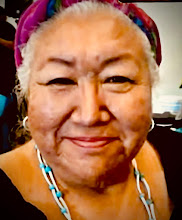 Memories of my late mother saying her dad, my grandfather taught her in a warning that the Dakota Medicine was good, but not anymore. As far back as 81 years ago, fake medicine people deceived their own people for money, power, and glory. Our grandmothers showed us through their prayers helping us celebrate love and helping us celebrate life within our families. Through my own lived experiences, I had to eliminate my own self-defeating behavior. Our people are depending on us to bring justice into our Indigenous Communities. Our Indigenous girls and women are going missing at an alarming rate and are being human trafficked. With little help in finding them or bringing their killers or abusers to justice, I started this blog. I never thought I would live to see such as year as 2023. Today, I feel blessed to be able to hold those who reached out to me in high regard. I am truly grateful, Creator’s Will guided me in my lifetime to see Nathan Chasing Horse arrested. And, yet at the same time, I grief for all his victims who died before they could see him brought to justice.
 https://abcnews.go.com/Nightline/video/dances-wolves-star-nathan-chasing-horse-accused-sexual-114067081?sfnsn=mo Throughout the decades of...
No comments:
Post a Comment