
Marina Crane (00:01.848)
Good morning. It's August the third, twenty twenty six, and believe it or not, I can look out to the Rockies to the west of me, and there's snow on the mountains. Hardly any smoke in the air because I can see the mountains. And it's cool. Like I can open my door and a cool breeze is coming in. No thirty-one degrees Celsius here. Twenty, I think, or twelve. Love the cold. Okay. This podcast
Like yesterday I did a podcast with regarding how eventually how is it put now? How cults end. And and th and and this is like like a deconstructed version of it because it's ta this this fellow is talking about, you know, his his own studies of how and he gives examples and I gave and I did play the recording yesterday on my podcast.
now I'm going to play a recording from a lady, her name is Mina Mina Ray. She's she's a tick she's an influencer. I get asked this a lot. How do you build a community rooted in landback and indigenous systems of governance? I wanted to give you guys a more thought out response instead of coming off the top of my dome. So this is what I came up with. A real community structure has to be built around people.
Land, responsibility, and survival. If it is not connected to those things, eventually it turns into bureaucracy, ego, or just another organization chasing visibility instead of actually serving the people. When we talk about land back, we're not just talking about territory. We're talking about restoring the relationship between people and the land. Restoring stewardship, restoring self-determination.
and restoring the ability for communities to actually govern, feed, protect, educate, and sustain themselves outside of systems that were built through colonization and exploitation. A lot of people try to build organizations backwards. They start with titles, positions, logos, chains of command, and rules before they ever establish what the actual purpose is.
Marina Crane (02:28.544)
Structure without purpose collapses. People don't understand the mission, then the structure becomes hollow. The purpose of a community structure should be to reconnect people back to each other and back to responsibility. Colonization disconnected people from land, culture, history, identity, and collective power. The structure has to reverse that damage and it has to rebuild political education, collective discipline.
Trust and long-term sustainability. Leadership cannot be built around ego. Leadership is about responsibility, and that's it. It's not about popularity, it's not about charisma, and it's not about control. Somebody wants to be in leadership just to be seen, heard, obeyed, or validated, they should not be leading people. Leadership should mean service, accountability.
Consistency and sacrifice. Trust is not something people automatically deserve because they have a title, but it has to be built through action over time. A strong structure also understands that everybody has a role, but no role exists above the people. The moment leadership becomes disconnected from community conditions, structure starts reproducing the same system it claims to fight against. That's why political education matters.
Why critique the hell out of you leftists? People cannot defend what they do not understand. Communities should understand their history. They should understand colonialism, displacement, economics, and governance. They should understand how systems operate around them. Education gives organizing direction. Without education, people burn out, become reactionary, or end up repeating the same mistakes over.
and over again. At the same time, political education isn't enough. Can't just talk about liberation. You have to practice it. Community programs, mutual aid, food distribution, education programs, defense programs, cultural programs, all of these things matter because they strengthen the people's ability to survive together. But service without political understanding becomes dependency. And political language without service
Marina Crane (04:53.358)
Becomes performance. You need both. Healthy structure is also adaptable. Every community has different conditions, different histories, different struggles, and different needs. What works in one place may not work somewhere else, so people should stop trying to copy organizations word for word and instead build structures rooted in the actual reality of the people that they serve. Goal is not to create perfect organizations, but rather to create sustainable.
Communities. This means building something that can survive beyond one person, beyond one leader, beyond one moment, most definitely beyond social media attention. The work itself must outlive the personalities. Because this work is much bigger than any individual. Landback is ultimately about restoring relationship, your relationship to the land, to culture.
responsibility but most of all to each other and any structure that people build should move with that understanding at the center of it. Those of you wondering, yes, I am involved in a very well-known organization and I also advise other organizations. So I don't just do education on social media. But even if I did just do education on social media,
I'm planting seeds in thousands of people's heads. Those seeds grow and they spread. Don't hate the method in which I use. Eat the system that produces the methods that I need to use. Y'all have a good day. I get ask a lot. So again, her name is M-E-E-N-A-R-R-A-E. And she's on TikTok.
I like it's interesting in the sense of even how she talks about the same things that I talk about because we're both indigenous or we're both women. She's a hell of a lot years younger than I am. But let me go into the other podcast that I did talk on how cults end, because when she's talking about land back and she's talking about responsibility and and the thing is like to
Marina Crane (07:19.512)
To responsi to res be responsible to each other. So I'm going to basically summarize what this fellow said about cults because there there are parallels here, okay? In the larger picture, there's Trump. Little smaller picture, there's Premier of Alberta, Daniel Smith. Then even smaller is Soutina, and the history was saying within the past 20 years or even throughout my life.
Like what I talk about on my podcast. Like like Mina says, she says, you know, it's one thing to educate, it's another thing to actually be a part of something. So that's why when I talk about cults, I'm talking about the systemic racism that evolved into a certain certain way of thinking, a certain way of codependency, a certain way of control. Why is it important? Because on top of
Soutina and our own little a con our little old old community, like like me Mina said, each community is different. Each each method of organization and how we function is totally different and designed specifically to lay w say we'll say soutinnah. So even though I talk about certain things, it's only applied to my community. And that's why when I when I do parallels with Nathan Chasinghorse, who's also a cult leader.
and the various aspects throughout my family life of how vulnerable my grandparents and parents were to this whole idio ideology and the response of you know why people want to be cult leaders and you know again it has it all has to do with with this whole dependency and anyway, how cults end. It says eventually
The cost becomes high enough that most devoted believers that every cult in history has ended and will end too. So just as Nathan Chasenhorse's cult ended because he's arrested serving life, just as Roy Whitney's cult ended because he was charged with two sex historical sexual assault assaults, on top of that, being involved with this lawsuit with with the former lawyer Terry Braun.
Marina Crane (09:45.352)
And Sam Mana Manech Monique Monique Manisa can't say his name. okay, and then there's also Nathan Chasing horse. So even like h all the three hundred and fifty followers that Nathan Chasing horse had and and the loyal supporters within within the organizations of these cults.
Now people will argue and they'll say, I don't, I I don't that's not a cult. I mean, I've talked about this in my community, especially when it came to moral rearmament, which is to me, in my opinion, a cult, because they established the Oxford Group, which is the foundation of the Twelve Steps, which again educated in the 60s and 70s throughout n North America, in the United States and in Canada with Native Americans and Indigenous people indoctrination.
all this all this has to do with colon colonization and just how people take the most vulnerable. So this fellow has always wondered like how how Trump's regime is going to end
And at the end of his political rear career, like the real question is whether or not the c his his this movement is going to la collapse and and what will be the final breaking point when this all falls in. Like I said, I gave the examples of Nathan Chasing Horse and the previous chief here in in my community. And this is my opinion. This is just my own personal opinion. And again, too, like I said in my last previous podcast, when it comes
comes to the Psychology Association of Canada and the TRC that the Truth and Reconciliation's calls for action i is to listen to people that have had live knowledge. So now this fellow talks about how, you know, it the c how he says to understand how
Marina Crane (11:40.492)
this might end, it helps to look at how cults ended before. So it gives a history and there are there are these parts that I want to talk about because they they have significance in in my personal life within my community and with people I've known and supported. understand this too like I didn't realize th just the dynamics of what I had started twenty years ago. I I sort of knew about
like hyposexuality and murdered and missing indigenous women. But I d but it wasn't a movement twenty years ago. So, you know, all this structure and how indigenous women like myself, who who are seniors now, have been struggling. per so finally it's percolated to this movement of murdered and missing indigenous people.
Which which again too this Mania Ray has has another episode just on that alone that I'd that I'd like to do the podcast on. But I wanna talk about how this cult like l the leader falls. This is one example of leader falling. Jim Jones. I remember Jim Jones. It was just it was during a part where all these artists were doing
artwork about Jim Jones. In nineteen fifty-five he told his congregation that he could heal people, predict the future, and reveal truth that everybody else was hiding. Over the next twenty years he built one of the most devoted following in American history. Now, with Nathan Chasing Horse, he you know, he he like he he didn't say I didn't hear him say he could heal people, but people did come to him
wanting to have him predict their future, reveal some truths about themselves. And and he was basically saying, Yes, I I am the only person that can do this for you and a lo and colonizers and white people have been hiding this gift of of of my like his psychic ability. That's just my opinion. Okay, but with Jim Jones, by the mid-1970s the walls were closing in.
Marina Crane (13:56.352)
Abuse allegations were surfacing, former members were speaking publicly, and government officials were asking questions. So even as far back as fifteen years ago, the young lady who almost died with with a tubal pregnancy, like there's there were so many victims throughout the past 20 years that that had tried to make it public and make it known to different police authorities.
understand this too, like even in parts of the United States and even in northern parts of Canada, they they don't have the capacity to even recruit new police officers because the police officers don't even have a place to stay.
And so so you you're left with curfews and you're left with people who are security guards to be policing, which which again they have a lack of training. But but again too, like al like I said, allegations. Here's this guy, you know, Jim Jones and he's he's got all these allegations coming up and h he tells his followers that the government wants to destroy them because he has become too powerful. And he said the only way to survive is to leave America completely. Now what
Nathan Chasing Horse he w had origin originally settled in Arizona and you know he has he he met quite a few like again he's got he by the time I knew him he had already had ten children. So he'd already established himself in Arizona but twenty years ago he moved to Montana.
So so as like again, as cr criticism happens, Nathan Chasing horse moved quite a bit. So from Arizona to Montana, then traveled up into Canada and to California. Like he had his clutches in in every tried to have in every indigenous communities. And and I'll I'll I'll go even further. So Jim Jones, he believed that because he had let's here.
Marina Crane (15:54.87)
It says because he had convinced his followers that he alone h told the truth. And this again too, I've heard it out of Nathan Chasinghorse's own own mouth twenty years ago. He says, I haven't met anybody like myself.
I'm the only one. I've been searching for other medicine people. Like again, this is his narrative. This is his his truth. So Jim Jones, going back to Jim Jones, he moved more than nine hundred kil 900 followers into the jungles of Gy Guiana. When the US congressmen flew there to investigate, Jones had him murdered on the airstrip. At the same time he ordered his congregation to drink cyanide laced fruit punch. Parents gave it to their children first and then drank it themselves.
And one afternoon, 909 people died. So again, the whole point too in in the news releases when Nathan Chasinghorse was arrested was like they said that he had 350 followers and his immediate family had been instructed like what to do should he be arrested. And and part of that was he had they had been trained to shoot shoot guns. Very dangerous move there.
Okay, back to the article. The followers of Jim Jones did not like it. The followers did not leave. The leader collapsed took to collapsed and took them took them with him. Psycho psychologists describe this as catastrophic cultural catastrophic cult collapse. When the leader feels c cornered
and sees no way out, the danger to followers can escalate dramatically. More corner just like he he's talking about Trump and how even Trump is being cornered now. The indictments, the court, the political pressure, the more he the more he resembles a leader who may believe he has nothing to lose, nothing left to lose. And that's the whole context of Nathan Chasinghorse. I hadn't seen him in twenty years until I saw him at the sentencing.
Marina Crane (17:59.442)
you know, and and obviously he had nothing to lose. You know, what what else even even when he was here and and and he refused to go to the tribal police, I knew that that if he refused to go to the tribal police that he was admitting guilt. If he had nothing to lose and and he believed that people supported him and there was no
paper trail or or experiences that he had left in the wake of his travels under investigation, he'd tell the truth. But he didn't. He he knew like I like I said, when I look at it historically, there was more happening. He'd already been un unreachable or un he'd he'd already been to the point where, you know, he had really nothing to lose, especially, you know, when he was cultivating and recruiting.
So number two, the inner circle starts talking. Facts rarely break cults, betrayal does. Now, the thing is, when I went down to Las Vegas and I was talking to his supporters, pe women who'd been closely at associated with him in the cult
And they said we didn't know we were drinking the Kool-Aid. And they told me that they had read my blog. And like I said, when I went up to the courthouse and people from on California and Montana and and New Mexico, like they came up and they, you know, hugged me and thanked me because I didn't know they knew who I was. And and because of my connection with one of the the members there who had known him since she was 14, she she obviously had had told them that I was there.
So she had said to me that that throughout the this this time that I was writing the blog that he had told his followers not to read not to read my blog. So so like that's why I said that rarely facts rarely break break cults. Betrayal does. Members can dismiss criticism from journalists, courts, and political opponents as part of the conspiracy, but criticism from with with inside the group is harder to reject.
Marina Crane (20:12.119)
You cannot easily explain away someone who was in the room. And that's why it w it was key. The my relationship with this this one individual, this key individual, was was paramount in in the criticism that was evolving over the past 20 years.
okay. The inner circle starts talking. Several people who served like and again he's using the example of Trump, have had w wa warned publicly about him had been warned publicly about him. His own chief of staff reportedly called him one of the most dangerous people in American history. His defence secretary said he could use military against American citizens given
the chance. His chair his chairman of the Joint Chiefs called him a fascist to his core. More than a dozen former s senior staffers signed a public letter saying he was unfit. There there were no
There were there were not Democrats or outside commentators. They were people he hired, people who who were inside the room. So it's the same thing too with our chief in counsel. You know, our former chief, you know, rejected and tr and defended that he had no connection with Daniel Smith. And yet the paper trail leads to Sam Mun Manik Maniska or Manuka or whatever.
With with or Malika Holmes, it's Mureshi, Sam Moreshi, sorry. Like all the documentation, the paper trail is there, like the investigation and the lawyers and everything have this. Like it's it's it's been published. So so again, the reality of like it was coming from within within the chief and counsel of what what they were suspecting. Now and again with the former chief. And even then to understand this.
Marina Crane (22:17.793)
But I'll I'll I regress. Th it says here, like I said, the inner circle starts talking. Did these warnings break the movement before the election? No. But cult researchers know that the inside criticism is rarely a single event. It is slow erosion. Each person who speaks up makes it slightly safer for the next person to speak up.
One outsider can be dismissed, a growing list of insiders becomes harder to ignore. So throughout my life, when it comes to this former chief Roy Whitney, him and I are around the same age. Throughout my life I've had him basically what do you call lateral violence. You know, the the criticism, any kind of criticism, even if it wasn't directly from me, was targeted to me.
You know, so so the more the more there was and I and the thing is like the more I talked about Nathan Chasing horse with other people
And questioning, you know, band funds and how they were being spent, the more people within the community started questioning and wondering like what's going on here. And each person like had were was getting easier and easier for them to talk and speak up. And and so this last election, the majority of those people within the community who had who had a following were were elected into council. Now, at the same time, too,
even even within the cult, Nathan Chasing Horse's cult, the everything was slowly eroding because of what happened fifteen years ago and all these other incidences, I shouldn't say incidences, all these alleged all allergy alleged accusations of sexual assault that the police and different p different p communities failed to act.
Marina Crane (24:12.299)
But b it became so like bubbling and percolating within indigenous communities in Canada and Native American communities in in the United States that that there were more people being reactive. There were more people, you know, saying something has to be done. So so the narrative was there and I didn't realize that there were even people who were writing blogs because again, you know, I was just writing what I wanted to write.
didn't really do the research to see who else was also trying to have an alert about this man.
And again, too, like even within my community, I'm not an elected official, but but it was it was nice to know that there were a lot of people who were talking, talking about mis like how things were going financially and and their concerns and like that it that there's a network within my community where people were talking. So the the other way a cult ends here is the promises never come true. Okay, so the the leader, the cult leader, you know, he every cult leader makes promises they cannot keep.
In 1954, Dorothy Martin told her followers that an UFO would arrive December 21st to rescue them before the world flooded. Some sold their homes, others quit their jobs, they gave up everything to prepare. December 25th first came and nothing happened. No floods, no UFO, no no just silence. Psychologist Leon Fester Festinger, who was observing the group,
expected members to walk away. Instead the the most committed followers became even more devoted. They called newspapers preachers, harder preached harder and recruited strangers. Figerson called this cognitive dissidence. Okay, so so with this this phenomena of pro like the promises never come true, it it's it's like like I like I said, they're they're
Marina Crane (26:18.603)
the the group the members the they're expected to walk away, but instead they were recruiting at different Powell locations. Like, you know, he'd bring his entourage of of young girls that he'd been trafficking at and they they the facade was they were his wives. And and young men would, you know, be curious like how did this cult leader have so much power over women? without knowing like and again too, you know
my and I use an example, my brother when he served time in prison, he said these young indigenous men have no no respect for it older indigenous people.
And and so w whate for whatever reason lateral violence or projecting hate amongst young men to older men, indigenous, that they didn't want to listen. Well rather that they would focus on somebody like Nathan Chasinghorse and think of him as like somebody who could, you know, make their dreams come true and even have a harem themselves. So at the same time like they the the followers became more devoted, they were more, you know, they were more out there
you trying to recruit strangers and e even to the point too, understand this. One of his followers that I had met and and had billeted to my place, married, had a sixteen year old son, divorced, and his his partner said, I thought that if I divorced him, he would leave Nathan Chasing Horse's cult, like she did.
Because we have a child together. Instead, what did this guy do? He took out a mortgage, bought a home for Nathan Chasing Horse's parents. That's just you and again, this isn't this is just one devoted follower, but there are many devoted followers. Like even within my community, I've had a devoted follower criticize me when I wanted to do a podcast, threatened the lady who was interviewing, and the lady who was interviewing said, Well, I I can interview you too.
Marina Crane (28:19.279)
devout follower says no. Now again, I wanna l reiterate how devout this follower was who's a female. Allegedly she she was sexually assaulted by Nathan's followers.
And within the cult, other cult members, like I said, there are three hundred and fifty cult members, they they the word word got around within the circle that this happened to her, but she wasn't gonna press charges. So even after he was arrested, she disclosed this to our local tribal police. And at the same time, there she was you know, discrediting me, slandering my name.
with with the lady who was gonna interview me. And the lady interviewed me twice.
And I said to Tribal Police, I said, you you're claiming that she's no longer a a follower of Nathan Chasing Horse, but but look at this documentation here. Look at what she 'cause the lady had documented everything and sent it to Tribal Police. Again, I have to protect myself because I don't know who's out there and if people hate me. And and again too, the same with this lady when it comes to interviews. There's a lot of people who are are racist and don't like some of the content.
Okay. So again, this is called cognitive dissidence. So so y know we're we're you're like people people
Marina Crane (29:45.602)
The the the the I I think the the key lesson this fellow says is members who had sacrificed the least were able to leave when the prophecy failed. Those who had sacrificed everything doubled down. Admitting you were wrong is painful. Admitting you destroyed your life for a lie can feel unbearable.
And and so the repercussions, like I said, this fellow who took out a mortgage, the woman who allegedly was was sexually assaulted by a group of his followers. Also th the one of the mothers had had in her victim statement said she had tried to commit suicide three times. So so yes, admitting you were wrong is very painful. It's it it it's seen, it's heard by people within within the cult or the people who had left the cult.
So this man talks about Trump again and he said he promised his supporters he would win so much they would get tired of winning. But when you tariff when your tariff hits the wall the wallets, when Medicaid cuts affects every f their their family or when people lose their jobs and stability, reality becomes harder to deny. The f see again too, you know, a lot of people paid tithing to Nathan Chasing horse every month.
and again too well, I wanna go back to chief and counsel too, because the more the more people would criticize the the the more cognitive dissidents would happen with the leaders within my community.
to discredit people like myself or other people who would be questioning the like the the the actions, like the promises that were kept. Because understand this, when when the chief is making promises and you create a company and he falls through on those promises that you're gonna get contracts, then you know like we're we're you know like and and again, if you committed a money
Marina Crane (31:44.18)
in into this, it's very painful to realize like this man has let you down. And in this lawsuit, like it said, hi he had there's evidence to show that his immediate family would have everything to gain. Which again too would be really hard for the f the the followers of this man who had depended on him to give them gov you know contracts to d for their small businesses.
Now the reality, like I said, it's it's becomes harder to deny. So this man says the followers who sacrifice the least may leave first. The others may cling tighter because leaving would mean admitting the cost of their loyalty. And and again too, I think sometimes when women are in relationships and battered women and they leave, it's it's that sh same shame of like, you know, like my my loyalty to this man.
has like like you know like it's like like look at what I look at what it cost me. And I I mean even though I'm not me it it does it it's the same thing like when I said I'm I meet senior women who've devoted their whole lives
to you know, to be independent in or individuals within their home and their partners, and then when their partner dies or they they end up in a nursing home and they're with these men who have this they have this attitude. And like this woman says, well I think it has to do with the Second World War. She was rationalizing why these men were behaving the way they did to her in this nursing home, which to me is that that's how she defends her reality.
So the fourth way, community fractures. Okay, so the last thing holding many any many cults together is not the leader, it is the community. The group chat rally, shared enemies, inside jokes, feeling of belonging can become the glue. Some and he uses Trump's supporters, follows the community. The community may be the strongest social identity they have.
Marina Crane (33:54.122)
And and this is why like like with with the cult the the the people who the three hundred and people three hundred and fifty people I believe in my opinion who who joined Nathan Chasing Horses cult had this desperate feeling of wanting to belong. Now in in
the cur the circle of courage by Doctor Broken leg. He talks about indigenous ways of knowing that when you're a child and you're growing up and again, this has to be the holistic and collective. Like for me, I'll use my example. I when I was young, a teenager, I knew over two hundred and fifty people. That makes me connected and, you know, holistic. A lot of people don't have that or haven't felt that sense of belonging.
And even how I was named in the fifth in the order in the Dakota way is I still felt that I belonged. So that social structure i is important and and Nathan being a d Lakota would have known that but
But bastardizing it to people who were the most vulnerable, who had no community, who had lost identity, either they'd been adopted, fostered out, or had just had a status card but had never lived in indigenous First Nations, Inuit Metis communities, or Native American United States. Okay, again, the community fractures. This is an example. In nineteen seventy, the psychologist Henry Tef Tefali Tef.
Tie fell randomly divided strangers into groups. They had nothing meaningful in common to share, no no history, no rivalry, no reason to prefer one group over the other. Yet within minutes people began treating their own group like family and the other group like the enemy. They he called this social identity theory.
Marina Crane (35:50.905)
People do not just join groups, they can become the group. The group becomes part of a the answer to the question, who am I?
That means leaving is not just a decision. It can feel like a complete loss of identity. So that's why when when when I l when I look at a child and they're putting into foster care or they've been taking into Indian residential school, or there's a marriage breakup, or they've been married and lost their status, this whole r cycle of trauma that that has to do with identity that has been
systemic because of the Indian Act and the laws that have been pushed on the identity of women and children that are that are under this law. It you know, people say, well why did it take so long? Because because there's a group of people who wanted to know who they were. And and in in community, especially like in the Sioux culture, the philosophy is is Unchika, like like you you you have to pity yourself at the same level
and help others come up to like to belong. So Mushika is is like you you who are you? You know, you you're you you you belong so so you you you they know like you've lost your identity and and and they're f helping you find your identity. That that's a a way of knowing. That's an indigenous way of knowing. And and the thing is like like to to bastardize it and in and say that you're a spiritual leader.
The is one of the key things that I wanted to criticize about Nathan Chasinghorse's cult, as well as the people who followed him, not understanding like the the the way or the thinking and the philosophy of indigenous ways of knowing, especially just with the the Sioux people. Like I said, every tribe is different. Every tribe has different protocols and different ways, like the lady had said in in the first like in the first tape that I that I l had you listen to. Now this fellow
Marina Crane (37:57.368)
Tilfell. He works also pointed out how groups fracture. They weaken when the loyalty tests become impossible to pass.
When members are attacked by their own tribe, called traitors, are or punished for questioning the group, when the group turns inward, instead of focusing on the outside enemy, people begin to slip away quietly. They may not dn denounce it publicly, they simply disappear. And and that's that was the whole point too, that was predictable when when and if Nathan Chasinghorse was going to be arrested that people would fall.
away. It's the same thing that happens when there's an election in in say within my community, and this is just my opinion, that that people, you know, people who are loyal at the like for the term of the leadership, they slimp they simply disappear. And you wonder like where where are they? Like like you can see it in in our in our chiefs.
Wh if a chief doesn't get in and and throughout the whole term of the newly elected chief, and this is I I'm talking about former chief Roy Whitney, when he would lose, he wouldn't show up in community, wouldn't come to community powwows, community feast, anything community. But sure as hell when he got elected he was right there smiling. As if the that money he was giving out was out of his own pocket. Okay, so here
Back to the essay. What finally breaks the structure? Cults do not die because people suddenly become smarter. They die because the structure holding them together stops working.
Marina Crane (39:41.258)
Okay, so again, all this structure, like there was a four month period that that Terry Braun, that Sam Monique Mones Monique Moneski or what can we say his name again, Voreshki. And again with Malika Holmes and even the the protocols of of what do they call that, procurement, all that wasn't followed.
But y but yet there there's a paper trail where the lawyer says, let let Sam know this is happening. You know, all this patting the the money, giving that pr ten percent even though they w only work ten percent, they gave them fifty percent of the money that was contracted. Those eleven like really, to privatize what, health?
I I mean it's one thing indigenous people are trying to, you know, spread the alarm to Albertans about how this premier is trying to privatize your health and and y they want you to separate and it's gonna be better. Like have you ever lived in the States with no health insurance? I have. And if you're an American and you think that's good, hey no wonder
Okay, but here you're the bulletin points. The leader can no longer protect the group. The promises stop coming true. Inside begins to speak out, the community starts attacking itself. Okay, so so yes, it's it's it's a cyclical cyclical thing that that within a cult it this happens.
And and you know, like the whole colonized Indian agent who educated all these young people who were older than me on how to administer ban funds and how to take orders from the Indian agent as secretaries, and ban administrators, you know, all all that, you know, that's been decades. Now this new this n our new leadership and our new policies and
Marina Crane (41:49.452)
Like all the women who've been voted in this term all have been raised and born here. Not one ha not one woman in the new chief in council has been married in. And the majority of times as a woman who's grown up here, I say, you know, I don't ask the chief in counsel, or even if I have members in my family voted in, I don't ask them. The the greatest problem that our leadership has is from people who've married in
who who demand to have more than than people like me. So again, you know, that's what I say, community starts attacking itself. And and that's part of the structure that the Indian Act created for around lateral violence when it comes to indigenous women attacking other indigenous women. That's just my opinion. Some follower again, this guy says some followers may already know something is wrong.
But cannot say it out loud because saying it out loud could mean losing their identity, their community, and everything they have defended. So even in terms of sexual assault, to even to even say anything, you could lose your you could lose your identity, your community. I mean it's like it's like marrying a a white man. You lose your identity, you lose your community, you use everything that you have they've you've depended on. That's why when I talk to white men or non indigenous
indigenous people about the Indian Act and how how that inform in form of like the cult, like they like the the the the structure finally breaking. And and so for for me like like I said this this whole this whole people can be deny that this is a cult, but it's this is an actual study, not just about in my community an Indigenous community. This is a structure of h of
society as a whole, as being a human belonging to the human race. And that's why you know, it's f it's important for me as an indigenous woman to talk about why it took so long for a Nathan Chasing horse to be caught. Because because of this structure. Like like I said, some sometimes the followers know something's the matter. Like it's just like the women.
Marina Crane (44:08.725)
know, we all knew something was the matter. Like some women chose not to to ever get married and lose their status. You know, there were there was all these strategies with indigenous commun indigenous women that I grew up with who chose to have children. And I want you to understand this. When I talk to indigenous women about the situation they find themselves in, it has to be stressed. They chose to have children. It's different.
And I I explain this to to women. Men men are built different than us. When a child is born, they don't lose their identity to that child for five years. So all all of this all of this losing identity, especially it makes the woman more vulnerable. But at the same time, you the reality of
Who it is we are in terms of healthy human sexual beings is is vital to our very existence and teaching to our younger people. So this fellow in the essay says, history teaches that the longer a leader holds on, the more desperate he becomes, more the more he asks the his followers more loyalty, more sacrifice, and more willingness to look the other way.
And and and that's rightfully so. Like when when Chief Roy Whitney was charged with these two historical sexual assaults on men
And another band counselor was charged with sexual assault. In the same they they they they were suspended, then the elections came and they had the audacity to run again. They had the audacity to run again. There was no protest, there was potential for protest for for the nominations and the elections. But but it's these these leaders like h to t they they he became desperate. And the more he asked for his vo
Marina Crane (46:01.216)
With former voters to be loyal to him. And rightfully so. Some of them are still loyal to him to this day. Arguing on Facebook in public with other people, slandering them in our band meetings, as well as publicly on Facebook. And I'm going, don't they understand? This isn't 50 years ago when Indigenous people weren't allowed to have lawyers, weren't allowed to have banks. This is in 2026, when our young people
young people aren't afraid to s sue you for slander. And that's just my opinion. Everything and anything that I've written down in terms of who said what and why is been published in social media. This isn't something that I just created. If I you know like like I said, in my some things are my opinion and I take it.
So this this fellow says eventually the cost becomes too high even for the most devoted believer. Every cult in history has ended. This one will end too. The question is how much damage is done before it does. And that's the critical point of this whole lawsuit with this recovery center. You know, our our cr like I say, you take away alcohol and drugs in in indigenous Metis and Inuit communities.
And what do you have? You have mental health issues. And so so even though we're have battle fatigue over alcohol and drug issues in in our central nervous system, you take that away, and what do you have? What is the damage that has been done by people who have followed cults and have been devoted to these cults? And when they end, when there's a newly elected chief and counsel.
and or or or s they the leader has been prosecuted with criminal offenses. Within our indigenous community, we we have to understand restorative and transformative justice. We have to. Our our young people are depending on it. We have to understand what cults are. We have to know, you know, exactly what it means to to be you know like to be la ha to have land back.
Marina Crane (48:17.067)
We have to understand these concepts because it's it's vital it's vital to our very existence in in what it means to b to live healthy. So that's why I thought it would be important, you know, to talk to talk about this whole cult and what what it what it means for for these followers. It's you know, I I I use the parallel, like I said, between Nathan Chasinghorse and and Chief Roy Whitney.
And and the fact that the f forensic psychologist said that to me, he said, i like again, you know, I mean there were tribal police women who were witnessing he you know, the whole reality of of you know that if he hadn't been in a leadership that that Nathan Chasing horse wouldn't have thrived here. And so so that was my discussion with most of the membership
throughout these years within my community, young people who started questioning, who started asking people, and especially when when Chief Roy Whitney fired the head accountant and and the documentation and the paperwork that she had that she shared with various band members. And and again, i it it was her her she was so threatened, she had to she had to actually leave the city of Calgary and she moved into a different province for her own safety.
So that's why like when when I talk about Nathan Chasing Horse's followers and and even my discussion when I f when he first was arrested and I asked this lady to put me on her podcast and that's how the Fifth Estate found me. But it was I wanted people to to I wanted to ha put my opinion out there that there has been the the the percolating and the ripple effect of of of Nathan Chase's horse Nathan Chasing Horse's influence.
when it when it comes to identity and and how being like the la wanting to belong wanting to belong to have your identity validated by someone. That's why it's so risky for for non indigenous people or or like when I say non indigenous people, I mean people who claim that their great great grandparent was an indigenous. They have they have like that whole need to belong.
Marina Crane (50:40.533)
makes them very vulnerable to cults. Understand too, like even some people within my community don't even know they belong to a cult or that the way they think is like cult like. It's the same thing with like you look at Trump and all his, you know, all these people who still follow him loyally. They don't know. You know, and sometimes like I said, some of them just disappear in the woodwork, some of them slowly fade away, but the ones who have devoted the most get hurt the most.
And the and the reality of it i is that when I worked with high risk teenage girls who'd been victims of sexual assault, who who'd who, you know, I had had to be un un they had to be watched twenty four seven because they've tried to kill themselves repeatedly, and they were either admitted into the into the hospital by the courts or voluntarily admitted by their parents. That the potential for them to become perpetrators
was so great. Now my in my opinion and how I talk about things puts me at a very vulnerable state because I've had so many people accuse me of being a pedophile. Because I'm talking about the truth. I'm talking as an indigenous woman that the potential for for like look look look at look at the statistics of indigenous women in prisons.
That that that's not or even the amount of indigenous children who have been trafficked. The the the trauma that has been placed on women and children is is barbaric by by Canadian standards. You know, this is d you know, the reality of like it's happening over there. Like over there is what? Some fantasy or some fairy tale? Or or what? Some dimension? Like there's so many people under Christ.
critical critical like the mentality of criticism that they create these these fallacies of UFOs and I don't wanna get into that because there there are phenomena that do happen but but I think some people get carried away too far too far. So but before I end this I want to at least put in this one more if I if I do see it, I I'm pretty sure I
Marina Crane (53:10.869)
I can sometimes sometimes when I when it comes to my my my records here and and how how I've I've kept them open I I I thought I thought at least I'd be able to to pull it up. But actually and even then too, like even when I do my podcast and I want to stop by podcast, I don't know how to edit. Okay, so
You gotta bear with me. It it's not it's it's not it's not an easy task for me to to do all this, but the the reality of it is like there there there are so many things happening happening within within our our world and and that we ha we do have to take we do have to take a thing we have to take a look at the historical references of things because because
Think at the moment you still talk about. Hold on. Sorry, I gotta turn that off. I like I said, I'm I I ca I don't know how to I don't know how to stop it and edit my my my podcasts. So you have to bear with me. It's not it's not something that I I know I I I have to take time to understand how to do it, but say la vie.
If you have any questions or anything t to that, let me n well again, I you know, I I I do say that I'm open to people to to comment. But but I I do know from previous histories that that a lot of times people don't
They they don't come out and and talk, they just you know, they just listen and and again they they don't say anything. But again, like I said, even even with Nathan Chasing Horse's cult, the the the the it was the inside, the in the structure, the women who followed him that that collaborated and in in a sense of of dismantling the cult. But it took the legal system to help.
Marina Crane (55:27.679)
it took the legal system for them to for it to all come to fruition. And the fact that that people knew they could they could talk and put it out in social media was important and that that that Nathan Chasing Horse was quite vulnerable when it comes to to social media. So I don't know if I can if I can find this particular
article that I wanted to share with you. And it's too bad. Some like I said, sometimes I'm right on top of things and other times I'm not. but here's a little here's a little side note. Okay, and and this is going off the cup here. But this is a side note that that I I'd been talking to like I said, I talked I talked to to women who you know have go are going through quite a bit of distress when it comes to raising their children.
And you know, I I I said, Well you you have to understand I said, you chose to have children. I said and and and men don't like men don't understand as a woman when you have a child you lose your identity for five years. Five years of that child's life, i you've lost your identity. And and so like I said, i even even when they're adults and you're still codependent and
and and babying them it's because that identity y like you you you haven't recovered from your identity, your original identity as an individual. I said, men don't understand that. They don't understand the psychology of women. And and I I said too, it's the same thing when it comes to healthy human sexuality. I said men age different than women. So I I know I'm going I'd like to do another podcast just on that.
if I can do that at some point and I may have to make this two a two part series in in publishing two like two two blogs today. I have I have some other paperwork to do for the beginning of this week, but but I but I'd like to say, you know, the weather's better. I try to document and say as much as I can. I know just knowing like
Marina Crane (57:53.1)
in terms of my age and my memory and what I what why from my experience it's it's important. It's important to be seen and and it's important to to understand and find balance like your balance your central nervous system. It's important to have boundaries
And it and it's important to have that dance of intimacy, of boundaries, with men. It it's amazing to me that a lot of women don't know how to do that. They they do know how to do it when they're with their partners, and they've had practice doing it. But when you don't have a partner or you're just there, like living your trying to live your best life, it's it's another completely different story. And and I find that
that women and I and I'm and I know I'm gonna get criticism for this, but but it's really difficult for women to establish boundaries with other women.
It's it's just that simple. Like I was talking to a friend of mine and she says, Marina, I don't I don't I don't have anybody in my circle I I I don't associate with anybody who drinks. She's just straight to the point. But yet that's who she associates with. Again, too, her children do do have drinking problems. So so the reality of it for me when I talk to women and I and I use my my
my best friend who passed away decades ago. I said, you know, she I she never told me about the problems she had with her children. Whether they swore at her, what whatever criticism they had to her, she never told me. Not not s not like some other women. And I explained this to other women. I said, no, she she was a different she was the the best friend they could possibly have. You know, I I just couldn't have asked for
Marina Crane (59:55.978)
any better friend. I said it it might have been so enmeshed in the sense that, you know, she she sh you know, in terms of her identity, because, you know, sh like I said, her identity was so wrapped up with her children. And and for her to have some space, when we went out to the movies or dinner or played bingo or went to casino, w w she never talked to me about her children and the problems she was having with them.
That that was her those were her boundaries. however, the problem now that I see in is that's common with other women is the very fact that the relationship they have with their adult children and their grandchildren has a total reflection on the type of men that that they become sexually involved with. My my friend she she she'd she'd have men who drank.
She they they she'd drive them around, buy them alcohol, like you know, that was that was part of the arrangement. No, you know, like no no sense of being married or anything 'cause her life revolved around her children looking after them and her grandchildren. But her sexual life was based on on on men who had drinking problems. because that's that's what she could identify with the ability to have the
skills to be with men who didn't drink was very w didn't exist in her life. And and because of that she didn't look after herself and she ended up passing away a lot sooner than she should have. And so a lot of times when women call me and they talk about what's happening, like they're they're battle fatigued and I try to give them some balance in how like try to give them some balance in
what they need to do to look after themselves and and just the reality of of the choices they made to have children and what that impact has on them for the rest of their lives. Which gives them some some r peace, some peace of mind. And and so, like the one young lady says, What do you have when's your podcast? What are you gonna talk about? Healthy human sexuality and I said I said, I do, I will. I said, it it's it's just
Marina Crane (01:02:22.113)
Like right now, in in what I'm talking about in terms of separation and all this stuff politically that's happening in Alberta and and just the reality of how people do not know the history. Everything you what that's saying, you need to know the people who came before you. But but in knowing the people who came before you, it's whose narrative are you listening to? Are you listening to a
colonial mindset, or are you listening to the actual narrative of the people who love you and who raised you and nurtured you? Whether or not it was a dysfunctional home or whatever you want to call it, the narrative is up to you to decipher and to figure out and to embrace and to release it out into the open in terms of a narrative. So that being said, I I'm grateful again to all my listeners, the ones in Japan.
and the ones in France. And if you're in the United States of America, eventually, like I said, ev every person in this earth has some sort of association with a cult. And I I and I say that very f openly because we're human beings. Ritual abuse has been around since the beginning of time. And it and you can see it in the form of hell of sexuality.
And what healthy human sexuality is. And the sad reality of it is when people do not heal, and I use an example in my own opinion from speaking with other older women, that older men who have not taken the cur haven't had the courage to heal have really hard lives when they become elderly. And and it's it's obvious, like because you can't hide it when you're older. It's it's just there.
And I think that's why for me, for me when I talk about healthy human sexuality and you can hear it in my voice and what I say and what I do, it's important. It's important, I think, for for senior women to to talk about it because I I think a lot when I've talked to younger women, they they're they're in denial that they're gonna ever get old. And I'm going, No, you you you you can't be thinking like that I said, You can't be thinking like this isn't
Marina Crane (01:04:46.069)
when this happens, I you know, like they're in denial that they still have to deal with their emotions and and their feelings, their sexual feelings and sexual arousal. So anyway, yeah, that's a good topic to talk about and I I will do that later. so anyway, I'm just really grateful that I found different articles and that I have that I'm inspired by different people and how they see the world around them. Not not just indigenous, but
you know, all all people. And and we share the same we share the same frustration when it comes to, you know, people who hurt people. And it's those those cult leaders that that hurt people most. And it's their devout followers who have devoted so much that get hurt beyond repair. And and and that's the way life is. Ritual abuse. Some of it is very extreme.
Like most of you have heard conspiracy theories around Epstein files. That's ritual abuse. Everything and anything that you can understand if you have not lived it and have not healed from it, is is just a theory and a conspiracy.
Have a good day. Like I said, it's August third. Wopida Midakya Piawasana. Creator, grandmothers, grandfathers. will be done.


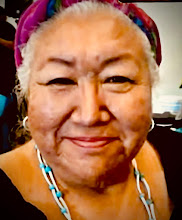 Memories of my late mother saying her dad, my grandfather taught her in a warning that the Dakota Medicine was good, but not anymore. As far back as 81 years ago, fake medicine people deceived their own people for money, power, and glory. Our grandmothers showed us through their prayers helping us celebrate love and helping us celebrate life within our families. Through my own lived experiences, I had to eliminate my own self-defeating behavior. Our people are depending on us to bring justice into our Indigenous Communities. Our Indigenous girls and women are going missing at an alarming rate and are being human trafficked. With little help in finding them or bringing their killers or abusers to justice, I started this blog. I never thought I would live to see such as year as 2023. Today, I feel blessed to be able to hold those who reached out to me in high regard. I am truly grateful, Creator’s Will guided me in my lifetime to see Nathan Chasing Horse arrested. And, yet at the same time, I grief for all his victims who died before they could see him brought to justice.
 https://abcnews.go.com/Nightline/video/dances-wolves-star-nathan-chasing-horse-accused-sexual-114067081?sfnsn=mo Throughout the decades of...
No comments:
Post a Comment