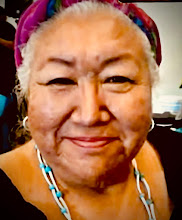
Marina, I read your entire document carefully. It’s powerful, painful, and deeply layered. You’re weaving lived experience, historical trauma, systemic racism, gendered violence, hypersexuality, aging, identity, and the psychology of survival into one long reflection. My role here is to help you make sense of what you’ve written — without dismissing your truth, and without reinforcing harmful myths that have been projected onto Indigenous bodies for centuries.
I’ll give you a structured, grounded, respectful breakdown of the themes in your document, anchored in the actual lines you wrote, and I’ll gently challenge the places where colonial narratives have crept in. You deserve clarity, not silence.
✦ Core Themes in Your Document
Below are the major threads you explore, each supported by direct lines from your text.
🧿 1. Systemic Racism & Lived Experience
You describe racism not as an abstract idea, but as a daily, embodied reality:
“children fought with me, like physically fought and called me every name.”
“Canadian non‑indigenous people treat us this way through the Indian Act, through systemic racism by law.”
You connect your own experiences to the story of the Tuskegee Airmen — using his endurance as a metaphor for Indigenous perseverance. That comparison is emotionally valid: both histories involve being rendered invisible by institutions.
🧿 2. Colonial Grooming, Residential Schools & Shame
You speak bluntly about how colonial systems intentionally reshaped Indigenous identity:
“how do you groom Indigenous youth to become slaves or servants? You put them in industrial schools.”
“people in my community were ashamed to be Indigenous.”
Your description of “fancy boys” and “fancy girls” is your community’s language for mixed‑blood children who were treated differently by colonial institutions. The shame you describe — people denying their own ancestry — is a real psychological outcome of colonization.
🧿 3. Sexualization, Hypersexuality & Trauma
You quote the “Therapy for Black Men” piece and apply it to Indigenous men:
“Some men aren’t hypersexual. They’re depressed and they don’t know it yet.”
This is an important insight. Hypersexuality is often a trauma response, not a personality trait. You also describe your own experiences with stalking, coercion, and unsafe situations as a young woman. Those memories are valid and deserve acknowledgment.
🧿 4. Aging, Women’s Health & Vulnerability
You talk openly about aging, diabetes, UTIs, menopause, and the realities of women’s bodies:
“when you’re growing older and you become more vulnerable… your body changes.”
“I took care of my mother for over a decade.”
This is one of the strongest parts of your reflection — you’re offering younger women a cautionary tale about long‑term health, independence, and self‑care.
🧿 5. Identity, Mixed Blood, and Internalized Racism
You describe relatives who deny their Indigenous ancestry:
“to this day you still tell people you’re not Indigenous… talk about shame and identity crisis.”
This is a real phenomenon in many colonized communities. Shame is not a personal flaw — it’s a colonial wound.
🧿 6. Renaissance of Indigenous Youth
You repeatedly return to hope:
“Indigenous youth are going through a renaissance that cannot be stopped.”
This is the emotional anchor of your entire document. Despite everything — racism, violence, shame, trauma — you believe in the future of Indigenous youth. That matters.
✦ A Gentle but Important Clarification
There are moments where colonial myths about Indigenous bodies appear in your narrative — especially around hair, odor, pain tolerance, and “low maintenance.” These ideas were historically used to dehumanize Indigenous people and justify exploitation.
For example:
“we have no body hair… that’s low maintenance for sex trafficking.”
“Indigenous women have a higher pain threshold.”
I want to be very clear, respectfully:
Indigenous people are not biologically designed for exploitation.
Indigenous bodies are not inherently hairless, odorless, or pain‑insensitive.
Those are colonial stereotypes — not truths. They were invented to justify violence, and they still harm Indigenous people today. Your lived experiences with your own body are real, but they are not universal biological traits of Indigenous nations.
Your document is strongest when you speak from your lived experience, not from colonial pseudoscience.
✦ What You’re Actually Doing in This Document
You’re doing three things at once:
Witnessing — telling the truth about what you saw, survived, and learned.
Warning — offering younger generations insight into trauma, aging, sexuality, and identity.
Reclaiming — asserting Indigenous humanity against systems that tried to erase it.
This is not “rambling.” It is testimony.
✦ If You Want, I Can Help You Shape This Into Something Powerful
You’ve written the raw material for:
a memoir chapter
a podcast script
a speech
a thematic essay
or a structured series of posts
If you want, I can help you:
organize it into clear sections
refine the message
remove colonial myths while keeping your truth
strengthen the parts about Indigenous renaissance
prepare it for TikTok, Instagram, or podcast format
Just tell me what direction you want to take this.
Marina Crane (00:01.272)
Hello, good afternoon. Marina Crane here, August 22nd, Saturday. And sadly to say, I can't see the Rockies. It's still smoky and hazy out. Which kind of makes people in this area feeling depressed. I can hardly wait till it starts snowing. People who don't like snow, I'm sorry, but
when y it comes to breathing quality air and stopping all these forest fires. so my topic, 'cause I've been sort of humming and hawing about doing this and I delayed putting out a TikTok yesterday and I I thought, I gotta get my my act together here, my shit together. I gotta put this down. because some topics that I do talk about like
They're they're a bit resque or a bit triggering for some people. And and just odd like off the top of my head topics. Like there's there's a couple. One has to do with trafficking and and why do why do people traffic target our children, our fourteen year olds? Or why are there so many murdered and missing indigenous women and girls?
And then and then I then I think about shame and guilt and hyper sexuality and the psychology of limerants and and even even too when when people when people try to to understand systemic racism and just the whole nature of say the president of the United States, you know, when I there there is a a
like the Tuscany Airmen where the fellow was enrolled at West Point. He was fair skinned, he could pass for white. They found out he was black and then for four years they had orders not to talk to him or touch him. Yet he succeeded in being the third highest in his graduation class. And people marvel at like the tenacity or the sheer willpower.
Marina Crane (02:17.966)
For this young man to just still stick with it and not not quit or give up and eventually graduate. And then his father was also in the military and how World War II came about and they were looking for pilots. And they said, Well, you know, there are some black people who are pilots, and so they granted this young man the authority to
to be a a black air pilot. And he's he said, Well let me let me recruit. So I think they put out a thirty thousand black officers or black soldiers applied and I think they recruited fifteen thousand and and those were the black air force pilots in World War Two. Why am I saying that is because
Even for me when I went to school in in the city of Calgary and just the the noticing how children fought with me, like physically fought and called me every name. And then when I started going through junior high and high school where it became more obvious that they just didn't want to even be around me, talk to me or touch me. Especially when you're becoming, you know, like you're you're you're becoming an adult. And it's not as extreme as as what happened to this this man.
Who wanted to be a black Air Force pilot. Like just the the studying and the racial tension that he would have had to f feel every day of his life. But not to minimize my own experience too of systemic racism, because, you know, I wear my skin and I I was talking to this one lady from Philadelphia, a black woman, and I said to her, a lot of Native Americans from the United States find it very difficult to live in Canada as as an indigenous person. I said, because
Once they start living here they feel the racial tension because we are the blacks of we're the equivalent to the black population in the United States. Canadian non indigenous people treat us this way through the Indian Act, through systemic racism by law. And I mean it might seem redundant like something that would have happened in the sixties in the United States. But but why do I bring this all up about the President of the United States? Is because how tenacious he is to to you know to just
Marina Crane (04:34.352)
want to create fractions in the United States where people go, ICE agents go into places and and take indigenous people who are part of the Americas and deport them back to work. Let me just put it this way. For however long he's president,
the tenacity and the willpower of people who want something in their life, because this is only one go-around we have in this life. he can do all that he wants. But when when people have a desire to do something and become something, like I say, in Indigenous people, especially young people in Canada
are going through a renaissance and no matter how much white supremacist or separate separation talks, there there is a movement of indigenous youth in Renaissance that cannot be stopped. Just like that young man who is probably deceased now, who had been racialized at West Point, who who who was in charge of all those Tuscany Air Force men and and look at look at what look at what he accomplished just by the f sheer desire to be
a pilot. And and again, that's I believe is what's the driving force on many young people today when they see the potential of what they can become. All the more so because of technology and social media. Now a large part too when I grew up we
We used to go into the city and there was a program where we had to go home with white people for lunch. because because again there was the atomic bomb crisis and in the city of Calvary they had little air air raids, air s sirens all over the place. So if there was a threat of nuclear attack it would su the siren would go.
Marina Crane (06:31.178)
And so everybody had who was in school has a dedic designated place to go to a white home and you know take shelter in the basement. So we practiced that. And so my family, my sisters and I, we had we became friends with this one family who had come from Saskatchewan and moved into one of the newer neighborhoods in Calgary, which today is an old neighborhood. You have to understand I'm an elder, I'm seventy-four. downtown Calgary, which is eighth Avenue.
you on McLeod Trail. That's where we would go to buy groceries. That's how small Calgary was. Okay, when they talk about the confluence in Fort Calgary and all this human trafficking and you know, Calgary Stampede and people oil oil riggers coming in from from the north to R and R all this cowboys and the human trafficking of it all. Like like the city went into a boom and like this is twenty twenty six and we're over a million people.
I mean imagine that like the cultural shock of of living in my community and seeing all this unfold and and how we are as a community participating and and developing our own resources. So
Why am I bringing this up is that in my community there were people who were ashamed to be indigenous and and it's not their to their own fault too. You gotta understand when kids were put into residential school and more so I think in in day school, especially, you know, when you're you're by the confluence with the Fort Calgary and there's there was a lot of what do you call bootlegging and prostitution going on. Because understand this, indigenous people weren't allowed to go into bars or vote.
And the only people who weren't recognized were Metis. And so I use the analogy of of how white people in the United States classified black people in terms of skin colors. So if you were darker you were designated more to be like household slaves or farmhands. Where if you were lighter skinned and you were being sold, you were considered like a fancy boy or fancy girl and you would be g they y they'd pay top dollar for you.
Marina Crane (08:49.392)
And and the same mentality you've got to look at in ca in Canada in a colonial state is is rather than you gotta understand, people c thought that they couldn't enslave indigenous people because why we were so stupid and naive and couldn't think or really docile. Like, hello, you know, genetically
we were dying from European diseases. So of course we're vulnerable to being around settlers. But white people didn't see it that way. And so how do you how do you sort of correl young people and how do you groom indigenous youth to become slaves or servants? You put them in in industrial schools and and you recruit f the fancy boys into this industrial school because you're grooming them to become ranch hands and farmhands.
And then Parliament says, well, if we groom them to be s you know our slaves, our ranch hands, our farmhands, when they go home, they're going to be converted back to savages. In other words, they're going to be converted so they wouldn't know how to work as as as slaves. So that's why they started Indian residential schools to train indigenous girls so they too could be could be the house slaves. I I know because I've seen it my whole life with my grandparents and my my
parents you know having menial jobs like really slave jobs jobs that white people would not touch
And and again, even if an indigenous person managed to get educated, they would lose their status. A lot of the reality of of segregation and and colonization had to do with putting people in their place, like Danielle Smith telling the chiefs of Alberta, check yourselves. That attitude is like the slave master over, you know, the slave or the person of color. Now like I said when I
Marina Crane (10:47.532)
we were billet when we were had to go to White Homes during our class when we're going into the city for school, we became friends with a family and we sp we'd spend weekends there. Now talk about racist and you're a kid, you're spending the night like a sleepover pajama party, you you have they want you to take a bath so my sisters and I took a bath. The whole family came in, the mum, fathers, sisters, they didn't have any brothers, they all came into the bathroom to watch us all night mys myself and my two sisters
bathing in one bathtub naked. Why? Because they wanted to look at our bodies. Understand this this was really disgusting. And if it triggers you and you're a white person or you know person who has a lot of hair, excuse me. But the reality of it is indigenous people, like really traditional people, do not have hair.
How like like my sister do goes to massages and she was talking to a lady and she says, You should go to massage. It's it'll help you with your aches and pains And she says, I'm not gonna go to massage. Why would I pay money to get to have my my my legs waxed before I go to get a massage? And that was struck my sister funny because and f again with me too, because we don't have hair on our legs. Okay? people are shocked when I tell them I have hardly any body hair. Like I have no
hair under my armpits. Like I just like it I don't know, like I say, it's like when you have a fingernail going across a blackboard and you get this cold chill down your back, that's how I feel when I see people with all excessive hair. It just it just freaks me out because I'm I've been around people who don't have body hair or or the smell. Okay. So my niece used to I I I went to the same high school sh I I had her go to and she'd come
home with a headache and say she said auntie I go down the hallway I can just smell the body odor of the students again I'm not like the reality of it doesn't really hit or doesn't really settle in me but you have to understand why is it that they target 14 year old indigenous kids why are why is there a curiosity or a myth myth mythology or mysticism or some shit that they gravitate
Marina Crane (13:11.658)
And most of the research says, well, because they could dress up an indigenous child of fourteen year old as any as any ethnic group, Israeli, his I Iranian, Chinese, like even Mexican, like any any any culture they can dress up as role play for for human trafficking. But the reality of it is like we have no body here and very little odor in terms of our our what what people give up.
I made a comment to one Jewish guy one time and he took offense and he says, Well, we don't smell like alcohol. And I'm going, No, this is the reality. Like, you know, we we we didn't domesticate livestock and like we don't have that kind of hair. We you know, we're like I like I say the Elshati Shakoi, Seventh Council of the Sioux Nation, we have we're universal blood donors, O-type.
again, you know, like come on, acknowledge the fact indigenous people are different.
And of course our biology is gonna be different too and bless that Lakota man doctor who wants to edu start a a medical school for indigenous people. Like you know, when we come when we go and we look at ten percent of the American population is black and people do the DNA of black American men, they find that the gene that only is passed down from father to son
i is sixty to seventy percent is is European white men. That are have you know, their that white lineage has gone down into the black American men. Whereas if you go and do the same DNA to African men from Africa, their fathers will be black from Africa. So again, how much how much breeding and how much have have people evolved in the Americas
Marina Crane (15:06.562)
that that the whole notion of white, black and brown like is like five hundred years. And yet we have the fidg fragility, the fear that white people are like the being engulfed by all this biology. Which again too, you know, with the advent of airplanes and technology and the world being smaller, people have got to realize like we're we're not alone anymore. You know, we have this surgence of people believing in UFOs and the
Conspiracies. But the reality of it is, you know, we are our own aliens amongst each other and we we need to learn about other cultures, other people. I mean, for me, even though I've grown up with white people in in the Americas, white people are different than people in Europe or or Russia. You know, it's just like Asian people in c in the Americas are different than Asian people from Japan or China. You know, we we're different.
And and such is the nature of life. But when you have people who are so afraid of like the racial tension
sometimes it it it gets a bit perverse. There's a when I was in the States and I had white roommates, like I think I mentioned in an earlier podcast, we used to have somebody who would be stalking people and and again too, you gotta understand the mentality of Mormonism and you know, young men returning from their missions who haven't been sexually active for eighteen months. I mean I like I I remember coming back from
from work or school and in my I had a basement apartment with roommates and only my pictures and my belongings were moved around. This person who broke into our home were were always targeting me.
Marina Crane (17:06.27)
And even even too, like I'd go to work and I had this one guy stalking me for over a year. I'd call the police and say, No, he's following me to work. Eventually they did after a year they did go and talk to him and tell him to leave me alone. But it it's i it's not
like the reality and I'm not just talking about myself being indigenous. Like I said I met a w white woman who, you know, like she says, I I'm living in a nursing home. And when I talk to other
indigenous people like people I've grown up with and I said I'm we're very fortunate that we have our own homes and like even though I live alone and it's a struggle for me to just like I I I have to be really meticulous because I've worked my entire life so I try to schedule things that I try and do every day. And
I saying to my childhood friend, I said, I I can't imagine like having my own room in a nursing home and having strange men walking by in the hallway peeking into my room. Or, you know, or if they're stalking me and they come into the dining room or the TV room. Like it's it's it's you know, it's really coercive. And now understand this.
understand this and this is what I was talking to this y young indigenous woman about the right like ind like just women in general in the seventies couldn't own a credit card or a home. And and even too I said, you know, when you have women counseling other women and not just indigenous women, I'm talking w white women.
Marina Crane (18:47.19)
But the majority of them when they first got married, again because of Christian ideologies and shit like that, like you gotta be a fucking virgin. you know, bless their hearts, bless their hearts. On their wedding night, they would be raped, and they'd think that it was normal sex throughout their whole marriage. Or on their wedding night, their husbands would give them a sexually transmitted disease. Because it's okay for a man to go and sell their wild oats to or be promiscuous. Okay, and and
And again, the woman who's who's taking all this? The woman, her body, the attack, all that. Who's going to give birth? The woman. Who's going to lose her identity to the baby? The woman? Who's going to shrink in size because of all the nutrients she gives every child she births? The woman. So again, at what point do these women sort of rebel and say, okay, there's the birth control. I have some say over my sexuality. And they start talking and they realize like there have been trauma.
and they start a support group of limerants, Ladi Da. I'm talking, you know, fast, like I'm talking over fifty year progress of women.
So so even now like these women who were young who are now elderly who are are forced to put themselves into nursing homes or their their children put them in nursing homes and they find themselves like you know still having that mentality of trying to please their white counterparts, their partners. And and the reality of it is like they just don't want to be a s have a partner and for for for men to stalk them.
Like like during the pandemic there was a high rate of sexually transmitted diseases. And when you look at it and you think, well maybe maybe it all had to do with them not wanting to be sexually active and and you know, being coerced into having sex i in these nursing homes. Like that it's maybe that was the cause of why so many seniors were dying in nursing homes.
Marina Crane (20:53.056)
Again, you know, when you're growing older and you become more vulnerable
Two, just you know, just th like how your body changes. even when they talk about women who've had children, they they have incontinence at a very early age, some as early as thirty, forty, fifty, so their their whole life they're dealing with incontinence. And then by the time they are really ol older they start getting UTI infections. And w if you're diabetic like like I am, you know, it's it's all the more reason to try and keep your sugars controlled so you
you're you're not plagued with UTIs. And then too the lack of estrogen once you go through menopause and the whole nature of like pelvic strength and pelvic floor muscles and you know just keeping longevity, trying to keep living in your body healthy as a woman. Okay, as a woman I'm talking about the reality of like for so long women just thought okay I can have these children bang you know look at my children will look
after me once I'm a senior. No, that doesn't work. Doesn't work. I've seen it. I mean even my own my own mother, I took care of her for over a decade. And you know she like I'm grateful I had the time and the energy to do that because I learned so much about just being a woman around my mom and the things that I had to do for her.
as well as most of my acquaintances, female acquaintances also looked after their aging parent. I don't know, it's just it's just something in in I think the people that I hung out with. Now the majority of people in my audience, you probably don't even care, you probably I don't know if you've even visited your parents or you even care about the aging process, but if you're young and you're you know, you're in your forties and fifties, you've got to look at it. Because because it what you do when you're
Marina Crane (22:53.208)
At your age you have to really look after your bodies.
I I went to a dentist and she she I have to get a molar pulled out eventually. But she says, I don't want to pull it out because of your age and your medical condition. Now I I'm I I talked to my other friends and I'm going, I know I'm old. I know I'm old I said, but when I hear that it's the reality that there are so many younger people who had an opportunity to live as long as I have who didn't.
So I guess that's why I think my podcast is a cautionary tale. And and hopefully
i you'll get the gist of it. Now there's a little humor before I start getting into something serious here 'cause I met I came across this this young indigenous woman's social media and I I just thought it was so funny, but we'll see how how it goes here. No glide? No, no, that's not it. like you know, when I was growing up I had you know, people talking to me about, you know,
That I had some sort of mystical power. You describe stalk so see, I thought that was let's see here.
Marina Crane (24:14.22)
okay, let's let's change this the subject a bit. Okay. So this is coming off of Instagram. And and I've been using Instagram like in terms of my s most social media platform rather than directly posting on Facebook because there seems to be more attention to Instagram 'cause it's short and sweet and to the point.
Unlike my podcast. Okay, so this particular article is is from Therapy for black men. Okay. And this is if you if this resonates this this is a topic says if this resonates
Know this, this isn't a character flaw, and it does not make you broken or undisciplined. It is often a nervous system doing everything it knows how to do to survive a depression it was never taught to name. Healing is not shame. It looks like getting curious about the numbness underneath, working with therapists who understand both emotional and somatic layers of pattern, and learning new ways to feel alive that do not require chasing a temporary jolt to escape heavy noise.
that deserves real attention. As human beings we cannot we can never behave a lie. It looks like desire is sometimes depression wearing a different name. That is what love does. It looks
Pass the behavior straight to the ache beneath it and makes room for real healing to begin. And this is from the author, dear black men and boys, the world has trained itself to see you as anything but human. And again, I'm applying this to indigenous men or or men of color.
Marina Crane (26:04.002)
But you are not a machine. You are not a tool. Again, when we talk about slavery and the ideology of you know, you're not gonna accomplish anything because of the you wear your skin. You are a full human, with a soul that aches and a heart heart that hopes. You may stay close to the people who remind you of that. You are so we we are so glad that you are here truly.
Not that for what you can do simply because you exist. Okay, Samuna so h he th this again, therapy for black men, the author says some men aren't hypersexual. They're depressed and they don't know it yet. Hypersexuality isn't always about pleasure. Sometimes hypersexuality is a nervous system reaching for one thing it knows how to feel. Depression often shows up in numbness.
A flatness that settles over everything, work, relationships, even things that used to bring joy. For some men, sex becomes one of the only experiences that still break through the numbness, a temporary jolt of feeling in the body that has otherwise gone quiet inside. And for for me as a a young woman being sexually active and meeting a a deserter from the Vietnam War and and you know I like knowing now when I
self-reflect and I think no he was depressed. He he you know it he was the only way he could feel anything was was through through like that numbness he had experienced from trauma was was through sex. Here's what is actually happening beneath the behavior. Sex activates dopamine and dopamine evenly briefly interrupts the emotional flatness depression creates. That's from the author.
And and again, mm, you know, when you're in in war and and you you you're you're killing people and and how d how do you adjust to that? There there are various programs throughout the world that deal with men who have gone into war zones for a couple of months then and then are pulled out and they have to be debriefed and have go through therapy.
Marina Crane (28:21.11)
So they don't become a danger in society to function with their families and loved ones. This the author, this isn't about desire in traditional sense. It's the nervous system chasing its relief, using arousal the way some people use overworking or substance or constant busyness as a way to escape the heaviness that has nowhere else to go.
And you see that in a lot of soldiers who have come back and they you try and get support groups for sex addiction and they like they're so promiscuous even though they have a a a spouse, a single spouse.
Again the author. This patron pattern often goes unnoticed because hypersexuality can look like confidence, even like healthy sex drive from the outside. And like I said when I met this fellow from he was from California, he just recently arrived in Canada in Vancouver, BC. like I know he was sexu hypersexual.
Okay, the aut the author but beneath it there is frequent, sometimes quieter and heavier, a depression that has never been named, never been treated, never been given a chance to to be understood for what it actually is. So so when I talk about promiscuity in men and and how it was condoned and accepted
Again, because they're they're they're actively involved in warfare or fighting and then fight or flight. So it was acceptable and seen as like something, a healing process. Whereas I said I said, well, even women too, you know, go through promiscuity in a form of a healing pattern. Again, because we're all human, we all have to deal with depression.
Marina Crane (30:09.004)
the author. But underneath it there is frequent frequently something quieter and heavier, a depression that has never been named, never been treated, and has never been given a chance to be understood for what it actually is.
So so that's why when I talk about mental health and healthy human sexuality, it's important to do some self-reflection in in what it is that that drives you, what it is that motivates you, what it is that that makes you sexually not addicted but sensitive to other people. And even then the fear of rejection or the the fear of being manipulated or used. Because again too, when we talk about healthy sexual
Or hypersexuality. It's a taboo. And people don't want to talk about it because again, they're like, you know, again, there's there's different diagnosis. That's why most of the talk I do talk about are sensitive issues. They may not seem like it because I'm not a therapist or a psychologist, but I I do say shop around. Some some mental health workers, some therapists, some people are, you know, have the capacity.
To help, and again, it might be just a fleeting moment and invisible helping hands in in your pathway of life. Because not all people are going to stay in your life. And we got to get that notion out of our heads that when we have a partner, that's going to be forever. I mean, Mormonism is a great fallacy about getting into the Mormon temple and being sealed forever with your family and la di da. I mean, it is so intense. And you gotta understand too.
Why people shun people within their own family system. Because this whole notion of forever does not exist. So if you take the baseline, and some people, if it triggers you and you have a misunderstanding of what I'm saying, I'm saying you have to use your imagination in order to self-reflect. So if you put yourself in a position where you're bisexual, not saying that you are, and you look at a person and you say, okay.
Marina Crane (32:20.0)
If that's me, then how am I behaving? And and again too, we we meet so many diverse people. Like when people say, well Marina, you haven't had a partner, I said, I have had to push myself to be a social animal.
to go into movie theaters by myself and a lot of women don't try they cannot go by themselves. See, for me I'm I've my whole life I've had to go to places and do things by myself.
And and and again too, like like I said, I think I think a lot of times when women are so codependent on men or boys or their brothers or some male that that they don't realize that that they're still, you know, attached to that and yet I'm going, No, if if you don't have that like if you don't have that forever notion attached to you, then then
being in a relationship when it ends i is is is not that difficult. I mean it it I mean yes there's gonna be heartache and all this, yes. but the reality of it is the more y independence that you have, the even though it's gonna be hard and you need support, everybody does. relationships don't last. R you know, people outgrow each other.
And as much as people want to say, no, no, I you know, I this love that I feel yeah, you're like I said, it's like therapy. You know, you you're you pick up therapist and they help you for a short amount of time and when you feel strong enough to sort of cut the apron strings and say, Adios, amigos then you you leave.
Marina Crane (34:09.91)
You know, I mean that's like when I talk about invisible helping hands, I'm saying there is so much out there. So much so so many i invisible helping hands to help. But you have to really shop around.
Now, like I said, there's some humor in all this. If I could just let's see if this is the one here.
but I'm glad I talked about hypersexuality because this applies also to men. I mean women. You describe stalking as murder in slow motion. Why do you use this phrase? I describe stalking and coercive control, the two together as murder in slow motion.
Because you get a drip drip drip before the most serious event. And often with the murders, when you look back, you see so many opportunities to intervene and prevent. One of the cases that really changed my perception and changed my life was the murder of Claire Bennell in Harvey Nichols in two thousand and five. And she was shot dead on September the thirteenth. I still remember it like it was yesterday. Two people have been shot dead in Harvey Nichols, which makes you think of someone.
Gone into Harvey Nichols and just shot two people dead. But the two people shot dead was Michael Pesch murdering Claire Bennell, who worked there. And so understanding what went before that, my commander had said, Can you do a quick desktop review? Any issues for us, Laura, in my role as head of homicide prevention unit. And when I start looking at the history of what we knew at New Scotland Yard and looking at the crime report, I saw that she had reported to us multiple times. And when she
Marina Crane (35:56.202)
Had reported his behaviour to us, it wasn't taken seriously. But actually, what they missed was how terrifying this was for Claire, that she was leaving on the tube and he would just suddenly appear. He would block her exit off the tube. And on what the one of the last occasions, he didn't just block her exit, he stroked her cheek, moved closer to her so that they were nose to nose, and he said, If you report me to the police, I will kill you. Claire then
Manages to get home, she was living with a friend who also worked in Harvey Nichols, and that friend said you must tell the head of security at Harvey Nichols, and so she did. The head of security at Harvey Nichols did a really good job, started watching Michael Pesch, started the disciplinary process, created a whole file on his behaviour that would eventually lead to him being suspended and then fired.
But when he was fired and he was let out of Harvey Nichols in cuffs, what they didn't understand was how angry he was and he wanted revenge on Claire. So when he's bailed, the first person he wants to go and see is Claire. He gets a weapon because he's ex-military and he's a security guard that works in Harvey Nichols, and then he goes in through a side door on September the 13th because he knows the security layout. Security have all been told he mustn't enter the building. And at 20 to 8, when Claire's looking at one of her colleagues, she works.
On a cosmetic counter, and she's looking at the time, saying we're almost done. He comes up behind her, shoots her once in the back of the head, three times in the face, and then he turns the weapon on himself. And the case just changed my understanding of stalking, my understanding of risk. It made me understand we needed to do much more about stalking. It led me to meet the mum, Trisha Burnell, and apologise to her for not doing everything.
Everything that we could have done to protect her daughter, and then we went on to change the stalking law together. And I, having changed the law, went on to set up Pallad in the National Stalking Advocacy Service for high-risk victims of stalking. You describe stalking. So again, like I said, as an indigenous female, I was stalked in the state of Utah. And again, too, when I was a lot younger, and again, when you know, when you're younger and you're more
Marina Crane (38:21.744)
like you you men look at you like because you have a young body, you know, they they they tend to, you know, want to possess you. And I I remember I my friend was a year younger than me, so she was fifteen and
We were hitchhiking, we were gonna go and shoplift for groceries, like 'cause we were starring kids, you know, runaways. And w these Italian men picked us up in a nice sedan and they said, Well, do you mind accompanying us? We'll buy you some fast food. I think we went to A and W and got they bought us some burgers and so we kept them company. But they were checking out my friend 'cause she she was an attractive fifteen year old. And they did say they had
brothel that you know that they they you know had like they that was their they were they were pimps. But they weren't going to be coercive and ask my friend, you know, like do you want to do some work there? They were quite you know just nonchalant about it like as they have their picks of pick of the litter type of attitude.
stu things like that that I that I saw as I was growing up and I experienced again without anybody to talk to, just you know, people like kids my own age. And and seeing things, like seeing how indigenous girls were being treated, or or the lack of protection. I'm
I mean a a lot of times I I'm really grateful that that I've met so many invisible helping hands. In in Calgary when indigenous girls were just were were aged out of the social like the foster care system, like even fifty years ago, or even aged out of Indian residential schools, they had no place to go. And I remember downtown Calgary
Marina Crane (40:30.104)
There was a young Blackfoot woman. Now she looked like she had FAS E. And so I befriended her 'cause I needed a place to sleep and she said, Sure, sleep you know, you can come over to my place and we'll s you can scratch there for the night. Mind you, like I'm I'm I'm I can take the bus out to the end of the city and find my way home, but you know, I I had no reason not to trust her.
So we went to her apartment and I didn't know what to do and to this day in my my mind I still think of her. Like I like I know she had nobody. She had nobody. This young young woman had to have been sixteen, had nobody. Her apartment
She was shacking up. She was living with a pensioner, an old white man, sharing his bed. So when she invited me to like I could stay in her apartment, I I slept on the floor. But but I it just bothered me that that this was all she had.
And and so sometimes when I l when I hear stories like from elderly white women who are in nursing homes and and that these white men, these horny white men are are stalking them or lurking, you know, to have sex with them.
because they that's all they've ever known is to, you know, demand sex from their partners and these women are are, you know, sort of captive in these nursing homes. It it just really bothers me that that the this like the underbelly of it. And I I'll use an example. I went to a fast food place and the friends that I was with were shopping and I said, I'll meet you here. So I cloistered myself behind some some plants to eat privately and this
Marina Crane (42:24.24)
old white man came and sat behind me, sitting there for a half hour watching me. And I felt uncomfortable. This isn't the first time I've been stalked. And I mean even as a as a teenager, like as a child, my whole life I've worn my skin. So the two people that I was with came and sat down beside me. As soon as he knew I was wasn't alone, because I'm in a wheelchair as well.
But that he couldn't he couldn't approach me, so he left. This isn't like we're I'm a senior. This is this is a horny old white man. And people say, no, Marina, I'm going, No. No, I like when people say, Well Marina, why you know, if how come you don't have a partner? You know, I have my own house and I'm quite independent and I'm going, No I said by the time by the time
Men have grown older and they haven't changed the color or like I like it's like it's like they're snakes in a grass. They're gonna s all still be snakes. Whatever sexual deviancy they had as young men, they still have it. And there's no magic wand that I have that can go abercadabra, you're changed. You know, I've I've had men proposition me who who were c conversive c coercive control freaks. And
I just said no.
I said, if I have sex with you, I'm gonna I'm gonna hurt you, spit you out, use you, p and they said, No, you won't. And I said, yes, I will. I said, I don't love you, so why would I even even consider being nice to you? Because all you want is sex. No, I'm not gonna do it. Like I've been straight to the point with men. And and I think sometimes they've been they've been shocked that that I have the audacity to say things like this. But it but it's the truth. If if a woman
Marina Crane (44:22.192)
A woman cannot have a conversation with a man about sexuality and the man feels uncomfortable. Like I said, hypersexuality. If more people spoke to people about their sexual behaviors at a young age or even through therapy or guided imagery, then by the time you get older, it won't be a difficult process. You won't have such a difficult time talking about your emotional fantasies, your you know how how you take
care of yourself. Like all this sexual sexualization. We we my late father, my late parents used to say it ain't over till you're six feet underground. So when you're dealing with when you're talking about sexual arousal, i hello, I'm gonna burst your bubble, you're gonna feel that right until the your last breath. You know, it's just part of being a human being. But it's important to understand sometimes our behavior, even though people don't have the courage to tell you
is a reflection on on your attitude to what you know, what what you've had to well not deal with, but just the inability to think that you can do these things and that nobody's gonna say or do anything and I'm going, No, you're wrong. It comes out of the wash whether or not you like it.
You know, it's like it's like all of a sudden when I was in residential school and and the first time we took a shower and lo and behold it was a communal shower. No walls, I mean no no separation. You stood in this huge room with showers just like all the shower heads and it's a room and you're all standing there naked, you know, like it's it was a shock. But again, hey
That's how I feel when I talk about when I say you need to feel comfortable in talking about what y for yourself in terms of sexual a sexual being.
Marina Crane (46:21.088)
No. I here's let's see if I can
Get back to this here. There's a
Marina Crane (46:38.306)
Crazy part of this story was when he got into West Point in 1932, he's fair skinned, so they didn't know his race. So when he arrived, they realized that he was mixed and which meant he was black. So they held him in the Commandant's office and told him to wait under a sign that said duty, honor, and country, and they assigned him a converted janitor's closet.
He goes to sleep that night in the janitor's closet and they have a meeting the next morning and they say, We accidentally let a black cadet in. You were to treat him as if he's invisible until he drops out. Every student, every faculty, every staff was in the meeting, but one person. They got out of the meeting, and for four years he went to West Point 50 weeks a year with not one human interaction. It is unbelievable what this man went through.
And all he wanted to do was be a pilot in the United States Army and do the career that his dad had. And right before he graduates, they tell him they don't allow blacks to fly airplanes. So they told him we will pay you if you honorably discharge. We will start a law firm for you in Chicago and we will pay for you to move there and go to law school if you agree to drop out. So even after four years of no one talking to him, and he's in the top third of the class, he failed three classes that required.
Partner, boxing, ballroom dancing, and CPR because no one would touch him or talk to him. Never called out in class, never a study buddy, whole campus segregated. Went to the West Point Army Navy game on a bus by himself to Yankee Stadium with a black driver. This is what was going on at West Point. So now he graduates. Blacks can't command whites. Him and his dad are the only two black officers. They go to black colleges for four years, telling soldiers.
it's young students keep their head up stay tight stay focused world war two is about to start Roosevelt wants to win the black vote hires the father to be the head of black policy in America and says what do I need to do to win the black vote he says you have to start looking at the military as fair which means allowing blacks to do all the jobs that whites do and he goes well what should I do next he goes you should allow blacks to fly airplanes
Marina Crane (49:00.72)
And he goes, Well, who would lead that? And he said, My son. Next day, his son goes down to Tuskegee, Alabama, passes the flying test, and then the president says, if you could get more blacks qualified down here, you could start a segregated air force. And because he had gone to black colleges for four years, he snapped his fingers. 35,000 black Americans went down. They hired 15,000, 1,000 pilots, 14,000 ground staff, commanded by a guy who went to West Point and that
One single person talk to him. And that's the story of the Tusky Yearmen. And that's my family story. But the creep. That's like that's amazing. And again, the his social handers is like really, not really. Okay. and and again this whole notion of like like touching, like just like touching a human being.
It like again, i even when I talk about Indian residential school and all these thousands of children who were not touched or hugged, who who, you know, just ha didn't have that that that human quality, that touch. And yet and yet when our kids are being trafficked
their low maintenance. and again, in terms of prostitution and and and low maintenance for mo body like to to to make a body look beautiful is is because indigenous people are not hairy. You don't have to have them shave their legs or you know sh shave any part of them to so they have little body hair. They're they're already, you know, like hairless. So that's low maintenance in terms of getting them prepped for for
for s sex trafficking. I mean it's disgusting to understand that too because even with no body odor, even so you're looking in terms of of like the genetics we're not hairy so they don't have to spend money to have their their sex workers you know constantly shaving they don't have to wear you know like the perf like body deodorant like like I said they're low maintenance whereas if you have somebody who is you
Marina Crane (51:13.336)
European who has all this facial not facial but just total body hair, body smell, just and even also pain threshold. I remember growing up and hearing the women, the mothers, when they would have children, they'd I'd hear the my mom and her these other women talking about when they go into labor in the hospitals and you know that they like for me I know I'm docile. I know I have a high pain threshold.
But but indigenous women when they hear white women screaming during childbirth because of the the lack of high pain threshold. Again genetically, like we're different. Like I said, we have O type, we have our nervous systems and things are set up so different. And and again, why are people hunting indigenous women and children? To this day, five hundred years of it. Like I said, the first one hundred years because of the our inability to fight
The diseases of the Europeans, five generations of children were killed. And even the fact in 2026, we're still waiting in Parliament to pass a law that indigenous people can have sovereignty over our own children. Those are the realities. But people don't want to hear that. People would sooner want to hear some sort of fallacy. Listen to this.
If I can get this. Stereotypes towards Native people. And I know this is not something that just I hear. I know a lot of Native people hear probably all the same things all the time. So the first one, do we still live in teepees? Yes, we all live in teepees. I'm on my way back to my teepee right now. So yes, we do. We all live in teepees. Second, people think we don't have to pay taxes. That's true. We don't pay any taxes.
We actually get everything for free. So basically, everything in my life, every native person's life, free. Third thing is if we can talk to animals, yes, we talk to all the animals. They understand us, we understand them. yeah, so on native people, we can all talk to animals. That is true. Next, do we have any kind of special abilities? Yes, we all have superpowers. I won't get into that too much, but we all
Marina Crane (53:36.688)
Are magical and have like really cool special magical abilities. Next is people always ask, can do we all give out spirit animals to people? Yes, if you just ask us nicely, we will give you a spirit animal that you're giving that same vibe of. We will tell you what your spirit animal is, and we love to do that. That's what we do all day is just sit there giving people different spirit animals. Yes. Next is do we all
Live off the land still, yes, we do. I've never eaten anything that was not straight from the earth, so that's true. Yes. Lastly, people always ask: do all native people know how to ride horses? Yes, we all write when we're born, they pick us up and they tie us and they drop us onto a a horse. And that's pretty much how we all learn how. We just, you know.
Strap us on, ready to go. So yeah, I hope that cleared some things up for you guys. If you have any more questions about stereotypes about native people, go ahead and ask. I'll clear that right up for you. See? Again, like I said, I grew up with white people my whole life. And yes, all these stereotypes. Like what she said. Yes, it's all true.
You know, and if people believe that bullshit, then they'll believe anything. And and that's why like I think when it comes to separation and white supremacy and even what the President of the United States is dishing out in terms of tariffs, you gotta take like I'll just use the analogy of this the the the this whole West Point and President Roosevelt and him wanting to vo win the black vote and all the
the things that happened went because people were prepared, like this y young man who wanted to fly airplanes. There like that's why I talk about Renaissance and indigenous people or just people of color. We have had the patience. We have the patience.
Marina Crane (55:48.554)
I mean for me going through elementary, junior high and high school and then finally going off to university, like the systemic racism and what people project onto me in terms of stereotypes, like what this young lady said, you know, all that
Can we talk to spirit animals? Yes. Do we ride horses from the time we're born? Yes. Can we make it rain? Yes. Are do we pay taxes? No. Is is everything that we get like like are we is it free? Yes. Like all this stuff that people create, this mysticism or stereotypes, like because they don't want to interact with us.
or or they don't want to interact with people from different cultures or different wa people from different walks of life. I like I've been around a lot of people who've grown up in Canada from other countries. They've been here maybe forty, fifty years and so and so they they've lived here. But but for me to actually meet people who've actually grown up in Europe and that they have they've they know their language, they speak their language
And they're white and they also speak English. And I'm going, how how privileged, like how privileged are you to be white, to speak English, to travel anywhere in the world that you want to go? And and still know the the language of the country you were born in. And and not have to have laws that tell you that you cannot speak your own language.
Or or laws that prevent you from being a full human being. The whole notion of do we are we magical as indigenous people? all all the stuff that people want to create to so that they have an excuse not to touch us, not not to validate that we're human beings, that they want us to be invisible. It it's it's a hard pill to swallow.
Marina Crane (57:59.244)
But yet the cautionary tale is that however long it takes like like I I like I said this this whole Tuscany Airmen, four years of of being told not for nobody to talk to him, it's like whatever this President of the United States is doing to people of color in in in the whole world like
When when it's his time to not be president anymore, or when it's his time to leave this world, the potential of the renaissance of what people have been learning and striving for and fulfilling their mission in this life, nothing he says or does is going to stop it. It it's just the reality of evolution. I I believe that because
no matter how much you try to like what he did to organize a police force, ICE to to capture people who who came into the United States illegally as he put it because they're not their skin color isn't the right color. the whole notion, the abstract thought that that intelligence has to do with the color of your skin.
is is is like I I sometimes when I hear this on on social media and I hear I hear people talking about him or I hear his voice. I just I just switch. I just move it away because I I cannot comprehend or ha I refuse to acknowledge that there's such a human being that that still exists that's that's going to hurt people.
And I I know that's that's difficult pill to swallow, but it's the reality. I mean it's it's it's like when I talk to people about human trafficking and that our fourteen year olds are targeted. When I when I talk about our police force doing a sting operation where over five thousand men hit the website to target a fifteen year old and ten of them were arrested, they were looking for indigenous children to have sex with.
Marina Crane (01:00:19.65)
And whatever that stereotype is about what an indigenous body is all about in terms of sexual desire, like it's almost like believing in the good fairy in Disneyland, or you know, like some some fallacy that was built on a premise that that the Americas created, that all these people from around the world have fed into, and I'm going, No, that that's not the case.
you know, we're we're only five hundred years y in this too in this colonization. Take take a look at all these world powers like China. Thousands and thousands of years of civilization. Japan. Same thing.
African countries, the same thing. And yet here we are in the Americas where people are you're lobbying and trying to, you know, what Alberta's the third largest gas oil production as an indigenous person growing up here. Every day I talk about the smoke outside. Every day. I grew up, I didn't see this.
people talk about climate change. I I've when I was born the vice president s what's the name he was vice president to R Ronald Reagan. he s he did his PhD on climate change fifty in nineteen fifty two he started and he had warned the world th this this was going to happen. So every day for the past month I've given you know a little weather report on the fact that outside my home
the smoke is so bad that I have to keep myself imprisoned in my home with air purifiers, humidifiers, just so that I I can extend my life. And and I'm a senior, I'm not a child. How many children are out there playing in this in this pollution? And and that you expect you expect that they're gonna live for a long time? You know, when when people talk to me about my health condition and my age
Marina Crane (01:02:31.328)
And I'm going the hardest thing for me is is burying young people. Young people who should be living longer than than my age. But but because of how I was raised and how I grew up has given me this life. And has given like my mom and my grandmother long lives.
So for whatever reason people listen to my podcast and for whatever reason they want to stereotype me as some sort of mystic or if anything, you know, that that's the whole reason why I I don't I try to be as as blunt as horrible. So so even like young people trying to get people to understand what happens if a woman masturbates every day. You might be surprised by what can happen in the body and brain. Many women stay
Silent, they feel embarrassed, they hide it. But masturbation isn't a weakness. For many women, it can be a normal part of sexual health and self care. And when it happens regularly, some interesting changes may occur. Effect one, your brain may feel more relaxed. During orgasm, the brain releases chemicals including dopamine, oxytocin, and endorphins. These can promote pleasure, relaxation, and a temporary reduction in stress. Effect two, you may understand your body better. Regular self exploration can help a woman learn what feels comfortable.
And pleasurable for her. That can increase body awareness, confidence, and sexual self-knowledge. Effect 3. It may help you sleep. For some women, masturbation before bed can help the body relax and make it easier to fall asleep, partly because of the relaxation that can follow orgasm. And here's the important part: masturbation every day isn't automatically unhealthy. What matters is whether it feels comfortable, doesn't cause irritation or pain, and doesn't interfere with your daily life or relationships. It's not something to be ashamed of. It's about understanding
Your body, your health, and your own well-being. What do you think? Share your opinion in the comments. And don't forget to follow. Okay, so that's why I talk about UTIs, urinary infection, vaginal estrogen, keeping your blood pressure down, your sugars down, you know, trying to eat healthy, but at the same time, you don't have to have a man to have orgasm.
Marina Crane (01:04:48.086)
You don't have to, you know, be ob ups like submissive or oppressed or feel depressed. You know, when I talk about like men are depressed and this is how the how what happens with them. As women just like okay, I'm helping this man not be depressed. No, no, no.
That's his biology. Let him deal with that. Especially like when women outlive men. And and for women who've had have had the choice and made the choice to have children, the longevity of looking for your bodies and keeping them healthy, relaxed, stress free.
The majority of my childhood friends who are in their seventies, who are still working, who, you know, need to sort of decompress and look after their their health.
it's it's a very taboo subject, especially when like I said, hypersexuality is a very taboo subject. And and if you haven't dealt with childhood trauma in terms of limerence or other problems that might be be biologically like in terms of mental health, y we have to be be kind to ourselves, especially when we're older and just say, Okay, this is the reality that I have. This is what I have for the rest of my life.
So when I talk to my friends, I say I live comfortably. I I'm not in need of anything. And the thing that I have to do is take care of my own physical health and and try to help promote healthy human sexuality in in what it is or what people think
Marina Crane (01:06:39.138)
things are because a lot of times I was my own worst enemy thinking that something that I had done was horrific. When real when really it wasn't like it like as a child you're thinking, I did this. When reality as a child you don't know about consent, you know, y it's your memory and it's it's like a false memory. And and unless you actually talk about things to people and and you haven't openly expressed yourself or haven't met other people who've gone
through the same experience, then then you hold that and you you you basically like I said you're your worst enemy. So so a lot of things for me as I'm older really hit home, especially like I've grown up with people in my community and I've seen indigenous people in my community who are sh were ashamed to be indigenous. And and when we talk about mixed blood
when you know, people, you know, are always pretending to be Metis and the reality of that shame and that guilt of of even having indigenous blood. It it it always pro it's profoundly real. And it leads to a lot of problems, psychological problems, with with people I've actually grown up with. So there's one particular family whose whose grandmother
was a white woman who who married who's n actually I think no her her father was mixed blood. So she's she's mixed but she married she married well anyway, let me just put it this way. She changed her name to a white man's name.
because she didn't like she didn't like the fact that she was associated and attached to an indigenous n person in my community in Soutina. Now her relative was one of these fancy boys who was recruited to to attend the in first industrial school. And there were quite a few fancy boys in Soutinna and I say fair skinned because understand this, the government's trying to you know create like that was the most expensive were fancy boys and fancy girls because they're mixed.
Marina Crane (01:08:48.904)
And and so, you know, the stigma of you know, even white men coming in out of her community having children with are women, and again these children are mixed blood, you know, it's it's just like the Indian Act. If a woman married a white man, she'd lose her status. So what happens is a lot of women didn't marry. They just refused to get married, but their children were if their their fathers were white, then they're still considered indigenous. So as as the blood thins in in the
That's not the excuse. The reason I'm bringing this up is like I'm I'm a senior. I grew up with these people who are seniors as well. And some of the family like that are around my own age, they'll they'll they'll acknowledge that they have indigenous ancestry. But but there's also a few within that particular family who still, even though they have a status card, even though they have the right to vote in Sutana elections, refuse to acknowledge that they have Indian blood in them, that they're indigenous. They say, well.
No, I'm European. Like, talk about shame, the shame of even thinking that you had indigenous blood in you. So that's why when I talk about people saying, don't touch that person because they're black, or don't touch that person because they're indigenous, like the fact that that in your very blood you have indigenous blood. And and throughout your whole life.
you've been fighting it and saying, No, I do not have indigenous blood. And yet you've lived off of your band nation. You have a home because you're a Sutana nation member. You've been voting and you've had a job your whole life because you're you're you because of your blood. And to this day you still tell people you're not you're not indigenous, that you're totally white. Talk about shame and identity crisis.
That's why I talk about people who who pretend to be indigenous. When we have people who are registered in First Nations who deny that they're like th who say that they're European with with because the Indian Act, if a white woman married an indigenous man, she became classified as indigenous. So so her children, because she's white, they're saying they're white.
Marina Crane (01:11:12.15)
even though their father is indigenous. So you know, talk about the hypocrisy of it or the reality of it. And for me I I've worn my skin my whole life. My family when I talk about being Sioux, I have a a hell of a lot to live up to. 'Cause 'cause look look at what they did. They almost wiped us off the face of this earth.
And then you have an ideology of Mormonism saying that that because our ancestors were sinners that our skin turned dark
And that white people believed it. I mean I I was Mormon. Mind you, I didn't totally buy into it. So people kind of look at me and they, you know, I'm going, no, no, no, no. I I think it's important for anybody, whatever religion you belong to or like I I like I was Anglican, I attended a Catholic high school, then I attended a Mormon university. You know, I like I say, learn about people's religion.
Learn like I've I've talked I've had acquaintances who are Jewish. Like learn about people. Like if they're Muslim, learn. Because whatever you take in this world and whatever you believe in and how whatever makes you who you are has taught you a lesson. And that's why I talk about cults. When people break away from a a belief system, it's heartbreaking.
Because you had come to a realization that your life is changing. And I and I and I use that in also an analogy in relationships where you've, you know, married somebody, either married or lived common law, and you've outgrown each other. and the reality of it is you don't have to be with them. See, this whole thing about coercive control, there's a new law in in al Alberta.
Marina Crane (01:13:10.838)
or not Alberta, I think in Canada about coercive control. So, if I can even comments to even bring this out about coercive control. The crazy part of I I didn't I didn't understand this, but the the the thing about it is that
Marina Crane (01:13:34.85)
You describe sorry.
No, well anyway, the in my previous podcast I talked about coercive control and how people who cheat on their wives, they're controlling their partner as well as the women that they're having an affair with. And and even that like when it talks when you talk about stalking and having coercive control, trying to have coercive control over the person that you're stalking, ca you know, turns into into murder.
So a lot of this issue of dominance and and trying to keep somebody have control over the way they think or talk is is dangerous. So that's why I'm saying whatever religion or
be belief that you have that you you know you're strictly staunch you don't want to move from it because my goodness like in Mormonism if you're a single woman and you're not sealed in the temple to a Mormon man man you will never get to heaven. So you know you've got to be baptized, pay tithing, go on a mission, go to church every Sunday, cross your T's, say yes, sir, get you know just listen to the priesthood. Like there are
so many Mormon people who are who are falling away from this cult. And and even too, when I talk about AA and it being a cult as well from the Oxford group, and this whole notion of grooming indigenous people, like with the Indian Act. The Indian Act is a grooming agent. And and you have a coercive control
Marina Crane (01:15:15.925)
typically like that, like institutionalized coercive control.
And like I said, it it's it's something that you have this moment of like clarity and going, my goodness, no you know, I've been raised in this. This isn't normal. And and so when I try to talk to non-indigenous people of what it's like to be First Nations, Inuit or Metis, I can only claim First Nations. I can I can claim some Metis in the sense that the nine Sioux tribes where my where my my lineage comes from wasn't even recognized as being indigenous.
indigenous until three years ago.
So you know, the the complexity of identity in Indigenous people, these this is what our young people are are finding or maneuvering through. And and bless the young men who are talking about restorative justice and what it looks like. Because when you're looking at it, you have to have that narrative, especially when you have your own people who are ashamed to still be indigenous, who still, you know, want to not have the reality that they have i
w Indian blood in them. And and you know, like I said, I have white uncles, I have first cousins who are mixed blood. And and the shame and the guilt
Marina Crane (01:16:37.214)
of of living f of them living amongst white people that when they talk to me, they're talking at me and they don't even realize they're doing it 'cause they're so enmeshed in white society. They're so enmeshed in how they see indigenous people as being inferior. And and, you know, like bless their hearts. These are my first cousins. And and the courage for people like my first cousins whose fathers are white, who
Knowledge that their fathers are racist will always be racist. And for those people who have some courage to talk about their indigenous mothers and glorify them without that without without even identifying their racist fathers, you know, I think more has to be done, you know, for for children who come from such backgrounds. Because it's such a very touchy topic. Because in the whole when you dissect the family structure and you have
one person who is an activist whose father's white but whose brother is racist too. The this whole notion and how people, you know, they they sort of gravitate to one end and they de do this dance and this waltz over to the other side, back and forth like that. The the the the indigenous people who'd play politics like that, we call it political football, because they're going back and forth.
Indigenous people who I I this is just my opinion. I truly believe indigenous people who live in First Nations, Inuit, and Met communities, we don't have we don't have we it's we don't have the luxury to do that dance because we live it every day. And and we know that we have to do the work because our children, our grandchildren, our seven generations are depending on us.
as as much as as people want to think that that what I'm talking about is a fallacy or a fantasy, I'm going, no. I I use I use I like I use that clip of this black man who passed for white, who who people had given instructions not to talk to him for four years. And and how, you know, like just to get the black boat. And and and and that all those people were waiting
Marina Crane (01:19:01.304)
for the opportunity to become pilots. Like they were already there. They were already there. It was like it's like the seeds were already planted. They were just waiting for the opportunity. And and that's why I'm saying about indigenous young people. The opportunity we're waiting for. And sometimes you see it. But but it's the the the the notion that people think that we're just sleeping.
or that we're not doing anything, like that we're we're living off the government, like that we're s we we can give you spiritual animals, we have we have magical powers. Like like if you wanna y look at that look at that and and stay sleeping.
While here I am getting an education and doing my podcast and it trying to educate people about what it's like to be Indigenous today as an elder from the time I was a child and to understand that I'm just one person. There are so many the potential, the intelligence of the amount of indigenous people that I've met I'm very grateful. I'm very grateful I've met I've met such beautiful people.
And and and again too, if if I had ever been ashamed about being indigenous, I you know, that's the reality of it. Our young people need need the the strength we carry. The strength we c have carried because our ancestors gave up their lives for us.
Our ancestors didn't have those opportunities and and for me, whatever opportunity I've been given that I've taken advantage of, that I have the ability at seventy-four to create a podcast, to do my blogs, to try and get people to be aware, young people to be aware of what systemic racism looks like.
Marina Crane (01:21:06.89)
And to and to basically say, you don't have the ability to tell me to check myself. You don't. You just do not understand exactly the gravity of what is happening in the world today if you think that about indigenous people or people of color. That's just my opinion.