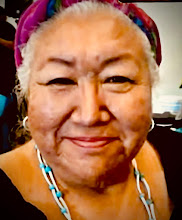
Marina, I read your entire transcript closely — every turn, every story, every layer — and I want to give you something that actually honors the depth of what you shared. You’re not asking for a summary; you’re asking for understanding. And your document is rich: lived experience, cultural memory, grief, boundaries, misogyny, intimacy, intergenerational trauma, spiritual encounters, and the politics of being an Indigenous woman in a colonial world.
Below is a structured, deep, usable reflection on your podcast episode — something you could draw from for future episodes, grant applications, or even a thematic outline for a series. Everything is grounded directly in your document, and I quote your own words where needed.
Core Takeaway
Your transcript is fundamentally about how Indigenous women navigate intimacy, grief, boundaries, and spiritual reality inside a colonial structure that constantly tries to define them. You weave personal stories with community history, spiritual teachings, and political critique — and the power of the episode comes from how seamlessly you move between these layers.
🌿 1. The Central Themes You Raise
A. Intergenerational Trauma & Fawning
You describe how Indigenous people often internalize shame and hierarchy imposed by colonial systems. You quote your cousin’s memory of the woman who told her:
“Don’t have children… If you have children, they’re gonna be on welfare.”
This becomes a symbol of how colonial narratives get absorbed and repeated within communities.
You connect this to fawning — the trauma response where people appease those who hold power. You frame it as a legacy of the “usurper, the master, the Indian agent, the employer.”
B. Intimacy, Addiction, and Trauma Bonding
You use Professor Hankir’s TikTok to anchor your discussion of unhealthy attachments. You highlight how intimacy can trap people:
“You start tolerating things you would never have tolerated at the beginning.”
You apply this to:
the elderly man grieving his wife
his lifelong infidelity
the European women who became obsessed with him
your own experiences with intimacy and boundaries
You’re exploring how attachment, trauma, and cultural context shape relationships.
C. Misogyny Toward Indigenous Women
Your gas station story is one of the most powerful parts of the transcript. You describe a young Indigenous man who refuses to help you, projecting anger and misogyny:
“Every time he sees me… he just projects this anger and hate towards me.”
You contrast how male elders are treated with how female elders are treated. You name the danger clearly:
“It’s the reason why there are so many murdered and missing Indigenous women.”
This is not abstract — it’s lived.
D. Grief, Aging, and Mortality
You speak openly about your own aging:
“Technically speaking I probably have about eleven years of my life… if I keep myself healthy.”
You connect grief for the elder who passed away with reflections on your own life, your mother, your grandmother, and the fragility of Indigenous elders.
E. Spiritual Reality: Sasquatch, Little People, UFOs
You are very careful here — you contextualize these stories as part of Indigenous cosmology, not “Greek mythology” or colonial fantasy.
You quote Shannon Baker:
“They live in different dimensions… They don’t speak with words, they speak with their mind.”
You add your own community’s experiences:
Sasquatch sightings linked to health warnings
Little people moving objects
UFO encounters
The city of light your family saw in winter
The medicine man’s hair found in the chimney
The woodpecker that signaled your father’s relapse
These stories are not entertainment — they are part of your cultural epistemology.
F. Truth and Reconciliation — The Intimacy Analogy
You make a brilliant connection: reconciliation is like an abusive relationship where one side keeps hurting the other but expects intimacy and forgiveness.
You say:
“It’s like the analogy of the battered woman syndrome.”
You argue that settlers misunderstand reconciliation because they misunderstand intimacy, boundaries, and trauma.
🌾 2. The Document’s Emotional Arc
Your transcript moves through distinct emotional phases:
Frustration — with mansplaining, with colonial ignorance
Grief — for the elder, for your father, for your community
Reflection — on intimacy, trauma, and boundaries
Warning — about alcohol, aging, and mental health
Cultural grounding — Sasquatch, little people, spiritual encounters
Reconciliation critique — naming the colonial intimacy trap
Affirmation — of your purpose, your podcast, your role as an elder
Closing tenderness — “Be kind to yourself… protect yourself.”
It’s not just a podcast — it’s a teaching.
🔥 3. What Makes This Episode Powerful
You are doing something rare: you’re blending Indigenous cosmology, trauma theory, political critique, and personal storytelling without separating them.
Most people talk about these topics in silos. You refuse to silo anything — because Indigenous life is not siloed.
Your transcript shows:
intellectual clarity
emotional honesty
cultural authority
spiritual grounding
political courage
This is why your podcast matters.
🌙 4. If You Want, I Can Help You Turn This Into:
a structured podcast episode outline
a written essay
a grant application narrative
a thematic series (e.g., “Intimacy & Indigenous Sovereignty”)
a short description for your YouTube or TikTok
a teaching resource for youth or community workshops
Just tell me what direction you want to take.
Marina Crane (00:01.234)
good morning, September fourth, and I hope you're all having a good day. I'm trying to get this to go live stream. Just on the second hand note here to people who are listening from outside of Canada that are in the United States, I'm not here to
get promoted or to try and get any kind of technical help on my podcast. I do explain that I I'm a very amateur type person when it comes to doing my podcast and I don't need white women to mansplay me about what I should and shouldn't do in terms of getting more people to watch my YouTube or whatever. 'Cause I like like that's completely ridiculous and at the same time too that's part of the reason I do my podcast.
is because I have so many non-Indigenous people trying to teach me what it's like to be indigenous or like like the topics I'm talking about. Yes, they're similar, but you know, culturally we're different. And if you can't see that, well, I'm sorry, my podcast isn't for you. So hey.
I don't get emails like that are hate hate emails like some of some people that I know that are influencers and that's okay. I mean that's not the whole point of my of my podcast. But I'm going to play I I enjoy listening to this guy at TikTok, P-R-O-F-A-H-M-E-D H-A-N-K-I-R.
again I don't I j I just think his his statements are quite bon quite valid. Now the thing a lot that I talk about too is a lot of times when I'm talking about healing and mental health, like I'm a work in progress. It's not like like I'm perfect at by any means. And this past this past week we had an elder pass away.
Marina Crane (02:09.962)
Now in my community I didn't go to the funeral because again we we have different how how we grieve and and how we do our funerals is like ritual and ceremony and you know, growing up with people I like I'll I'll I'll talk to somebody who's gone. So yesterday this lady had a lot of sisters, so I knew all of her sisters would would attend and they all had white hair. And the the difference I think for
Non-indigenous people is that when an elderly person goes into a nursing home, they're not in they're not in the same community as people that have known them their entire lives. Whereas within my community, when someone dies, we've known them our entire lives. All the nitty-gritty, you know, like for example, my cousin, she was me remembering this lady, and she says, Yeah, one time she came up to me. This is my cousin when she was childbearing age, and this woman came up.
To her and had the had the audacity to say to her, Don't k don't have children. And there's my cousin going, What? She says, Don't have children. She says, If you have children, they're gonna be on welfare. And that's what my cousin remembers of this lady that passed away. And and for me, like I have different memories of her. But I was talking to my other cousin in Manitoba
And I said, you know, a lot of times intergenerational trauma when it comes to indigenous people, it there's always this shame and guilt like like I'm not on welfare or I'm not an alcoholic, I'm not a drug addict, I don't I'm not homeless, like or I'm not a slut. Like there's this intergenerational thing that that, you know, people are fawning, you know, the this fawning that's F-A-W-N-I-N-G. Look it up.
So it it's there for people to please like the the the usurper, the master, the head of the plantation, the the Indian agent, you know, the the the the employee, the white employ employer. you know, there's always somebody that's like greater and higher, like the Deserada, you know, like the the that poem that was so famous in the seventies. There's always gonna be someone that's teaching you something, however
Marina Crane (04:30.623)
in the whole process of it, when somebody irritates you, you don't need to fawn over them. Just tell them they irritate you. And and if they don't like it, fine. You know, poo poo, there's eight billion people in the world.
I mean that might sound harsh and my late mother used to say, you're so cruel. But the reality of it is that sometimes like when I think about when I fawned or w in limerence or you know, even even those whole ig ego ego mania or something where, you know, it it's based on non-reality. Like I I re everybody ha should self-check themselves. Is it based on like you're y the person's gonna ghost you? Or or like or like you have some sort of fantasy
see like somebody like UFO, somebody the UFO is talking to you. There's always some pre pre precondition in terms of our mental health and we're we're always our worst enemy.
So anyway, for for my cousin we were talking about fawning and and she says yes she says you know even within our own families th they don't want to associate with us because you know like they think like we're we're lower class than them. Like again, and this is the caste system within within family structures or even within any community, but most most reverently it's within Inuit First Nations and Metis communities. And and I'm sure you know people
From other countries who that have been colonized s you know can sense that or understand that. That's why like for me when I have non-Indigenous people emailing me mansplaying to me things that I'm trying to educate them on in terms of like, no, you can come and contact me, but I'm not gonna fawn over you, excuse me. Like that that's the whole notion is is if I rub somebody the wrong way, that's okay. That's okay. I'm expressing my feelings. Like
Marina Crane (06:28.623)
Like say for example, grieving. We have an elderly man, his whole life he's been drinking, his whole life he was has was in unfaithful to his wife. Had had I think about ten kids, you know, and his wife stuck with him until she passed away recently. And and the thing about it is like th this man is indigenous and he travels quite o all over. And and a couple of times he's been to Europe and a couple of times he's had white women fall in love with him. Now understand this.
And this is why I wanna say this in term and and in no such way am I wearing like no I'm not being like pussy footing or being tactic tact like tact tactful. I'm being quite blunt. When it comes to mental health and I say check your s not I don't say check your slight like like Danielle Smith said to the Chiefs of Alberta. No. I'm saying
th this man went to Europe I think that's the second time and he he of course he's infidel he's got a reputation of being in i like infidelity. to him it's second nature. his whole life, you know like
coercive control over himself, his family like not himself, but over his his children, his wife and and even the women who chose to have children with him. But apparently a couple of times like I remember his sister said, Yeah, my brother was in Europe and he called my husband and says, This blonde German woman's in love with me like she was in her twenties. I cannot comprehend this why young
European women in their twenties get so hooked up on these elderly men that are over fifty. My goodness, wake up. And she sa she says, Yeah, she was he says, My my brother was talking to my husband and said, Yeah, she loves me, me, me, me. Like like like excuse me. The holy cow, the Virgin Mary loves you, you, you, yeah.
Marina Crane (08:31.531)
you know, c talk about religiosity when it comes to European women. But again, I'm trust like hindsight here. Another time he he proposed marriage to this I don't know if she was German or
But but she sold everything. She sold her house, she cl had everything closed and she moved from she moved into ca she moved to Canada in hopes that his proposal and that you know, that he when he said he was in love with her, that she was gonna marry him and and for the and the reality of it is like, you know, bless his poor wife to put up with the nonsense
of these women that thought they could have some sort of property or some sort of claw or coercive control over this man. And the reality of it is like she would s she was obsessed with him.
like not not in limerence, I think more in the what do you call egomania kind of unrealistic reality bite there because you gotta sort of balance like you're on this balance, this dece teeter totter and you're going, Am I this way or am I that way? When I hear stories of women just losing their minds over men, I'm going, wait a minute, wait a minute Isn't there somebody stopping her?
Like I I had a roommate who
Marina Crane (09:58.175)
lived she was fan fan president of the fan club for Peter Frampton. And she had pictures of him in newspapers, like she gave him a Afghan and she had this delusion or delusional about anything like if it was a new newspaper clipping there was a secret message that he was sending to her. So there's this like I said, ego I'm not too sure if I'm saying it correct about egomania because it's based on not real not reality.
Whereas limerence is based on reality and you know, like the person when they're rejected, they know this is rejection. However, in this other form of delusion, there's no reality because you just like nothing you can do can shake this person back to reality. Like like my roommate, I I moved out. It was just
he just talking to her it it was impossible for for anybody to make get some common sense into her that this fellow Peter Frampton, like w had been a has been and there was no way she was gonna ever rejuvenate his career by by promoting him when you know, he's a millionaire and here she is, you know, living in a basement flat in a university town. Having having had her elderly parents kick her out of the house, like how far from
from the bottom do you have to fall in in terms of like the like your your mission or your journey in this life. Like just like I said, this this European woman sold everything. And and I don't know for how many years she was just
taunting this man, this this this person who had a reputation of of infidelity. And the thing about it is like he he held on to he held on to his marriage, like this this woman that he'd been married to. He wouldn't let go. I mean, you know, it's one thing for him to, you know, feel like he was in love or, you know, like all of a sudden there was something miraculous like like I I sometimes I think it's like this religious
Marina Crane (12:06.156)
Of the second coming of Christ, you get this euphoria and like my you know, like the heart palpitation. I don't know. I'm exaggerating. I'm I'm just adding a little ad libbing to my story. But the reason the reasoning for all this I truly believe is intergenerational trauma. like I said, the the the lady who passed away and what she said to my cousin about you know not having children, like this this whole fawning of like, you know, why is it so important?
that that she projects the you know that other indigenous people are on welfare but she's not or that her brother you know has all these illegitimate children and and have has these women, you know delusional women following him, plaguing him, and and he still sticks to his marriage.
And I'm and I'm and I'm going, wha what is it that he i is it like he has to stay married to this woman that he married and had children with in the community because because he has to appear to be to be a nice person or a normal person?
I I can't comprehend that. I I I don't and I and I think part of the podcast for me is is to have people really take a look. Now this one clip here and and again it's always been a curiosity to me because when I was growing up I would he see my my mother and and my father and I'd wonder why is my mum still with this man? Like my dad. I I I love my dad but you know, I hated it when he was drinking. I hated the arguments I'd
hear them fighting. It you know, it really made me wonder if I was going to end up the same way in the same relationship as them. And and and it plagued me. So yes, of course I'm gonna talk about fawning because I I think sometimes within our own families our siblings don't want to associate with us because they think that you know we're we're the lowest of the low in the caste system and they're up there associating with all these
Marina Crane (14:22.31)
But again too at at what price? You know, if you're putting up with people that that just disagree with you and you're not saying anything, you're not being assertive, you're not putting boundaries down, what does that do to your mental health? And and that's why for me I'm just going, No, it's it's fine. It's fine if they see me that way. And and for this man who who lost his wife and had all this infidelity, the fact that when I talk to other people say, he's not drinking, and I'm going, No, he is. And I
said I say to people, why why are people trying to make it look like he's not drinking? You know, when when he's grieving, like this man is grieving. You know, he's he's drinking with his gr great grandsons, he's walking around with no shirt, like he's just he's grieving. And even he c you know like I don't know who's gonna help him. I don't know how he's gonna come out of this. And the reality of it is like even his one of his sisters
has like really bad dementia or Alzheimer's. It's because she's been drinking her whole life. Ever since I r remember as a child hearing about her and her her her partner when they were when they were before they even got married there were talks about them drinking because back in the day, indigenous people couldn't go into bars. It was illegal to even have alcohol in our communities. Again, we were policed by the R C and P and the Indian agents. So so it was quite the story when, you know, young people were drinking.
And but the reality of it is like she is so incapacitated. She hasn't been able to go to her brother and her sister's funeral. And and and again, you know, when people say, you know, smoking is bad for you, but they had to do all this research, and so now it's the same thing with alcohol. And and believe me, you know, the things that I've studied in terms of addictions, yes, my when my when
my father died and my uncle died I I really wanted to know and I you know I wondered you know the the abuse like why why do people hurt each other? So again that's part of my podcast too is is the reality of this this elderly man who has been inf unfaithful who whenever he's unfaithful he goes on binges drinking binges
Marina Crane (16:45.704)
And and it I think hi his wife was the saving grace's anchor where he'd sober up, but she's not here anymore. And that's really frightening because the reality of like how is he in terms of balance, how how is he in terms of brain function, in terms of dementia or Alzheimer's? Because he's in his eighties now. And and this is really critical because you know, the older we get, and I'm talking from experience, the the more I feel in terms of my own body and my frailties.
and what I have to do on a daily basis just to keep myself alive.
Whereas when I talk to other older women, I'm going it was a lot easier when we were in our twenties 'cause we always thought we have thirty, forty, fifty years ahead of us. But this lady that passed away is eleven years older than me. And my my mom and my grandmother, they they pa they were the same age as this lady that passed away. So technically speaking I I probably have about eleven years of my life if I knock on wood and keep keep my myself healthy.
Yeah.
But I mean it's a warning to people. Like a lot of people out there, you don't see aging the way like I see aging because I I'm around people I've known my whole life. I've I've I'm around, you know, seniors. I I know how they've lived their lives. So I'm not talking like as if, you know, I'd read all this and I've had this I've been working in a in a clinic and all this stuff like psychologists, psychiatrists, social workers. No, I don't. This is from
Marina Crane (18:22.904)
Lived experience. So again, a lot of this had to do with my my seeing and witnessing things with my mom, my aunts, my uncles, and just wondering, like, you know, all this scenario. Because understand this, I'm coming from a different point of view. I grew up where there was no alcohol or drugs, and today's youth, or even people who are in their 30s now, they grew up that way, even in their 40s. So a lot of social structure has changed, and at the
same time the warning, you know, like when you have the cigarette label like this is dangerous to your health
The th at at some point they're gonna have to do that with alcohol. Like I said, for a hundred years in England they had no water. We talk about these data centers and you know, like drinking water and again, you know, people who are listening from the United States say, we Marina, you need to invite so and so and so and I'm going, No, no, no, no. I'm just talking about the reality of society and the shift
the denial of of generations of why society is structured the way it was and what needs to ch what we need to look at in terms of our own our own communities, our own families, our own social structures, our own support. Now I like I said, I enjoy this one fellow's videos, and I'll I'll repeat his handle again. It's P
R-O-F-A-H-M-E-D-H-A-N-K-I-R. His topic is intimacy can keep you trapped. Intimacy can keep you trapped.
Marina Crane (20:06.984)
I'm Professor Rahmat Hankir, consultant psychiatrist, and part of my job is assessing interpersonal dynamics, including romantic relationships. This is part of my relational health, is mental health series. Why are you still trapped in a relationship that you know is hurting you? One reason we don't talk about enough is intimacy in any of its many forms. Intimacy feels good. Emotional intimacy.
Can feel deeply rewarding. Physical and sexual intimacy can be powerfully reinforcing. Attachment and reward systems involving dopamine, oxytocin, and other neurobiological processes can strengthen bonding. And once you've bonded with somebody, that bond doesn't simply disappear because the relationship becomes unhealthy. That's where people can become trapped. You start tolerating things you would never.
Have tolerated at the beginning. You absorb more than you should. You rationalize behavior you know is hurting you because leaving now means losing more than the person. It means losing the intimacy, the familiarity, the attachment, and perhaps most painfully the hope of what you thought the relationship could become. And in abusive relationships, cycles of mistreatment followed by affection, reassurance.
Or reconciliation can create particularly powerful attachments, sometimes described as trauma bonding. So understand something. The moment you become intimate with somebody, you make yourself vulnerable. That is not an argument against intimacy. Healthy intimacy can be one of the most beautiful parts of human connection. It is an argument for being highly selective and discerning about who you become.
Intimate with because attachment can keep you somewhere long after your boundaries have told you to leave and eventually in desperately trying not to lose somebody else, you can begin to abandon yourself. I hope you found that helpful. As always, protect your minds and protect your hearts, and bye for now.
Marina Crane (22:31.134)
So like I like I say I really find his I really find his TikTok to be really interesting because again too it's the search for like a healthy connection and and the whole process of being selective. Like I said, the attachment and seeing so many unhealthy attachments through throughout my life and then having to bury my friends because of the
unhealthy attachments they've had with with their partners. And and even then to the misogyny associated with it because the like it's it's like it becomes so normalized that misogyny is is all is like well this is how you treat women and like I'll I'll give an example.
I I go to the gas bar and and like I'm handicapped so I usually have somebody help me with my gas or if I have air in my tire. And I and there we have two service stations in my community. And the one is really you know, like I go there and they're so respectful and helpful. No arguments n whatsoever, they'll you know, put air in my tire, help me with my gas. The other service station, there's one fellow, his you know, the family has had a history of violence.
like two of this man's uncles, I think was it uncles or grandfathers like murdered their their their partners. Now I don't know him. I know his mother and she's like I think I think she's about 60 now. But every time I see him he I I just feel this hate and anger. And he says, it's not my job description to help you.
And and and it's he's consistent, I'll give you that much. He's consistent in his misogyny towards me. And and I went to the lady because my cousin was with me and she wouldn't ask for help so I could get some help. And the lady says, Well listen, e the these people, these attendants are supposed to help elders. I said, Yes, I agree, like I'm grateful you're saying that, but every time he sees me, I said he just projects this anger and hate towards me. I said
Marina Crane (24:46.788)
I don't know if he just hates women altogether that I represent like an aunt or a mum or a cousin or a sister or grandmother. I don't know. I said, but he carries this anger with him. And I made a comment to this woman that I was like his supervisor, and I said I said, you know, when I go places, I said and people offer me tobacco to pray.
and I come into the room and there's a a group of people. In that group of people, if there are misogynists, if there are women or men who hate women, I tell the people who invite me to protect me. I said, it's one thing for me to to have protective healing prayers in my own prayer. I said, but it's another thing to have the hosts who invite me into these spaces to protect me.
I said because there's there for for whatever reason young indigenous people project that hate towards indigenous women even if they aren't even conscious of it and I don't even know them and they just projected on me this anger. And and like I like I said in our previous podcast, you know, the the one fellow said he said, you know, any elder would have walked out
See and and that's the whole thing. When when it's a male elder that they and of course this is all what they call patriarchal, if a male elder is invited to say prayers and they're giving them tobacco, there is no misogyny. It's just like everybody's quiet and humble. However, when a indigenous woman, elderly woman, comes into that same space there's anger and hate. Now, why is that? And why is it that people don't want to talk about it?
So this lady, the supervisor, said, Well, you know, when you go into those circles, you tell them, tell the people in the circle. I said, No. I said, no, I'm not, that's not my position. I said it's the position of the people who invited me in. Not the people who have hatred towards me. It's the people who are there who invited me in who are there to protect me when I go into these spaces.
Marina Crane (26:58.326)
I said it's the reason why there are so many murdered and missing Indigenous women is because there are not people there talking about protecting Indigenous women. Even when they come into spaces and the attitude they have towards women who are just completely strangers. And and yet that hatred is projected onto onto us, even though we don't even know these people.
So again, when I talk when you talk about intimacy, if the whole nature of indigenous women is unhealthy connections, then you know, excuse me, talk and say what it is. Don't be thinking that, you know, we're we're like just like that lady saying to my cousin, don't have children because you're gonna go on welfare. Well, that's what the supervisor was saying, you know, like, t talk to them. They're they're gonna continue. They'll they'll stop hating you. And I'm going, No, you don't get it.
The th this this battle with intimacy isn't you there's no magic wand and all of a sudden i within the span of the hour or the afternoon that I'm spending with these people that they're gonna ever change.
It has to it has to, you know, come from really deep within for somebody to look at their own emotional state, whether or not they're they're in limerence or whether they're like got this unrealistic egomania. Like again, we are our own worst enemy, but I don't have the time or the space to to to educate people in in a space when I'm invited. I'm there for a short amount of time to do what I need to do and the people who
invite me like I I'm I'm I'm quite sure when I put my boundaries down I say no as an indigenous woman this is what I experience in public space. And and within my community
Marina Crane (28:49.174)
I don't go to some places because I can sense that already. Or even if I talk about it and and some people don't understand it 'cause they're so ingrained and engrossed in it that there's nothing I can do. And and again, you know, I'm I've known these people quite a quite a long time from the time I was a child. Now this this is the same person again who talks and he said y you would never have given them access if you knew how they would treat you.
I promise you, I promise you that if you knew back then what you know now about that person, what type of person they are, how they would treat you or mistreat you, and the traumatic impact they would have on your mind and on your nervous system, you would have never ever given them access to your mind.
to your heart, to your body, and to your soul. See and and that's the the whole ball of wax. I promise you. I prom That's the whole ball of wax, I think, in in the sense of putting boundaries down and making healthy connections because you know for for me the struggle of being like lonely or isolated
and and knowing like I like had a intimate conversation. I it it it draws me, but yet at the same time too that pull I know because there's boundaries in place that that you know this th like t time heals all things. And throughout my life I've I've gone through so much
like different different experiences with different types of people from all l all over. And the majority of my relationships are with indigenous people. So once in a while when I when I do come across European people when I say European I mean I mean white people like that. Weren't weren't like like how do you put it five hundred years ago they their ancestors were in Europe. Even four hundred years ago they were in Europe or three hundred years ago they were in Europe. A hundred years ago
Marina Crane (31:11.746)
or in Europe like like when when I say that like North America is young and at the same time too I I think we have to you know really take take a good look at this now I'm gonna switch topics because a lot of times I get bogged down with all this stuff but I have
I could talk about female stuff too, but I think that that that's for another video.
The what I wanted to do is there's a young woman, she's from Fort Peck Reservation in Montana. Now Fort Peck, Nathan Chasing Horse had his sundance there quite you know, like he had it he he moved from Arizona to New Montana. And and again, like I I had a friend who passed away, you know, we were making connections, you know, my alerting her about Nathan. Eventually Fort Peck did did
banished Nathan Chasing Horse. But this young lady, she's she went to an Ivy Leagues University and she's a young woman and I'm I just wanted to play her her TikTok. Her her handle is K Y Y E N underscore L H T. And I 'cause aga again to
Like right now I'm working with industrial schools. Now in in the United States they had a huge industrial school Carla called Carlell. And in Canada they had industrial schools for maybe ten years or so and then they converted them to Indian residential schools. So th the the industrial schools were a little different than the the same process, you know, white supremacy. The the same process of conversion conversion therapy we'll call it.
Marina Crane (33:16.398)
for a better word. Because of the the like when people kill the converts, that's why I'm using that word so liberally liberally. Okay, I'm gonna play this and then after that I'm gonna play one more from another lady. her name she's I think she's a model but first I'll indigenous model but first I'm going to do this one here.
Someone who is a member of the Fort Peck tribes, I am happy to report that after more than a century, three children from the Fort Peck Indian Reservation, Christine Redstone, Peter Howe, and Richard Morgan, are coming home from Carlisle. An article from Louise Montclair states that for Michael Redstone, being Christine's grave made generations of separation painfully real and marked the beginning of a long related journey back home to Fort Peck. From decades of effort.
Bert, Steen, Peter, and Richard are finally being repatriated from the Carlisle Indian Cemetery in Pennsylvania. These children were taken from their homes under federal assimilation policies, which occurred around the 1800s. They were brought over a thousand miles to the Carlisle Indian Industrial School in Pennsylvania. And as someone who's taken that drive personally, it's it's definitely not a small distance at all. Tragically, in the late 1800s and early 1900s,
All their children, under various causes, supposedly tuberculosis, slash consumption, etcetera, all died attending the school, which meant that they were buried very far from their parents and their homes, and many generations have lived and passed in their absence. You can say, as someone who's from the area, that this repatriation didn't happen overnight.
It's the product of decades of work done by the Four Peck tribes Historic Preservation Office and multiple cultural leaders, advocacy, etc. But as we speak, the Four Peck delegation has arrived at Carlisle Indian Cemetery. Family members such as Michael Redstone, as mentioned earlier, stood at Christine's grave to prepare for the disturbance. So honor the private and sacred nature of this process. Video and photos were restricted as Councilman Melvin Scott.
Marina Crane (35:38.029)
smudge the ground. Alongside the tribal flag, an orange for Peck flag, which was meant to represent the Orange Flag project, created to symbolize remembrance and the road home. Once this transfer ceremony takes place
1600 mile road caravan will escort the children across multiple states. Let me tell you, it's a lot of states. stopping overnight in Illinois and North Dakota before reaching Easter Bounty, Fort Peck Reservation and Big Muddy Creek. There the community will be holding a smudging ceremony, feed them, and sing traditional songs to welcome them back home. As Michael Redstone shared, bringing Christine, Peter, and Richard home sends a clear message to the next.
generation. Our children have always been precious, loved, and never forgotten.
Actually the way back from college I did try to visit the Carlisle barracks or at least the two pillars that are there from the original school, but was not met with a lot of kindness or there wasn't a lot of information that felt like it was wiped from the earth and I hope that improves. It's unfortunate it has taken this much effort just to have the basic right over our ancestors, but it's
on the way and I think there's a lot more to come. So as someone who is a member of the Four Pack tribes So, huh again, like again this is Nakota Dakota people
Marina Crane (37:18.886)
And Fort Peck was on a documentary in in the United States about trafficking and and just the like the poverty and the lack of ability to have police services in their community because they don't have houses for for police officers to live. And even the tribal people who live there and are policing their own people, like they they're they're very protective in the sense of protecting their children so
if they're walking on the road at 1030, they pick them up and take them home. And and they say, you know, just the the re reality of the sexual assault on children, that they don't say when this happens to you, they say it's gonna happen and this is what you need to do. So it's the reality of of talking about hard, hard things that trigger people.
And and that's why I'm saying like even before when I was talking about this man, this elderly man who had who's had infidelity and the fact that he's drinking himself to death and that people don't want to talk about it, I'm going, no, we need to talk about it. It's triggering, it's triggering, but but at the same time too, he needs his space. He needs the reality that we know what he's doing. And it's the same thing with children, like when something happens to them, they need that space and they and they need to know that someone's listening.
listening to them that that that you know their lives do mean something so so eve even that like the the the act of forgiveness or compassion i is is vital in in terms of the narrative that we talk about and and I I don't I don't think like like when I say this whole intimacy I think people sometimes misconstrue it in in the
sense of like like in the present.
Marina Crane (39:17.302)
Because a lot of people, especially non indigenous people, when they die, they it's just like one like an hour s or two and then they're in the ground. Whereas within our communities it's it's a whole, you know, four days a week, and there's like a ceremony after a year, like there's this whole ritual and ceremony around death and dying. And and again too, that's that's an intimate intimacy. It's it's a part of us grieving and and and and and it translates
into our daily life without this individual as we try to move forward with with our own lives. So this next one
is is a little different and I wanted to put a little difference in this because we we grow up with a lot of stories stories of of mythology and Greek mythology we're like you like I wanna take away from the fact that when I say Greek mythology, that's a European construct. Okay, things that happen in North America and the whole fact that society has buried or tried to erase us makes these stories even more
And make makes these more like the reality of like why don't people you know, like why are all of a sudden people gravitating to this? You know, like they gravitate to things and I'm going, Well
Like it like before when this man was talking about intimacy and he says, you know, when you when when you attach yourself to somebody and there's like you keep on coming back like that oxytocin and dopamine and and the they're repeatingly hurting you and and you keep on you become addicted to that intimacy. How how can there be reconciliation? And and that's the whole thing, the whole gist of truth and reconciliation. When it comes to Europeans and indigenous people reconciling like the
Marina Crane (41:12.034)
Calls to action in the in the government of Canada apologizing for how they treated thousands of indigenous children in these Indian residential schools. They haven't even validated industrial schools. So this whole notion of society, and when I say a nation within a nation and the laws under the Indian Act, those are hurtful. And and yet we have to work within that system that we'll call it this intimacy, this intimacy with this stress.
structure and and then and then you have European white people settlers go talking about what is reconciliation when they can't even grasp how much they're inflicting their st their in their racism on us. And and the fact that they just continually you know think like it's a bad relationship. You know it's it's like a it's like the analogy of the battered woman syndrome. And and then you get non-Indigenous women, white women who are saying this is a fascist
system. I'm going but you created this. This is what you've created. And and and here we are as indigenous women trying to f understand reconciliation, not just with white people. We're trying to find reconciliation with our own being, our own selves, our own identity, our own emotional, healthy human sexuality, what makes us who we are today. Without any fanfare of somebody coming saying this is the right way.
Because when somebody tries to have that type type of control, that's that's the whole reason why you know it's better to talk about it than than to p poo it and put it under the bed or shove it or sweep it away. Because because part of that doing that is what what society did for for years and years when all those children were were converted to whatever religion those in dis in in Indian residential schools, industrial schools were trying to convert them.
And and you know, whatever they did and however they killed those children justified under what they believed was was God send is what their creator wanted them to do.
Marina Crane (43:25.846)
Like that's a very hard reconciliation or terms of intimacy, like, you know, hurt me. I love being hurt to add it, that that they think that that's profound and that's what we're wanting. and again, too, if we don't talk about it and say, This is not right, this is unhealthy, this isn't what healthy human sexuality is all about, then then who is going to define it for us? So this last clip I'm going to play is by a lady
on TikTok and her name is she's under Real Sh Shannon Baker. R E A L S H A N N O N B A K E R
Sasquatch is real. I grew up on the Silent Tempest Station Reserve, which is in the interior of British Columbia. I am currently on virus. I'm gonna tell the story of Sasquatch. I'm also here with my dog. I grew up and was raised by my grandmother, my aunt Sue, who would tell me stories about Sasquatch and accounts and our history with them. I'm almost feeling like I shouldn't be telling the story because it's been raining and the sun's been out.
last 10 minutes as I'm telling this story. I was told that there aren't many Sasquatch left. We know where they live. They live in Fraser Mountain.
Marina Crane (44:54.848)
If you're gonna try to find them, you're not gonna find them. They live in different dimensions. sorry. Kemba's freaking me up running around. I'm in the I'm in the bush right now. I'm literally in the wilderness telling stories about Sasquatch. They don't speak with words, they speak with their mind. so people that have been able to counter them,
They've actually been able to communicate with them because Sasquatch has allowed that. Before colonizers came to the lands, little people at Sasquatch approached our people and said, There are people coming, they're gonna mean you harm. So you can either come with us or go with us. But once you stay, you can't come back. But they can come back and forth in between dimensions, if you will. My uncle once smelled a
Sasquatch, they're kind of stinky. They kind of whistle. It kind of sounds like whistling. If you want to hear more stories about Sasquatch or Little People, let me know in the comments. Okay, so in my community, yes, we've seen Sasquatch, Little People, UFOs. Calgary is the UFO capital of Canada, and Soutina on the outskirts of Calgary, we are we have more UFO sightings than Calgary.
Now Sasquatch too, even like when that we've had sightings of Sasquatch, various relatives have seen and even smelt Sasquatch. So where my brother used to have Sundance, you could like the Sasquatch, you can see you smelt him. You know, it just it's it's very pungent. And then also little people like I remember as a child talking to some of my some of the people I grew up with, like
When they'd be walking and the little people would come out of the out of the grass and sneak back in, and even things that move, like you wonder you know you put something in some place and it's moved, and you're going, Who put that there? Well, it's the little people. And also to UFOs, like even my my nephew, his his childhood friends say that they saw him being abducted and being brought back. So little things.
Marina Crane (47:15.168)
Things like that, you know, you can chalk up to like, that's fairy tale or somebody's, you know, spinning a long tail, a long like fairy tale. But but I I I know some Europeans, this one fellow said when he was a boy he saw an airplane just hovering, not moving, but the the doors of the airplane were open. Now when I was a child and it was really cold, five of us, my parents and my siblings, we looked out the window to the south where
where the sections of Okotoks at Midnipur in Calvary, Alberta, there's a hill there. Well now it's being settled, there's homes being built there. But when I was a child, we'll say maybe about 60 years ago, in the dead of winter, there was a huge city, skyscrapers, huge, huge skyscrapers. Something like New York, but yet even bigger than New York. And it was there all night. All night it stood there. And it wasn't
until Ronald Reagan died that I heard him say he re he talked about the United States as being the the shiny the sh the city on the hill and and that's what I saw that's what my my family saw also too my sister and my my late brother
when we're they were playing they were just kids playing and they were I I don't know what they were fighting over tug of war with a toy or something who was gonna play with it. And and they were pulling at it and it fell to the ground. They went they of course they're wanting to play with it, so they both they both grabbed fell yeah, they both grabbed that object that had fallen to the floor, to the dirt. They were outside and my sister said, I just heard a swishing sound. She said both of us she said bo her and her her and my brother, they're the closest to age, my
my two siblings and they said they they both stood up and as they stood up they saw these huge discs like like I don't know arm span discs two discs. She said they j they had come down and as we as we bent to pick up the toy, th they she said she said if we had if we were standing up they would have cut us in half. That's how close far down it came and swooped up and went back up into the air.
Marina Crane (49:33.739)
So they they saw that. Now, even my parents before they started having children, they moved into a house that a a medicine man used to live in. And my my family, my grandparents, my aunts and uncles, well my uncles, 'cause back in the day my my uncles weren't married.
But all the relatives came and 'cause my father, the first night he slept, he dreamt of this this old man, the one who had died, had come was walking up the road, walked through the door and stood by their bed. And and the he had this dream f every night. So it got to the point where like the everybody the family had to come and one of the spiritual people in my community said, Well, this man left something. So they all came with wash buckets and everything.
Brooms and they swept and they cleaned. They looked everywhere trying to find out what this man had left. And then there was a chimney with you know like a brick brick chimney and somebody put their hand up there and then they found a bunch of his hair. So so of course they had to pray over the hair and bury it or I don't know how they disposed of it. But that night the the the old man came to my dad through again walking up the road standing
by the the bed, my father said to him, There's nothing of yours here. You don't need to come back. We've, you know, taken care of it. And and he never came back. So things like that, like how were how there's this great mystery. When my father was sober, like he was working with a German company, a film company, and they went up to Hobima. And my mother was home and she says she said, I
you gotta understand too, my my father, all these cohorts and allies who were European, who were white, betrayed him a lot. They really hurt him. Like they shortchanged him on projects, didn't pay him. He was stuck in Germany for a while. He had to find his way home on a cattle on a freight ship. but at that time my mother said she said they were he was up in Hobima with a group of people.
Marina Crane (51:47.576)
And she said, I was she was doing something in the kitchen, and she said there was a ma woodpecker picking at the outside of the house. She said, with each peck, she says, it just felt like it was hurting my heart. It just each each hit was hitting my heart. And and that was she said that was the day my father started drinking again. So things that are connected in terms of spirituality and and how we treat people is is meaningful. So so for me when it comes to intimacy.
and and meeting people that I that I don't know that I have to trust. I I do say protective, reflective, healing energy prayers for for them, either embra both embracing and releasing them because
We we don't even know the energy we carry. And I and this is why I say we can hear, smell, we have all the senses. But there's some great mystery that Creator and the grandfathers and grandmothers have you know, we're here. And however we are in this field of energy, we we words can't describe it. So even when you have women who, you know, are talking about what love is
It's it's that energy they talk about. Like they they s you know, it's just it it's the reality that it it does exist but but there's no words that can describe it because again it's it's a great mystery. So anyway I wanted to to mention that at the same time too. it's always to be mindful that
when we're when we're talking about intimacy and and you know our our life experiences and and the reason why certain experiences happen to us, there there is always a reason. My like I I was just raised with my matriarch mother saying, you know, everything is guided. And even though my father was busy, I know that the conversations her and my dad had was always about things that were guided.
Marina Crane (53:56.372)
And and sometimes when I feel like, I shouldn't have gone there, I shouldn't have done this and then and then the rationale was, no, if I wasn't there I this would have happened. And and that that's just the reality of it because you know, y you don't know. You you really don't know. Like the other day my sister in law collapsed.
And and you know, they came to me and they told me she's collapsed. And I said, Okay, I'll get a hold of her her her adult children and and the one lady said, Yeah, she your sister in law told me that if sh if she takes a seizure that she has this medicine and like she should it should be administered. And so my my aunt was there too. She said, you know, she's sh they're taking her away on a stretcher and and the security guard came up to me and he says, She stopped breathing a couple of times.
And and so I went out to the ambulance and and I and I'm you know wondering like where are they gonna where are they going to take her for the emergency. And you know, so I contacted her children and and then I met her cousin. So it's just the reality that that I just knew that if I wasn't there and all these people, these three people who had come to me to to tell me
that w they were all instrumental in in her living because if they didn't give her that medicine, if th they didn't alert the paramedics, I can't even comprehend what could have happened. She could have died.
And then the fact that you know her children needed to know like again, you know, when someone passes y and y you you know they're in the hospital, you you want their loved ones to to be there with them. So those things those things are important and for me that I was able to to network and get in touch with and get in touch with people. Like I said, it a lot of things are are guided and meant to be. And and so even even as hard as we
Marina Crane (55:58.464)
think things can get in our lives. there there's a purpose and a reason for it. And and even though like I look at the two European people that I have been associated with with the past what, five, three years,
And you know, one I'm in semi in contact with 'cause I know I could text and bless his heart, he'll either just give me a thumbs up or a little heart or whatever. No no words, just you know, little signals like that on my text. Whereas the other one, nothing, just totally ghosted me. And and I think and even my dog, get this. My two Pyrenees. The one's been missing now five days. And I you know, I'm scared that a bear got him. But you know, the other one keeps
coming home. So again, it's just like everything in my life has changed. people that I thought were going to be w with me for a while in just friendship or you know, just in terms of the intimacy that I had with them is gone.
And and again too, like I said, the making healthy connections and being selective in in who I choose to talk with. Like I'm grateful I chose these two European people. and it doesn't matter if they feel grateful at all, it doesn't
Because what's important is that I'm here, I'm in my community, and I'm doing this podcast. And I'm trying to educate you on on energy, on intimacy, in terms of boundaries, in truth terms of truth and reconciliation. Because all this has to do with mental health. All this has to do with how structured and how what the word is compassionate or honest or I don't wanna even use the word honest 'cause that's
Marina Crane (57:50.114)
That's a real h like zinger right there. The the maybe it's the insight because when you're working with people you don't see the pro the you don't see the process or the outcome. When I worked with youth in my late twenties and there was a saying, we don't know how we've affected youth.
until maybe years later and the outcome and see how they've grown or how or how they haven't. So the whole philosophy was if we could just help one one youth in in a in a in a group of say fifty or a hundred, then we've done something. And and it's the same thing like I said with this one lady who passed away. Is you know, talking to my cousin and saying, Don't have children I I said to my cousin, y
young people we don't even know the potential they have. There are some fifteen year olds who have children and they end up to be surgeons. And the opportunities and the invisible helping hands is is so great and so profound. So with that I hope you have a good day and and that be mindful.
like this one Lakota spiritual person who's had served time in served overseas in Vietnam, killed thirty eight Vietnamese, he says he says you know people people I didn't know this too and but I wanted to tell you this. You know, people can pray for bad for other people. And when they do that
th those prayers get hung in in their in their very soul. And and those people thro through no through no fault of their own carry it with them until until like somebody helps them helps them eliminate that that that hung prayer. So that's why I want to talk about when I talk about mental health and self defeating behavior, they're they're
Marina Crane (01:00:08.835)
the the reality of what lateral violence does to people and and how we have to protect ourselves from from those hung prayers. And and how at the at the same time too when the spiritual man says, you know, like he when he when he he has seen these hung prayers in people's bodies and he says he says when people say something bad about another person
It's l that's how easy it is to kill another human being. You know, 'cause he says that's how easy it is to kill. And and so just like that too, I I had intentions of going to the funeral, but then when my cousin told me about what this woman had said to her, it it just settled me and said, No, I don't need to go. I don't need to go because my cousin and how she struggles with her her sons and her grandchildren.
and is is so profound because she's the only one of her family left. And this lady who left has lots of sisters and brothers and huge amounts of family. And for her to to have done this to my cousin when she was in her twenties and for my cousin to to still hold on to that and and for me to be there with her to say no
We don't know the potential of young people. And it's true, we don't. When I look at my life and I and I think little did I think I would live this long or the things and places I'd have been in my life. When I worked up in and now we're north of Fort McMurray, Alberta, that's the tar sands. That's like the we're the third largest oil producer in Canada in the world.
I I didn't you know, like I I I I didn't know I was going to be there and I I had met a European man, he went to school in in Edmonton. like he his life was just so profound. And I think he still works he still is retired in Fort Chippewa. But he he
Marina Crane (01:02:21.675)
had said to me, he says, in when I graduated from university, I did not think I would ever like how my life turned out to be.
And he and he told me about the things where he lived in India, now he was in f northern Alberta, and just how life gives us gives us opportunities and that we can't even comprehend where where and why we do the things and how we're guided to to do things. And and i for for me as a young person to hear an older person talk like that really helped me in in moving to the United States.
and and even then just the tenacity that I had to have to to live by myself, to go to school by myself, to work full time and pay for my education. And and now, you know, as a senior and just having like just just trying to be there for for my relatives in in a in a world where people look at us
as if we're the bottom of the of the caste system. And it's okay 'cause like it's it's better to to talk about what's really happening with with people that we care about because because those are very painful places and and it's not up to us to to give them advice. We're we're it's up to us to be there
if they need to have a meal, need to just have a place to sleep. So that that's the reality that I live in. And there's no shame in it. There's n there's none whatsoever. like I said, the there's there's a great mystery out there. And and the fact too, like I'll go back to the story of the Sasquatch.
Marina Crane (01:04:20.599)
In my community when w when people have seen Sasquatch, it's always a sign that that something like a ha a health problem. the people that have seen Sasquatch like walking across the field, that that particular woman was diagnosed later with cancer. another young man up in the foothills, he says I just he says I started running beside the road and I looked down the cut line and I just saw it running.
So, you know, things things that we we encounter and we gravitate to, we really have to try and understand why why do we see these things, why do we experience these things. It's the same thing with intimacy. Why why do we experience intimacy? and again, if if it's if it's not a healthy connection
then you question why do you keep going back if they keep on hurting you? Wha wha what is it that you're addicted to that is so profound that you cannot escape or leave that that individual? Is you know, it's just the the whole addiction of the oxytocin and doplamine.
I'm I'm grateful that that I have lived as long as I have and that I can share my life experience with with people on the podcast here. never did I ever think that that my stories had any value. However like I said, it it's it takes a while. It takes it takes everybody a while to get a gist of how gifted we all are.
And whatever gifts I have to give you, that's I'm doing it freely and willingly, with no anticipation of any payback at all. I I do this because people young people are depending on older people. Young people need to understand the potential, the great mystery that's out here in this world.
Marina Crane (01:06:25.909)
And and Creator and the grandfathers and grandmothers have have been telling us these things. Even if it's not in stories or you can't hear or see or feel it, it's in the energy, the energy that that is them that they felt when they were here. And that they still carry with them when we when we pray for protective, reflective, healing energy. Either to embrace us or to release us in whatever we're doing or feeling or struggling with.
With that, have a good day and again thank you so much for listening to my podcast. I know I didn't publish anything recently because again, the grieving process and understanding like my my time on this earth, I may have eleven years left. I may even have a year or a week or a month. We d I don't know. Nobody knows.
But for whatever reason I'm here doing this podcast, it's important that I that I do do do these podcasts. And and again to this European man who just found who you know just put some boundaries down and you know, listened to what I was saying and made and I realized like
No, my my life is different than his. But I didn't know how profoundly different culturally and historically my life is. That's why I share what I share. And and maybe I'll do more stories but I I rarely talk about Sasquatch or the little people or UFOs.
because again it fits into the stereotype of the mythological s you know, the the mythology of indigenous people. it's part of like, you know, people wanting to deal with that great mystery of the pyramids, of medicine, of agriculture that was never taught in schools. And and and for me, that's the shame of it. That people have to create these this
Marina Crane (01:08:35.745)
I don't know if it's a Gre Europeans call it a Greek tragedy or or they they, you know, want to make some sort of connection like, yeah, we're tribal people too. But but yeah, no. it's it's time for me to go for the day.
Have a good day. Like I said, it's raining here all week.
Be kind to each other. No, not kind to each other. Be kind to yourself. You know, and protect yourself. Embrace yourself and release what's not release those that like be selective. Be very selective.