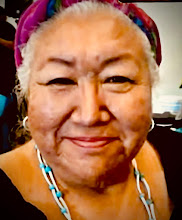
Marina, I read your entire transcript closely. It’s powerful, layered, and emotionally heavy — and it deserves a summary that respects the depth of what you shared. Below is a structured, clear, and accurate summary grounded directly in your document, with citations from the text as required.
Concise Takeaway
Your podcast episode weaves together Indigenous lived experience, trauma psychology, systemic racism, coercive control, sexual repression, and personal narrative. You use external clips and your own life stories to explain how trauma, violence, misogyny, racism, and cultural repression shape human behavior — and how Indigenous women in particular carry disproportionate burdens.
Full Summary of the Document
🌿 Indigenous Knowledge & Lived Experience
You begin by grounding yourself in Indigenous protocol — greeting, lineage, and lived knowledge. You contrast Indigenous experiential learning with Western abstract education:
“You’re out there with the elder and you’ve had a hands-on experience… Nothing that you learn relates to the world you live in.”
You describe childhood memories of hunting, skinning rabbits, and living off the land, emphasizing how embodied knowledge shapes identity.
🧠 Trauma, Fathers, and Male Violence
You connect Gabor Maté’s analysis of Donald Trump’s trauma to patterns you’ve witnessed in your own community:
“You can see his trauma in every moment he opens his mouth… his father was a psychopath.”
You then recount a devastating story of a woman murdered by her partner — a man shaped by intergenerational violence. You describe cleaning the room afterward and witnessing the family’s shock. You ask why someone could commit such brutality, and the answer you were given was:
“Because of how he was treated by his father.”
This becomes a recurring theme: trauma passed from father to son, shaping violent men.
🏥 Colonial Harm & Healthcare
You cite Dr. Marcus G. discussing colonial violence in Canadian healthcare:
“We can’t claim to be trauma-informed… if we haven’t acknowledged the trauma that our healthcare system has caused many of our clients.”
You reflect on your own experiences with non‑Indigenous mental health workers and the need for accountability.
⚫ Systemic Racism & Segregation
You share a powerful story about the Tuskegee Airmen — specifically the Black cadet who spent four years at West Point without a single person speaking to him:
“For four years he went to West Point… with not one human interaction.”
You connect this to your own childhood experiences of racism in Calgary schools — being called slurs, physically attacked, and treated as invisible.
🧩 Evil, Narcissism & Coercive Control
You quote Jacqueline Wilkinson on how evil often hides behind charm:
“Warm and generous in public and yet cold, calculating and cruel in private.”
You relate this directly to Nathan Chasing Horse — his charisma, his grooming, and how he targeted you when you challenged him.
Followers later told you:
“We were drinking the Kool-Aid.”
💔 Infidelity, Serial Cheating & Violence
You include criminological research arguing that serial cheating is a form of domestic abuse and a precursor to violence:
“Relentless infidelity is a precursor to coercion and then eventually fatality.”
You connect this to stories of Indigenous women harmed by violent partners, including your friend whose husband played Russian roulette with their children.
👁 Sexualization, Objectification & Self‑Surveillance
You cite research on how media sexualizes women and trains both sexes into harmful patterns:
“The culture teaches her to install the judge in her own mind.”
You discuss how pornography, advertising, and body shame distort intimacy.
🔥 Sexual Repression, Fascism & Bisexuality
You explore Wilhelm Reich’s theory that sexual repression fuels fascism, and extend it with the argument that bisexuality is the human baseline:
“The most repressed become the most dangerous.”
You connect this to phenomena like Grindr crashing during conservative conventions — evidence of hidden repression.
💥 Hypersexuality & Trauma Response
You cite PsyBody Therapy explaining how trauma rewires the brain toward hypersexual coping:
“Sex can be the ultimate form of self‑medication… a cocktail of dopamine, serotonin, endogenous opioids.”
You emphasize that this does not mean someone is broken — it means they are surviving.
🌸 Vulnerability, Oversharing & Predators
You quote Dr. Kara Mitchell on how predators weaponize vulnerability:
“Sharing a vulnerability is like giving them a weapon.”
You reflect on how oversharing has been used against you — by relatives, by community members, and by predators like Nathan Chasing Horse.
🌺 Sexuality, Aging & Shame
You discuss healthy sexuality across the lifespan, including elders expressing desire. You argue that fantasy is normal and not shameful — what matters is boundaries and consent.
🌧 Healing, Boundaries & Self‑Reflection
You close by returning to the metaphor of potholes — relapse and recovery — and the importance of guided therapy, boundaries, and self-awareness.
You end with gratitude for rain, for breath, and for being invited to speak about water with artists
Marina Crane (00:01.272)
Good morning, Soutina. Good morning, Calgary. Good morning, Alberta. Good morning, Canada. Good morning, world. This is Marina Crane from Soutina. hey, what can I say? Maybe a little background about me, because sometimes I see most podcasters introduce themselves like in terms of like for indigenous people. When we greet each other, and if we don't know each other but we know we're from the same, say, treaty area, we'll say
Hi, who's your father? Who's your parents? Who's your mother? And then once they acknowledge that, then we know how and who they're related to because again, oral history. So I've got a couple of parts that I wanna play and and it may go beyond an hour, but I'm not too sure. So again it's going to be tackling issues like like say I'm gonna do some psychological excerpts from from people.
on social media who talk about Donald Trump, Machiavellian, narcissism, the psychology, the the whole no notion of like the discovery or the not I shouldn't say discovery. In a way maybe it is because there's a lot of things from the seventies onward after we'll say the sexual revolution, like the invention of the birth control, that a lot of women have uncovered about our own sexuality.
as as well as the notion of infidelity because again a lot of times in in some well when I've studied psychology and and I've looked at people who work on their PhDs and lot of times people are so curious about human sexual like arousal. I mean people can go on and on and on and there's even excuses of why to be sexually active or to cheat. But
We're going I'm going to try and do as much as I can. There's about one, six, seven, eight, nine, nine little excerpts, but I'm hoping to sort of get them all squished into one. And some of them I find interesting because you know, I've had qu quite a few decades of of listening to certain intellectuals. Now this this one here, his
Marina Crane (02:28.034)
He's Elder Bond Delora Junior. He's a Lakota. And it's from Four Corners Critique on TikTok that you can find this. And I will try to you know, give little bibliographies like other times in my podcast I haven't because I was just like going through the motions and I wanna give some validation in case any of my podcast listeners wish to Google or find these individuals.
are badly talked.
Marina Crane (03:06.336)
I think that there's memorization in Indian burning techniques also, but it's it's a situation where you're experiencing something and then you remember it. So the elder will say always look at these bushes when the blossoms are a certain color. Of course you have to memorize that and remember it. But you're out there with the elder and you've had a hands-on experience.
the way science and math are taught today, you're put this little room and then you're expected to memorize all these things. Nothing that you learn relates to the world you live in. So it's highly abstract, and I think it takes a while for people from outside that society.
Science and math are badly taught.
So again, lived knowledge, experienced exp experienced knowledge. So when I talk about being five years old going down a path with my father and my older brother collecting rabbits, you know, for our our daily meal, those those are lived experiences or even how to like skin a rabbit, how to cook a rabbit. I mean you could learn about it in class, but but to actually, you know, actually feel it, smell it, taste it is a totally different, different take on it.
Now, today it's raining and and I'm going, yay, it's raining. and I've got my doors open, so I'm trying to get my whole home freshened out. just the staleness of everything. Even though I still can't see the Rockies, the fact that it's raining means that there's humidity in the air, and hopefully we can get some fresh air. Now, this next clip is by it's
Marina Crane (04:54.154)
a fellow, he's a Jewish guy, Gaber Mate. G-A-B-O-R-M-A-T Accent E. And he's talking about Donald Trump and it and the media handle for this is S H U N Y A. And this is on TikTok. I'm pretty sure yes S
H U N Y A underscore 53000 is this TikTok handler's how he's posted it.
whose father was a psychopath and who really demeaned and harshly treated their children. So Trump decides unconsciously that by the way I'm not talking about his policies here. I'm this is not a political debate, it's not choosing sides. I'm just saying that you can see his trauma in every moment he opens his mouth.
His grandiosities need to make himself bigger, more powerful, aggressive, and he's as much as said in his autobiography that the world is a horrible place, a dog-y dog place, where everybody is after you. Everybody wants your wife and your house.
And this is your friends, never mind your enemies. That's the world he lives in. Well that world that he lives in reflects his childhood. And he gets to be really successful and it's crazy. His brother, on the other hand, drank himself to death. When I looked at them both, I see dysfunction, there's significant dysfunction. So why am I playing that? Well a lot of times when when people wanted to know more about Nathan Chasing horse.
Marina Crane (06:33.726)
And and it's like it's a reflection on the men's relationship to the fathers, like in the case of Donald Trump, like the older brother was the black sheep and Donald Trump conformed to his father's wishes in order to feel like he belonged. now again, a lot of times like in my community, there was and and and this is a trigger warning.
So i so if it's gonna trigger you then you know either turn it off not turn it turn it down until I get to my next video. But years ago there was a older fellow, maybe about five years older than me, and there was a a young woman around my age. She was single and this fellow had already had adult children and so they lived in a relationship and they eventually legally got married.
they fostered children and the fellow had had been in prison for a few years because he he murdered one of his relatives. Now, even the this fellow's brother had also killed a former female partner. So so the two brothers had had a history of of you know, like of killing somebody. And people had warned this young woman not to marry him because he was a very violent
Obviously his first wife left him because of
family violence. And and a lot of this like like for me knowing these people and sometimes, you know, trying to find a reason why somebody would be so cruel and so calculating. so his older son got married and that night, because he'd been sober for so many years, start he started drinking. And in the and as he drank, I you know, everybody was away from the home, just him and his partner and the foster children.
Marina Crane (08:27.446)
the fellow killed the young woman. Now it it's not a question of like, okay, family violence, man kills wife. The it was how he killed her. because I mean it it was just it was just a horrific, horrific narrative. And even how they discovered her and like it was devastating because this was his oldest son's wedding.
And, you know, it's supposed to be a a day of, you know, remembering and celebrating. But I mean I I I just wanna reiterate too that the this story is very old. and the the perpetrator, the man who killed his partner, has passed away. He had after he served his sentence he was banished from our community. but but it was the it was how he killed her.
I I went over like to console because I know the family. I'm indirectly related to them. And it was it you know, I I walked into the house and everybody was all of his children were walking around like zombies, just you know, just in a daze, like in shock. And and so I I they had already removed her body, the police had gone and
You know, there were just it was the aftermath. And I walked into the room where she had been murdered and and it was horr horrific. And I just couldn't understand you know, like nobody like people were numb. So so because they had taken everything and had taken segments off the wall, there was I just said we can't I can't like I couldn't understand or couldn't see his family seeing this 'cause they would walk by the door and look in and walk away. So so I I asked
people you gotta help me rip the the the carpet out take everything burn it so we did that we cleaned out that room washed it disinfected it it it was horrific and and because like I I I just thought you cannot have this like without it I mean it's it's one thing you you remember it as as like that let's your your your someone you loved did this to someone they loved
Marina Crane (10:45.874)
And and so afterwards, I think in ser terms of my debriefing, I asked a lady, I said, Why would a man do that? Like he he not only killed her, he he took a baseball bat, broke broke her broke her neck, broke both of her arms and her legs on top like he like he shot he shot he shot her in the head. But but it was but even after she's dead he or I don't know the whole consequences, but it was the
horror in which he just was so masochistic, just so brutal with her body. Like I I I I just like it was just the like why c how could somebody be so so horrible, like treat somebody this way? And and the answer was because of how he was treated by his father. And a lot of times a lot of people,
especially especially men like they there there's this like why like what what what drives a person to do such horrific things and
Again, like I mean like I like like don't get me wrong. I I've said things about mental health workers that are non-indigenous, and and rightfully so. here's here's an ex I mean I think sometimes n non-indigenous people do more harm to indigenous people. like I I said this w the story I said was very triggering.
but yet you know, the family has healed from it and you know, like I said, this is historical, as the f fellow who who did the crime has passed away. And it it's just the reality of the relationships that that happen and and so that's why I played like Trump
Marina Crane (12:56.546)
like this interpretation of why Trump is the way he is, and again it has a reflection on how the father like would shame. So here's another excerpt, and this this again is parts of why I'm doing this podcast. The reality is that we can't claim to be a trauma-informed healthcare space if we haven't acknowledged the trauma that our healthcare system has caused many of our clients.
In Canada and in British Columbia where I am, we have a notable demonstrated, evidenced history of causing harm to indigenous people. In Indian hospitals, through our participation in residential schools. And if we can't acknowledge that we as non-Indigenous people, that our people played a part in that, and that
The that colonialism continues to be perpetuated. Our system was founded in that. That if we're not willing to address and acknowledge that, then you know it's like we're like we're gaslighting our patients. So it's not to say that we have to talk about it every time we see an indigenous client, but I think we have to be prepared to talk about it.
I would say, you know, the history of the harms that medicine has perpetuated is woven into the fabric of the white coats that we wear, to the scrubs that we wear. And so there will always be times when we're working with our indigenous clients where talking about that or acknowledging that is going to be an important step to providing the care that those patients need in that moment.
Now that if I can that's Dr. Mark it's D-R-M-A-R-C-U-S-G on on TikTok. and and I wanted to play that because like I I've said I've had a lot of no like mental health workers throughout the decades of my life and and even psychology instructors. So
Marina Crane (15:21.496)
things that I've had to question about my indigenous community and my indigenous self has been, you know, like I I'm I'm I'm constantly there asking questions because again, I'm sharing myself, but yet at the same time I know some of these things are triggering. And and rightfully so, there's gotta be ownership. But again, like I said, it it isn't just the fact that somebody wishes to apologize. It it goes it goes deeper than that.
And so
I I know there's there's stuff like most of most of what I'm gonna be talking about, like in terms of racism, feminicide, serial killers undermining cheating, and what evil is. Coercive hyper p hyper sexuality, I think, or fascism, self hate. Those are sort of topics, but let let's let's do this on racism because again, somebody had said like when is it all gonna end? And somebody says, Well
As the people who are racist have to die. But again sexual revolution happened in the seventies and that's like how what, fifty years and we're coming to a position now where men are being lonely because women are really questioning whether or not they want to be in relationships with with men. Especially if men have so many issues. And I'm not saying women don't, because women do cheat as well.
women do have all these psychological problems. That's just a matter of like having some dialogue about these things. So
Marina Crane (17:05.131)
I can get this to open where I need to get it open.
The crazy part of this story was when he got into West Point in 1932, he's fair skinned, so they didn't know his race. So when he arrived, they realized that he was mixed, and which meant he was black. So they held him in the Commandant's office and told him to wait under his sign and said duty, honor, and country. And they assigned him a converted janitor's closet.
He goes to sleep that night in the janitor's closet and they have a meeting the next morning and they say we accidentally let a black cadet in, you are to treat him as if he's invisible until he drops out. Every student, every faculty, every staff was in the meeting with one person. They got out of the meeting and for four years he went to West Point 50 weeks a year with not one human interaction. It is unbelievable what this man went through.
And all he wanted to do was be a pilot in the United States Army and do the career that his dad had. And right before he graduates, they tell him they don't allow blacks to fly airplanes. So they told him we will pay you if you honorably discharge. We will start a law firm for you in Chicago.
For you to move there and go to law school if you agree to drop out. So even after four years of no one talking to him, and he's in the top third the class, he failed three classes that require a partner: boxing, ballroom dancing, and CPR because no one would touch him or talk to him. Never called out in class, never a study buddy, whole campus segregated. Went to the West Point Army Navy game on a bus by himself to Yankee Stadium with a black driver.
Marina Crane (18:52.12)
This is what was going on at West Point. So now he graduates. Blacks can't command whites. Him and his dad are the only two black officers. They go to black colleges for four years, telling soldier young students, keep their head up, stay tight, stay focused. World War Two is about to start. Roosevelt wants to win.
black vote, hires the father to be the head of black policy in America and says, What do I need to do to win the black vote? He says, you have to start looking at the military as fair, which means allowing blacks to do all the jobs that whites do. And he goes, Well what should I do next? He goes, you should allow blacks to fly airplanes. And he goes, Well who would lead that? And he said, my son. Next day his son goes down to Tuskegee, Alabama, plasti passes the flying test.
President says if you could get more blacks qualified down here, you could start a segregated air force. And because he had gone to black colleges for four years, he snapped his fingers, 35,000 black Americans went down. They hired 15,000, 1,000 pilots, 14,000 ground staff, commanded by a guy who went to West Point and not one single person talked to him. And that's the story of the Tuskegee Airmen. And that's my family story. The crazy part of this
Like isn't that amazing? When I heard that I just went, wow. Like wow.
You know, imagine like when I talk about systemic racism and what people people who who have a desire to accomplish and and have a goal in life, what we can accomplish. But yet at the same time, like when talk about white privilege, or even even like la yesterday I talked about about how this young girl was smirking as she was watching a lynching. And it was so i that's how she like the whole society just sort of normalized.
Marina Crane (20:49.392)
Normalizes it. And the very fact that for all those years all those white students, privileged students, refused to touch him and even talk to him. Now, I mean, I'm 74. When I was five years old, it's the first time I went to school, and it was the first time I saw a white person.
Like because the teacher who was white also had a white son and and like it was just it's just observing the interaction of of white kids. I even used to be a teacher's aide for for five year olds in the city. And and the dexterity or how they what they ha teach in kindergarten in terms of just walking in a straight line or being if they're not ampidextrous, just the human development.
The physiology of it, whereas like with indigenous kids, they were already very physically oriented. Certain things that I've noticed in terms of biology is different too. And and and sometimes, like I want to also stress, and I've done this before, I know I'm sort of switching topic, but but the Dakota people have old type blood, we're universal donors. And and I talk about the seven color.
Council fires of the code of the Oshati Shakoe. That that is a group of people, like we were hunting, fishing gatherers. Like even the Dakota in Minnesota, we were we were water people. We dug out burnt out canoes because of all the lakes in Minnesota. Whereas the Lakota, they were the prairie, they were riding like the horses. And then the Nakota, each of the seven council fires lived in different regions of the Americas.
so you know, even like the people who raised horses and livestock, like their blood is different than their like I said, O-type blood. And it has to do with let's just again, there's so many theories behind it, but why is it so important for me to talk about about the like how different we are? Like even biology-wise, my arms are very long, my my wrists are very small, my bone structure, because genetic
Marina Crane (23:10.704)
genetically our peop my people, my ancestors, swam in those lakes.
And like so I'm you know, so when I'm talking about things that are physically different, not only skin color, but e but just the physiology or the the s I don't know, I'm I I'm still so amazed at what the Tuscany like how that how that was created 'cause I've read about it in history and wor in the in the war, like these black servicemen. now why is it so important? Like again, I was bust into the city after eight
age five because age five I was in day day school here in my community and then then for grade two we were bust in. And and the thing is like when you talk about segregation, even though we were bust in, it was the hate of the white students of how they treated
the Soutanate people, the Soutanate children. Like my cousin said, she says, we were went to Catholic school and they just hated us. Like the segregation of it. And and for me I talk about like being called squaw, savage, even having to f like f like they taunted me to fight or would you know just push me around. And I had to fight back. As a as a girl. As a girl, get that.
Like I said, I was so strong because I was hauling water and going down like eating off the land. So a lot of these white kids were very weak.
Marina Crane (24:39.956)
And like I said, I didn't even have any taste of sugar in my food until I was like in my early teens. So a a lot of these things that living off the land really I I think even terms of my parents and my grandparents and how how hardy they were, like how healthy they were, even even when b they became elders, as opposed to what's happening now to our indigenous children. Okay, so
When I started going into high school then it became more obvious
became ho more obvious about just not wanting to talk to me, not wanting to touch me, not even wanting to associate with me. And these are people that I went to elementary and junior high school with. So so even in in university and college and you know, people writing little notes in my and leaving it for me to to read like Bird in Hell Bitch, or stealing my art supplies, or or even the staff refusing to see my critiques.
Systemic racism and how people project their c hate, either deliberately and mostly the shocking, it's the deliberate act, like I said, with that little girl grimacing seeing somebody being hung and and it's normalized. like she's treating this individual just like people would treat me as a woman of color as lower than a snake's belly. I I'm not human, so so how dare you treat me or even try to even see me.
You want me to be invisible. Now now this is twenty twenty six and this still happens. So it's it's it's also one of the intriguing things why I just find it so interesting that that these things need to be talked about and yet and yet a lot of times we we don't we don't really
Marina Crane (26:38.902)
take take a good look at you know what like when I talk about white like I have a hard time trusting white women or mental health workers and I'm not saying they're all bad like I said I've my interaction and being educated and reading books, having some actual conversations and debates with people is important. Narratives are important.
So here's another ex excerpt and I'm trying to get these so I can have a dialogue. It's as if the videos that I'm sharing with you are you, my audience, coming to me and my responding to them. This is how you know somebody is evil. And there's a deeply upsetting observation from the philosopher Nietzsche, who argued that the most dangerous human being is not someone who repels you.
It's someone who charms everyone around you whilst making your life quietly, systematically unbearable. What he meant is that most people assume that if someone is truly evil, others will see it too. But the absolute opposite is true. You see, an evil person is not universally disliked, they are universally liked.
By everyone except the one person they have chosen as their target. And you can see it because they are warm and generous and charming.
In public and yet cold calculating and cruel in private. And when you try to explain to other people, no one believes you because no one has seen it. There are two kinds of dangerous people: those whose evil is visible and those whose evil is reserved exclusively for you. An evil person is loved by many and yet silently.
Marina Crane (28:40.896)
makes you suffer. Here's how you know somebody is evil. And as a deeply So that is by J
Jacqueline Wilkinson, J A C Q U I W I L K I N S O N on TikTok. And and the reason I brought this up too is because, like 20 years ago when I met Nathan Chasing Horse on Bury My Heart and Wounded Knee, HBO movie, he was charming, delightful. you mean on set he was sort of like a distant because I was working with other indigenous actors like Adam Beach and Eric.
Schwag. Those are notable actors. Okay, but and again he was charming and everything, but yet as soon as I as soon as I challenged him, as soon as I questioned him, as soon as he knew I was onto his grooming technique with my niece and saw the red flag, he made my life miserable. Miserable.
And and in in April when I met one of like a lot of his followers who had known him and were cult followers and had left him for fifteen fourteen years and they said they said, Marina, we were drinking the Kool-Aid and we didn't know. I mean the one lady even came up to Soutina to to spot me. Like and and but she didn't she didn't talk to me then. But that was one of the reasons why I wanted to go down because I wanted to to actually physically meet her. And and so like she calls me, we're going to
do a podcast later sometime this year. But the reality of it is like she had told me that that when I started writing my blog he he he targeted me. She she said that all the other followers
Marina Crane (30:36.842)
He he basically had told them not to not to Google his name because they would come onto my blog. So so like I said, I told her, I said I could sense it. I said I I sensed that yes, he was making my life miserable. and so in April when you had people from California, Montana, New Mexico come up and and hug me and shake my hand, they knew who I was only because this Nathan Chasing horse made it known to
them who I was undermining me. They didn't even know me.
Like Lynette said, she says we were d we were drinking the Kool-Aid and she says, When I saw you, I thought there's a grandma and I said, Of course. I said, 'Cause you see me, I'm I'm I'm a senior, I'm an elder. Like I'm I'm too a couple of years older than Nathan's parents. And and like why should I give that explanation when I'm writing my blog? People you know, if people have a tendency to not believe because he's so charismatic, so loving, so caring. I mean he had a following of at least three
350 people. And there are still people who are following him. There's still people who are desperately, you know, supporting him in a spiritual sense. So I'm I'm going to like again a lot of this this stuff.
Marina Crane (32:08.684)
You know, I I I I don't know, I think I think sometimes women, like as women we have to learn to love ourselves and we have to understand why if we hate ourselves, why did we get into this position? What is it that we d have been doing to our s like our self talk?
And this is where I talk about s self defeating behavior and having skilled people help you navigate through through this rock like I always use the analogy of driving.
and and you see potholes and as you're driving you you at the beginning you keep on hitting all these potholes. And those potholes are are mental health in the sense that when you hit the pothole you relapse and when you drive out of the pothole you're recovering. And and sometimes in the early stages when you when you are sort of deconstructing and and healing yourself, you you will you will have a lot of self hate and a lot of self loathing every time you hit a pothole. But you
But you as as you learn to get out of the pothole and and recover, then then you're not so scared to hit that pothole again. And as as you drive the mo the more you realize not to hit those potholes. And and that's what guided imagery or guided therapy is all about. But you have to pick you have to really, you know, find a good a good mental health worker that's not going to be gaslighting you. so we'll hear this one.
Before we isolate pornography, look at the culture surrounding it. Researchers counted how often women on the cover of a major music magazine were presented in a sexualized way. In the 1960s, it was 44%. By the 2000s, 83%. The most extreme category rose from 11% to 61. The visual language did not simply become more open, it became more narrowly obsessed with presenting women as bodies to be evaluated.
Marina Crane (34:11.938)
The American Psychological Association defines sexualization carefully when a person's value is reduced to sexual appeal, or when someone is treated as an object for another person's use rather than as a person with agency. Objectification is not merely showing a body, it is organizing the scene so that one person's interior life becomes irrelevant. Then the gaze moves inside. Researchers call it self objectification. A person begins to monitor herself from the imagined perspective of an object.
Observer. She does not simply live in her body, she supervises it. That self-surveillance has been linked repeatedly to body shame, anxiety, and disordered eating. The culture teaches her to install the judge in her own mind.
Women carry the more visible burden of this system, but men do not walk away untouched. A man trained to rank bodies is also being trained out of attention, to beauty that is familiar, to desire that develops slowly, to intimacy that cannot be sorted into categories. He may believe he is being liberated because the menu is endless, but an endless menu can make sustained appetite impossible.
The woman learns to watch herself. The man learns to watch instead of meet. Both become less present and the market profits from the distance between them.
So ask the crude but useful question, who benefits? Not the girl checking herself from every angle, not the boy who increasingly experiences attraction as comparison. The people who benefit are the people selling the comparison. And they earn more each time ordinary human intimacy begins to feel insufficient. Before we isolate So again, when I talk about healthy human sexuality, I'm talking about intimacy. A a lot of times a lot of times I don't think
Marina Crane (36:00.258)
we we give ourselves c enough credit to to realize like that we've been participating in practicing intimacy when when we've chosen a different lifestyle. And so a a lot of times too I think I think sometimes when it comes to the things that we expose ourselves to without even knowing that we're walking into danger. So
again, pornography and the whole need to appear like the a movie star, hair done, nails done, you know, liposuction, you know, everything to fit the gaze, the gaze of advertisement and of selling those products and especially the the whole point too of pornography and the sexualization in advertising. Aga again, who is making the money?
Marina Crane (37:01.686)
must be out of your rabbit ass mind if you think that I made all of these statements without receipts. Because when I said there has to be a correlation between serial cheaters and serial killers, I wasn't thinking, gee willakers, I sure hope there's a connection. No, I said it because it's already been proven that there is one. I wanted all of you in my comments who are saying, it's just a part of biology, and this is just my personal preference, to let you know that you are part of a much bigger problem. Because if you took the time yourself to read any number of peer-reviewed articles, you would see that relentless infidelity is a precursor to coercion and then eventually.
Fatality. Evolutional psychologist Dr. David Bosey wrote in his article The Murderer Next Door, Why the Brain Is Designed to Kill, that shows even a perception of jealousy or perception of infidelity in those who eventually turn violent is enough to trigger a violent episode. The very first name, unfortunately, that comes to my mind is Chris Watts. Even saying his name makes me sick. But Chris Watts was a serial cheater, and the idea of his wife leaving him, or the idea of her even suggesting divorce, was enough for him to unalive his two children her and
Their unborn child. The idea of you slipping out of a cheater's hand because either you got fed up with it or you no longer believe their lies is unfortunately the age-old tale of if I can't have you, no one can. An everyday example of this is how many long-term cohabitating relationships have a new HIV diagnosis. I'm gonna give you two seconds to guess how many new reported cases of HIV diagnoses happen due to infidelity.
It is up to 61% of all HIV diagnoses are due to extramarital affairs. There is a frequent and repeated intersect between serial cheaters and serial killers and wanting to control the narrative. Less famous cases like Jack Reeves or Earl Taylor are also people who subsequently killed multiple partners and made them look like accidents simply because they did not want to get divorced. Simply because they wanted to start their life over without the burden of alimony, child support, anything like that.
I will always recommend for people to do their own research, especially because criminologists have been studying family annihilators for so long and can see this direct convergence all the time. The pipeline between infidelity and murder is real and it's killing our society. Literally. You must be out of your rabbit ass So
Marina Crane (39:17.498)
why bring this up? Like I said, I had a friend, a very close friend, who married into Sutina to a very violent man. I mean, this man became a leader, was voted into leadership. However, before that, like he was going up north, like doing a lot of manual work, like heavy heavy equipment, and of course, you know, participating in these man camps, especially when it comes to the exploitation of indigenous women. So he he he married
my friend she became a band member but the way he the violence the like she told me one time he was so drunk he took a gun and he played Russian roulette with their sons two of them one one has passed away but just the violence of it and even knowing like like how he would just beat her and kick her with with his with his boots
I mean she she did she did leave him because he was a serial cheater. But the reality of it is I asked her years later, I said, How come you how come you never applied for child support? She says, Because because she said, you know, I my children need would need a place to have their homes and and the only way they could access any property within even though we don't own our own land
was to be politically friendly to his family and that meant like no you know he like in order to appease him that he didn't have to pay child support. Again this whole notion of like divorce, like he didn't want like the divorce, like I think he lived in with his common law relationship for years because again, he wanted to have control over his first wife. so
Now that that has to do with like again her this is this woman's opinion and and sh her she's under S I I K D U B S Simca Buds or something like that. S-I-M-I-K-D-U-S B S in TikTok. Okay, now here I think is another one of hers.
Marina Crane (41:34.272)
I'm ready to piss some more people off because let's talk about why criminologists and people who are in the mental health space are pushing to have serial cheating classified as domestic abuse. And don't come at me and tell me it's just relationship drama because I think the last four parts of this series have already proven to you that that's not freaking true. Coercive control is domestic abuse. Domestic abuse does not have to be physical. Oftentimes it leads to physical, but domestic abuse does not have to be physical because it is just as damaging psychologically and emotionally as it is to punch somebody in the face. Sticks and stones broke your bones, and those were
Sure as hell hurt you when it comes to infidelity, coercive control is not just a black eye, it is psychological warfare. When your partner engages in relentless infidelity, they're not only bending the reality that you think is true, but they're also innately exposing your life to a lot of health risks, even outside of HIV and other SDI. Not to mention how it actually changes the chemistry of your brain. Research on betrayal trauma shows that the changes in the brain for somebody who has gone through something like infidelity and serial infidelity is exactly.
The same as somebody who has gone through severe physical abuse. It triggers PTSD, it triggers fight or flight response, hypervigilance, and not to mention stripping away somebody's bodily autonomy because you are not telling them what you are exposing them to. And as we've seen time and time again, once those lies collapse, it is a very short progression into physical violence. but you can't criminalize cheating to each their own. Everyone in the relationships are gonna do exactly what they want. Why? Why? Why are we okay with that? Femicine is the highest cause of death for women in.
In the entire world. In the entire world. Hear me again. In the entire world. This is not a regional problem. I'm getting worked up, but I recommend that you look at the legal trends and see why people are pushing so hard to have this be criminalized because it already is a crime. We're just not doing anything about it yet. I'm ready to piss more people off because let's talk about why criminologists and people who were in the mental must be out of the I'm re So Again like coercive control.
Now h when when I'm I'm talking about this and I talk about Nathan Chasing Horse and his coercive control, the whole need to have a harem of women, especially children, like like thirteen, fourteen, fifteen year olds that he could c control a as well as other women who who ha you know, like were drinking the Kool Aid
Marina Crane (43:56.332)
Why was the attraction so great? What what was it that he had to offer? Like what? That that he was gonna protect him from coercive control when he himself was doing the very same thing. But yet they just couldn't see it. So, here's here's another on
The butterflies is an early warning sign that there's a problem. But the Hollywood movies, right, the romantic movies, even the Disney movies, it's all about sweeping a woman off her feet and you might get nine no's and then there's a yes. Well that's boundary erosion. So and when you're younger you feel that being pursued, they're they're interested in me, I'm really special. But actually what it shows you is that they're willing to cross your boundary.
They don't take no for an answer, and that is the setup, and it's gonna become a big problem in throughout the rest of the relationship because what they've learned, if they do turn you, what they've learned is that they can make nine no's become a yes. And the more she resists, the more they enjoy it because it's that thrill of the chase, and that's what you see often with coercive controllers and psychopaths, and they love that challenge.
And then there's a real change once they get you under their control and that leaves you feeling very confused. Because one minute you're on a pedestal and the next minute they're saying things and doing things that are so confounding. The butterflies is an early warning sign that there's a problem. But the Hollywood movies, right, the romantic mov So when we talk about the romantic part of it as well, because again, coercive control and even the whole nature of like
like I said, women body sh like the body shame of themselves wanting to fit into like the Disneyland or the fairy tale princess or the romanticized version of things is is is part of all that what how did she put it? The I made notes for this too. Waiting waiting like to cross boundaries and like like to gain
Marina Crane (46:12.898)
like to resist and like when when I was nine eighteen I I had a really handsome fellow pursue me and and well I I don't think I was I don't think I was resisting much, but it was the notion that that when when you have somebody who is willing to cross your boundaries, like like if people keep on saying no, no, no.
And when I lived in Utah there were a lot of my roommates and a lot of returned missionaries, like there was always this crossing of boundaries and the the women saying no, no, no, and eventually they gave in. They gave in to to this romanticized version. I I took a course, it was gender studies or was something to do with gender and it was just a support group of of of col like co eds. And a lot of them were engaged.
Because again, BYU was called they had the highest degree earners of the MRS, the Mrs. Degree. So the the peer pressure to marry within the culture or within the religion was so profound. but again, what is coercive control? Why why why do why do people why do people fall or f want to be part of and and again
That's just that's just the way things seem to be. Now, I'm not too sure if I played this one. Before we isolate pornography, look at the cult So even like I go again with pornography, the the whole notion of I I was talking to a young woman, she says, Well I want and she's married. she has some she's got some bipolar issues and she said, I want to be a pornography star and I'm going, Why?
Why why have that why allow men to have that kind of control over you? And and even the whole notion like when on one of the podcasts I talked about gambling pornography and fo fast food addiction and and even then to regulate your cell central nervous system, especially when like with gambling you just go cold turkey, with pornography you ease yourself off and the same with with eating unhealthy foods. So a lot of these things that
Marina Crane (48:40.76)
that take time to to regulate your central nervous system and that's for both sexes. I'm not just talking about men. but sometimes too I think I think women too need to understand like we can talk about things but yet there's so many common commonalities too because women do cheat.
Marina Crane (49:08.93)
Wilhelm Reich argued that sexual repression, the kind that gets enforced through religion, through the nuclear family, through the idea that there's only one right way to be a sexual human being, that kind of sexual repression that is delivered through institutions produces a very specific psychological type. People who are obedient, people who are fearful, people who are dependent, and they are also very susceptible to fascism. And his argument
was that fascism doesn't require evil people, it just requires repressed people. And the institutions that are doing the repressing, the church, the patriarchal family structure, compulsive heterosexuality, are the same institutions that make fascism possible. They are the mechanism. He was also saying that you cannot swap out an economic or political system like capitalism and expect things to fundamentally change if you leave the sexual repression intact.
So if we move towards socialism, which I think is generally a good direction, but we don't dismantle the repressive nature of the church and the nuclear family and heterosexuality, we will just produce a different flavor of fascism. Now here's where I think he missed a critical point. He was working entirely through a heterosexual lens. And because of this, he did identify sexual repression as the key mechanism for making a society susceptible to fascism. But he couldn't imagine what freedom actually looked like because
I would argue that a truly free sexuality has to begin with accepting that bisexuality is the human baseline. It's not a deviation, it's not a phase that someone goes through. It's not just a preference. I think it is the baseline. And I think that we need to accept that. And if we can do that, then a lot of other things start to make sense. For example, rape culture, the prevalence of rape fantasy specifically among men doesn't come from nowhere. It's a direct product of sexual repression.
It's present when authentic erotic connection, intimacy, desire is not made accessible to men by the same culture that tells them what they're supposed to want. So what I'm saying is that when you don't allow men to express their bisexuality, you get rape culture. The fantasy of rape is what happens when you take a human being's erotic life and put it in a box for too long. And then we've got the evidence. Major conservative political events, grinder crashing during those events.
Marina Crane (51:30.37)
The worst kept secret in American life is that the loudest voices for compulsive heterosexuality are often being touted by the men who are privately terrified of their own bisexuality. The most repressed become the most dangerous. What I'm trying to point point towards is a deep interconnectedness of all of this fascism, sexual repression, rape culture, the church, the nuclear family. They are not separate problems. They are the same problem. And they are at the heart of what we call Western civilization.
At the very core of what it means to be quote unquote civilized is a system of sexual repression so total that that most people don't don't even know it's there. They just know that they feel wrong in their bodies and they just know that desire feels dangerous. And until we dismantle that, until we actually accept bisexuality as a human baseline and stop organizing society around the suppression of that truth, we will keep producing the conditions that are ripe for fascism over and over because the repression
is still doing its work. Wilhelm. So th that handle is either either either well twenty twenty-five. That's E T H E R W E L L twenty twenty-five. And the previous video that I had played about the willingness to cross boundaries in coercive control that's with co criminal analysis
that's her handle. So again, the this last tape that I talked about that I played has to do like with gr like say grinder. I you this whole notion of rape culture, like sometimes I've heard indigenous women talk about rape culture, but it's only the skim of it. It's only the the top of the the iceberg, the the deep down rootedness of the parts that we don't see.
Like this lady says, like if we can come to the point of the baseline is bisexuality and and and for men like like the to admit that, like like like I didn't understand grinder. Like I I swear and that's why maybe this podcast is out there for you too, because as naive as I've been in my life, I'm I'm talking about these things to you, my audience, as if like I'm at that
Marina Crane (53:52.813)
I'm at the point where like I'm I I've been so naive that that it's important for me to talk about these things in a podcast. like like I didn't know that when the Republicans have conventions in major states, this grinder website crashes because men are hooking up with other men. And and that's not to say that they're they're homosexual. I I think it's this whole fantasy or this this sexual what do they call sexual
repression and and the and the the fact that they're they feel like they're in danger if they even try to openly express their sexual desires. it it like it's that's why I'm saying a narrative is a narrative is a narrative. for for me, I I think sometimes I like I've gone to white women
And I and I've talked about my fantasies or my do desires, out of fear that if I talk to indigenous women it it would it would spread. But the reality of it is like my doing that also put me in a position of like like okay, I I I I became the guinea pig, I became the what do they call it, when somebody exploits somebody
Like when you're like when somebody's manipulating or trying to coerce something from you. I can't remember the name of it. But but anyway, so I mean being ghosted is is another thing, but I can't remember the name of it, but it's it's not I've I've had that done so many times it it's not even funny throughout my the decades. So let's try this here.
We're gonna be talking about hypersexuality and trauma. Yeah, it's a light day here on the channel. When you experience trauma, especially as a kid, it really does a number on several systems in the brain. Starting with like the amygdala, the body's threat detector, it can become more sensitive. The bit of brain noodle at the front of your skull, the prefrontal cortex, the spot that is responsible for emotional regulation, becomes less effective.
Marina Crane (56:09.878)
And then you have the stress response, which is full of hormones that rewire the brain to prioritize whatever fixes stress the fastest. When the electrical cucumber, your brain, is emotionally numb or anxious or feeling depressed, there are shortcuts like sex that will allow it to take a break and organize for a bit. And your brain doesn't tend to care about what works long term. It wants easy fixes. What works
right now. And sex can be the ultimate form of self-medication because it is a literal cocktail, or quitail, depending on which way you're going, of things like dopamine, serotonin, endogenous opioids and endocannabinoids. And then you have a little bit of oxytocin, a bonding hormone, thrown in on top.
So not only does it do a fantastic job of organizing everything and providing a break from emotional dysregulation, it is also self-reinforcing, which makes it pretty powerful. And it's no accident that things like food, alcohol, and gambling also fall into this category of coping strategy because they activate, albeit not as strongly, this same reward pathways and hormones.
And evolutionarily speaking, or survival-wise, this is not bad programming. A brain that is raised in an environment that is filled with trauma, that is unpredictable, is going to become hyper-vigilant and it is going to seek immediate rewards or things that provide relief and connection. And sex offers reward, relief, and connection. Tab A is in slot B. You're connected.
Please remember that stuff like this does not mean you are broken. It means that you are a survivor. The good news here is that if these are behaviors that you want to change, the brain can be rewired. It is malleable, and you can learn new, healthier patterns of coping. And while DIY is an option, it is beneficial to hire a professional when you are dealing with a complex machine like yourself.
Marina Crane (58:18.552)
They're gonna provide scaffolding and shortcuts and accountability that you simply may not be able to do on your own. But you're not broken. You're a survivor. Remember that. We're gonna be talking about So that handle is S C I B O D Y Therapy, Psy Body Therapy. That's on TikTok. And and this is like the foundation of what I talk about in early childhood development, cognition,
The ability of what is what is consent, what isn't, why is it critical in in human behavior and even understanding our own self ability or inability to self-reflect. As as well as again the environment of how our parents have this effect on how we think about our our body self. So I again I completely try to use the like I'll say guided imagery.
or eliminating self-defeating behavior, which is a whole science in itself, which has a whole structure of of different mental health practitioners who practice different ways of deconstructing and guiding you through imagery to eliminating self defeating behavioral thoughts. Behavioral thoughts that are based on what we talk about coercion, fantasy, so many, so many things
in in even in terms of like if we're crossing boundaries or if we're gaslighting. And and the thing about it is like I I mentioned earlier too that that I had in my last podcast I was talking about a relative of mine who she had had an affair with a married man for fifteen years and I was talking to her about s somebody who had just recently lost his wife.
And she made some sort of comment, Marina, why don't you make yourself more accessible to this this person? I'm going, No, because he wa he was a serial cheater. And you know, when it comes to co coer coercive control, she couldn't comprehend that. She she sh you know, she's pushing the narrative that that it's it's okay. And again, when I talk about self-defeating behavior and and like the reality of what is fantasy.
Marina Crane (01:00:46.348)
Like what like I think sometimes when when we're talking about what what is healthy and what isn't, sometimes we we we don't we don't really take a good look at at things like there there's one here I'm not too sure Before we isolate pornography I guess how you s The crazy bitch you And an N is still a
No, so I'm I'm sorry that I'm sort of going through all this here, but I wanted to see if I can talk about stuff here. Hi, my name's Doctor Kara Mitchell. I've done the largest deeper study in the world of all the fields of research examining people who actively violate social norms and harm and disadvantage others by conscious choice.
So I've done the deepest study into all of our global knowledge on psychopaths, narcissists, Machiavellians, Dark Triads, sadism, child trafficking, human trafficking, toxic leadership in politics, the military, business, and so on. There are a lot of gems that I found. one I'd like to share today's four things that are
Different about human predators and that can harm us. One is sharing a vulnerability is like giving them a weapon and something they can use to hurt you. The second is sharing something you're passionate about gives them a source of future sadistic joy in their willingness and ability to be able to quash that passion or in some way undermine that.
passion of yours. The third thing is telling them about something you've done wrong is a source of leveraging for them that they will use against you. The final and fourth thing is sharing a concern that you have about them or giving them some feedback about them gives them a green light to start undermining you to others. The moment they believe you've seen through them they will start to
Marina Crane (01:03:11.518)
what is referred to they will start a smear campaign. They will start to put their themselves above you in the eyes of other people or better than you or and that you are doing things that are bad so as to undermine you. Thank you. Hi my name's Doctor K So her handle is Doctor Karen Mitchell and she's on TikTok. And so again
The four narcissistic psychopaths, vulnerability, they use that as a weapon. Two, passion, a source of sadistic pleasure. Three, wrongdoing leveraging. And four, concern about them. Green light to start smear campaign. So she's got a book called Human Predators. And and again, you you're welcome to look up these people and you know, find audiobooks or read about them.
But but for me, this whole point of oversharing 'cause love language is also, you know, p a part that is natural, but yet when you're b showing your vulnerability to others and they use it to hurt you, and this isn't just with men, this is just like with women talking with other women too, or probably men talking with other men, the vulnerable like undermining passion
So a source of sadistic pleasure. So even when I talk about healthy human sexuality, like I gave an example about my relative who who was who is like like the like a source of sadistic pleasure, you know, saying, well Marina, why not why not put yourself in the pathway of this this man who's grieving? And I'm going, no. Like like I'm trying to say to her.
There's a reason why there are so many murdered and missing indigenous women. She didn't get it. I I didn't use it exactly in that word. But like for example, my whole life, even when I lived in the state of Utah, as an indigenous woman, I would I had white roommates and yet when men broke into our apartments, they only touched my things, an indigenous woman, moving my pictures around, you know, like I'd put papers in the door and to when I'd come home.
Marina Crane (01:05:33.004)
if it was if it was missing or something I'd know somebody had broke into the house. Or even like it's just just the whole sexual repression of Mormonism and and the underlying like when I say I as an indigenous woman, the things that I've experienced living in Utah, like even being stalked for years by by one guy and I reported this to the police over and over again.
and and finally like they did talk to him and they found out that he had been not just stalking me but other and Native American women in in that little town of Provo, Utah. now they had told him and warned him that they he had to stop he had to stop stalking me or that I could charge him. So I I had no problem after that. He lived in some trailer court in the next town south.
But but you know, my explaining this to my relative and I'm going I said even even the other week I went to South Central Mall to eat just at the food court and I had two two friends that came with me around my age. I told them, I'm gonna go eat, you know, I'll be up here when you're finished shopping and I explained to my cousin, I'm sitting there and this elderly man comes and sits behind me, watching me eat for a half an hour.
Like he wasn't eating nothing, he was just sitting there watching me. And and then when he saw two of my friends, they finally found me 'cause I cloistered away behind a bunch of artificial trees, like in the food court. And as soon as he saw that I wasn't alone, he got up and walked away. And and I said to my my my relative, I said, This has been always the case when it comes to non indigenous men and how they
wha how they see me, either as a young, like as a child or even an elderly woman. I said even w when I would be s pushing the stroller of my brothers and sisters, I'd have these grown men who'd come in from northern Alberta for R and R during July's Calgary Stampede and they'd be catcalling me a twelve year old child. So all that, that that whole sexualization or the
Marina Crane (01:07:49.346)
the hyper sexuality of an in inappropriate way that men non indigenous men see or perceive indigenous women as being less than that we are incapable of saying no. Th this is like and I'm trying to you know come I'm trying to say that, you know, when I'm sharing these under these intimate things about how I've felt
when I'm around and my daily understanding of putting boundaries down and there's my relative undermining my own passion, my own like story. And it it's it gives her sadistic pleasure. That's why I'm saying it's not just men, it's also women. And and even finding leverage in in the wrongdoing. So like again, giving the l green light
to do a smear campaign. And and again, you know, when when somebody asked me why did it take so long for people to stop Nathan chasing horse? Well again, both men and women, the the whole narcissistic psychopath, psych psychopaths. Like if if if people find pleasure in somebody like Nathan chasing horse, then what is it that they're akin to? What is it that makes them so common or a shared behavior?
And I I truly believe it's because they're they're they they share that that character of s narcissism and psychopath psychopathology. Like they they weaponize the the vulnerable the the vulnerability, the passion, sadistic pleasure, wrongdoing leverage, like oversharing. Like even for me, when I talk about narratives and like even with my podcast, there's not anybody who's going to, you know, call me and
use use my vulnerability or what I said in the podcast against me. This is a boundary because, you know, again, when I did my blog a lot of the followers of Nathan Choice and Horse never really reached out to me in emails. But yet I knew they were there because he took so much pleasure in discrediting me. And and again too, the like it it's like the the the
Marina Crane (01:10:14.872)
The smear campaign, the Machiavellian, like just the whole notion like like it's it's like when somebody shares something with you. Like I said, I when I went to Las Vegas and I came back and I I didn't share everything with with some of the people in my community. And and and because of that they were upset and so so like there's this smear campaign, like like because you know, it's like I've given them the green light 'cause I shared so much about about what was happening
before but then I ought then all of a sudden I stopped. It's but again too, you know, the it if if people are really concerned and and and aren't aren't narcissistic or a psychopath, they they they would have some dialogue with me. They they just wouldn't just leave it like that. so let's see here I don't know about this one. Mm
That's undermining people, yeah. So coercive cheating underlying serial killers, hom femicide. I'm ready to piss more people off because let's talk So I'm sorry. Sometimes I should just erase some of the things that I've already I've already done, but there are some similarities. Movies. and I don't want to
I don't want to repeat things. Hi, my name's Doctor Gara Mitchell. I've done the So again I'm hoping that you will you will
People who serial cheat on their partners are closer to being serial killers than other psychopaths, and I'll tell you why. Yeah, it's a bold claim, and I'll I'll stand by it. There has to be some sort of psychopathy linked to people who are willing to look somebody that they say that they love in the eye and lay dead to them every single night and then turn around and do the exact same thing to somebody else. No, I am not talking about polyamorous people. No, I'm not talking about people who are ethnically non-monogamous. I am talking about people who are saying that they are monogamous and then are
Marina Crane (01:12:23.19)
mentally and emotionally deconstructing the self-worth of the person that they are lying to and cheating on because you are setting that person up for years down the line of them doubting themselves, of them doubting their own instincts, of them doubting their own intuition, of them doubting every single person that they're gonna come in contact with because they remind them of you. Or no no no they're too different from you. So maybe now this person is also gonna cheat on them. Or or maybe this person who is telling them that they're gonna take care of them and they're gonna love them and they're gonna treat them with respect. No that person's gonna cheat on them too.
You are setting them up for a life of not being able to trust their own guts because you are too selfish to tell them what it is that was really going on. There has to be some psychopathy linked to your willingness to do anything you want in the name of you getting your rocks off. And this goes for men and women because I've seen serial cheaters in both just sexes. And I believe this so wholeheartedly that I can't even take cheating tropes in books and movies.
Because the second they introduce somebody as being, this person, you connect with them on this and this and this level. but then you're gonna go home and tell this person that you love them. Nope, I'm not rooting for you. Nope, I'm not rooting for you. Sorry, Scandal fans, I'm not a fits and Olivia fan. Sorry. I have always seen myself as the as a non-judgmental friend, but the second that cheating comes into it, I'm gonna tell you, hey, that's something you can't share with me. I'm gonna try to be
the person who is a girl's girls the best I can. But if you think that I'm the person who you can come to and tell me all of your cheating escapades, I'm not the girl. Sorry, I'm not that friend. I can't do it without coming off as judgmental because I am judging you. I am judging you and I'm gonna say it. People who serio cheat up See, that's that's the whole thing about it though. Is like I said, my relative cheated with a married man for like over a decade. And and yet this whole like
the distrust she has, the vulnerability sh she she carries with her. like even when I try talking to her about healthy sexuality or or even like if I'm engaging or like I like I made an example with my friend whose mother passed away like two years ago. She was ninety seven. And and that you know, even as we age, that doesn't mean we sh we shut off what we're attracted to.
Marina Crane (01:14:42.872)
Like our whole lives we're sexual human beings. But the reality of respect and boundaries and and for young people to understand the aging person or or even as as we age for for women and men, like how how do you connect? Especially sometimes when a lot of women haven't really have the the ability to talk to other women or even be that vulnerable. I made myself that vulnerable this spring.
I was talking to my non indigenous friend and you know, I told her that I that I was sexually aroused by this this this fellow and and I said to her, I can't really talk to my indigenous female friends again too because I come from a small community. And she says, Marina, even if you don't tell, they know and and I'm going, Okay, if they know, they know.
But the reality of it is like just the terms of trust like as a for me as a as a woman to trust other women with with what my sexual fantasies are. And there's there's one video too that has talked about sexual fantasies as being healthy. I wish I had put that I I did save it, but I just can't seem to find it. And and it it it talks ab it it's the reality that there is a difference. Now
In basic psychology one one we were talking about like the what how do I put it? the the one psychologist says, you know, as a human being you look at a child and you think, I wonder what it would be like to have sex with that child. Now, the thought of it is just the thought, but it's if you actually t go on that thought and actually do it.
Then at the moment of the action, you become truly unforgivable. Now, when I'm talking about sexual fantasy, that's in the same genre as like, you know, it's a fantasy. I'm not acting on it. This is just a feeling. I'm not acting on it, so it's not something unforgivable. But the reality of it is when I'm talking with some women, and again, some women who've not been able to trust their feelings.
Marina Crane (01:17:10.7)
that they they think it's in the same genre as acting on it as if it's unforgivable. And and and that's the like the whole gist of sometimes when I'm when I'm trying to
I don't know, I just I just wish I had put put down a little bit more effort into into I thought I I thought I had I thought I really had this down to before we isolate I I really thought I had these things already ready for people to to to listen to but again The butterflies is an early warnings. So
I guess what I'm trying to say without finding without finding the the exact video is that
Marina Crane (01:18:09.75)
It's okay to have fantasies male or female. It's okay to have a fantasy. There there there is a difference though of ac like the reality of it. It's just a fantasy. It it's not it's not taking it onto crossing people's boundaries. And and I g and I think too a lot of times when we've been traumatized or we've got this limerence and we're we think we're going into relapse and recovery, it's because
we are our own our own worst enemy. And and like I said, I was quite vulnerable in the sense that I shared this with a non indigenous woman who has recently ghosted me. So like I've learned my lesson. I've I've learned my lesson. It it's important to do have these conversations and and to you know just it's not to have it jokingly like to joke about it. It it's the reality that we are
We are sexual beings. Like I said, my my friend's ninety seven year old mother who refused to get up and walk in in terms of her physiotherapy because her daughter insisted and she wouldn't listen to her daughter and then all of a sudden her physiotherapist comes to the door, knocks on the door, and so my friend's on the phone with me and she says, You see my mom walking? And I said, Yeah. She said, She wouldn't walk for me that way. The only reason she's walking that way
Is her physiotherapist is here and he's a handsome young man. Now, what's the matter with that? What is the matter with that? You know, I said to my friend, I am so grateful that that you've looked after your mother for 17 years. And it's not just that. I I I have another lady from Arizona who look her who's looking after her eighty-five-year-old mother who has dementia and Alzheimer's, and just she says, When I come home, I just see stacks.
of boxes on my counter that she's how my mother arranged things. And like say with my my friend whose mother passed away two years ago, sh it just the reality of her mother being a sexual human being right until ninety-seven years old and and her actually living out those fantasies by walking for a young man that she found sexually attractive. I I mean for for me the fear of talking about my fantasies
Marina Crane (01:20:32.962)
with other human with other women, it was like like why would I be scared? And and again, why why would I differentiate between like cultures? A lot a lot of times when we we deconstruct wh why a culture is a safety net for people is is the understanding of of how that culture was made
why why did society dictate these things for us? So I hope I hope th these has help these things have helped you and and that it's okay to talk about or even have those desires because you know when when for for me, because I haven't been sexually active for so long and when I do talk to women I I just say to them, continue being sexually active.
even even as you age, like it's important. It it it gives you longevity, it helps your heart. It there's so many benefits to having your sexual organs I'm sorry, but both for male and female to to keep on you know functioning. It it's it's part it's part of being alive. And and if I could help people in understanding healthy human sexuality
as well as like why you're afraid to express yourself in terms of what you desire or what you feel you're attracted to, or even understanding the very foundation of the religiosity that you were born into and to deconstruct it or or revaluated or even reinforce it is totally up to you. Like I said, J John Joseph Campbell, an anthropologist, had said that. He said, you know, some people
feel the safety of just keeping that religiosity and that's fine. He said, but there are other people who who venture out, who who go thr who practice you know outside of their their culture, the religiosity. And and for me, I'm just so totally grateful for Wachashtawashte, for this this man who who is out outside of his comfort zone to be so inquisitive and and and putting boundaries down.
Marina Crane (01:22:56.008)
learn about indigenous women. And and you know, it's just like I how how how many and how often can people feel comfortable in investigating, truly investigating someone and and having the skill set to put those boundaries down and and use that because in doing so I learned so much about myself. I learned so much about myself and
And even male sexuality. 'Cause like I said, I've never been married, I've never had a common law relationship. I think the only time I've and this is getting personal and again, I the only time I think I've ever no, I'm not even gonna go there. Just let l just let me just let me put it this way. I I have felt like true like intimate. I I understand the joy of sex.
That's all I'm gonna say. I'll I'll leave your your minds to fantasy and whatever. But but I do strongly believe that when you have boundaries and when you do have the courage to heal, when you do have the ability to maneuver through that rocky road of of recovery and relapse, not just with alcohol or drugs, you take away that that those physical things. You're looking at your mental health in terms of self defeating behavior, self defeating talk.
And just the inability or the realization that what makes you freeze, what makes you suppressed or hold on or afraid to even disclose intimate th things about yourself. Because again, when you're around narcissists and psychopaths and and and you're been stung too many times with slander, then of course you're going to really be concerned and be a skeptic.
on whether or not you can trust another human being. Okay, so if I can find some of these sources that I thought I had nicely put out and haven't, I will do another podcast. And hopefully I am educating a a lot of young people and and even people outside of my culture about what it is that that we have to basically become more self-aware.
Marina Crane (01:25:18.036)
because there's there's fascism out there and and what it what it means what it what it means to to give up some of yourself or or even not to even have the ability to self reflect. Like like there there are certain things that happen that that makes us vulnerable makes us vulnerable to the point that we cannot protect the very people that we love and those that love us.
So it's still raining. I'm just grateful that I can take a deep breath and there's moisture in the air. I hope where you're at that you're having a wonderful day and that you're not boiling to death or or suffocating from the heat or the smoke and and that you do enjoy the rest of the summer. again, wopidao mi dakya piawasana.
again, we're we we're all related. tomorrow tomorrow I have I'm invited to talk about water with with a bunch of artists. And and so I'm I'm really grateful that the creative side of me and the things that I do talk about my podcast that I actually share with groups of academics. And so with that I hope that that helps in you understanding who I am as an Indigenous knowledge keeper and elder.