
Marina Crane (00:00.43)
Okay. Sutana just finished their celebration last weekend and it's Tuesday July twenty-eighth. And I did manage to get out about five or ten minutes of sun. My voice is still not up to normal. because again I struggle. I'm I'm a senior, what can I say?
But I wanted to post some two tipped TikToks. And they're from like people that I I follow and I watch. And they're quite relevant to like the the the things that I say in my podcast. Now the first one will be Brandy Morin, who's a indigenous investigative reporter. I'd like you to listen to it.
And then I'll make comments and then I'll go to the next podcast. Did you know that indigenous women are the fastest growing population in Canada's federal prisons? We're about five percent of the female population in this country, but we make up nearly half of the women locked up in federal custody. In some facilities, it's over seventy percent. And it's not random. It's not
Or more criminal or whatever excuse this country wants to reach for. It's colonialism. Still doing exactly what it was built to do. Residential schools, broken child welfare systems, poverty, generations of trauma. This country has never actually invested in healing. All of it funneling our women straight into cells. And here's the part that most people don't talk about. This is connected to the crisis of our missing and murdered indigenous.
Indigenous women and girls, it's the same root causes, the same systems failing us. And sometimes it's the same woman. She survives one thing only to be swallowed by the other. I know this isn't abstract because I lived it. I was 13 years old the first time I went to jail. Now I'm not gonna tell you the whole story here. I wrote it out in full because it deserves more than 60 seconds. But I'll tell you this.
Marina Crane (02:23.896)
I made it out. So many of our women that I met along the way didn't. And some of them I can still name. Some of them I've had to grieve. This country has known about this crisis for years. Commissions have named it. Inquiries have named it. And the numbers keep climbing anyway.
I wrote about my own story, the women I lost, and what's actually being done and what isn't to fix this. It's up now on Indigenous Insider. Links in my bio. Go read it. Hi hi. So basically that's like she's a young woman. I'm a senior, but you know her story is generational, intergenerational. Yes, I lost a lot of friends relatives.
they went through the the the system, arrested, went to prison. And and when they came out got into addictions, well they were in addictions before, and and just ended up being murdered on on on the streets of Vancouver or or just having the bejesus beaten out of them by their partner and and left to die.
So a lot of this things that I the things that I talk about and what t this young woman is trying to say too is that it's historical, it's been documented, you know, people keep on reading books about it. And and for me when I have white friends who, you know, they they they want to be they want to be therapists and I'm going, Why? you know, at sixty five years old, why?
Or and that's just not indigenous women, not white just white women, there's also indigenous women, you know, are same age, but wanting to go and get their masters and and help. But but the reality of it is, and I'll I'll use an example. I have two white acquaintances, one female and one male. Both drink. Okay. The conversations I have with them, like I said, the female and male
Marina Crane (04:36.008)
One has boundaries and the other one could have had boundaries but didn't. And as a result of that, this systemic the systemic colonial way of thinking, even though she tries to identify with it when I talk to her, 'cause she's a white woman. The other fellow, he's he's European. You know, it's just straight to the point, this is this is I can take care of myself. So the example was
I was talking to her and she says, My cholesterol's high and she says, I've been eating right and I said, Well take the medication. She says, No, my my my parents took that and I just want to do it natural. Then I said, Well then and and again when when when people drink like they drink maybe four four or three glasses of alcohol a week but the but the research says that you know to totally detox from any kind of alcohol
such as like four or three or four glasses a week for fifty two weeks, you you have to basically detox and not touch alcohol for at least a whole year. Now most of the time
When I started wondering about alcohol and addictions because of my my parents. And and adults that I that I saw. Like I said, after in the sixties I didn't see it and then when it was allowed to come into community then I saw it more. I saw more of the violence that th you know, they say like there are some things that come out when you're you're you're drinking that normally it wouldn't come out if you're sober.
So I suggested to her, rather than t detoxing for a year, I I just said, maybe just stop drinking for six months. Okay, obviously it's offended her because it's been going on two, three weeks now and th no contact. Now the the the other person, male, indigenous, when I'm talking to him about just things, you know, getting to know each other.
Marina Crane (06:44.184)
He says, I can take care of myself. So just in that conversation I know like okay, I d I don't need to talk any more about you know alcohol with him. It's just straight to the point. Now in in the sense in the sense of healing and the colonial constructs and what I think white what white privilege fails to understand, especially women.
I I don't know why as women we we think this way or that we don't think that we need to establish boundaries with other women.
It's it's not like homosexuality. It's just common decency about boundaries. I mean, we all have to practice it. It's like conflict resolution. When I was taking this course, the whole point was to practice open-ended questions. When when like for me, I know personally, this is my own opinion. I know I have a hard time asking open-ended questions. My questions are usually closed. Well, that means that I I'm asking you a question and I and I want you to answer in a yes or no.
No fashion. Those are close-ended questions. But with open-ended questions, it it evolves and it evolves a lot of things in terms of intimacy. So I'm going to play this next recording, which is about the deep psychological impact or even the way in my life how I've had people label me throughout my life.
And and so that's why I do my podcast because when Nathan Chasing Horse did come here, the the labeling and the we'll say grooming because like that's what I'm talking about. I I talk about my two white acquaintances and how they interact with me.
Marina Crane (08:35.744)
Now the reason I'm going to play this next recording has to do with mental health. And it has to do with just the intergenerational trauma. When I talk about limerence, this is I want you to listen to this. again, when when I do talk about therapies, I I do say like in order to eliminate a self-defeating behavior
you have to have guided imagery. You have to have someone like like someone who has those boundaries in place for you. Now I know this white female acquaintance says, I can't counsel such and such. Yes, you can't, but the reality of it is like you have the ability to form boundaries and you didn't. Okay. Now the reasoning I'm saying that is because there is some sort of juxtaposition
in terms of how white women see indigenous women. See see men can see indigenous women in a certain way too because a lot of times we're eroticized, sexualized. Now I'm gonna play this. Like I said, it's it's it's it's an interesting it's how how it's three minutes. And it's called Hypersexuality and Mental Health.
So and and the reason I'm doing this is because it's straight to the point when I talk about therapists and therapy in eliminating a self-defeating behavior, because this hypersexuality and deals with that whole construct vi of identity.
Marina Crane (10:15.874)
Now I don't know if he c I can hear this. If he can hear it. I don't know why it's not coming through.
Marina Crane (10:26.682)
this is interesting. Say ten But we need mental health. Hello, I'm Professor Rahmat Hangir. I am a teacher
Psychiatrist, and today I want to talk about a topic that isn't discussed nearly enough. Hypersexuality. It's a taboo subject, but we need to talk about it because for some people it can have profound consequences. Hypersexuality isn't simply having a high sex drive, it refers to sexual thoughts, urges, or behaviors that become difficult to control and begin causing distress.
Or significant problems in someone's life. One of the best recognized causes is bipolar disorder. During manic or hypomanic episodes, changes in brain function can lead to increased reward seeking, reduced inhibition, impulsivity, and overconfidence. For some people, this can result in a sudden surge in sexual desire and risky sexual behavior. This might include multiple sexual partners, sex with strangers.
Compulsive pornography use, compulsive masturbation, spending excessive amounts of money on sexual services, or crossing personal or relationship boundaries. Hypersexuality can also occur in some people with ADHD, certain personality disorders, substance use disorders, and some neurological conditions. Hypersexuality can affect anyone. However, in a disinhibited state, some individuals may become more vulnerable to coercion, exploitation, troll.
Or sexual assault. When the episode or period of dysregulation passes, many people are left carrying immense shame, bar embarrassment, guilt, or confusion. Relationships can break down, careers can be damaged. There may also be risks such as sexually transmitted infections, unplanned pregnancies, financial difficulties, or legal consequences. It's important to say this clearly. Understanding the role of mental illness does not excuse harmful behavior or
Marina Crane (12:37.968)
Or remove personal responsibility, but it does help us understand why these experiences occur and how we can support recovery without shame or stigma. Treatment depends on the underlying cause. For bipolar disorder, moose stabilizers can be highly effective. Psychological therapies can also help people develop insight, improve impulse control, and reduce risk. If you recognize yourself or someone you love in what I've described, please don't suffer in silence. Honest conversations with the mental health professional can be life-changing.
Sexuality can sometimes be a symptom of an underlying mental health condition rather than a reflection of someone's values or character. Let's replace shame with understanding, stigma with compassion, and silence with honest conversation. I hope you found that helpful. As always, protect your minds and protect your hearts. And bye for now. Okay, so the reason I wanted to play that is like.
Like the hypersexuality from my own personal experience and and just how people perceive me i is very important because like he said, honest conversation. and again, y you have to have like a a therapist who who who has basically studied this. I used when I went to university I had a difficult time just
dealing with like my academics. And and and I started thinking, why why is it when somebody you know gets an A and I've struggled so hard? Well it you know, obviously there are a number of factors with this. But the reason I want to go back to hypersexuality is that like the two individuals that I talk about when I I know I first met entered to this podcast, one male and one female
is that well I'll use I'll use a a friend of mine. She's she's Japanese American. I've known her for thirty years. She lives in California. And her she looked she took care of her mother for seventeen years and her mother was ninety seven when she passed away.
Marina Crane (14:50.504)
So like with the aging brain and for me as an elder and when I talk to other Indigenous women or just women in general about s our sexual desires or our sexual needs, I I think a lot of times people just want to make us invisible. And
And again, when we were younger, it was a lot easier for people who didn't understand culture or didn't want to look at the poverty behind indigenous girls or like like were poorly educated or poorly socialized. That's the stigma because again, you know, I have more respect for for this
white man than I do what for this white woman because at least he said I can take care of myself. Whereas for her it's just like I'm ghosted now. And and throughout my life, like I like I said, being an indigenous female, it was a lot easier to be classified as hypersexual. and I didn't understand that. You know, just the way people looked at me, like
But but yet like when I was talking to this white man, I said to him, you know, when I was younger I was I was promiscuous. And and then he says, you broke hearts and I said to him, No, this was a local this was a typical local agreement, meet a guy, we pick you know, one night stand, wham bang, thank you, goodbye. Never seeing them again.
I said that was my private life. Nobody knew, nobody knows anything about how many partners I've had. Nothing. And I'm explaining this to this white man. Now I've explained this to this white woman too. But there's a difference. There is a definite difference because again, boundaries.
Marina Crane (16:46.518)
And I'm not saying that that I'm ho that I have homosexual tendencies. I'm just saying that that with women when it comes to talking about sexuality, sometimes it's a reflection on their own their own insecurities. Like so that's why I'm saying my white female friend has insecurities. whereas the the white man, yes he has insecurities, but he has boundaries.
So having conversations with a with a man about that was was an exercise for me. And like I like I said, my my my Japanese American friend who looked after her her mother
I'll use an example. Like I became friends with this white woman during the pandemic. And a lot of times when we talk it would be about seniors like in nursing homes where they bec where there was a high r a high rate of sexually transmitted diseases. And and the wonder is like, my goodness, like as we age, how do how for me it was interesting, how would I behave when I become older around somebody that I'm I'm attracted to?
And so this white woman and I had discussions about like the like what happens in these nursing homes. And there were a couple of stories where this the children, the adult children, put their parents into a nursing home and the children were surprised that their mother became very promiscuous and started sleeping around with the the the men within the nursing home. That that they just couldn't believe that that was their mother.
Okay, but I'm saying too, like it has to do with how women I think how women throughout their life like I said, every ten years we sort of we change our identities and how we evolve to who we are by the time we're elderly. Another example was there was an elderly man
Marina Crane (18:50.52)
He, you know, th his son was called in and they told his their son, Well, we have a problem with your father. He was in the dining room and he got up and he yelled to everybody in the dining room, I need to have sex. And the solution for that was they got him an iPad and they put it on pornography, and that settled him. So so those those types of
observations, especially with the aging mind and again because of hormones and how people throughout their lives handle things. So so for me, I try and say to people, I haven't had children, so those hormones and that instinct to to mother, I I've never experienced that. I've I've never had the urge to have children, because it seems like when once a woman delivers a baby, that that that whole whole hormone activity of losing yourself
within that child for five years, rebuilding your body and your psyche. Like I've never experienced that. So so for me, even when I'm I can see like when I'm a senior in a nursing home, if knock on wood, that that, you know, I I I do need to talk about things, you ho healthy human sexuality because again, we don't know what life has in store for us. And and for me, part part of
understanding who I am ha has a lot to do with lateral violence. And I think that's why my white female friend just didn't have boundaries with me. And and that's the key thing here when I talk about mental health workers, social workers, people who are not indigenous, who well say doctors, lawyers, mayors, and presidents. Like
my friend in in California and her ninety-seven year old mother, she was t saying to me, I have such a hard time getting her to do physiotherapy. Arguing, arguing, you know, like dementia, Alzheimer's, whatever. It was just a chore to get her mother to do a little bit of exercise every day.
Marina Crane (21:07.574)
So I was doing a video conference call with her and she said to me, Marina, do you see my mom in the background? Sure enough, you know, I saw her her mother, 97 years old, walking in the hallway back and forth, you know, into the living room and back into the kitchen. She says, Marina, look at how active she is. She won't do that for me. She says, You know why she's doing that? Because her physiotherapist came here and he's a handsome young man.
And so I reflect on that in terms of as we age, the when we see some some someone that we're attracted to that sexually arouses us, we can't turn it off. And and for me, when I'm around men and they have boundaries, then at least I know like they respect me.
Because it's one thing for for me to sort of like to say, like they know that I I find them attractive, but but it's not a question of my being promiscuous. And and so because again, that label was fifty years ago. But it's it's the the change or the evolution of how outsiders will say the voyeur or the colonists look
at indigenous women. So for example, like my friend, my Japanese friend, I met her in Utah. And and again too because I was being sexualized and the pressure to to
like not be sexual because this is a Mormon community. And the the rigidity of you have to get married in the Mormon temple, you have to go on a mission like La Dida, the pressure was so great. And I I use the excuse that I like this football player and 'cause it's a normal behavior when you're infatuated with someone. And I thought if I had him as my narrative
Marina Crane (23:07.554)
where they would back off and leave me alone trying to set me up or get me to date like them or find a husband like as a conversation piece because there were certain taboos you couldn't talk about in in that kind of a cult environment.
That's how I met my friend in California. So when I talked to her about the fact that I was very happy to have seen how her mother at ninety-seven was still a sexual human being.
And and and again this white man that I'm talking about with boundaries consistently saying I have a wife. And and for you know, a couple of years, three years, like it the boundaries were in place. So anytime there was things that I believed that I needed he needed to put boundaries down, it was this a dance of intimacy where I knew those were boundaries.
And and so like with my white fr female friend, the whole part of her just struggling to make things and have like some independence, it it sort of like like for me, I've gone through so many friends, like so many friends throughout my life.
And and then I have friends who I've known for thirty years, I've known I have friends from childhood and and and then I have new newfound friends as well. So so I've really been due diligent when it comes to socializing.
Marina Crane (24:42.841)
And and so my this white man says to me, You're quite active, you're more active than my parents. Well because I've I've had to I've had to do all these social constructs of intimacy with with people because I'm alone. Now
Why why is this so important when it comes to hypersexuality? Well, again, because because I've been a l around a lot of older women than myself who were hypersexual, but without boundaries, like from healthy men, they the dance of intimacy and boundaries they they they haven't practiced it. And and so they this infatuation becomes limerant.
And it's this hypersexuality that's limerant based on whatever psychological or physiological problem the individual has is multi-complex. That's why you have this psychiatrist talking about this is a taboo issue, but we need to talk about it. And and and that's the origin too of people looking at indigenous women, girls, older, middle c middle aged and even elderly as hypersexual.
Because if n the reason I'm this is my concept, this is my opinion. The reason for that is if that were not the case, this white woman who I hoped would ha she wanted to know impro she was talking about what is it that can lower her cholesterol and I said just take a break from drinking alcohol for six months and see if that's see if that's what's prompting this
what do call the tet the c cholesterol to increase in your system boundaries. she just ghosted me. And and so I I she introduced me to a friend of hers that she stays with and they were talking about their their youth, like how how promiscuous they were. And for me, promiscuity as an indigenous woman
Marina Crane (26:55.681)
you sort of get classified as being hypersexual and having all this mental health problems. Whereas with with white women it it's it's not seen that way. But yet but yet now when they're elderly there there is there's do like there's conversation that that need to be said because because again we're as human beings, male and female, we cannot shut off who we're attracted to.
Even when you're in a committed relationship, the boundaries that you set in place when you meet someone you're attracted to is you just say, I'm married, or I I have a partner, I'm or I'm involved. Boundaries are important.
Now, even in hypersexuality and the manipulation and the bullying or the gaslighting, all these psychological terms of of deviant behavior and I shouldn't say deviant behavior, self-defeating behavior is more appropriate because because the hypersexuality creates a a self-defeating behavior when it comes to the central nervous system.
So for example, and I think I've reiterated this in my previous bod podcast, was that when when if you give up for three months, if you give up what's the first one?
gambling we'll say. And and say you give up pornography and you give up eating junk food for three months. Like you slowly wean yourself off and you give it up for three months. Your your nervous system starts balancing out. I mean it seems so simple but but because we're we've we've had this central nervous system in place for decades or sometimes we've evolved.
Marina Crane (28:50.175)
And and this is the critical thing here, that's why I want people to listen to this. For me, I'm 74. I haven't been sexually active for 49 years, going on 50 years this coming October. Any kind of sexual deviancy or any kind of self-defeating behavior, anything to do with hypersexuality, hey, how many years
Don't classify me or stereotype me or put me in a box of hypersexuality. See, and that's the danger because this white woman and her friend, and I don't know who else she's talked to, have put me in there, and these women are academic. There was a a friend of hers who's a professor and her husband died. Patriarchy.
And and she's so like she's got anxiety, she's afraid of being alone and she's gonna die alone. Like that's the same connection that I had with this white woman when when the pandemic came. What's gonna happen s you know, if if I die in this apartment, who's gonna find me? And so we had conversation about living alone. Now I'm not her therapist, I'm just being myself. And again too, I'm learning about boundaries as well. That's why I'm doing this podcast.
So the reality of it is like with both, with all human beings, male or female, whether you're heterosexual or homosexual, whatever sexual orientation you pronouns, nouns that you call yourself, boundaries exist in every level. Every level. So the reality of it is that, you know, when a woman chooses to have children or chooses not to.
And how they engage every ten years in their life, whether or not they they want to remain sexual. Like it's it's a really interesting dichotomy or cross section, or we'll call it like an autopsy of d deconstructing our our sexual lineage. Individuals, self reflection. Like a
Marina Crane (31:09.683)
As much as as this white woman wants to be a therapist, the whole nature that she's offended because I brought up a cognitive solution that she could either take or not take. But if it wa but if it triggered her like like it triggered this white man, all she had to say was I can take care of myself. And and I would have just dropped it. But no.
There there had to be some convoluted understanding of why it was so offensive for me as an indigenous elderly woman, giving her, you know, a solution that I thought might be interesting for her to test out because she didn't want to have any medication. So, you know, people self soothe with alcohol. They think it's you know, it like again, central nervous system.
If you want to balance your central nervous system, then you need to slowly wean yourself off of things that your central nervous system has been attached to. And and when you're doing hypersexuality and you choose to be promiscuous, from from like a teenager to young adult to middle, like as you grow and you're still promiscuous, it it is a bit concerning in the sense that.
you haven't done that that autopsy on your own sexual identity and your own sexual needs and your own self respect in how you talk to another human being about what life means to you. Like I and I and again I apologize to my podcast listeners because, you know, for for years I just chose to just you know like
not really deal with the probability or the concept that I could become sexual any time. Now as I'm aging, okay, and I hear all these stories about elderly people in nursing homes. You know, this is concerning as for me as an individual. And and so this white man that came into my life about three years ago, at the time I was dealing with this attraction.
Marina Crane (33:35.008)
I had known a fellow for thirty years and again, you know, it it it just bothered me that he was that again, these boundaries or lack of boundaries he he was separating from his partner for who he'd been with for thirty-five years. And I just thought what is it that he sees in me? And and again, there was a lot of things that he kept secret, but yet when it came time for
me to become public about what I had been doing for twenty years. He wanted to to be a part of that. He wanted to have his name in newsprint or be interviewed. Like like and and it it really bothered me that that you know in the colonial set I was nothing until this issue of Nathan chasing horse came up. All of a sudden here's this white man saying, I'm here.
And and the same with my white therapist or my you know, just people in general that were not indigenous and some indigenous too. And and it it really struck a chord with me because I've never had that type of attention before. But it but it was a false attention. And I knew that. I I knew I had to put boundaries down. And even like in March and April when I said I went down to Las Vegas, I didn't want anybody to know that I was going down there. Again
this whole psychology of s of hypersexuality, the lateral violence of putting me in a in a in a a label that this woman was hypersexual when she was you know in her late teens and and you know the lateral violence of keeping me in that loop. It's hard for me to to to be seen.
And the reason I do this podcast and I talk about this white man with boundaries is because he saw me. It's at the same t at the same time too. I made no like there was no pretense that that like he's just like I'm gonna treat him like like my son or my tr my neighbor or my boss or there was no it was just man and woman talking. And and sure.
Marina Crane (35:59.744)
He's you know, he's he he he reminded me of of s some some of my former sex well, I shouldn't say some, but what I'm trying to get at is I was open. I I wasn't saying, I'm too old to be sexually active. I was open and the reality is like I said, through the times we had conversation there was always clear boundaries, I'm in a relationship.
So it was you it was quite evident. But yet I had to I I I need I really needed to talk to him. And and the fact that he saw me and he had some closure in Las Vegas with this case. Now when I talk to other women, non indigenous women or even women, the and I talk to them about this lack of boundary, the majority of in d of women say, Well, Marina
You know, we we have friends and then and then they they c leave out of our life and I said, Yes, my whole life I've had that. I've had close friends and then and then they th you know, they they they're no longer there. There's just a select few that I've known my whole life or I've reconnected and will still connect with them. But the one saving I think the one saving grace of this whole damn dynamics is family.
So even if your siblings treat you like shit, they're still your siblings. You know, they're still gonna grieve over you when you when you pass. Even no matter what, you know, that central nervous system is set up in place in our very psyche. So as we age and as the decades go by, it's the challenge of how we've dealt with our central nervous system. So that's why for me as an indigenous woman, I find it very colonial
that white women would sooner look at me as if my central nervous system hasn't ever changed or that I'm gonna this part of hyper sexuality is still has lingered in my sexual life my whole life. and and the notion that that I will always be this vulnerable, exotic, not like sexual human being, but yet
Marina Crane (38:25.431)
You know, I'm going yes, I I choose to to be honest about my sexual feelings. I I've suppressed them because of just the being on guard, always like being ready to be attacked. And and I didn't I didn't want that when I went down to Las Vegas. I I didn't want anybody to know. I didn't want people to be attacking me, like just you know, whatever way they thought just to to tick.
pick my brain. I wanted everything not like I didn't want to deal with that. I just wanted that feeling of like, okay, when I was hypersexual, nobody knew my business. And the reality of it is that from that childhood memory fifty forty nine years ago, it started off fifty fifty-five years ago to 49. That's six years of my life. Six years of my life.
And and for for a white woman or or white man to not see me or or like like what I'm trying to say is in in my community the young men know me. the young women know me, at least some of them know me. And and even then too it's it's not a question of them asking, it's a question of respect and boundaries. And and throughout my life, even
as people have tried to hurt me within my community. I see how their lives have turned out now that they're older. And and I'm grateful to the the path of that I've taken. But but yet at the same time too I'm also always on the alert that that I'm going have to be guarded. But for a brief period, like I said in March and April, I you know, I let my guard down.
I I totally relaxed and and because of that I enjoyed my trip in Las Vegas. As hard as it was, I enjoyed my trip. meeting people, talking to people, having closure with people. And I know when I talk about this to other people who have just recently met me and they thank me for sharing this story with them because there's so much
Marina Crane (40:53.351)
intergenerational trauma, especially with indigenous females, that I think white women cannot even comprehend. Because whether or not they would truly want to admit it, they still treat me this way. No boundaries. You know, if you p if you respected me and you didn't see me as a hypersexual elder, you would have put down boundaries and said, I can help I can I can look after myself.
But but you didn't. See, the white man did. As as long as I've met him, always boundaries. Always boundaries in text, in conversations on the phone. And and I try to to say that there there is a lesson that there are good men out there. And like I was so scared, like like what thirty thirty-three years ago or so when I took
the man who sexually assaulted me, a friend of mine, who's passed away since, like she did a lot of volunteer work with me and she'd come and visit my family and we just did a lot of things together. And there was no there was no convoluted stuff happening. And and she said to me, she said, Marina, once you do this, you'll you'll say, why didn't I do this sooner?
And and that's what I the gift I gave to to Lynette and Sierra with with blanket and with with prayer was that that at some point they would have this epiphany that they've done something. They've faced the person who instilled fear in them. And for however long they held that fear, it's no longer there. And and anybody who wants to look at them as hypersexual
sexualized i it doesn't matter because because that that shadow, that that that that limerence, that cloud has dissipated. It that mental health and the courage to eliminate a self defeating behavior i is part of the the reward to say. Now, even though I'm talking about this as something that happened to me thirty years ago, I it
Marina Crane (43:19.031)
this forensic psychologist that I've known, not my therapist, I I w I you know, I I can face that. I can say, yeah, no, I suppressed. I I suppressed my my sexual feelings for for thirty years. Like even though I went to court, I I I I knew that like my my friend said, she said, you know, and the analogy is like I didn't want to have my life
every day when I'd meet a stranger, a man, especially a man, that that I would fear that all men are the same. So, you know, thirty years of interacting with men and and again trusting men, especially white men. Like like the white man who I went with to Las Vegas, I'd off the cuff say, You're damn lucky I have white uncles. But that's an analogy that, you know, the the work that I did in it from the time
that I went to court and to eliminating a self defeating behavior. To to understand the the self defeating behavior, the different levels of it. Again, when I talk about hypersexuality, I I haven't been sexually active, like I said, in forty nine, fifty years. So it's it's the deconstruction of a psychological imprint that that people in my community or society places on women.
That's why for me it's so important for curriculum development for indigenous teenagers, young women, older women, in what colonial mindsets and constructs have created in terms of murdered and missing Indigenous women and why this hypersexuality has been has been a key in in using that that that whole labelling
as as like an excuse to to hunt us and to kill us. Because my goodness, we're we're not intelligent enough to to be non non hypersexual when it's okay for white women to be hypersexual or white men. See, I'm not criticizing all white women. I'm I'm just critiquing and saying they're you know
Marina Crane (45:42.575)
Well use Danielle Smith and her analogy or her allegory of the chiefs and treaty the chiefs of Alberta to check themselves. Well, for me, when it comes to white women and s symbolically they're telling me to check myself. And I'm going, no, I don't need you to tell me to check myself. See, ghosting me is is the analogy of you saying to me, I need to check myself.
ma the white man that I went with to Las Vegas, we both agreed there was closure. And the reality of him respecting me and validating things that I didn't even know that I did, that that I really need like that I really needed to own. I didn't know that because I was so guarded about protecting my own
Like my own ego, my own sexual identity that that I you know, I I didn't realize that that he was you know, these boundaries were teaching me a lesson about who I am as an indigenous woman. So so for me that's the key ingredient here with indigenous women is the reality that you can heal yourself, but it but it's a dance of intimacy with whatever sexual
partner you you associate with because it it's it's important. It's important to understand boundaries. It's also important for you as the victim to understand that you're worth being loved. And that and that part of love doesn't mean that you're gonna beat up your partner or that partner's gonna beat you up. That hypersexuality and that sexual drive, that's normal.
But when you incorporate violence and deviant behavior like like like brutality and violence, then then it it's scary. And and because of that, I think people who who aren't from our culture, white women, tend to look at it like, my goodness. Yet yet they themselves are are the mo have been in the most dangerous position their entire lives, but they haven't seen it.
Marina Crane (48:06.338)
And they never will see it, because there's still that privilege that allows them to look the look at somebody le like it's like a God complex. Like I said, people have got to really put boundaries down. I mean, it's important for me to to meet people and to to ask questions, like I said, open ended questions rather than closed questions. And
And so the practice of having a dialogue is important. So th this white woman, when I when I had talked to her about how I felt about this white man, it was important. It was important for me to talk to her. And the reality of it is just like like my my friend's mother, the ninety seven year old, I was saying to my friend Diane, I said, I am so grateful to have seen your your
your mum still be a sexual human being at ninety seven. For for her physiotherapist to to honor her at ninety seven by by being friendly to her, engaging with her, talking to her, because it made her feel like a a human being, a young sexual human being at ninety seven. So for the white man who traveled with me to Las Vegas,
Doing this for me for the past three years was vital. And I really appreciate the experience and the validation. And and that's what I part of the whole podcast is is the reality that my story has meaning. Just like this Brandy Moore talking about, you know, she she was arrested at thirteen. Like the whole dynamics of people and how they struggle and and the social the social construct.
That creates a society that that is fear-mongering because the the it's so easy to label all indigenous females as hypersexual. And and of course, hyposexuality comes as intergenerational trauma. I'm not saying it doesn't exist. I'm saying it does exist. I'm saying I've dealt with my self-defeating behavior. It's it's something you have to talk about.
Marina Crane (50:30.305)
You have to give it a name. And you ha you have to understand too that that behavior doesn't carry with you forever. It doesn't. And like I said, forty nine years, fifty years. How dare other women question my h question me in my h thinking I'm hy hypersexual? Or that like how dare I even make a comment about their behavior?
when I'm hypersexual. Cause that's that's a to me, that's a colonial construct. It's a subconscious construct that this white woman doesn't even know she's projected on me. But you know what? I've had all these years talking with forensic psychologists, social workers, therapists, studying psychology. No, you can you know, like that's the reality of it.
Whatever I do in terms of my mental health and and calling out people, even if they don't want to be called out, I'm putting it on my podcast. It's it's a it's a dangerous society that we live in when we have people of privilege thinking that, you know, okay, this happened to me as a child. Yes, but you also have the audacity to to think that that
whatever this indigenous person is doing, just because what, I'm not a professor at a university or I'm not a millionaire, like the whatever status w white society sees me as a woman, I mean I know it all women have have are struggling, but I am just saying that it's a lot harder for for white women to see women of color, whatever color our skin is
It's it's very difficult for them to to let go because because it it means it means you're gonna be all by yourself.
Marina Crane (52:39.825)
I know I made a comment to to her about her friend who she lost her husband and I said I made a comment, I said, I think if she tries to be find a a partner that because she's so vulnerable in her grief that she's gonna find someone who is going to abuse her. And of course she stood up for her friend. But I'll use an example.
the forensic person that I've known I knew for over thirty years. His daughter has I think sixty eight followers or something on Instagram or her podcast. her her partner, I think they were sexual for five years. They knew each other from high school and then he passed away like I think last year. And since then
Her population her popularity on TikTok has has bloomed. She was even in I think a New New York People magazine, like even Go Fund Me. Like all these these white women and her white audience just gravitated to her grief. Like wouldn't that be nice if if they did that for murdered and missing indigenous women? But there's some sort of addiction to
the the heroine, the heroine the the lady in distress, the damsel in distress. You know, when I talk about finding balance in your central nervous system, I I like I I said it y the I use the example of of gambling pornography and fast foods. Three three behaviors that you as an individual to regulate your boundaries by slowly elimin eliminating those for three months. So your central nervous system gets balanced.
Well it's the it's the same thing too when somebody grieves. We we had a death and and even you can listen to your own heart when someone in your family has died and how you remember how you felt during the time you were preparing to bury them. See, this young man well he's not a young man, for me, he's a couple of years younger than me. When he passed away, always respectful of me, his children, family, like you know, I
Marina Crane (55:05.717)
I I couldn't go to his funeral because of the smoke. And and I wanted to. but when one of the relatives, one of his relatives called me and she says, Marina, I was there and I hugged them. She says, their bodies were just so hot. Just just she says, just holding them, I could just feel this radiating heat from their bodies. And and I said, That's their central nervous system kicking in because they're in shock.
That someone they loved has died. I said, that's our central nervous system. This is why it's important to regulate your central nervous system because you don't know when death is going to come to someone you love. And how are you going to prepare yourself? Because there'll be somebody, especially if you're an indigenous elder woman, there is always someone, a child or a grandchild, someone in your family that's depending on you.
And and so you have to take care of your central nervous system. You have to set aside self care. My friend in Edmonton is doing just that. And and it's important. It's in p an important validation because people are depending on us. There is a Sioux song, that it's a traditional Sioux song. And in the song it it talks about it talks about people like guard guarding yourself because
People are depending on you. And and so with with that you you you have to look after yourself. You have to you know really decide w what what behaviors do you need to to just eliminate. And and I and I I know this is gonna be triggering, but but I'm gonna say it because it because I use it as an analogy with what Brandy Moran was talking about.
in terms of murdered and missing indigenous women and girls or people. When when the average age for human trafficking is fourteen, when our when when our children are being groomed and they're they're being taken, the they'll they'll the the people who do the most the people who who who do the grooming, sixty percent of them are female. So
Marina Crane (57:31.147)
what happens and this is this is like the thing is like for four days they will lock the child in a room and have people go in there for hours and hours and just have sex with these these children. For four days their their body temperature rises because their central nervous system has been under attack. So again after after the fourth day and this grueling four days of your body temperature being that high 'cause like understand, even when someone passes and you
you get this extreme headaches. Like like that again, that's that's because your central nervous system has been under attack. So after the fifth day they put they put the child or the they put them in a room to cool for the bodies to cool down. And if the body does not cool down, then what happens is they die.
But if their if their body has cooled down, then they're ready to be have it multiple sexual partners in a day. So this central nervous system and finding balance is important. And and it's vitally important too when people understand soldiers who go to war and how their central nervous system has totally been bastardized and the need to find some balance, like to have support groups and places like things in place.
And when you're a child and you've been traumatized in Indian residential school, like I said, the generations, my parents' age, my grandparents' age, that that went went and tried to create curriculum through Nietzsche Institute and and and and society, you know, put taking the funding away bec because it they said it's a federal jurisdiction or like they want to privatize
h the health system in Alberta. Cer certain things like you don't really think about until like I said, until y it it it if y like when you're when you're looking about well I I I don't know anybody I'm not associated with people who are trafficked. Yes, you you you you are. You you are even if even if you don't
Marina Crane (59:57.036)
really want to admit it. It's it's it's part it's just part of the whole the whole nature of
Trying to control trying to control women. Now, if I can find this song, this is a song that the Sioux the Sioux women have been singing for for decades. and it has to do with with you know, looking after our central nervous system because people are depending on us. And so, you know, I hope I hope that's
I hope that helps because if I can find this song I'll play it for you.
I don't normally do this but it just seems like I'm meant to do this. Again to I hope people who are investigating and trying to understand how you can help in eliminating this whole gener five five hundred years of of hunting indigenous women and children. Like that's the reality. and I'm
I praise all these young young influencers on TikTok and social media for putting putting themselves on the line and and trying to get this information out. So, now I'm not sure. I'm going to there are different songs. And I don't wanna stop I don't wanna stop the the recording because it just it just means I'll have to edit and and that's for me
Marina Crane (01:01:45.599)
It's i I I I'm not that good of a guru when it comes to editing my podcasts. And if I can't find can't find it, well I'm sorry, that's
Marina Crane (01:02:04.993)
I'm sorry, I did I usually had everything all all put up in the first place.
Marina Crane (01:02:15.469)
Hmm.
Let me try this one. Let's see if it's
Marina Crane (01:03:18.313)
Shall I
Shema!
Shame on.
Marina Crane (01:04:15.277)
Okay, here it is.
Mm-hmm.
Marina Crane (01:05:34.989)
Here's here here's another one.
Marina Crane (01:05:54.775)
Hey yeah.
Marina Crane (01:06:00.108)
Yeah,
Marina Crane (01:06:16.926)
Okay.
May have a creature.
Marina Crane (01:07:02.389)
We are we are we call we are kidd
Aqui, tia papai.
Niopirataya we chagaya oyatigiya Wachiniam
Marina Crane (01:08:40.141)
Titch, my boy, yo.
Eopivia we chakechaya Hoyatya Wachinayampeo.
Marina Crane (01:09:09.963)
So that's it's really rare that that I will you will ever catch me singing. But some of the first two chords or the two sentences they've been changed slightly from what I understood. But it's a woman's song that's talking about never giving up because people are depending on you. And that's a matriarchal system. So again, the formula for you know just
finding balance with your central nervous system is in is vital. But it but it means that you have to be open to who you're attracted to. You you need to validate that within your sexual identity. You cannot suppress it. And and at the same time the boundaries that you put in place needs to be reciprocated from the person that you're attracted to.
So anyway, I wanted to share that with you because again there are so many murdered and missing indigenous women and girls and two spirited people. I I I will I will play this like I said, the the the I think I think I I've got her down here or d do I? Actually I may not. Okay.
I will play this woman's again, her name is Brandy Moran and she's young indigenous investigative reporter.
And her insight into what's happening in the United States will call it Indian country, and in Canada we'll call it with First Nations Inuit and Metis communities. Now I want you to understand, too, it's only been in the past two years that the Canadian government has recognized the nine Sioux tribes in Canada as being indigenous. It's only been in the past two years that the Canadian government has recognized Inuit and Metis as being indigenous as well. So this whole concept.
Marina Crane (01:11:12.879)
construct when it comes to when it comes to like what the law is and who is indigenous and who isn't all these changes are taking place and it's vital that those people especially young people who seem to be lost in their identity need to understand exactly what's going on and even when you do you need to have patience with those elders who live and have never left First Nations anywit or Metis communities
that this is their their security. This is this is this is something that their central nervous system has has attached itself. So I'll play Brandy Mourne's
Anse, did you know that indigenous women are the fastest growing population in Canada's federal prisons? We're about five percent of the female population in this country, but we make up nearly half of the women locked up in federal custody. In some facilities it's over seventy percent and it's not random.
It's not because we're more dangerous or more criminal or or whatever excuse this country wants to reach for. It's colonialism. Still doing exactly what it was built to do. Residential schools, broken child welfare systems, poverty, generations of trauma. This country has never actually invested in healing. All of it funneling our women straight into cells. And here's the part that most people don't talk about. This is connected to the crisis of our
Missing and murdered indigenous women and girls. It's the same root causes, the same systems failing us, and sometimes it's the same woman. She survives one thing only to be swallowed by the other. I know this isn't abstract because I lived it. I was 13 years old the first time I went to jail.
Marina Crane (01:13:11.851)
Now I'm not gonna tell you the whole story here. I wrote it out in full because it deserves more than 60 seconds. But I'll tell you this, I made it out. So many of our women that I met along the way didn't. And some of them I can still name. Some of them I've had to grieve. This country has known about this crisis for years. Commissions have named it, inquiries have named it, and the numbers keep climbing anyway.
I wrote about my own story, the women I lost, and what's actually being done and what isn't to fix this. It's up now on Indigenous Insider. Links in my bio. Go read it. Hi hi.
Marina Crane (01:13:59.052)
That's Brandy Morin. You can find her on TikTok. And I'll pl I'm gonna play this the the the psychiatr the psychiatrists talk about the psychology of hypersexuality and and again the the money that needs to be in place to help indigenous people heal from hypersexuality.
Is possible but yet like like like it's that woman that keeps on coming back and being abused over and over again, never healing. And and so it's important that people you know start to look at healing in a different different way and understanding that it's possible to heal.
I'm Professor Ahmed Hankir. I'm a consultant psychiatrist, and today I want to talk about a topic that isn't discussed nearly enough: hypersexuality. It's a taboo subject, but we need to talk about it. Because for some people, it can have profound consequences. Hypersexuality isn't simply having a high sex drive, it refers to sexual thoughts, urges, or behaviors that become difficult to control.
Control and begin causing distress, risk, or significant problems in someone's life. One of the best recognized causes is bipolar disorder. During manic or hypomanic episodes, changes in brain function can lead to increased reward seeking, reduced inhibition, impulsivity, and overconfidence. For some people, this can result in a sudden surge in sexual desire and risky sexual behavior. This might include multiple.
Sexual partners, sex with strangers, compulsive pornography use, compulsive masturbation, spending excessive amounts of money on sexual services, or crossing personal or relationship boundaries. Hypersexuality can also occur in some people with ADHD, certain personality disorders, substance use disorders, and some neurological conditions. Hypersexuality can affect anyone. However, in a disinhibited state, some individuals may become more.
Marina Crane (01:16:27.231)
Vulnerable to coercion, exploitation, trauma, or sexual assault. When the episode or period of dysregulation passes, many people are left carrying immense shame, bar embarrassment, guilt, or confusion. Relationships can break down, careers can be damaged. There may also be risks such as sexually transmitted infections, unplanned pregnancies, financial difficulties, or legal consequences. It's important to say this clearly. Understanding the role of mental illness.
Does not excuse harmful behavior or remove personal responsibility, but it does help us understand why these experiences occur and how we can support recovery without shame or stigma. Treatment depends on the underlying cause for bipolar disorder. Moose stabilizers can be highly effective. Psychological therapies can also help people develop insight, improve impulse control, and reduce risk. If you recognize yourself or someone you love in what I've described, please don't suffer in silence. Honest conversations with the mental
Health professional can be life-changing. Hypersexuality can sometimes be a symptom of an underlying mental health condition rather than a reflection of someone's values or character. Let's replace shame with understanding, stigma with compassion, and silence with honest conversation. I hope you found that helpful. As always, protect your minds and protect your hearts. And
When I talk about limerence and I talk about the need to have guided like you need you really have to have shop around and find a good therapist, one who has boundaries.
There are a lot of white women out there who don't who are therapists who do not have healthy boundaries. But that's not to say, too, that there are white men who are therapists. They s I mean it it you have to shop around. You have you have to understand too that the whole process of being in a relationship with a mental health worker means that that you have to work at it. At the same time, too, you you have to develop support systems in place to help
Marina Crane (01:18:39.405)
you help you regulate your central nervous system because this is all based on like obtrusive thoughts or vulnerability. again when people have been victimized and they they become victims of other people and they come out of it with shame. So like it's one thing it's one thing to to be a victim and have the courage to actually go to court
and and face your abuser. It's another thing to have support when when the person is prosecuted and that you're you're still in recovery and that that support needs to help you regulate your central nervous system. There'll be relapse and recovery coming out throughout your life in in months, years, weeks, decades. But the reality of it is every ten years our identity changes. Our our
how we see ourselves and how we interact with other people is is vitally important. My whole point on the podcast as an Indigenous woman is is to say to to women, non Indigenous women, stop pointing the finger at at Indigenous women as being hypersexual or that we are as Brandy Morren says, you know, there that there's something the matter with us. This has been systemic.
Like I said, the first one hundred years of colonization, they killed five generations of our children. And and even how they scalped they looked for women who were pregnant, gutted their bellies and took their baby scalp and theirs. They created a town in South Dakota just for that. The whole systemic colonial way of thinking of what indigenous women are. Now the fact that as indigenous women
We have to also look after ourselves, our relatives, and to make sure that that they don't become violent and aggressive and just really terrible women. You know, in my community, and I'm just f finishing this off, is and and again in in Indigenous First Nations in communities, when women have married into our communities because of this colonial construct.
Marina Crane (01:21:03.457)
They they're very aggressive, very manipulative, gaslighting, and and they continue that throughout their lives. They're they are more demanding to leadership in getting things done than than the women and and the young men who've actually grown up here in our communities. So so for me I'm talking from experience, and this is my own personal opinion. I'm seventy four. What have I got to lose? Like, you know, people can look at me and and I'll say, sh look and see what I have.
But then you look at somebody who's been married in, and even when they were married in at fourteen, fifteen, sixteen, and you wonder, okay, how how is this trafficked? Was this person trafficked? So this whole dichotomy of colonization and how how the Indian aff how the Indian Act has polarized indigenous women from different communities and how we perceive what mental health and what hypersexuality is or isn't.
the wh this whole colonial construct of like being the Virgin Mary or is is an impossible, impossible goal to achieve. But but the realistic goal is is to just be able to have open conversation with another human being. So with that I hope I've given you some more insight. but like differ different things on TikTok really trigger me to
use them in my podcast. And and again, my life is constantly changing. when I first came back from Nevada I I had given up some friends and and the ones who who made the effort to contact me again have. and and that's just the way life is. But but there's also a give and take too the the white woman that I depended on so much has ghosted me. And the white man that I traveled with to Las Vegas
like you know, up he's he's struggling, you know, he's has to maintain his livelihood and and do what he needs to do to, you know, live the the best life he can. But but I do want to, you know, encourage people to know that there are people, one of the psychologists with her PhD in eliminating self defeating behavior had said, you'll find invisible helping hands. And and so this white man
Marina Crane (01:23:33.609)
in my podcast and what I've been talking about in terms of healthy human sexuality i is an invisible helping hand. And and you'll we we will meet all these these different people throughout our life, right right until we're s it's time to go home and our b our our bodies are are placed in in burial site. We we are living the best life we can. So with that, you know, take comfort in knowing
There are invisible helping hands helping you guide your way through this life. We are not alone. Even though we may live alone and not have a partner, we are never alone.


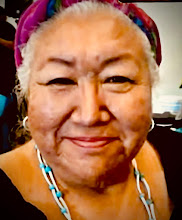 Memories of my late mother saying her dad, my grandfather taught her in a warning that the Dakota Medicine was good, but not anymore. As far back as 81 years ago, fake medicine people deceived their own people for money, power, and glory. Our grandmothers showed us through their prayers helping us celebrate love and helping us celebrate life within our families. Through my own lived experiences, I had to eliminate my own self-defeating behavior. Our people are depending on us to bring justice into our Indigenous Communities. Our Indigenous girls and women are going missing at an alarming rate and are being human trafficked. With little help in finding them or bringing their killers or abusers to justice, I started this blog. I never thought I would live to see such as year as 2023. Today, I feel blessed to be able to hold those who reached out to me in high regard. I am truly grateful, Creator’s Will guided me in my lifetime to see Nathan Chasing Horse arrested. And, yet at the same time, I grief for all his victims who died before they could see him brought to justice.

 https://abcnews.go.com/Nightline/video/dances-wolves-star-nathan-chasing-horse-accused-sexual-114067081?sfnsn=mo Throughout the decades of...