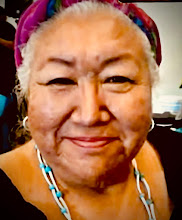
This transcript covers a wide range of personal experiences, social commentary, health topics, Indigenous issues, religion, sexuality, and criticism of institutions. Here's a concise summary:
Main Themes
1. Personal updates and boundaries
Marina opens by discussing everyday events, including retrieving her dogs from a construction site.
She explains that while her podcast content is free, she expects payment for interviews, speaking engagements, and professional consultation.
She thanks listeners, especially those in the United States, while emphasizing her identity as a Canadian Indigenous elder.
2. Women's health and bodily autonomy
She discusses hysterectomies, menopause, reproductive health, and the idea that women should have greater knowledge of and authority over their own bodies.
She references commentary suggesting modern health systems can undermine women's confidence in their own bodily knowledge.
She also talks about menopause, estrogen, insulin resistance, brain health, and lessons learned while caring for her diabetic mother.
3. Conflict with her cousin
A recurring focus is her relationship with a cousin whom she has blocked.
She describes incidents where the cousin allegedly made comments about suicide despite Marina not raising the topic.
Marina interprets her cousin's behavior through themes of jealousy, unresolved emotional issues, and internalized misogyny.
4. Indigenous perspectives
She emphasizes Indigenous sovereignty, traditional knowledge, community-based care, and Indigenous approaches to family and healing.
She discusses violence against Indigenous women and references public comments about Missing and Murdered Indigenous Women and Girls (MMIWG).
She argues that Indigenous cultural values around reciprocity, community, and responsibility differ from colonial power structures.
5. Child marriage, exploitation, and trafficking
Marina discusses child marriage, coercive relationships, and the vulnerability of women and children.
She comments extensively on trafficking, pornography, exploitation of minors, and the case of Nathan Chasing Horse.
She stresses the distinction between consenting adults and the exploitation of children.
6. Criticism of psychology, medicine, and institutions
She references an American Psychological Association apology concerning historical racism.
She is critical of aspects of psychology, social work, and medical systems, especially where she believes they have harmed Indigenous peoples and other marginalized groups.
She also discusses historical medical practices and concerns about women being subjected to poorly understood interventions.
7. Religion and power
She reflects on Christianity, Mormonism, colonialism, white supremacy, conversion, and historical oppression.
These sections contain strong personal opinions and interpretations regarding religious institutions and their social impacts.
8. Sexuality and identity
She argues for acceptance of LGBTQ+ and Two-Spirit identities.
She criticizes attempts to control gender expression or sexual identity.
She advocates for open discussion of sexuality, relationships, and personal choice.
Important Note
The transcript contains many factual claims about history, medicine, religion, psychology, demographics, and public events. Some are presented as personal beliefs, interpretations, or opinions rather than established facts. If you're planning to publish, quote, fact-check, or analyze this material, many of those claims would need independent verification.
Overall Message
At its core, the podcast argues for:
Indigenous self-determination,
Women's bodily autonomy,
Respect for personal identity,
Greater awareness of exploitation and violence,
Critical examination of institutions and power structures,
Personal accountability and self-reflection.
The tone is highly personal, conversational, and often blends individual experiences with broader social and political commentary.
Marina Crane (00:01.526)
Well, good morning, podcast world. Marina Crane here from Soutina. And it's early in the morning. Believe it or not, I've had a ti I've had time to gather my two great Pyrenees. Well, I don't know if you're aware of this, like on my Instagram account, I've been documenting the fact that every evening I have to go pick up my dogs from the construction site.
So this morning I thought I'd I'd go to Timmy's to get a copy and there they were. So I had to I had to bring them home.
That's the latest on my extr expedition with my dogs. The other hand too is like I have blocked my my cousin. I call her my cousin because her her mother is my dad's first cousin and her father is my mother's first cousin. now what I'm going to be talking about too is is the reasoning behind who she is because
I didn't really see the whole the whole nature of of the dynamics of her personality and character. But that being said too, I I just want my audience to know I I do receive emails and like I really appreciate the Americans who are listening. however, FYI, I'm a Canadian. I'm I'm an indigenous elder
living in Canada who had lived in the States for for some time. But but also understand this too. My heritage, like my great grandmother was from Minnesota and and my grandfather had land in North Dakota. So well let me put just put it this way. When you invite me or think that I'd be, you know, good in
Marina Crane (02:07.084)
being interviewed on your podcast or vice versa. no, I'm I I'm I'm grateful that I do get emails, but the reality of it is I I don't do like well let me put it this way, I do this for free but but if people are trying to to have a conversation with me or some sort of discourse, anything I do, even within the city, I get paid.
I d like when I do public speaking or group engagements, I get paid. So if you can afford me, pay. Let's do it. But if you can't, then you know, I'm I'm sorry, but I I do get paid for this. I do get paid for my knowledge. What I give out to the podcast is free. and hopefully people around the world will
say, yes, this makes sense because it does. I I didn't get to this point in my life like e like any any easy way. Pardon me. But podcast I'm gonna do today, like I went through a series of these and I do this every every day, like I I'm I'm I've you know, I've I've done I've done years ago I've done online courses and
You know, a few things that I think normally, women my age just just don't get involved with. But I I have.
Marina Crane (03:45.036)
You gotta understand too, my I'm just trying to clear up all this stuff in my my chest here. So if I in if I'm coughing away, coughing up a lung, I'm sorry. But again, good morning to Darcy and Marie and Wednesday and I c I could name the the ladies who sent me the email and I'm grateful. Okay. I think what is it, Oregon and California?
Ugh okay. Here we go in relationships with with with a female body. And this is this is a a lady who it's called Hell Motherhood. And I think I started that in terms of hysterectomies in modern day women because I think a lot of times when we as women make choices
It it doesn't re we like when I made a choice some fifty odd years well, yeah, fifty years ago, I didn't expect to to have this this
interesting journey when it comes to my body and my decisions. However it it does hold a huge impact not not just for indigenous women, black women, women of color, but also women in general. Now like I said this lady she her she's on her social media is held motherhood.
a clear to be she says to be clear it's not just modern medicine and modern medicine does have a place in women's health care. It's the entire environment in which we live that does not serve vitality and optimal health. What our day-to-day life looks like, the way we perceive and value care and tending to our bodies, it's so ingrained it's like you can't even see the color of the water has changed when you're swimming
Marina Crane (05:47.978)
in the water every day. But once you see it you can't unsee it. And and that's the whole scope of it too. I think the as we learn things and as we age and experience different things in life, we you know, we these things do do happen. Now what's the hysterectomy in this country is
A reflection of the modern day burning the witches. I think my point was missed entirely, so I just want to talk about it. What I mean is that there was a point in human history where women had such deep knowledge and relationship with their bodies, such dominion over choices like when and if they wanted children, was considered, especially by the church, sorcery in witchcraft. And women were burned at the stake for it systematically. So many women, in fact, that much
Of this knowledge was lost. Today, we still live in a world where we can feel the repercussions of that. Because the dominant paradigm of health for a woman's body is the modern medical system that believes that our knowledge of our own bodies is paternalized into some outsized source, that our uterus is an inconvenience, that is pathologized, that is suppressed, that is silenced.
Instead of us being in deep relationship with it. And I do believe that today there is a resurgence and that practitioners are remembering that we do have this sovereignty. It is our birthright as women to have this kind of relationship with our bodies. And that if we practice this kind of care, that the rates of pelvic health issues would be nowhere near the numbers that they are at today. And so this is my point: is that that we don't practice this kind of care for our bodies as modern people and modern
Modern women, and that the dominant health paradigm that we are practicing is systemically taking our power away from us. That's why, like when my cousin, who is an Indigenous health director, makes claims like coaching me to kill myself. Now, understand this too. There have been times in the past couple of years too where she were just totally talking, and out of the blue, she'll say, Don't do it.
Marina Crane (08:06.677)
And I'm going, what are you talking about? She says, Don't kill yourself. And I'm going, at what part of our conversation in the context did I even utter that I was going to kill myself? And and then for the fact that she's doing this. So this whole podcast is going to be centered around that issue and the the reasoning, in my opinion, why she sees life the way she does. And and I think it holds to a lot of women who
have certain issues and again too like I can't just go up and shake somebody and say, Wake up. So here we go.
This is let's see Angus NY So that's how can make the famous Greek Hold on, I I'm sorry, I was looking at a at a recipe for onions and bread. Okay, sorry about that. I just
Play it play it along like it's my dimension Alzheimer's. Like like you know, I mean I I try I kid you not. I I'm consciously aware that I'm aging and my brain is is you know, I'm trying to be as functional as I can.
No details on that. The American Psychological Association issued a historic line by line apology in October 2021, not for past mistakes, but for creating, packaging, and marketing the very lies that justified slavery, segregation, forced sterilization, and over policing.
Marina Crane (09:55.673)
Below is the full text of the apology, the specific falsehoods they confess to, and the biomarker receipts that prove the damage is still in our cells today.
Marina Crane (10:13.762)
The apology text, word for word, October twenty-ninth, October twenty twenty October twenty-ninth of twenty twenty one. The this is in quotes the American Psychological Association apologizes to black communities for promoting and perpetuating systemic racism.
At this.
Marina Crane (10:40.96)
We condemn ourselves for using our authority to label black people as inherently pathological, justifying segregation over policing, and forced sterilization and failing to challenge racist policies.
Marina Crane (11:03.594)
We pledge to dismantle racist structures and repair the harm by returning resources to the black communities.
Marina Crane (11:16.982)
Bye.
Marina Crane (11:24.632)
The specific falsehoods they confess to. The American Psychological Association issued a historic line-by-line apology, and here are the things that they confess to. Black people have a lower IQ. This was established in 1916, from 1916 to the 1970s.
Marina Crane (11:54.093)
Yeah, how come their apology wasn't as loud as details on that? The Americans No, her her name is Mama T-R-A-Y W-I-L-B-D-O-N. the unspell the unspelling podcast. And
Why I put this, it's so poignant to Canada's truth and reconciliation and the whole point of like everything they've done to black people in terms of the psychology association i i is is dubb is a double edged sword. Because like like I'm I make criticism in terms of white psychologists, white social workers, even white ac white academic at the university level. And even like I I had a therapist who teaches at the university.
Calgary. And you know, she she had issues with boundaries, and a lot of her colleagues, you know, would rent an office space from her, and she just they just couldn't handle working with her. Now, when I'd see her, she'd constantly write, be writing and writing, no boundaries, like it was a bottomless pit. And yet, what information has she taken with her as she's studying me?
Not not only that too, like it's a con continuous that's why it that's why I say when people send me emails and I'm going, No, I you know, you pay me. You wanna interview me, you pay me because I've had it with white women.
And and I've had it with, you know, s psychologists because the whole point of this is like what this lady said in in terms of of just you know apologizing. You know, Prime Minister Stephen Harper apologized for the Indian residential schools. So so the whole notion that, you know, something academically or psychologically or something is the matter with indigenous women.
Marina Crane (14:01.046)
And and that's my whole point on this podcast is is the reality of like what the hell are you thinking of? See, I've grown up with white people my entire life, so it's not something where I'm sort of fawning over them and try and saying, I'm sorry I hurt your your feelings like like like I said, our premier last week started crying. Like, come on, fake tears.
give you know, like I said, get off the cross and I need the f wood to make a sweat. And again to all this interesting notions of what society has accepted.
Marina Crane (14:43.35)
women are oppressed in Judaism, in Christianity, in Islam, in Hinduism. So women are oppressed in all religions. And why women should marry a young? You know, the they tried I was about to marry when I was ten years, you know, but I struggled it hard. I struggled. Child marriage is universal.
You're in China in genetics. It's like female genetic mutilation. It's like polygamy, monogamy, like you know everything, like everything related to women, it is universal because girls should marry young and the man is older to dominate her.
You know, domination. The husband should dominate. So they the girl, Mary Young. She's ignorant. She can be manipulated. women are all see, and when I when I started wondering why people weren't reporting Nathan Chasing horse, you know, see when I I lived in the States and my older brother was getting married a second time. And so I you know, I flew I well I
I drove I drove up to Canada and then and then from where I live he's another five out five hours north of here to to to drive. And I went into the community and I was completely amazed that there were like thirteen, fourteen, fifteen year olds with babies, carrying babies. Now I just thought, okay, you know, they're child child, you know, child pregnancies. But but even now, like
decades later, and you know, I'm asking questions like, why is it why is it so common that people just thought it was okay for this man who'd had already fathered over ten children, portraying himself as being single and having this
Marina Crane (16:38.554)
charisma or some sort of power over women when really it had nothing to do with him having power over women was the attitude, the attitude of society in what how they perceived women and women's bodies, like that they needed to be controlled. So that the majority of times, even when I talk to some women, I'm going, why? And one lady said, well her husband's from northern Alberta and she said even his family like when a when a girl starts becoming
sexually active, they they want to control her. So they will marry her off to an older man so that she will be tamed and listen to him about what she's doing. And and the struggle is so real.
Okay, the struggle is so real. And I think a lot of young women in these northern communities find it disheartening that they'll they're forced into these relationships li so that somebody can control them. and this lady the podcast was N-A-W-A-L period E L period S A D A W I
and Dr. Martinet, I S U I N C I O N and Liberation Psychology, decolonizing, healing the inner child. just things that, you know, like again, it's it's prevalent all over.
And so even in my podcast when I do talk about these things and I get emails saying, it was so heart wrenching, Marina Yes, it's heart wrenching, but I'm a senior, I'm not a child and that's what's so heartbreaking is that
Marina Crane (18:27.158)
people don't realize that they're doing they're when when you traffic a child that's to a to to an older person or even if a woman an older woman is trafficking that child it's it's unforgivable. It's unforgivable that because do they understand or have they themselves gone through the whole system and are misogynists? And even okay, here's a fact about women's brains.
They found that
The the the female brain, postmenopause, starts to become a little more insulin resistant. That's not surprising with the loss of estrogens in particular and just a growing insulin resistance. But that that the herp the female brain was so it was getting so energy deprived because of its forced reliance on glucose, which again has a gatekeeper where insulin needs to be working well to get that glucose into the brain, at least all sections of the brain. And and so the the brain was starting to become energy deficient.
That it started catabolizing its own white matter. Yeah. Its own physical fatty substance. The brain is a very fat organ, actually, has a lot of fat in it, in its substance. And it starts burning through its own mass in order to turn that white matter into ketones to try to make up for the energetic gap that is caused by the growing insulin resistance. I found
So this is Dr. D R period M-I-N-D-Y-P-E-L-S-Z and B-E-N-B-I-K-M-A-N-P-H-D. And so they're two the two are talking and one of them they're saying one of the most important things Dr. Bin
Marina Crane (20:20.3)
Berkman and I talk about is about what I can ha what can happen to a woman's metabolism as estrogen begins to change. Estrogen helps support the way the brain uses glucose. So as the levels shift through menopause, the brain can become less efficient to assessing the fuel it once relied on. At the same time, that woman can become more insulin resistant.
That combination can feel like an energy crisis in the brain and it's one of the reasons I want women to stop blaming themselves when their body suddenly stops responding the way it did at thirty.
This is where understanding insulin, metabolism, flexibility, and the alternative fuel like ketones become so powerful. Your biology has changed and your strategy needs to change with it. See, when I took care of my late mother, I I took care of her, I was a primary caregiver. And for like over ten years she became a brittle diabetic. And a lot of times when I'd have to call the ambulance, I'd give her nitro, like she had she wore a nitro patch.
and she also had like nitro spray and when when she would bottom out and she would her you know she would di was disoriented I I would give her juices now I had thought like okay it's important that she gets her sh her sugar down
But when the ambulance came and and they were talking to me, see there were there were a lot of things I didn't understand. For one, okay, when it comes to the heart, even though I would give my mother that nitro
Marina Crane (22:12.884)
I I really thought like, okay, it'll stop stop her heart attack. But see what nitro does, it's relaxes the muscle, opens the the vent the vessels so it's op open so the blood can flow into the heart because the heart needs oxygen. Now understand this too. When you have a heart attack, you're gonna have a heart attack. That's it. Nitrospery just opens up the heart to get more oxygen. Doesn't prevent a heart attack. So so there are certain r things that
You know, when when you're looking at congestive heart disease and and how you l understand your body, it's you that have to understand it, not your primary caregiver. It's important that everybody gets educated on it. But understand this too. When I gave my mother juices waiting for the ambulance to come and when she felt disoriented, the I didn't understand this until another pair and I got educated by a lot of paramedics and and internal specialists. I didn't
Not realize because I always tried to make sure that my mother's sugar levels were normal when she woke up. But get this, and this is why I played this one tape. The brain needs sugar. Okay? Like when they're talking about the ketones and all this for brain health. Because that you know it's like eat eating the gray matter. And but if you
they 'cause they said no, the brain needs sugar and I I think more so when and I again I'm not saying to go and drink colas or refine sugar. There are other natural ways in which you can your brain can can function without those the white substance.
So again, you know, it's important for the metabolism of estrogen. That's why when when you go through estrogen therapy, even estrogen cream for your your your female organs and just the whole nature of of taking care of yourself, because women even though women can live without intercourse
Marina Crane (24:21.076)
It's important for stimulus. The stimulus still activates the brain and the hormones and gets all the juices flowing. I'm not just talking about the sexual juices, I'm talking about brain health, heart health. Definitely, definitely, you know, things that you wouldn't have even thought of because talking about
masturbation is a taboo. You know, you're considered like a witch or even if you choose say, well I don't need to be with a man and you're you know, and the man is going, Something's the matter with you Like it you know, or you've been traumatized, like you poor thing. So I I think a lot of the conversations i in terms of what women feel comfortable in talking about
i is important. But at the same time too, I think women really need to do some self reflection because a lot of times I think we hurt each other. Like I said, my cousin intentionally telling me to kill myself. dangers of the conversion.
Marina Crane (25:32.217)
This is This is why they're so scared because indigenous culture is such a threat to a dystopian vision of the future. The reason why indigenous cultures are the number one
Of empire. It's not just the land, it is the mentality that indigenous cultures have that is a danger to all of the empire's hegemony if it spreads to non-indigenous people. So if white boys like me who happen to go to Palestine when they're an when they're an evangelical Zionist, and I suddenly I'm I'm in a village in the West Bank and I'm like, I like this. In fact, I like this better than my culture. They don't want that because then I might take that.
that mentality back to my country, which I did, and become this person who's pushing for an like you know anti-capitalist back to indigenous roots land back indigenous sovereignty thing they're scared of that more than they're scared more than they want that land itself so right this is why they're so scared because indigenous so this is X O C H I T A S E H E
She says this is what they're scared of. Indigenous wisdom is the threat to their di dystopian future. Our roots, our ancestors, our connection to the land, the water, the animals, and each other. The thing money can't buy and control can't touch. That's why they're trying to take, that's exactly why they hold on tighter. React so again she's talking about John Fitter Fitterrib.
Marina Crane (27:17.328)
Fitter lib and Bill Meyer living obituary with the Nor hadidi. So again, you know, indigenous wisdom and knowledge for these times.
So a lot of I guess what I'm trying to say too is that a lot of times people are curious because, you know, they just look at things and and you know, figure, she you know, she she's interesting. I I want I want I want to talk to her. She sounds like an interest interesting person. Okay, so again, like I I want people to understand too, like,
How many countries still allow child brides?
you know, to me to me, when I talk to people about mm like the reality that I haven't been sexually active and that I could live without like h intercourse, the reality is like something's the matter with you. You've been traumatized. You've live like projecting their stuff onto me.
And and I think that's one of the reasons why when it comes to two spirited people, I I have empathy and I can understand because they they've chosen a life. They they've they've this is they they've choked they how do I put it, this is who their identity is. And the fact that there's so many people trying to erase that, like even for me, it's like, do people believe you? They ask me and I'm going, it doesn't matter if they believe me or not.
Marina Crane (29:03.862)
And that's the reality of it, is like people just don't feel comfortable in their own choices.
Marina Crane (29:12.33)
No, here's Do you think any of this is by accident? In the nineteen thirties they were giving x-rays on every pregnant woman to measure her pelvis. And then in the nineteen forties they discovered that that caused the baby to have cancer. So they had to stop it. And then in the nineteen fifties and sixties, they had another drug called phalinamide.
which caused babies to be born without arms and legs. And then they had to stop that. But you see, in every case it was after the fact. In the nineteen nineties, they were giving cytotech to induce labor in women who had had a previous caesarean. And they ended up with hundreds and hundreds of ruptured uteruses and many, many, many dead babies.
before they found out finally in 1999 that they shouldn't do that. But you see, there's not a good history in obstetric practice of careful study of the long-term effects of all these interventions. This is why if you really want a humanized birth, the best thing to do is to get the hell out of
And isn't it interesting that the third leading cause of death in the United States is medical malpractice? But they're not still using people as test subjects and guinea pigs today because they would never force people under duress in fear of losing their whole livelihood to take an experimental vaccine that would cause turbo cancer, mitochonditis in children, and all these other horrible side effects that kill them right away or eventually will kill them in the imminent future. No, they didn't know that was gonna happen.
When you walk in those doors, ladies and gentlemen, you're handing your life over to these people that in the end, I don't know if they really care about you, because just go look at COVID in 2020. They went along with the plan because they were only doing their job and they believed what the Rockefeller medicine and Rockefeller curriculum was telling them to do. It makes you think, are people still their test subjects and their guinea pigs today? And is all of this on purpose?
Marina Crane (31:28.268)
That handle is A N E W R E A L I T Y twenty two. And like when I lived in the States and I had a roommate, I think she said she had to she was in her early twenties and she said if she ever hoped to have a child, she needed to have a child as a young woman because her mother had taken some medication when she was pregnant.
And it created a lot of birth defects or something, but she had developed something that limited her window of of pregnancy. like I like a lot of times, you know, women take were taking things that they thought like this fellow said, you know, all this experimental stuff and it had extreme side effects, like e even x-rays.
And and like for me, I I was born my grandmother's
I I was born with a midwi midwives who gave gave me li like took they helped my mother birth me in forty below weather and I was breech birth. I went came out feet first. My one of my nieces sh well, most of the young women in my community try to have home births. And and and and and that's the thing too, is we're getting a new health center built. It would be nice to have
midwives helping give birth to our children in in centers in our health center. Like I said, having sovereignty over our children where we can have births within our communities like we did hundreds and thousands of years. And even, you know, having group homes or group shelters, like because we're a collective holistic culture.
Marina Crane (33:20.98)
Again, this is sovereignty over our own child and family services, which is part of that Bill S six two that's coming out in Canada. And again, American people who are listening, like I I know these concepts are foreign to you, but this is how we live in Canada. And again too, it's
I I really appreciate the fact that a lot of young Indigenous women are choosing to have home births because again, I like I was so brokenhearted when I worked with a young woman, her child her five of her children were apprehended. She chose not to get married, she chose so her children could be nation like have membership, wouldn't lose their status. And she was pregnant, went into the hospital,
gave birth, she didn't even see her baby. Child and family from the Alberta services just took her baby. I was shocked when I heard that, 'cause I didn't think that was happening in this day and age. And within two months she died of a broken heart.
And all of her children now are like in foster care or probably up for adoption. Like I said in my previous podcast about a month ago, one of the ladies said she was looking her and her partner were gonna adopt and the the adoption pool was all mostly indigenous. And this is in twenty twenty-six in in the city of Calgary. And I anyway, you know, as much as I mention it to politicians
you know, get people to understand like it's fourth gen fourth world concepts are different in terms of what indigenous women are facing as well as children because we're the most vulnerable. But here's something about native men.
Marina Crane (35:12.118)
One of the biggest discernments between us and Western patriarchy is that native native masculine identity isn't it's not about dominion, right? And really I think back to my history and being raised on the reservation where I was really I was really
you privileged to be a part of a generation, my dad and his generation who were revitalizing a lot of things in the community. But through that whole process, through through, you know, this men's circles and gathering and throughout my twenty something years of traveling native country, it's it's it's it's very clear that that indigenous masculinity is is rooted in reciprocity. It's it's rooted in in protectorship. It's rooted in understanding that we have a a very sacred role within this this greater, you know
web of life here and you know one of the biggest discernments between us and Western patriarchy is that native native masculine identity isn't it's not about dominion right over land and women. It's it's it's one that's in service, that's understanding reciprocity. And so it's a it's a sacred role that the man must have understanding this first the vision that he has, but also understanding the steps that he has to take in order to fulfill that vision.
Which is this place is in community one of the biggest discernments between us and Western And that's called our sacred lessons and that's his handle. And so like I sa he says Western f patriarchy like he's talking about how he how he saw things and how he was raised. Again too, a lot of these things too
like he says he cites that stats in his work that's why he does the work he does on men's healing
Marina Crane (37:07.358)
And pre-colonial indigenous male kinship teachings, Western patriarchy, attitude and behaviors have infiltrated indigenous people for centuries. There is a movement for Native men to reclaim our original roles alongside the women in our communities. And Native women are asking for this for decades. It's easy to not see the movement happening when one isn't involved in Native communities day to day.
So that that's why I when I talk about the difference in people pretending to be indigenous, because there there is that day-to-day involvement with one's community that is so vital to he the healing practices and even what native men are becoming. Okay, now this one has to do with pornography and a lot of times too, I didn't understand
Like I said, I was very naive in terms of people having access to pornography online. And like like I'm I'm talking I was so n naive because I the only time I ever had really talked about it academically was in the seventies and seventy six and even that it wasn't like something in my study cur w study wheelhouse.
Marina Crane (38:29.962)
So this one Human trafficking of porn. If you're a porn addict, you'd most lik be pleasure
No, I don't know if it's gonna come through the
Seems like my internet's acting up once in a while here. So to a real victim being gripped. Did you do this intentionally? No. You think it's just a video? It's all acting. That's not true. From like 9 p.m. till four in the morning, I was right. They they took breaks and and told me I had to refilm sc scenes. I tried to run naked from the hotel room at one point. I was physically shoved back and there was someone outside of the door. I didn't even make it to the door. In the context of years in the fight against sex trafficking, so I had been fighting
Sex trafficking when this began at the start of 2020. this was February 2020 when the the fight to hold Pornhub accountable for rape, sex trafficking, child abuse began. One of the stories that came up at late 2019 that really arrested my attention was a story of a 15-year-old girl, and she was from Broward County, Florida, and she was missing for an entire year. And she was finally found when her distraught mother was tipped off by a pornhead user that he recognized her daughter on the site.
And she was found in fifty-eight videos being abused for profit. These are monetized videos. police, you know, were dispatched and they actually rescued her out of his apartment. She had been impregnated. How does an addict even get to the point where they see one of these videos? We build a tolerance to regular vanilla videos. And in order to get the same dopamine high, we need crazier and crazier content. The more perverted and taboo the video is, the higher the high. And then afterwards, when the post-night clarity kicks in, we're filled with guilt, shame, and regret.
Marina Crane (40:11.24)
We make a promise to ourselves that we'll never watch that again. But unfortunately, new neural pathways have been formed in the brain, and eventually we'll go back to the same filth chasing that same high like a drug addict. What are the spiritual implications of masturbating to a video of a real victim who's been human-trafficked and graped? Even if we're completely unaware of it. We think it's just acting. Unfortunately, we're becoming demonically possessed. How? These screens on our devices are black mirrors. There's an ancient practice called scrying, which involves staring into a black mirror in order to summon demonic entities. While watching porn,
We're orgasming while staring into the portal of a black mirror. The eyes are the window to the soul. We're inviting demonic entities from here into here. Because we are participating in a ritual of PMO, which is porn, masturbation, and orgasm, while viewing something truly evil. Even though you may not be aware that there's a real victim in the video you're watching, you're still consenting to it by participating in it via PMO. It's a spiritual ritual, and this is how you get demons. And that's why you keep going back to the same filth over and over and over again. If you resonate with this video, you're not alone.
I'm speaking from personal experience. So what do we do? First, we need to pray to God to help all the victims of human trafficking. Second, we need to stop watching this film. How? Well have you finally had enough of the shame, guilt, and regret? Sign up for my pornography addiction recovery course where I give you all
Now again, I'm sorry if I he he's bringing in God into this because the to me that's a bit heavy handed. Sorry to have brought that in. But his his whole handle too is white magic tiger, like excuse me, the only reason I thought this video was important was because of of the the women who had been videotaped.
in in porn and trying to escape. So, like I said, I didn't even know that you could access porn until the pandemic. And and even then too, like I I didn't even know the extent of how
Marina Crane (42:10.466)
barbaric some of the images are. I have a childhood friend who worked in customs and she talked about like the magazines that they'd have to confiscate at the borders or when flights came in from different parts of the country, like different different nationalities and what type of porn they had on their person. like it's like I I don't like the word diabolical, but when you have like like I said
I'm sorry that the that I played that part about you know this demon and the black screen and shit like that. That to me that like that's just an excuse. I when when a person when a person realizes like what you're watching is is a victim. And and in in some cases, like even when a victim is scared, they they they will participate.
And and I and I've watched. Like I like I said, I I didn't know you could have access to it or what it is and and like I like when I look at it I'm thinking there are eight billion people in this world. Eight billion and the fact that porn has been around like I heard about porn in the seventies.
And understand when I was a teenager, like when I was fifteen, the only soft porn was like true confession magazines where they talk about you know finding messing around. Th it it wasn't it wasn't graphic. Even Errol Robbins, like the author, I I didn't understand the soft porn of that literature.
until I actually read it in my twenties and I'm going, my goodness.
Marina Crane (44:01.962)
Or the Happy Hooker, that was a that was a book in the seventies too. So so a lot of these things like when when when I read certain things it stays in my mind and and I thought, my goodness, I I I really have to choose w what I want to read. But it's the same concept in in terms of I I don't think watching it is has the same degree of actually reading it. but I do know that
that when it came to Nathan Chasing Horse and the hundreds of video that he had of of children and and the fact that they they were able to to figure out which hotels in Las Vegas he'd actually had been taping. And the fact that the hotels or the casinos of the hotel would w knew him.
Like well, like I think in Las Vegas they have what, forty thousand like it's il it's legal to be a prostitute in Las Vegas, so there are forty thousand prostitutes. So again, th this is consensual. When we're talking porn and children, that's non consensual. That's non consensual. Big huge difference. And so that's why when this fellow is talking about like you know, this addiction
he's not being specific in saying that he's addiction to addicted to child porn. So let the buffalo walk so anyway, I I just wanted to make that connection that that s the well obviously people would know like I I I I know the one of the ladies who had been
in the cult with Nathan Chasingorse had said we were drinking the Kool-Aid and and she had to help the FBI and other agencies look look at you know to try and identify where the rooms were. And like I said here in my community that young woman who she met him when he was she was fourteen and the week after she turned fifteen had taken her three times and videotaped her. And and the fact that there were videotapes of him
Marina Crane (46:23.394)
with children. And that the probability of him uploading them or selling them, you know, to feed hi na I'm talking about Nathan Chasing who is uploading and selling these videos to porn hubs. Like like even in the story like the the one young woman who was missing for a year, they found her because somebody I de I had seen her in a porn video.
and again, like I said with indigenous kids, the average age the targeted age is fourteen. And and even how they groom them to to have so many partners in a day. I I like when you're talking about energy balance and like just constantly having sex, their bodies heat up.
And then after like four days or so they put them in the room for their bodies to cool down. And if their bodies don't cool down, they end up dying. And these are children that are being groomed and so that their bodies get used to having s many sexual partners. And no doubt, like at that point, they they they get videotaped for porn. The the industry is so intense, like a like
Like I was talking to a fellow when he was a young man, I think a teenager, he says he said he w he saw porn and he says it was r it was really hardcore porn. I can't even comprehend what hardcore porn is, but this was in Europe. And I do know, like because my childhood friend worked in customs and you know, just the the degree or the like
Like it's it's really gr like it intense. It's intense. And I think for me doing my podcast shows that how naive I talk about this. Because I am naive. But yet my naivete is is is sort of like the red flag and saying, Wake up you know, like, Hello You know, like like when my when my cousin says to her her her granddaughter, You're a girl, you were born a girl and you'll always be a girl and I said, Wait a minute. No
Marina Crane (48:46.272)
I said if she wants if sh whatever she whatever gender she chooses to be, she will s I was still I will still acknowledge her. I said there are eight billion people in the world today. Not all people are are living like this this life of heterosexuality. Not not all people are treating children with respect or women. And and and that's why I said, How many countries in the world still allow
child marriage. And even sp in the United States, how many states still allow child marriages? And in northern Alberta, how many First Nations, anyway, Metis, still allow children to marry adults? Or like they give them away and live common law? like it it like again, when I was young and and I was sexually active, I I d you know, I did
I sensed that these men were not like they I I knew that they maybe they were married. I like I didn't ask questions. But but the reality of it is like today when when you have when you have ages eighteen to twenty four on the software porn I don't know w I forget what what app it is, but
fans only and they do this porn. The the the women who make the most money are eighteen to twenty four year old females. But get this the audience, the men who buy the porn are eighty million Americans, and those eighty million are married men. So when we're talking about what women give in terms of relationship with their partners, at some point
Where do women stop where do women say to their partner enough like that's it? Or are they so blind and don't want to put boundaries down and give all that away when they are mothers of ch of boys and girls? 'Cause understand this, this sex trafficking isn't just with girls, it's also with boys.
Marina Crane (51:10.048)
Like understand this, the Republican Party when they have par when they have conferences in huge cities, that grinder website crashes because there are so many religious men, Republican men, who are setting up dates with other men. So the more we have conversations of bisexuality and what is healthy human sexuality, hopefully men will be a little more comfortable.
With their sexuality. And so they're trying to coerce women for some because what they feel shame and guilt that they're bisexual. That's that's just my opinion and my theory. And hey, what can you do? I live in a shoe. And as the fry bread burns will say the soap opera, because sometimes I feel like my podcast is a soap opera.
because like people are go peeking into my world and going, my goodness, she's how old? She must be suffering from dementia and Alzheimer's. Okay. Topic justified white supremacy. Hey. What can you do when you live in a shoe?
It had to be. Because how else could you justify in your mind, I'm gonna take this land from these Native Americans and then I'm gonna bring slaves over and I'm gonna steal their labor? There's no way to justify that other than God really loves me and He doesn't really like those folk as much. And and as a result it's okay for me to exploit them. How how is it justified? Is it justified by racism or something religious or how is this justified in the cultural deep ancient mind of the people that who did all of these actually? I really want to understand. Okay, so the
idea of white supremacy has a really fascinating origin. It actually starts in Spain. United States is definitely see, wouldn't he this this is his handle. V-E-E-R-N-E-T-W-O-R-K.
Marina Crane (53:19.936)
Like y like when you look it up and you'd look at the conquistadors or you look at Spain and the S like the conquest or the what what they they murdered and killed a lot of Catholics? Like because Catholicism was rampant in Spain. And understand this. When when a Mormon couple get married, they're they're they're married in the temple.
and and so they're sealed for time and all eternity. And at the same time too, their children, when their children are born, they're born in the coven. And so again, I'm talking you gotta think of this as abstract, okay, 'cause I'm using this in terms of Catholicism and other religious dog doctrine. So understand this. It so anybody who who is not Mormon, who who doesn't who's who does who doesn't practice this in church and and
every in every doctrine there because they call themselves a convert church, like all religions are convert churches, including the Spanish Inquisition in the 1500s, was based on conversion. And who did this who did the Spanish Inquisition kill and murder in the millions? They they did that to other Catholics. But it was a specific group of Catholics they killed. They killed the converts.
They kill the converts that were Jewish and Muslim who convert converted to coloss colo Catholicism because it in their notion, like we're we're doing you a favor. We're we're gonna murder the bejesus out of you because hell is worse than what we're gonna give you and we're sparing you. So so understand this in terms of Mormonism.
you know, the it's a convert church. So when they're converting indigenous people, Native Americans, who they call Lamanites or even black people, and and understand the notion of black people too, because it gets a little horrific here too, okay? Understand this. Those are converts in the Mormon church. That means there's no value in them because they're not born of the coven. Okay? White supremacy, they're not born of the coven. So they're expendable.
Marina Crane (55:42.041)
You know, poo-poo, right? Because they're not gonna amount to anything because their skin color. Now understand this in th which is a little different than other doctrine in k in in other religious formats. Mormonism believes that there's a planet out there and and that there's God who has thousands of w ch women who he impregnates
And those children, he plants them all over the universe and galaxy, you know, billions and billions of lives he's, you know, implanted all over the world. And and lo and behold, there's Earth. And he sends his his the these spirit beings, these the the ch It sounds so preposterous, but I'm telling you, when I I can this is really uncomfortable me to talk about.
When I was fifteen I I I was in an Indian residential school and there was a busload of us where they were called the Singing Indians. Okay, get this. Really? That's what we were called from Portage La Prairie.
We to came on a bus from Manitoba all the way to Disneyland in California. En route we passed through Utah and I remember stopping where they stopped at the bus depot in Salt Lake City. We all got out to stretch and lo and behold, there were a whole busload, a skiing trip of white Mormon teenagers. I'm a teenager too, okay? So I'm looking at these white kids and believe me, I was appalled.
their sexuality was so extreme. You know, and and in hindsight, like I spent over ten years in Utah. I went to Brigham University, I studied all their scriptures, and yet there are some things I didn't know. Like about that planet out there that is you c y you gotta you gotta really, you know, look at it because it's it's outrageous. Understand this. The people who are born of the coven
Marina Crane (57:47.189)
are are God's chosen. Okay, so that means those white people who are Mormons, they're not from Earth. They're raised to believe that they're aliens from another planet. And of course, you know, when I look at it as a teenager and I see all these white kids, you know, just openly hugging and kissing and you know just h like in in it in public, i in the bu in the bus terminal
And I'm going, how could they be so openly just sexual? Because they're they're raised in the coven. They don't see themselves as human beings or with any consequences because they're aliens. And they've been indoctrinated into Mormonism to to know that they're the chosen people, because they're in the true church.
And anybody else who's watching, especially me and any other Native Americans who are in that bus depot, they're they're they're performing. Because w we're we're we're we're nothing. We're the Lamanite. We're we're we're on the planet Earth. We're we're we're we're in hell.
Planet Earth is is not a good place. We're the bottom of the pyramid here. We're in the caste system that's the lowest of the low to be a human being on Earth. Whereas the chosen who are in the coven are aliens who were implanted by their Heavenly Father in some planet out there.
that that has thousands of wives who spreads their seed across the universe. I kid you not, if you think I'm bullshitting and lying, look it up. I can't even remember the name of the planet. And and yet, okay, understand this. When it comes to conversion and like I say, the Spanish Inquisition and and I talk about Mormonism and even right now what's happening in the United States with ICE
Marina Crane (59:54.197)
and and people looking at the indigenous people who were were born and raised for thousands of years in the Americas as still being of the earth at the bottom of the caste system that we have to be to shift away to Panama or someplace. That that whole concept is still in place with Republicans or just
in terms of s white supremacy, it's so sickening. It's so sickening because again, this is a religion that was created
recreated by a a man who has been documented as a pedophile. And and this whole notion of the you know, everybody who is born in the coven are are aliens and and that eventually when they you do all this work on earth you're protecting yourself from from pagans like the Lamanites and the blacks because you know well we we we weren't part of that whole conversion because we chose to fight with
Satan. Yes, believe it or not. I mean there's a reason why I do my podcast and I talk about cults. I went to a ritual abuse conference at Brigham Young University and there was a lady there who had 30 documented 30 personalities
her father and her brother and there was a whole small group of to of people in a small town in southern Utah who were culted like they I mean Mormonism is a cult to begin with. But but just ritual abuse to the point of killing babies and impregnating just like when we talk about trafficking, this was this was within the congregation where they trafficked children within within their circle of
Marina Crane (01:01:53.561)
priesthood holders and women who y anyway, you look at all all the stuff that they have about Mormonism, i it it's it's it's really
Like you even look at the town of Provo, Utah where they have where there's Brigham Young University. That that town in itself is like Shangri-La because people who who rent understand, millionaires, like ex really well to do Mormon people send their children there and they want them to be protected.
They they make sure that they they shop around for the best places to rent the houses off campus. Understand this. When when you're renting and and you're making sure they're gonna live by standards, standard means no sex. Okay, so you sign this paper at Brigham Young University, you're not gonna have sex unless you get married in the temple, la-di-da. Okay, so the so the landlords and the people who are renting
know this. And even even people who are students at Brigham Young University know this. So if you have a vendetta against your roommate and you're both attending Brigham Young University, you can snitch on your roommate and have them excommunicated and expelled from Brigham Young University. So so the the notion of like you know purity and piety and all that is is is is like a fallacy. It's a false notion of safety.
Because once you leave Provo and Oram, you're in the real world. You're in the real world of generations of Mormons who who are alcoholic. You know, have there's rodeo and buckskin bunnies, you you name it. And Utah is poor, okay? like I I I'm sorry. You had to live there to actually experience it, and I did, and I'm grateful that I have. And
Marina Crane (01:03:52.649)
whatever I can do to to ease your mind that you know there there were good things I mean there are good Mormon people too, just like there are good Catholics, good Anglicans, good Jewish, good Muslim, good h Hindus.
I'm just saying the the more you understand a per a a a group of people and you and you and you're not like being naive about human sexuality, th you know, it's it's a tragic tragedy because in the long scheme and run of things, it's how we treat each other. And and so I go back to my cousin, the one who had been coaching me to to die. Like I said, even th before, like
You know, you had this one, two, three strikes, you're out. Well, believe me, I'm not waiting for the third strike. And like I had said before, there were other times when we'd have conversations where I'd debrief with other people. I said, Sh yeah, she told me not to do it, and I was wondering, what is she talking about? So well don't kill yourself and and even then I confronted her and said, At what point in the conversation did you think I was talking about killing myself? I said, Why do you think this? I didn't say nothing like that. And then and then for me to talk about
like as you age and you you either quit your job or retire, that it's important to enjoy the the last years of your life and and that's in some countries like well I said Japan and sorry to my Japanese audience if I misunderstand this or misconstrue it, but the whole notion was that the suicide so that your children and your aunt your grandchildren can take your property and and like
and your and the business and and and thrive from it so so that you're you're re so that they fill that void that that you left when when you've killed yourself. again, that that's a value and belief and and commendable because out of all the countries in the world who the d birth rate has dropped
Marina Crane (01:06:02.818)
The reality of like this is a very ancient civilization. So it's not something like a a conspiracy theory or something new. Now, again, this other thing that I'm going to play has to do with infidelity, because my cousin had an affair for over a decade, I think 17 years with a married man.
And and it plays plays into context of how she sees women. Because understand this, she quit her job and in her community the chief is a young woman who is a who is a lawyer. And in the community where my cousin comes from, her her chief is also female. So you know, when we talk about women and we talk about misogyny and lateral violence, I want you to think about
this whole point of self respect and fidelity and how women who cheat who who cheat with married men their their mindset. So hopefully this gives you some insight into my my cousin's life and other women like her.
Marina Crane (01:07:17.302)
It says when a wom this is a vulnerable understore understore underscore gangster. When a woman desires another woman's man, here's what's happening. It's not that she is in love with him. It's not that she finds him fascinating. And it's not that she would want him if she he wasn't this other woman's partner. Let's break these down one by one.
One, she doesn't love him. Contrary to social belief, love is not something that happens out of our control. It is something we create by the way we think about someone. Why most people don't fall in love with a married man or women or w woman is su is because in their minds it's not an option.
They don't create romantic thoughts about them in their minds, and therefore no romantic feelings. It is our thoughts that translate into feelings, and our thoughts are conditioned. What we are attracted to and what we are repelled by is programmed into us by society, trauma, and belief systems.
The reason such a woman starts having romantic thoughts and feelings about someone else's man has more to do with their partner, the other woman than him. She has a negative admiration for his partner, AK jealousy. So in other words, my cousin was jealous of this man's wife.
And she wants what she has. Now understand, this man that she had an affair with was a very handsome traditional man who had was one of the first indigenous police officers in Winnipeg. And then later when he married he stayed in his home community. Now th she cannot admit that she wants to be like her. So in other words, my cousin could not want to admit that she wants to be like
Marina Crane (01:09:34.809)
His name was Frank, like Frank's wife. So she has to unconsciously, unconscious, or this unconscious urge to prove to herself that she is better than her. And what better way to achieve that than by making this man leave his woman and choose her instead?
And the thing is like even in the conversations I've had with her when she disclosed she was having this she had this affair, mind you, the fellow has passed away now. His his widow is still alive. But the reality of it is like she says, it was it was so good, Maureen. I wish you could have experienced what I experienced with him. And and she says, But you know, the things that she couldn't do for him which makes sense in what they're saying here about about
Her and women who the infidelity. Number two, she does not find him fascinating. So, in other words, it's a fallacy when she sees Frank as something fascinating. She is actually fascinated with his woman, and what makes him fascinating is her thinking what does that woman see in him? He must be special if she loves him. Now, this woman, you know, she had children with him.
And she's a traditional woman. I don't really know her, but but again too, here's my cousin. But of course, this is unconscious to her. That's my cousin. She protects her own insecurities and self-hatred onto other women to feel better about herself. And she had said this to me at one time. She says, Marina, I wish I were you. Okay, so a lot of things have been adding up
s you know, consciously about why I've chosen to just not be a friend to her and to not have contact with her. Now it goes on to say, and she then on is on a mission to prove to this man that she is better for him than his partner. And she has said that. She said, we have you know, intellectual conversations, like trying to prove that she's better than his his wife. Number three, she would not want him if he wasn't
Marina Crane (01:11:51.245)
this other woman's man. Okay, so again, you know, if he was single, sh she wouldn't be interested in him. Sh had she met this man in other circumstances, she would not have the same interest in him. He got the credit points in her eyes from his connection to this woman she is jealous of. See, and that's the notion.
That is the critical notion is that she doesn't she's unaware of the jealousy she has towards me, j jealousy she had towards her her the place where she worked, the female chief, or even the community where she comes from who has a female chief. She can't even comprehend that that like
that she is jealous. A woman in her d a woman in her dignity, self love and acceptance would never want another woman's man. Only to only a an insecure woman, a jealous woman, a wounded woman, who never grew up with being a spoilt child will do will do that.
who grew up from being a spoiled child would do that. Okay, so she was a spoiled child, a wounded woman who n who never grew up from being was never a spoiled child. sorry. I'm reading it wrong.
So yes, d but see this is the whole thing is like she she met the man in other if she had met him in other circumstances she would not have the same interest in him. He got credit points in her eyes from the connection she connection to the woman she is jealous of. And the thing is even though they they she stopped having an affair with him, the whole notion of the other woman, the whole notion of the other woman she has carried and still carries for decades. This
Marina Crane (01:13:49.171)
misogyny she carries. I mean it it's it's it's amazing that she hasn't sort of let go of that. So it's the little girl who has
who was used to always getting what she wanted and her self worth was tied to her possessions is the woman who will want to get whatever another woman has that she thinks she doesn't. Like even in Indian residential school, bless my poor mother. You know, she bought me some perfume. It was beautiful scent. And and you know, and the thing is like the girls in Indian residential school they'd steal it because they they wanted it. And I mean I I mean I
I have I have a story of stealing pennies. So you and the lesson I I was taught by by
from from that was a lifelong lesson. But it i it and it's it's amazing because, you know, I I learned that as a child and and here's my cousin who still hasn't learnt this lesson. So because she has to have something she wants and she has to be the best. And she's cause she's always saying, I I have a degree. Well poo poo, hello. You know, this young chief that she that sh that was her boss is a lawyer and
You know, and the female chief where she comes from in the community, like sh she's female. So if you are a woman who experienced betrayal and want to see it, you can save your relationship and rebuild trust and connection with your partner. So like see the thing is the it's like the
Marina Crane (01:15:35.169)
you you y you like trust and connection trust and connection with men that's that's the bottom that's the bottom line and like I like I said to my cousin I I'm grateful that that that I I have the respect of like I've felt the respect of a man and that it's important it's important for women to have that to
feel that warm, fuzzy feeling of res of of respect. And and the fact that she has it and she's projecting all that hate onto a whole bunch of other women other than myself. But the fact that I know her intimately makes makes it dangerous because like one of the young women says, well who can protect her? If she's thinking this way, she's looking at her own self-harm.
And there's nothing I can do 'cause I've tried to talk to her. Like whenever she's said things like, don't do it or like just just the the the how she sees herself, even in like just being tired, like exhausted, I c I call it battle fatigue. But she's sixty five. And and like I said, for decades she hasn't gone to therapy or looked after her mental health.
The next one has to do with today is a bad day.
Marina Crane (01:17:11.768)
That's Nahani Fontaine.
Marina Crane (01:17:22.856)
Every day, indigenous women get up across this country from coast to coast to coast. Every single day, MMIWG, two us families get up from coast to coast to coast to talk about.
The savage levels of violence against indigenous women, girls, and two-spirited. Every single day, there's not one day that our women don't get up to demand from governments, from every level, from society.
To protect Indigenous women, girls, and two-spirited. Not a day goes by that we don't ask for that. And today is why. Today, what we learned today is why we ask people, why we ask governments, why we ask politicians of every stripe to protect Indigenous women and girls and two-spirited.
To give the resources to that social service infrastructure that helps protect Indigenous women, girls, and two-spirited. There are consequences, and there are deadly consequences when we don't prioritize the protection of Indigenous women, girls, and two-spirited. And today is one of those days.
This morning I sat at eight o'clock in the morning with the family of Morgan Harris. As Bernadette and I have done for many, many years. Sat with MMIWG families, not only here in Manitoba, but across the country. As they've had meetings with police, as they found out details, as they were notified of the of the death of their missing loved one. It is devastating.
Marina Crane (01:19:37.484)
devastating to see the heartbreak from family.
Marina Crane (01:19:50.73)
It's devastating.
To be standing here again, to be having these conversations again. It's devastating to be standing here begging society to take this issue.
Marina Crane (01:20:14.612)
Seriously.
Marina Crane (01:20:22.444)
This individual went on a killing spree. He targeted and slaughtered indigenous women because he knew or thought that nobody would care. He targeted the most vulnerable of our society, those that we should be protecting the most.
Marina Crane (01:20:52.8)
And he treated them as if they were garbage.
Marina Crane (01:20:59.822)
Our women, our little girls, our two spirit, are not garbage. We are not disposable. We are sacred. And we're loved by our families. And the families that were mentioned today are no different. They loved their loved ones.
And I I want to say that I am grateful to the Winnipeg Police Service. I'm very, very grateful that they were able to arrest this monster and get him off the streets on May 17th. God knows what he would have done in the span of just several weeks. He slaughtered four of our women.
So I know that the WPS are looking for information on the fourth young woman that hasn't been identified. I'm encouraging folks to come forward if they have any information so that we can at least ease the pain and the suffering of another family here.
Marina Crane (01:22:15.854)
That is n Nahani Fontaine. She's a political leader in the Manitoba legislation. She MDP MLA for St. John. And this was something that gives you raw that like when I talk about indigenous women and our consciousness, it's the reality of the things that we have to face.
and and how we talk to other Indigenous women in terms of gaining support and traction in in dealing with this. And so a lot of what I talk about when I say in terms of healthy human sexuality is is the notion of identity, the notion of why we are who we are today. And especially when it comes to how w we ourselves have neglected
Yeah.
our own spiritual self and and no matter how much we if we don't have the capacity to do self res self reflection or understand that we we need somebody's help to to understand our our our mental health. It it's it's one thing for like my cousin, to to be so battle fatigued that as the decades went by she neglected she neglected her her
Like who sh who she sees in terms of respecting herself as an indigenous woman and and even the rigidity of it, like there there has to be some flexibility. And I truly believe as we get older as Indigenous women and and men.
Marina Crane (01:24:07.896)
That we have to have this flexibility in in understanding that we're we're we're how we grew up is different from how the next generation is growing up. And even how to talk about people and deal with things. Like like even talking to another person about my cousin and they're they're worried about her, and the reality of it is like
Like for her for me to give a background and say, No, I I do reach out to her, I have talked to her, I'm not getting through to her. And and for her to be at such a low point in her life that she can't see indigenous women like the accomplishments of indigenous women.
Marina Crane (01:25:00.436)
And and the notion that like why did she why did she do what she did and understand like her point in in
envying and looking at a man's partner.
And that she it's reciprocal. It's it's the ripple effect 'cause I don't even I wasn't I didn't know her then, but I'm feeling the ripple effect from something that happened decades ago because she hasn't let go of it.
Marina Crane (01:25:45.072)
Okay, let's see if I can get this here. Mother says We're gonna kill up. They don't know their own history. So they're gonna learn today. They're gonna learn today. So Mother says, now that I have all of the information to give your audience the full, honest, documented picture, let's go. The story America, who were the Amer the European peasants?
Who came through Ellis Island? The story America buried inside its own origin myth. The numbers first. Ellis Island operated from 1892 to 1954. Did y'all know that?
Marina Crane (01:26:35.835)
Peak between 1900 and 1914, approximately fifteen million people came through. Fifteen million Europeans came here. All the way up to nineteen fifty-four. No visas, no passports, no nothing.
Forty percent of all Americans alive today are descended from someone who passed through Ellis Islands. Which means their history in this country didn't begin until minimum 1892. That is not a footnote. That is the foundation of what America calls its white majority, which we all know they're not they're not the majority, right? They don't know their own history.
So that's Mama Trey Rip ribbon. That's M-A-M-A-T-R-A-Y W I L B O N. And okay, so understand this, like what she said, 15 million, 40% of the population that's European, that came in with no passports or anything. Understand, I'm I was born in nineteen seven fifty-two. So like
Like that like that's like seventy seventy five, seventy six years ago. That that's just a fresh population of Europeans in in the United States. Now get this too. when when you look at the population of black Americans
I think it's the same population as Canada. It's ten percent of the American population, which is equivalent to the Alberta the Canadian population. So imagine the whole country of Canada being black. Now you take that population and you look at you do the DNA of all the men. And understand like when they do the DNA of black American men, 70% can trace their DNA back to their fathers.
Marina Crane (01:28:48.451)
like their father's grandfather. Okay, and understand this, like like say say someone came from Nigeria and came into the United States and that parti the the grandchild or the great grandchild could do their DNA, they would show that the great grandfather came from Africa. I mean, even though like okay, what am I getting at? The majority, seventy percent of black American men
their their genome, their their the one that's passed down from father to son is European. So a lot of this European influence in the United States of America has has been infiltrated by slavery. Like understand, when they stopped say slave slavery, they there was a hundred years of just breeding farms.
And it those breeding farms created bot they were European men impregnating black women. And and so that's why the majority of black American men have their connection to white European men. okay, so all this in terms of having slaves.
And again too, when we talk about that, we're talking about fancy boys and fancy girls and human trafficking. And then it even goes into like native the indigenous population where where they tried to create slaves out of out of indigenous children. And and so the whole hush-hush of of the Indian Act or the the grooming of of minorities is has been tried has been trying to be erased.
with people who are denying denying Indian residential schools because the the the sugarcoating i is slavery or possession or or the taking of land or or the domination of of like like I said marrying marrying children. you know the the whole notion of that is is based on Europeans.
Marina Crane (01:31:03.339)
So I mean you can criticize me for all that you want to, but it's in the DNA. It's it's in the DNA when it comes to tracing the origins of the the male genome. And and even the things too that are that are most popular in terms of bloodlines and stuff like that when you follow the matriarchy. So anyway,
I hope this podcast has been interesting to you. like I said, I I know some people are interested and have been listening. And again, there there's reasons why my cousin is who she is today. And it's not just the fact that she's indigenous or has an education. I'm talking about other women too who have had affairs with men.
who who d you know weren't interested in the man, they were interested more in his partner and the possession of why she would be interested in such a man. And if he were single w would would of my cousin have been interested in him in the first place. So these things like are important. And I'm just grateful for the decisions I've made in my life. And like just
The reality of like, no, I've I've had to just step back and not participate. Because in terms of participating, I I would have I would have been a misogynist. And I maybe in some degrees I I am in some ways in some things, but I'm willing to work at things and understand why I do the things I do, or even to understand and help myself be a better person and and navigate.
navigate the things that are important. Now I think what's important in my podcast is is for you to like really look at my podcast when it comes to erodomania and limerence and also the the the versions of how minorities look look in terms of we'll call truth and reconciliation in canada or or cross-cultural orientation in terms of systemic racism
Marina Crane (01:33:27.895)
Okay, big words, big words. but again, like I said, I'm really grateful that people have been emailing me. I appreciate it. However, I do this podcast for free and and if you want to invite me, it it costs money. I I I like I like I said, I go to meetings in the city and I get paid. And
Rightfully so, because in in some ways if I didn't get paid, people wouldn't really value my words. Okay, have a good day and it's
Marina Crane (01:34:12.323)
The twenty third of September.