


This was my experience in confronting Nathan Chasing Horse in 2007. He had no compassion for his victims. His propensity for girls started being more openly displayed by the summer of 2007. Documentaries, Articles, Indigenous Podcasts, My Podcast is under construction. Archival documenting yearly posts posted with transcripts will be published here. I’ll also link my YouTube videos associated with each podcast published. I also created a link to my GOFUNDME account. I may link my TikTok account
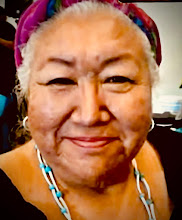 Memories of my late mother saying her dad, my grandfather taught her in a warning that the Dakota Medicine was good, but not anymore. As far back as 81 years ago, fake medicine people deceived their own people for money, power, and glory. Our grandmothers showed us through their prayers helping us celebrate love and helping us celebrate life within our families. Through my own lived experiences, I had to eliminate my own self-defeating behavior. Our people are depending on us to bring justice into our Indigenous Communities. Our Indigenous girls and women are going missing at an alarming rate and are being human trafficked. With little help in finding them or bringing their killers or abusers to justice, I started this blog. I never thought I would live to see such as year as 2023. Today, I feel blessed to be able to hold those who reached out to me in high regard. I am truly grateful, Creator’s Will guided me in my lifetime to see Nathan Chasing Horse arrested. And, yet at the same time, I grief for all his victims who died before they could see him brought to justice.

This is a very personal, emotionally charged podcast transcript. It contains powerful lived experience, but it would benefit significantly from tightening, clarifying, and focusing its central message. As written, the piece often wanders between multiple topics, making it difficult for listeners to follow the main argument. Overall Strengths Authentic voice The strongest aspect of this transcript is its authenticity. The speaker sounds genuine, vulnerable, and deeply reflective. Listeners will likely connect with: Stories about caring for her mother Family relationships Experiences with respect and disrespect Indigenous community concerns Healing from trauma Reflections on aging and self-worth Strong central theme Although it takes a long time to emerge, the core insight is compelling: Self-respect is essential healing, and many painful life experiences stem from a lack of self-respect, boundaries, and recognition of one's own value. That idea is powerful and worth developing. Major Issues 1. The main point gets lost The transcript discusses: A cousin Suicide comments Mormonism Nathan Chasing Horse Family conflict Foster care Indigenous trauma Residential schools A brother-in-law's funeral Jealousy Self-respect Relationships with men All of these are connected in the speaker's mind, but the connections are often not clear to the audience. Suggestion Choose one primary theme: Option A: "How I finally learned self-respect at age 74." Option B: "What my cousin's shocking comment taught me about trauma and self-respect." Option C: "Why respect matters more than love." Everything else should support that theme. 2. Excessive repetition Many phrases are repeated dozens of times: "Like I said" "You know" "And again" "Like" "The reality is" "I mean" "What I'm trying to say" This weakens the impact. Example Original: Like I said, like I said, the reality is, you know, like, when people are jealous of me... Stronger: I've learned that jealousy often says more about the other person's pain than it does about me. 3. The narrative needs structure The audience needs a roadmap. Consider organizing it as follows: Introduction Brother-in-law's funeral Phone call with cousin Reflection on self-respect Part 1: A painful conversation Cousin loses job Suggestion to "take a pill" Speaker's reaction Part 2: Family patterns Sister Gossip Feeling unsupported Repeated experiences of disrespect Part 3: What changed Experience receiving genuine respect Closure regarding Nathan Chasing Horse Understanding self-worth Conclusion Self-respect as protection Advice for younger Indigenous people Moving forward 4. Some claims need more care There are several broad statements that may alienate listeners. Examples: "Mormonism don't care." "All they can do is be jealous." "The Japanese would kill themselves for younger generations." Generalizations about Indigenous women. Generalizations about Mormons. These may distract listeners from the main message. Better approach Instead of: Mormonism doesn't care. Consider: My own experience in Mormon communities left me feeling unsupported and unseen. This keeps the focus on personal experience rather than broad claims. 5. The strongest insight comes very late Near the end, the speaker says: It felt good. It's like a warm fuzzy feeling of respect from a man. And: I didn't really know what respect felt like. These are incredibly powerful observations. In fact, this could be the opening. Suggested opening I'm seventy-four years old, and recently I had a realization that shocked me. For most of my life, I don't think I knew what genuine respect felt like. Not from family, not from partners, and not from many of the institutions around me. It took a difficult week, a painful conversation with my cousin, and an unexpected act of kindness for me to finally understand what self-respect really means. This immediately grabs attention. Emotional Content The transcript contains several emotionally important moments that deserve more space and focus: Strong moment #1 Holding her mother's hand as she died. Strong moment #2 Being abandoned outside her home after returning from Ontario. Strong moment #3 The cousin repeatedly telling her to kill herself. Strong moment #4 Realizing she did not want to attend the funeral because she expected another experience of disrespect. Strong moment #5 Receiving genuine respect from a man who accompanied her during the Nathan Chasing Horse proceedings. These five stories alone could support an entire episode. Tone Suggestions The piece becomes strongest when it is reflective rather than accusatory. For example: Instead of: She doesn't deserve my condolences. Consider: Right now, I don't feel emotionally capable of offering condolences because there is still so much unresolved hurt between us. This invites empathy rather than conflict. Clarity Improvements Current Self respect is like an armor of protective healing energy. This is a strong metaphor. You could expand it: I've come to think of self-respect as armor. Not armor that isolates us from people, but armor that protects our dignity. It helps us recognize manipulation, jealousy, coercion, and disrespect before they become wounds. Suggested One-Sentence Theme If I were helping shape this into a podcast episode, I would make the theme: "After a lifetime of trauma, family conflict, and caregiving, I finally realized that healing begins with self-respect." That idea is already present throughout the transcript. The biggest improvement would be making everything else serve that single insight.Marina Crane (00:01.792) good afternoon. It's September nineteenth. And well, I've spent most of the morning wondering like what I'm gonna post on my podcast. And you know, a lot of times when I talk to people or people interview me or we just have some dialogue, there's always the case of like you used to be Mormon. I'm going, Yes. And also too, like You know, the choices I made to take care of my late mother as well as like move back to Canada. And I think what's a bit disturbing is I'll I'll tell I'll tell I'll I'll tell you one narrative that I was talking to my cousin in Manitoba yesterday. And she's sixty five and she resigned from her job as a health director for one of the Sioux tribes in Manitoba. And and and the thing is she comes from a tribe that has a female chief, and the other tribe she was working for was an hour away, and they also have a female chief. And and she's female, she's sixty-five, and she has like three ch adult children, and she's taking care of her granddaughter. and and her son, one of her sons lives with her. Now, Throughout the times that I've been talking about healthy human sexuality and and just trauma and and how we as women need to like have some respect for ourselves. I I didn't really tie it all together until like I like t speaking about my my cousin. When I say my cousin, she's my second cousin. our parents were first cousins. And so like she's educated. Marina Crane (02:03.81) Like I said, she was a former health director and she's she's constantly saying, Well, I've got a degree. And like throughout her life she's been around Indigenous people working for Indigenous people. I haven't. And a lot of times a lot of things that I've gotten myself involved in were mostly volunteer work. like again For my position in in not having a partner or children, I could afford it. Okay, I'm I'm not saying all indigenous women my age, with the experi with any experience could do that because you know, take you know, we have t cost of living and everything, even today. So why am I bringing up my second cousin or my cousin as I call her? Well she had been moping around for a couple of months saying she was gonna she felt she was gonna quit her job and she has health conditions too. And she's constantly harping on me that like about my health and I I don't say anything to her and there's this constant jealousy 'cause I don't know what else to put it, how else to place it. And and I like and I'm just saying like everybody has jealousy. But there was one co influencer I was listening to, he says, you know, when people are jealous like like the person they're jealous of it doesn't even know. Yeah, and and it's the truth because you know, whatever jealousy somebody has, that's all that energy going into it. And a lot of times when when I think about my life and I think about the healing journey I've gone on and and the advice and hopefully the support I give victims of violence is and again too, the invisible helping hands from many cultures guiding me. Marina Crane (04:01.126) like my friend Barb, she says, you know, you'll wonder why didn't I do this earlier? Like I'm seventy-four. And and this closure with Nathan Chasing Horse has really solidified a lot of things for me. And like a year ago I helped my sister financially we went to Ontario and on the way back, came we came home and it was cold. I'm in a wheelchair and She had like I gave her the keys to open my house. It was like 11 a.m. or eleven p.m. And she got upset because she couldn't open open the door and she was yelling at me, telling me to get up on the my lift and try my patio door. And I said, It's locked. You know, I I had a lady make sure she locked up my house completely. And she was upset. I said, Well I'll call the tribal police. Now it wasn't to tr call the tribal on police on her, it was to help them help me get into my house. But she assumed a hell of a lot and just drove off, leaving me in the cold. I was so brokenhearted in the tribal police submarina. families like are like that all over. like it's too bad she treated you that way. I mean, this is after I spent money on her, like, you know, a couple of thousand. And and she's working, okay, and her daughter's working, but I I you know, I hadn't been to Toronto at all. And again, I don't like Toronto. I just don't like the Michelopolis. Like I I lived in a Micalopolis in in the Wasatch Front in Utah for over a decade. so anyway, what am I getting to? the reality of of family and jealousy and the fa and family and just coercive control, all all all these things. I as individualistic as we are in terms of just siblings, when we look at a bigger spectrum like when I c talk about holistic and collective ideologies, I'm I I mean it. I I I do, I truly mean it. Because in the whole scheme of things, Marina Crane (06:15.988) When all this was happening, one of the one of these ladies, she says to me, Marina, enjoy your life. You know, plan things, plan a dinner, you know, do things. This is and and throughout my life, like with Barb and and other other invisible helping hands, they there was always this underlying not secret, but narrative that they knew how badly I'd been treated within my own family. Now I'm I'm I'm s I'm owning it, like I allowed this to happen. And I'm gonna get to the crux of the story of why I'm doing this podcast. Because it's bizarre. It really is bizarre. But it has everything to do with respect. because you know, you have to really respect yourself. But how do you do that if you don't know what it feels like? like I d I didn't co totally comprehend it. And and I and I wanna explain like explain it in a in a very nonsensical or probably it's gonna be really complicated. But how do I go about it? 'Cause it's really t a tearjerker. You know, I I called my cousin, you know, I I said, and I and I have childhood friends, okay, that I 'cause I went to school in Manitoba as well. I was born in Manitoba and and I also lived in Utah, another country. Ugh, but what what does it all mean? You know, my my brother in law passed away and this morning they had his funeral and Marina Crane (07:56.897) my sister, my younger sister, the one who abandoned me at at outside my home. I'm laughing 'cause like it was a cheer jerker. I'm I don't mean to laugh. It's just like it was so like r tragic 'cause like I'm I'm single, I'm a senior, I'm a I'm you know, like I in some ways I depend on a lot of people to help me and but I try to do a lot of things on myself by myself too. So she calls me and y she's asking me if I'm gonna go with her to the funeral and she's contacting all the siblings. And I checked the flights and everything and I and then then she made a comment about well, I plan to stay a couple of days after the funeral, and I thought, She's not thinking about me. She's not gonna even show me any respect. I just felt this whole tragedy or this whole experience I had with her in Toronto coming home that I was gonna experience the same thing if I go to my sister's husband's funeral. Now my sister is seventy-three and she's lived all of her life in Utah. She's a devout Mormon, her and her husb ex like her late husband. so I I just finished watching like an hour and a half of the funeral on online and you know I was there when my sister met her husband. I was there. I I know the whole sit I know the whole situation. And you know my sister like bless her heart I I I don't know her. Like she's seventy three, I'm seventy four. We grew up like twins. And then she converted to Mormonism and all hell broke loose when I moved down there in seventy six and seventy si like it like in the seventies and then the eighties. I went down like I went and came back. never was in foster care program, nor has my sister my my seventy three year old sister. and but the tragedy is Marina Crane (10:01.676) the fawning or the wanting to belong to this what do you call con convert church at my expense. I like I went down a couple of times in seventy six and then in the eighties and there was a sp a period of five years that I had stayed in Canada and went back. But in those five years my sister did horrible gossip about me. Not that not that it's it's a it's a sin to be a lesbian, but but she had conjured up stories about me. And even when I was there in nineteen seventy six, she was still on this bandwagon against lesbians. And in the eighties when I found out what she was saying to people, everybody I said to her, Why are you doing this? I said, Why do you why do you constantly harp on women who are single as being lesbians when we're not? And then even my older brother, when my sister would come up and visit, or even talk on the phone, he'd say, Marina, she says you're a lesbian. Like the the constant work or the constant battle to to convince my siblings. And again, this is why I talk about healthy human sexuality. It's none of their business. If I were a lesbian, it's none of their fucking business. And again, this goes to my cousin in Manitoba. I was on the phone with her and I said, you know, I haven't been sexually active in like it's going on fifty years. And she says, I said, I d you know, there are eight billion people in the world. And she says, Well, you're like a nun. I said, No. I said, nuns have sex. I just look at all the nuns and what they did to those those children in Indian residential schools. Like you know, tell like don't equate me with the th I said my choice to not be sexually active had nothing to do with religion. Marina Crane (11:54.721) Like I'm like I'm trying to say that to her. So, okay, let's get back to my cousin in Manitoba. She lost her job. She quit her job. All the things that she had thought she was gonna do, like compensation, like her pay, get a little like her holiday pay, that fell through. Her trying to get some sort of contract with the reserve she comes from, that fell through. So she was on a tear yesterday. And and I have a childhood friend that she knows who's like seventy-seven and still working. And said, you know, the world today, a lot of older people are working well into their 70s and 80s when they really ought to be retiring, like enjoying the whatever many years or weeks or days we have left. And I said, and this is just a story, it wasn't saying that she should do it or anything. But the reality is like I have another childhood friend from Sutina who who like she went through a workshop on how how to retire. Because you know the the the whole notion is yes, you know, you s you have when you retire you have enough money to live comfortably. Well, a lot of indigenous women don't, and and you know, they're the they're seniors and they're still working to feed their adult children who are in their forties. okay. I know she was stressed. And I said to her, you know, today when they hypothetically look at the world's population and there's pregnancy is on the decline and the older people are are still holding on to their jobs, so a lot of young people just don't feel like they need to bring children into this world. I said hypothetically and I and again I should have said hypothetically, I apologize, but I said the only country in the world who would sacrifice their lives for their generation, the young generation, is Japan. I said they w they will commit suicide like the whole like say let's hypothetically everybody over the age of sixty in Japan decide to kill themselves so that their children and grandchildren and great grandchildren will have, you know, something, like there is space. And and I said I said, you know, logically I said because of their values and belief systems they could do that. And I think at some point too in their society they have done s suicide s to for the Marina Crane (14:16.976) greater good of their the like their their children and grandchildren. I that's the story I was saying to her and then she says, Well Marina, why don't you kill yourself then? I kid you not. She kept on pressing me, just take pills. And I said I said, like again, I'm I'm retired, you know, so I don't I'm not I don't I don't have a pressure to get a job or anything like that like her 'cause she's got dependents. She's she just bought a a vehicle and let me tell you, the pension she's on right now, I don't think a you know help her live comfortably because she's looked after her a three adult children and her grandchildren. That's not my problem. You know, I I we were talking about my our an acquaintance and I she's seventy seven, seventy eight, still you know, and again, she's making money for her adult children too. I said, you know, the the Japanese like, you know, they sacrifice their lives so that their children can, you know, like I guess basically smarten the hell up and work. But I guess it that's probably what it sounded like because my cousin was just like, Take a pill. Take a pill, Marina. Just do it now. Marina Crane (15:37.955) Like like why am I saying this story is because it's against the law. It's against the law to to coach somebody to die. And I and I said to her, I said, Why what about you? You have more to lose if you kill yourself. I said, You got your children and grandchildren and all this other stuff happening with you. well my son will do this. And I said I said, For me, I could it doesn't matter, creator can take me any time. you know, there's it's just me. I said but I said, but what you're saying to me it's against the law for you to tell me to kill myself. Like like what the heck? This is an educated woman who is a director of health who who who believes that all human beings are heterosexual. There's no no wiggle space for people with different genders. And and she's a Dakota woman, an elder. Educated apparently And and I'm going like I told her, she says, are you taping me? I said, I could tape you too. I said, you know, what the heck? You you you know, it's it's a against the law to coach anybody to kill themselves. Now, I said to her, Do you know, when people hate people and I've said this to her before, but I had to repeat it. I said, Do you know when when people pray bad for people, those are called hung prayers. Now it it ch there was just this moment where you know my neurons and my brain started sparking and lighting up and I thought, my goodness, that's what hung prayers are. For for somebody consciously to look at another human being and say, Kill yourself. Here are the pills. Because with hung prayers it's it's the unconscious self praying for another person that they're jealous of to to die. Or like like really. Those are what hung prayers are and the reality that it's an epidemic in in indigenous communities. So that's why I talk about intergenerational trauma. The the reality of of people like they're it's so enmeshed they don't even have boundaries about how they think and how dangerous their thinking is. Now Marina Crane (17:57.197) Why why is that so important? Well, my cousin had an affair with a married man for over I think seventeen years. And I I mean when I talk about respect Marina Crane (18:12.942) You know, everything that I've done in terms of healing myself, you know, 'cause like it's I think it's like fifty five years, fifty years ago. Like I said, fifty years ago. And I sort try saying this to my cousin, you know, I I'm I'm I I enjoy talking to men. but the reality of it is it really didn't occur to me what it felt like for a man to respect me. And then the epiphany of it all is that the reality of it is that there are lots of indigenous women and probably other women too from different cultures who do not know what it feels like for a man to respect you. Like I like I I I that's that's the only conclusion I have because because that that is the basis, like the building block. The like the bottom of like the that's the top pyramid like at the pyramid it's the top pi pinnacle. Because because however and whatever you lived with in your life and you've met coercive controlling men and and you've allowed yourself to be manipulated or controlled. i like what kind of false respect is that? So like with my cousin and her my not doing anything like I I s you know, I just said to her, you know, like I just counter counter you know said to her it's against the law. Like trying to get her to hit reality here, whatever stress you're going through of having lost your job, not having a double or triple your income with your pension like it's it's not like I'm comfortable. I've told her this time and time before, I'm comfortable in how I'm living. But I I said to her, when a when a man respects you, you can you can text them or just, you know, give them a little hello and they and they'll respond back. That's all. there's no no hidden agenda, just that. Marina Crane (20:26.738) And and it's it's the reality that for her to think and have hung prayers against so many people because she does not respect herself. Because if she respected herself, she wouldn't be telling people to kill themselves. Or even for that matter, unconsciously having such thoughts of women in positions of power. that that they have no right to be in that position of power, which to me is misogynistic. So so really like I know in the seventies with the Gloria Steinem and all this feminism, there were even the books, some of these books apparently were written by by women who were s misogynists. Well this is what's happening in Indian country or in indigenous country. So what does it have to do with my sisters as well? Well Like I said, once my sister said she was gonna stay a couple of days after the funeral, I thought she's not even thinking that if I want she she did mention it, but I'm not even in the picture. I just thought, no, I respect myself too much to put myself through that. You know, could you imagine? Like I've I've traveled I traveled to Las Vegas twice in A once in April and once in March. And and the year before, like in I think in April or I anyway When I s when I went with my sister and the lack of respect she showed me and how brokenhearted I felt. And then I thought, I'm gonna go through this again. The c it was so clear. And you know what made it clear was the fact that there was a white man that traveled and helped me, escorted me to to Las Vegas, w was there in the courtroom with me. And and just that, my allowing a white man to help me, allowing him to respect me. Marina Crane (22:30.858) was was like I I like I like when I talk about closure when it comes to Nathan Chasing Horse, this man respected no women, none. And and and for me to to try and explain that to people in terms of healthy human sexuality. See it it's not just it's not just th men, indigenous men or just men in general. It's women. You know, women women have to women have to understand their own value, their own how do they respect themselves. A and the fact that, you know, to have an affair with a married man for over a decade, what what kind of self respect is that? When when he's got his wife? you know, I I f I f you like I the like your values and beliefs and how men respect you for what your values and beliefs are. I'm I'm grateful. I am truly grateful that I that I've been guided this far. And th my friend Barb, like when she says, you there'll come a time when you'll say, Why didn't I do this earlier? And and the thing is I couldn't really understand what she was s talking about, but it has to do with self respect. It's it's one thing to be a victim of violence and to hate yourself because, my goodness, what was I doing? I allowed this to happen to me. You know, like all the self-defeating ideolation illusions or delusions we create in our our minds to to find a safe space is is like a very powerful thing. It's it's based on fear. Okay, so what does it have to do with my my late brother in law who died? Well, he was sixty-six and he was seven years younger than my sister. I was listening to the eulogy and the funeral and how they met and and there were a bunch of strangers talking about it because that was like their go to or how they met. Well I I was there. And when when I listened to it I'm going, that's not the that's not the way it happened. You know, my sister had lived in Utah for well, probably six or seven years by the time I went down. And when I got there I I I moved in with her and the other roommates. Marina Crane (25:00.811) And there were nights when she'd come home off after a date with a white guy, her hair all messed up and her panting like so where were you? What happened? Well, I had to walk. And I'm thinking, how many dates has she had in all these years looking for a Mormon man to marry her? And then there was a nightclub. It was called the Star Palace. And every Saturday you know, everybody would go there. Now in this eulogy, they're talking about church dance. That's bullshit. They didn't meet at a church fucking dance. They met at a nightclub where there was all this carousing. I kid you not. I kid you not. Just look it up in terms of sexually transmitted diseases. Any university town in the United States has a high high rate ratio of sexually transmitted diseases. No Brigham Young University is no fucking different, I tell you that. You know, there's no alcohol or drugs, but tell you know, I'll tell you how horny they are. So You know, here's my sister had been you know, living there battling these horny return missionaries. I I mean I had indigenous r Native American roommates too and I you know, I just it was disgusting. You know, like just being used like that. I mean like I I I have a podcast that I s explained something about that in terms of what what men want manipulate women to do. But my sister had met this th her husband at at this nightclub and I think they went on a couple of dates and after like I think I think about a about a month they decided they wanted to get married and it took well it was five months in five months they got married. I remember the f the three months that she was planning her wedding. I just thought, what is she doing? She doesn't know this man. And she like and I thought, this is her escape plan. Like all those all those Native Americans that were there as foster children who were in university, like, I think the first guy, the first because my sister can pass for a white woman. I think the first Native American dark skinned, my my brother-in-law was dark skinned, who who was in limerence with my sister, she took it. Now Marina Crane (27:25.003) I don't know my sister 'cause and my and her late husband and their children. I don't because like I said, sh Mormonism, shunning basically she shunned me from ever getting close to her by spreading gossip that I was a lesbian. And Like I you know, r really when I talk about Mormonism with my younger sister, the one that went down to the funeral, and I and I make a comment and she says, If you say anything bad about Mormons, I'm gonna hang up and I'm just going, my goodness You know, like she her husband died about ten years ago and he did not like Mormons. And all of a sudden here's my sister, you know, grieving over her husband thinking if she He goes to the Mormon temple, gets sealed to him. She doesn't have to worry about finding a another lover. anyway, the scenario, then the romance, the fantasy, the illusion, limerence, trauma, you name it, I'm staying out of it. I just said, That's it. I'm too old to take part in all this charade, this circus. I don't need this. I've I've gone through it enough with with my sister, my seventy three year old sister. than than to like I need to be at peace with what I'm doing. But but the reality of it is like I know she was scared. I know my sister was scared to to I was there in in Provo, Utah, like the older sister, the sexual older sister. You know, she had to she had to latch on to somebody because she'd been there she had been on a miss she went on a mission, she'd returned, she was unsuccessful at university. Like she was desperate. And and the reality of it is like even though I was there, she like I said, she shunned me. And and s the times that I tried to visit and you know, just visit them, was bad. He was horrible to her, you know, calling her fat ass and in front of me. And I I just like I like I I can't even comprehend. Marina Crane (29:40.388) what other stuff he did to her. But but I d I just couldn't handle it and I just said, No, I don't need to be around this stuff. And that that's not jealousy. That's the reality. Like like I said, even when she came up to visit or c talk to my older brother or my siblings, it was always this I've got to debrief with them. You know, I've got to talk to my older brother and say like 'cause he's saying, Well, she says you're a lesbian. Like Like really, this is my family dynamics all around Mormonism. And you and you wonder why why like I have such a distaste for for Mormonism. And and and it's not just it's not just that. You know, there's foster care system and you know, my my brother in law was in foster care and and this whole shame of poverty and you know, my my brother he's been excommunicated. And he says, Well yeah, I spoke to he was saying he spoke to our brother in law the day the day before he died. And he says, you know, he spent he paid tithing for forty years. That means ten percent of his income he paid to the Mormon church. Now that's forty years of tithing. Okay, what? Fifty two fifty two months in a in a year times forty. That's imagine how much money he paid to the Mormon church. So my brother says says, you know, our sister is really in bad shape financially. She can't pay her mortgage. So then the Mormon church isn't going to help them. And my brother says, you know, after all those years, forty years of paying tithing, that the church isn't going help our sister. Now as a family we the the nate like the nation here is going to help my sister. But it's up to her to make that crucial decision to leave Utah. This is this is a place where she basically created a fantasy of safety. And everything in my community, Indigenous First Nations, is like we're savages. So she's scared to come home, even to her siblings. Like my like it like it's ridiculous. But that's the reality. That's the reality of conversion. Marina Crane (32:04.003) religiosity and and indigenous people being converted and having the ideology the religious fundamentalist, you know, like it's I I i it's just like Trump, you know, like all these people following him. And and I mean it like I I've I've I I I j I should just say humbug. Humbug. You know, from from one from one group of people, you know, just wishing that I I would kill myself. To and to others who just like be a Mormon. Repent your sins. Like, come on, people. Like, you know, I I said to my younger sister as she's going down, 'cause she she has some issues too, but you know, I mean, I I just hope she you know gets some sort of reality check of just, you know, how how ingrained our sister is in Mormonism and that it's not really helping anything. Because for me like my late mother used to say, I'm not stupid. I'm not stupid. And really she what she meant was she wasn't stupid. She knew which of her children respected her and which didn't. And you know, and I was I was saying to I say to my siblings, you know, I I made a promise to our mother that I would be there holding her hand to take her last breath. I said because when she was taken away to those Indian residential schools at age five, she had nobody. She was scared. A baby of five years old scared. And I told my mom, Your last days on earth, I'll be there. Like come hell or high water, I'll be there. And I did. I was there when she took her last breath. And and I tried to be there for other people, like my sister in law. most the my sister in law's converted to Mormonism. But but in the last, you know, days of their lives they they weren't Mormon. And you know, like I I helped like I've helped people, like I said, some some wanted Mormon funerals, so I helped out. Again, I not practicing Mormon but I knew I know you know what's expected 'cause geeze, it's it's been a decade in in Utah. You you know the culture like like Marina Crane (34:28.569) Converts, like I said, know your enemy. Know what their values and beliefs are, 'cause that's the way they're gonna think about you. So yeah. That's that's what happened in the past twenty four hours. I have a cousin who wants me to kill myself because, you know, I'm I'm challenging her to, you know, take it easy, be you know, be grateful that you're you know, that you're sixty five and have a pension. that you know you got a house and you've got, you know, a car and you've got your your family. you know, be grateful, but but she's not. She's she's an emotional pain. And there's not a damn thing I can do because I can't teach her self-respect. She has to know it herself. It's the blind leading the blind and I refuse to be blind to self-respect. What good am I if I can't even acknowledge this white man who showed me respect. by helping me have closure. I hope I I believe I helped him have closure too with regards to Nathan Chasing Horse. And and and just allowing him to pay for the Uber, pay for meals. Just you know like I like like I said, it felt good. It's like it's a like a warm fuzzy feeling of this respect from from a man. And and that's the reality, isn't it? Amazing. I'm seventy four. and that my brothers my own brothers that I've never felt that even from my own brothers. And and even if I tried to find that with Mormon men in Utah, no. Marina Crane (36:11.087) So like I said, there are invisible helping hands out there and and there are men out there who who have respected me and will show me respect. And and for me to to try to be there and teach indigenous women, like elder women, what respect is and and and what does it look like when when all they can do is be jealous. Like I like I used to say to my mom, because I can talk You know, I like you know, I have a childhood friend here in Sutina and she she's invited to do prayers, but but it's her family that invite her. When when I'm invited it's I'm I'm invited by by a people who have heard me talk. And and you know when when I get up and talk and you know I have people commenting I I like I say to my mother, you know, when people are jealous of me, I said they they don't know the sacrifice I've had to make to to have this voice that I've created for myself. They they can't comprehend it and I told my mom I don't think they could sacrifice what I've had to sacrifice. But in this sacrifice that I'm talking about has to do with like even this podcast, that that young people, young indigenous people understand and think about self respect. Having self respect is like an armor an armour of protective healing energy. that you create for yourself to protect yourself and guide yourself through this life of ups and downs, losses and loves. It's it's a way of prote it's an armor of protection. And as you constantly keep this armor, you gotta keep you gotta maintain it. You gotta make sure it's you know it's intact. Because those those forces, we call it energy, and and in in re Marina Crane (38:24.543) in a spiritual sense we call it the great mystery. You know, we we sense it in animals and how they seem to understand what we're thinking, or even all living things. So, you know, we we we need to protect ourselves in in in in how we how we even think about ourselves. So so this self-respect, like I said, it's embracing ourselves with self respect. protective reflective healing energy constantly and at the same time releasing it because in in the process of of having to give like just to talk to people they it you have to let go and and you have to let go and I and I say again you let go of that protect you let go of that energy. It's you're letting go with protective reflective healing energy. You're letting it go Whatever that ideation is, if it's suicidal, if it's an illusion or a delusion, you're letting go of it. Like even the conversation I've had with my with my cousin. Am I my trying to to explain to her or even my younger sister? When I say put put boundaries down, re s you know, protect yourself. You're you're you're gonna be traveling or you're gonna be doing this, protect yourself. I I and if they don't get it, that's not up to me to sit them down and say this is how I did it. No. They they won't get it anyway, because because again, my late mother, everything is guided. Everything is guided. And like the white man who came with me to Las Vegas, he says, How do you do that? I said I said and I was wondering what is he like what he was he like was really observing me. And I said, I just say it. Because saying it is is for me is the validation I'm validating myself, my my my identity. And and then when these these validations come true, i it's because I've I've witnessed it. So so for example, you know, when I got the word that my brother in law was in the emergency and he was on the BIPAT machine and I said, He's not gonna last? Marina Crane (40:47.701) like I knew he was gonna get buried this weekend and everything I said to my younger sister and I and I said to her, I just say things. I said it's not like I'm saying I predict this. I just say it because because I'm thinking, you know, I'm I'm it's like a work in progress with artwork. It's it's a work in progress. And and in so doing, if people find it offensive what I say, then then it's okay, like one of the ladies when I do tarot card reading she says, Marina, she says, a lot of people won't validate what you're saying unless unless they pay you. She says, I find that out that more people understand the message when there's money attached to it. And and that's the case. You know, I I I've done this my entire life. My my cousin I spent my other cousin I spent the the evening with her and her grandson. And we talk about she's the only one left in her family. you know, her her si like murdered and missing indigenous like the the sisters and just the addiction to drugs and alcohol and just yeah, I spent time with her. We went out we had a good evening yesterday. And she said to me, She said, Marina, my sisters loved you. This is in my early twenties. So that's why I tell people our whole lives we're gifted, all of us. And you know, whatever we can do to help people who just feel like giving up. Marina Crane (42:29.743) You know, I was so totally surprised that my cousin Even if she's saying, I'm just just joking. She was so persistent. Marina Crane (42:43.503) So angry that she couldn't get her way with her job. Couldn't get anything, anything to help her get new income coming in. Marina Crane (43:02.051) Like it's it like I like I said, my whole life I've had to let go of people. In you know, invisible helping hands, Creator brings people into our lives. New people. She said we have to have the courage to see it. And a lot of times in families we have to go beyond our own siblings, go beyond our own families of origin. Marina Crane (43:35.807) As much as I care for my siblings. As much as I Try to you know, just try to understand Their values and beliefs. Marina Crane (43:55.5) I it's it's it's a waste of waste of my energy. Like I said to my niece, she says Marie she says, Auntie, why don't you get to know my mom? I said, I don't have ten or twenty years. I don't. I mean I may have now, but I don't like you know, at the time I'm going, No. I I have to live my life whatever whatever seconds, minutes, hours, days, weeks, months, years have I have left. And just just that reality. I'm I'm grateful I meet other seniors. I'm I'm grateful like I can talk to them. you know, I'm I'm grateful that young people you know, want me around them. They invite me to I'm I'm going to a camp in October. I have like I'm still associated with the city of Calgary for some projects. And You know, whatever I can do in my podcast to make people aware of the struggles that are happening in in indigenous communities like I I have I have no no problem doing that. And and the fact that I have the ability to do it doesn't doesn't mean that I should take a pill and kill myself. Like I I I have you how would I put it? There there are millions there were millions of people five hundred years ago that would easily give me the pills. And there still are, like white supremacists. There there are still people out there who hate the color of my skin, who hate the way I look or even the way I talk. I mean it's just it's just the reality. Like when I get on an airplane and there's white men there just stick their noses up. Or even in like the Mormon church, just you know, just so self righteous. And and the fact that people still follow, people still get converted to Mormonism is is beyond my senses. I guess it's just like people still fight for Trump. It's beyond my senses. Can't comprehend it. But again too, even as a kid, I used to wonder why do women still stay with men who beat the bejesus out of them? Marina Crane (46:20.223) Why do women still, you know, s stay with men who constantly cheat on them? it's life, it's life, but yet I truly, truly believe it has to do with self respect. What respectable person would allow somebody to live like that? And then when you look at it and you look and say, Okay, if I had this as a child, if this person like if you look at yourself as a child and you go, Would I allow my child to to take this kind of abuse. When you look at that and yourself, the child within, you know, I I I I don't know, whatever whatever helps you get motivated, like I said I I'm beside myself. You know, they made it they made it sound like my sister and her husband, like it was like a match in heaven. 'Cause he was on a Mormon mission and he read s I I know he read a a book of hers. I mean he did he he liked what she said and he wanted to meet her. But it was a desperation, like it was like they were both desperate. He was a return missionary and, you know, just like I've gotta I've gotta do missionary work. And the thing is, you know, they took they took the easy way out. Let me tell you, they took the fucking easy way out. They lived in the Shangri-La, the fantasy island of Provo, Utah, the Wasatch Front. You know, you go to Orm or Provo, Utah and, you know, you you tell people, like that's a a hidden gem there. That's like Disneyland. That's like fantasy land. You know, like they stayed there in that Shangri-La. You go outside of the Wasatch front into Salt Lake City Marina Crane (48:06.765) Or southern Utah and you hit reality. You hit the reality of what Mormons are all about. Alcohol, drugs, you name it, Skid Row. Like my sister and my brother in law took the easy way out. And that's why my sister is having such a difficult time because she knows she's got she's gotta get help from from from her home community. A home community that she just doesn't like. And she made a comment to my brother. She says, When I she let's just say she moves back here and we've even staked a place where we're gonna her house is gonna be built. She's already saying to to my brother and my sister that when she dies here in Canada, she wants to be buried in Utah. Like you go figure. Like I I can't comprehend that. You know, I like I I you know, my mother and I used to talk about when she passed away, like what she what she wanted. And it it it just never comes to full fru f fruition, you know, because you know, like like I said, if if I should die, I I know like I have no say. It's whoever's gonna who's ever gonna help, you know, d bury me, that that's I have no say over that. It's the powers that be. And then that's the way things are. You know, we we we we don't have no control over our death in in any way after either. So all we have control over is what we're doing today. From someone with a eight two five area code, summarized, food drive at Metro Ford, pick up on September twenty fifth. Pickup bookings close September twenty fourth. I don't I don't know. Anyway, I just wanted to close that with you. I just For peace of mind I just didn't w I I haven't even I haven't even sent my sister any condolences, no sympathy, nothing. Marina Crane (50:10.255) 'Cause she doesn't deserve it. And my brother, the one who lives around the corner here, hasn't talked to me since twenty thirteen. So what can I say? You know, I I I told my brother when we're w I was yesterday we're I when he was arrested for collaborating with Nathan Chasing Horse. He says, I went to court. He says, My my children were on child and family for three months. I said, No, they weren't. I said I said, I went to council to make sure that they they were brought in from the city into Sutina. I said and and our other brother and sister, they looked after your your children. And they were paid from child and family, the province, as foster parents. I said that lasted what five years or so? I said, and after that, I told my brother, I said, after that, th they nobody wanted them. I said, so I told my brother our mother want said we I had we had to look after them. Nobody wanted them. And dan and my brother he says, Well you got paid. You got paid two thousand a month to look after my my daughter and my son. I said, No. All that money went to our sister. I said, Your p your business partner even told me that she was calling calling him to make sure that she got paid. Even though she wasn't even looking after them. She threw them away. Like my my niece and nephew were treated cruel by by their aunts and uncles. I told that to my brother yesterday. I said, You know, our mother would say I said Marina Crane (51:48.46) Mum and I would talk and I'd say, What what was d what was he thinking? I I told my brother all my I said all that we had to live on was Mum's pension and my income support check, like any other money that I did get. That's to look after his his son and daughter. And I had to go to court too. I even had to get a restraining order against their sister Roberta. All this lateral violence that was projected against me. Why? Because I was telling the truth about what he and Nathan Chasinghorse did to her. And to this day I still get lateral violence of people thinking that I'm a pedophile because I'm a pedophile like my brother. They don't even understand the lateral violence within my family, the struggle just to keep my brother's children i within the family. Couldn't do that for Roberta 'cause she wasn't a nation member. Couldn't do that because we didn't have sovereignty over our child and family. Chief and Council didn't have that. And they're just that Bill C S 62 is vital. Because we have the potential to create foster like group homes and shelters for our children so they don't have to be fostered in Calgary. What do they say? 13, 14,000 children from Sixica blackfeet are in foster care system in Calgary. And the average age for Human trafficking is fourteen. You know, I fought for my niece and nephew, and I still do. And I tell that to my nieces and nephews. I say, I'll do it for for any anyone. You know, I'll do it for anyone 'cause my parents and my grandmothers raised me to look after children. I I like I I don't have any of my own because everybody else's everybody's child is is like my own. I n I know, I c I saw it as a child. I saw my brothers. I knew that some of I knew some they were sexually abused, but as a child what could I do? Marina Crane (53:57.538) As an adult I can advocate. As an adult I can I can say y these things that need to be done. And for me to get up in front of the mayor and the city council of Calgary and voice my opinion means something. I'm grateful because, you know, my parents didn't have it. And my grandparents. You know, and I and I tell I tell them, you know, my grandparents didn't drink. And my mother It just she wasn't an alcoholic, but she claimed she was. Just so as she could you know, just just again, looking for self respect. Like I told her, I'll be there. I'll hold your hand. Because I said, I don't know what it would have been like if I didn't have her when I was five years old. As hard as and poverty stricken as I was growing up, I had her and my dad. I can't even comprehend what my dad and my mother went through. And I said that to the mayor and city council. I said, you know, this white goose flying, he was a pagan. Young boy in the industrial school. I said this late Senator James Gladstone, he was a boy too. I said, could you imagine? I said what he saw as a boy when when his friend White Goose Flying died? Like I could just imagine that they probably had him dig his th that boy's gay grave. Because years later, when he was an elder, grey hair and his son in law, they went and they got permission to dig up white goose flying and bury him in holy like in a cemetery. I said I said, you know, my my father, when he ran away from Indian residential school in Edmonton, they caught him. And his punishment, they put him in an attic, a cold attic where they were storing the dead bodies of children. And I said, you know, Senator James Gladstone had to have witnessed and experienced that trauma of seeing a child, a friend of his die. Just like my father with all those dead children. Marina Crane (56:15.287) I said this past week in in the Dakotas, I said the the reservation there got three children, three or four children from Carlisle Industrial School. I said, you know, the Americans they kept records where those children's bodies were. They exhumed them and they brought them home to the reservation. I said, This white goose flying, what the city has adopted for truth and reconciliation That young boy's body needs to be taken back to Pagan in f in Treaty seven. Next year is a hundred and is a is anniversary for Treaty Seven. I said that's what that's the whole reason for all this truth and reconciliation is because of that young man, young white goose flying, died in an industrial school and the federal government will not recognize industrial schools as the as the the impetus or the catalyst to start Indian residential schools. Because those industrial schools were just geared to little boys. Whereas in the States, industrial schools were for both boys and girls. And the reality too is like those those Indian agents, those those people working in those Indian residential schools, they had them burn files. Like some of the old Sutina, they said we were silly. The Indian agent had us burn boxes and boxes of papers. They d you know, the Indian agents, the federal government didn't want no no no no paper trail. That's why it's important to tell the stories, the narratives. Connect the dots. Understand what what happened, trying to silence indigenous people. Look at the Spanish conquistadors and how many books they burned. Marina Crane (58:02.573) No, they could say lost civilization, they deliberately burnt the books. so yeah, excuse me for you know, warning people about convert churches and people who convert to from one thing to another. And I like I say that the Spanish conquest, the the conquistadors and all that, the millions of people that they killed in Spain and those and they were converts to the Catholic Church that they killed. So yes, when I talk about Native Americans and Mormonism. Mormonism don't care. They do not care. Like my brother said, you know all that tithing. And there's my sister and her children. Marina Crane (58:57.817) That's just the reality of it. Th that's the life she chose. But anyway, I hope that answers anybody's question about what it is and why it was that I became Mormon. And when I say, you know, like you gotta understand what it means to be Mormon. and you know, you can you can even if you know in a Mormon friend, you can ask them and you can, you know, relay like what I say because like I said, you know, I didn't go on a mission, wasn't in foster care. I studied. I I had to take religious studies at Brigham Young University and Utah Valley University. So I and and again, you know, in church when you go to Mormonism, you have a Sunday school. So every Sunday you've got to read. Like they they indoctrinate you. So believe me. It's like know your enemy. yes. I know my enemy. And it's not just Mormonism. There are other religions too, like Catholicism. If my niece says, Auntie, why are you having me go to a Catholic church? You gotta know your enemy. Because their values and beliefs are gonna reflect on the decisions they make about you. So what can I say? I'm not preaching hate by any means. I'm just saying There's there's a cross and there's somebody s you know, cross you know, somebody hanging on that cross. I just say get off the cross. I need the wood to make you sweat. I anyway, that's my twisted humor. But again, the lesson for me is respect. I am owning it. I'm letting my audience know that I really I didn't know what what it was. But the decisions I make and how I make them now, from now on until I take my last breath, is based on the respect that I received from a man who helped me find closure with regards to my fight against Nathan Chasing Horse. A man who truly, truly hated women. Marina Crane (01:01:15.437) And that so many people. Marina Crane (01:01:19.833) were j are just like him. In in Indian country, in indigenous countries. That's why I said, you know, in in the city we don't have curriculum and our young people are hating older people because they're ashamed of the poverty that they lived in. Not all, but the majority of people who are poor. Marina Crane (01:01:47.503) So with that, like I said, it's been a very emotional week. Marina Crane (01:01:55.594) you know, I I I met my brother in law when he was you know, there we're you know, it was just in his twenties. Like probably about twenty six he was. So you know, the fact that Just just I d I just I I don't know how to explain it. I just could not get close to him. I just that that coercive control and that my sister until she takes her last breath will will still desire that control. That that that that type of life w has never been meant for me. So I don't know. Sometimes when I get emails and they say to me, Marina, it it's so poignant and so heartfelt Marina Crane (01:02:59.479) Yeah, it's a sad day. A sad day.
Memories of my late mother saying her dad, my grandfather taught her in a warning that the Dakota Medicine was good, but not anymore. As far back as 81 years ago, fake medicine people deceived their own people for money, power, and glory. Our grandmothers showed us through their prayers helping us celebrate love and helping us celebrate life within our families. Through my own lived experiences, I had to eliminate my own self-defeating behavior. Our people are depending on us to bring justice into our Indigenous Communities. Our Indigenous girls and women are going missing at an alarming rate and are being human trafficked. With little help in finding them or bringing their killers or abusers to justice, I started this blog. I never thought I would live to see such as year as 2023. Today, I feel blessed to be able to hold those who reached out to me in high regard. I am truly grateful, Creator’s Will guided me in my lifetime to see Nathan Chasing Horse arrested. And, yet at the same time, I grief for all his victims who died before they could see him brought to justice.
