
This feels less like a transcript and more like a spoken reflection on healing, community, aging, trust, culture, and survival.
A few themes stood out strongly:
Connection as medicine.
You return again and again to the idea that isolation harms people and connection helps people survive. Whether you're talking about suicide, addiction, foster care, attachment wounds, language loss, friendships, or elders, the same thread appears: people need trusted relationships. The story about the frightened kitten and the patient mother cat is a powerful metaphor for trauma healing. Sometimes people need someone who stays present long enough for trust to grow.
The difference between visible and invisible harm.
You spend a lot of time reflecting on coercive control, manipulation, and what you call "bad medicine." Physical violence is easier for people to recognize. Emotional control, isolation, charisma, grooming, and exploitation can be much harder to see. Your observations connect personal experiences, community experiences, and public cases in a way that asks listeners to look beyond appearances.
Language, identity, and belonging.
Your reflections on growing up hearing several Indigenous languages, while not becoming fluent yourself, carry a sense of loss but also respect for language revitalization. You describe how language can be both a bridge and, at times, something used to separate people. The deeper question seems to be: how do people find belonging without creating exclusion?
Boundaries and friendship.
Near the end, you speak honestly about stepping back from relationships that felt one-sided. What struck me is that you don't sound angry. You sound reflective. You're recognizing that helping people can sometimes become a role that blurs friendship and therapy. Setting boundaries appears to have brought more peace, even while you still miss some of those people.
Growing older and finding purpose.
There's a gentle theme running through the entire piece about aging. At seventy-four, approaching seventy-five, you're looking back on different versions of yourself: the teenager who didn't think she'd reach twenty-one, the thirty-year-old wondering what her life would mean, and the elder who now podcasts, writes, reads cards, tells stories, and continues learning. The message feels hopeful: purpose doesn't end with age.
If I were turning this into a blog post titled "As the Bannock Burns", I'd summarize the heart of it this way:
As the bannock burns, life keeps changing. We lose people, find people, set boundaries, heal old wounds, and discover new purpose. The opposite of addiction is connection. The opposite of fear is trust. Whether through language, friendship, ceremony, storytelling, or simply sitting beside someone long enough for them to feel safe, healing begins when people remember they belong. We are all carrying something. Be kind. Be patient. Listen carefully. And remember that none of us walks completely alone.
It's a thoughtful, wide-ranging reflection, and what comes through most clearly is your desire for people to understand each other with more compassion and less judgment.
Marina Crane (00:01.506)
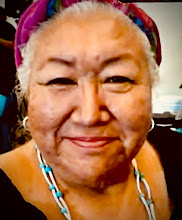
Well, good afternoon, November sixth, Marina Crane, Sutana, Alberta. It's a nice chilly day. What can I say? And if Darcy and Marie are listening and even Wednesday, thank you for listening. And what can you do when you live in a boot?
Yeah.
Create a blog and call it as the Bannock Burns, as the Fry Bread Burns.
Life hands you many opportunities and believe me, sometimes when I think, what am I gonna do today? And I'm thinking, my podcast and then I get a call like for audition for a a small movie part and I start laughing, I'm going, Why not? like like I say, I'm just grateful people think about me.
This guy is named Devin Hedress. He's on TikTok if you'd like to look him up. Why suicide runs rampant on the reservations and he graduated with thirty or forty people and you know when he talks about there's just too much like it like I always say with indigenous women, it's like what did I call it? Battle fatigue or there's not enough support out there or
Marina Crane (01:25.824)
I I think it's the the fear of of people talking about other people because you're so vulnerable. You're you're you're found yourself in a vulnerable position and you don't know who to trust.
Marina Crane (01:42.328)
So let's see if I can get this going.
Marina Crane (01:51.054)
Try it I as as the bannock burns, as the fry bread burns.
Marina Crane (02:05.356)
Well, lo and behold, the vibrant doesn't burn. Okay, so let's see. This try this one. Codependency can look like your emotional state becoming so tied to someone else's that you don't feel okay unless they're okay. Caring turns into monitoring. Supporting turns into fixing. Someone else's feelings start to feel like your responsibility.
Marina Crane (02:35.448)
Codependency can look like your emotional state becoming so tied to someone else's that you don't feel okay unless they're okay. Caring turns into monitoring. Supporting turns into fixing. Someone else's feelings start to feel like your responsibility. And that's S-K-A-T Morton on TikTok. Codependency can look like your emotional state becoming so
I graduated high school with maybe thirty or forty people, and eight years later, eight of them are gone.
Overdoses, alcohol-related causes, and suicide. That's why it frustrates me to hear people say, why can't they just get help and leave it there? Now people usually don't reach that point because of one bad day. Some are grieving for somebody they've lost. Some are living with addiction and are trying to numb a pain that they don't have words for. Some group around violence, poverty, or chaos and learned how to survive before they learned how to heal. And when one person dies by suicide, that shakes an entire community.
Make another struggling kid feel like there's no way out. According to CDC data in 2023, Native American people had the highest suicide rate of any racial group or ethnic group. Now that does not mean that Native people are weak. It means that people are carrying too much pain with too little support. It's important to note though that tribes are building prevention programs. Families are reconnecting kids to language, culture, and people who care about them, and that matters. Because as the saying goes, the
The opposite of addiction is connection and that saves lives. You do not always know what somebody is carrying. Give people grace. Check on your friends. And build the kind of life where our kids do not grow up. Thinking pain is all that waits for them. Like the video, follow the page, have a great day. So again, connection, trust, and friendships.
Marina Crane (04:30.197)
So when I grew up in Soutina, I heard a lot of indigenous language, Cree, Blackfoot, Nakota, Dakota, English, and French. Well, not really too much French until I went to Manitoba. But what I'm trying to say is when they have a lot of mistrust within a a given environment, the the children ha can't find connection.
And so for me and like there's at least two hundred and thirty elders now, we grew up in an environment where the Sutana language wasn't shared fre freely. And when I talk to fluent speakers, because like I've been around other fluent speakers, my mother was fluent in Dakota.
And I I talk about the resurgence of languages and how it's important that people understand when you're a child and you pick up languages doesn't mean that you're gonna speak it, you can hear it and have a conversation.
Yet at the same time when I talk about listening to the Sutana language, I said the majority of times when I heard it, people were were using it like a secret code. You know, like like you had to belong to this little gang and you spoke the language and in order to be part of the gang you had to speak the language. And and s and even that too, the language was used to talk bad about people. And and you know, and I said that I said growing up I heard that. I heard it from old
older people. Now people think, well, like I don't have an accent, but yet like I'm I'm not trying to be white. It's just the environment I've grown up in. And even even too when when I'm talking, I even have educated indigenous people who are bilingual
Marina Crane (06:20.015)
who who take offense to the fact that I can I'm quite articulate. I ca I can stand and and have a debate and, you know, just I have confidence in the language 'cause it's my only language. Like my ears, when I say my only language, it's the only language I hear my voice say. When I hear other indigenous languages, when it comes into my brain, there it's in English.
So like I try and tell people, it's it's one thing to to speak the language and I'm just so grateful when I see people who speak their their language, whatever language that is, I'm so grateful because you have something that I don't have. And it wasn't because of choice. It was because of the environment of which I grew up in.
And so a lot of times like this young man says, a lot of times people people are just surviving, just surviving because they haven't healed.
And so when when I talk about ritual abuse, I believe like a lot of people are are stuck in that survival mode in this ritual. And it's abusive. It keeps on cycling over and over again. My my brother who hasn't ta talked to me since 2013, he says, I'm ending the curse. Like it because he sees it's it's all hypothetical theory. But but the action to actually stop the cycle
Like he doesn't have that. He does not have that. Because if he did, we'd be talking. But we're not. So a lot of times too when when I think because of this battle fatigue that indigenous women have, or just the need to survive, because there's no healing.
Marina Crane (08:07.023)
And and I and I and I take it a little step further when I talk about women who who have affairs with married men. I just the the what happens what happens to them psychologically, like I'm not owning it 'cause I've I've never put myself in that position. not intentionally. If I went out with somebody I I mean I and I didn't I mean I again, you know, men men are men, they can lie that they're not
in a relationship or
Hey, what can you say? Once upon a time there were three little pigs. Or like there's Hansel and Gretel. Like I said, there's there's ways of of saying the narratives and people believing. And like when I talked about bad medicine, I I talk about how people are so skilled at being so good, looking so good, so charismatic. And and that's truly like bad medicine, because it takes a long time to to you know really understand why they're so nice.
To you. And again, I don't need somebody to sort of go preachy about on on about me or anything like that. But I s I found this in the Ministry of Justice for the UK on on LinkedIn. And it says, now laws to tackle harm harmful pornography are now in force. These
Changes aren't just about what people see online. Harmful pornography can normalize sexual violence and abuse with real consequences for women and children. This is another step in a wider work to tackle violence against women and girls, both online and offline.
Marina Crane (09:53.239)
New criminal offenses for pornography, it is now a criminal offense to possess or publish harmful pornography depicting strangulation or suffocation, incest, adult or adult and adults hold role playing as children under as children under sixteen.
I like I repeatedly say, I did not know until after the pandemic. It's like this surge of information that came during the pandemic because everybody was home and the reality too is like I was very naive about the internet. But a l a lot of children aren't anymore and a lot of children are being bullied online. I can't like w I I since the pandemic I've I've watched pornography.
Okay, I mean I'm I'm a elder, I'm a senior. Understand this. The only porn that I've ever been involved in was was when I was like fifteen or like il my late teens when I read those magazines True Romance. Like there were soft porn or like I I I mean I I know I have a a friend who retired f from the customs and the amount of pornography that comes through that try the that people try to bring through into
Canada. It's horrific. So it's out there and even even like trafficking, the the the ooh it it's like it's like goo, it's like salacious, it's it it's
It's like slime, like a tar. I just it's so insidious that that it's out there for the taking, on the internet, on your phone, everywhere. It's pervasive. Whereas when I was a child because the information that was out there was very limited.
Marina Crane (11:48.289)
And even then too, mm it was like, Okay, I'm smarter than my parents. Well every child thinks they're smarter than their parents. But to in today's generation I
How do children have a conversation about what they see on porn, whether or not that is normal? That that's the tricky thing. That's the that's the the diabolical part of it is because it's already difficult to talk about sexuality than than to do something. So for me it's like the like Confucius or the like a
a skit or a narrative that that has a a cautionary tale. So so it's like the cautionary tale in terms of education, in terms of what's out there and and like even in in the understanding of what consent is. I mean even twenty years, like I knew twenty years ago, even anything that was published about consent was very rare in to even find information. So
It's you know, it's it's important to you know, like it's it's hard, it's a difficult it's a difficult topic to discuss, but it but but it ha it's for me for me I think it's important that that people like that people really try their best, you know, try their best to
to understand these things. Charlie's next to the floor. What are you doing? I'm getting out of the way. For what? My eyebrows up and clocks Wisconsin with a power ship. I'm sorry about that. It's just why sometimes when I move things in and out of my my podcast it are the the things that I try to do.
Marina Crane (13:36.013)
Can a bunch of incarcerated men who murdered their wives tell us about the biggest lethality indicators in relationships? It turns out we're getting everything wrong. So researchers have been doing something that most people don't know about. They've been going into prisons and interviewing the men who killed their partners, asking them how it happened, what they did, and how they kept anyone from stopping it. So a 2025 study interviewed 68 men across nine countries. There were 97.
Seven interviews. Every one of them had murdered his female partner. The researchers were looking for patterns. They were looking at what these men did in real time in the months and years before the killing. And seven tactics showed up over and over. One, they isolated her from her people, her friends and family. Two, they gaslit her about her own reality. Three, they restricted her ability to work. Four, they vilified
Her to anyone outside the relationship, her friends, her family, her therapist, his friends. Five, they built alliances with other men who would back his story. Six, they controlled her body, what she ate, how she dressed, whether she could leave the house, and seven, they controlled her access to health care. So think about that list. How many of those involved any physical acts or them hitting her? Zero. These are the documented texts.
That men used in the months and years before they murdered their partners. And every single one of them is nonviolent. Every single one of them from the outside sounds like a bad relationship and not a deadly one. A different researcher, David Adams, did his own set of prison interviews, men in the US who killed their wives. And he asked them what kind of men they thought they were. The most common type that emerged is what he called.
Possessively jealous, not impulsive, not mentally ill, not they just snapped possessive. These men believed she was theirs in their own words. So the killers told us what to look for. The patterns are documented. The early warnings are there. And in the next video, I'll show you the filter that catches every single one of these tactics at the sentence level in real time before the murder is the first incident. So follow me for more.
Marina Crane (16:06.524)
And her handle let's see, her handle, what is her handle? The control code that's on TikTok. And so it has to do with incarcerated men. Which again to me is like you know when when people stereotype indigenous people, it's it's like, they're violent.
like or like I talk about, you know, I growing up and seeing all the women with black eyes throughout my my childhood. Like but yet like like I I also mentioned a previous podcast that I helped clean up a murder scene. Now understand this too. when I talk about cults and I talk about the coercive control and just how
the whole s structure of of like what how she identified things. Because Nathan Chasinghorse did all this he hi with his victims. And and but yet, you know, people were were so I think the societal norm is like, violence, you know, the physical punch, the black eye, watch out for those men. But yet when I talk about bad medicine, it's those men who are charming.
And you they have a whole bunch of people listening to them because again too they're they're s having networks with people who are are allowing them to behave this way. So all this nice nice possessiveness and also jealousy, like just just that nature of it.
like like the the rage. I mean, the murder scene I cleaned up was was horrific. And and I knew like I grew up you know, I grew up in they were in my neighborhood, you know, like just I I I I asked a forensic nurse, she said Marina has to do with his his father, their fathers, 'cause this was not just the one brother, but two of the brothers had ki done killing.
Marina Crane (18:17.518)
And it was it was the relationship like it wasn't like like like in in other words, if if they beat you up there's a sign that they're not gonna murder you. But again that's in hindsight. That's like a like I I know men who beat up their wives can also kill them. I'm not trying to make light of that. I'm I'm just saying that sometimes when when it's so
like when I say bad medicine because when you look at it
You look at the situation, you think, that's a very charismatic man and and look at how sh she loves him. Like it's it's like a fairy tale. The the relationships look like a fairy tale or something that, you know, somebody would want to be in and yet and yet the reality of it is the the you know what's what's what's happening in in i you know under in their home. That's that's the the thing 'cause I like I was talking with my second cousin who we're talking about cults or ritual.
abuse. And he says, I could just sense it. I just know it. And and I'm going, no, you can't because it's it's the whole thing, you know, that that bad medicine, you have to really take a look at it because I think for my cousin it's more of like she's she's a she's comes from a r background where her partner would you know was physically violent to her.
So there's there's you know, it was it's the violence that she just like you you can see if somebody is violent in the sense that they can beat you up. But but this bad medicine is more of like they're so charismatic, they're so loving and caring and you know, just it's diabolical, like like the I I don't wanna use the word evil, but in in white man's terms they they call that person evil. And
Marina Crane (20:11.779)
That's why I say you you can't really you can't you can't really say it just like okay this is what they did, one incident. It's it's a series of events and it builds up like it like the lady said it could take years. And and even then to even then to when I worked at the state hospital for high risk suicide girls
There was one teenage girl there whose whose mother was in that same ward when she was a teenage. The grandmother and then the mother and then the the granddaughter. So so environmental and at the same time that behavior.
It it's it's not like it at what point at what point do you have enough tenacity to do some self-reflection and saying what is it about me that I've gotta change? What is it about me that that's allowing this to happen to the people I love and those that that that are around me. So let's see here.
best depiction of fearful attachment and healing fearful attachment is this there's this kitten, there's this video of this kitten in this cage, and it's very like like
Like, get away. Like it's literally doing this with its paws, right? And this foster mother cat was introduced into this cage. And there's this like time-lapse video of the kitten going, like, get the hell away from me, do not come near me. And the mother kitten is just like staying in the cage next to it, but not but but giving it its space, but also not leaving, right? And you could see over time the kitten slowly kind of stops lashing out and then slowly
Marina Crane (22:01.687)
starts kind of getting closer to the mother cat and and and you could see the security develop in real time. And I think that's a perfect illustration of healing fearful attachment because it kind of shows that if you can find a a person in your life that can maybe withstand this comfort that you feel and stick around and and be a s an unconditional source of support, it will then kind of change your brain chemistry of
People equals danger. You know what I mean? Yeah, totally. I mean people with fearful attachment, I think that's why they're they can be sometimes the most like enjoyable people to be around. Because initially there might be this wall of lack of trust that keeps people at arm's length, but it's protecting sort of like this this wonderful vulnerability that was so discouraged in childhood. The best depiction of fearful attachment and healing fearful attachment. So
I I just thought it was an interesting it's a it's an interesting discussion because
When when you have that that issue and mostly like like I I could probably say within what f the foster care system or even like when you have post traumatic stress disorder, like something where you b you're fearful of human beings. I know my one nephew, I could see it in him and I wondered what happened? so certain attachments or certain behaviors
even within my own family, like I like what can you do? And and I and again too, there's also this learned helplessness because you're wondering like h who can I trust?
Marina Crane (23:52.684)
And a lot of times if you have the tenacity or the patience to actually just sit there, like like they said, the mother cat just sat there in the space of where that kitten was, even though that kitten kept on sc you know, batting at her, you know, antagonizing her to get away, she had the patience and the tenacity to just sit there and be patient with her. And and I think a lot of we'll say therapists or social workers, they're trained that way. But but it but in
real life and in in in real timeline. It it's it's a lot harder. It's more more there's more difficulty, there's more active criticism for the person who's actually sitting there trying to be patient. So all the dynamics, the psychodynamics of of trauma, it's it's one thing to talk about it in theory and to write it in a book. It's another thing to actually be in that space or be present with with what's happening.
Staddy the best depiction. I the
Marina Crane (25:00.972)
I think let's see. European women. Let's see what's this. We're never told this, but this was the women's holocaust. We did have a women's holocaust, and this was it. In terms of how many women were burned, it's very hard to get numbers. The high number that people use is nine million over 300 or more years. So that there were huge, huge numbers of people who were burned and people who
killed by the Inquisition.
They left no written records. They shared no common grave. They took with them their stories, their beliefs, and the traditions of our pagan ancestors.
Marina Crane (25:56.322)
I just thought that's so interesting because this is called the Burning Time in nineteen ninety. It's at M-A-R-I-L-I A Psychology. And
Like a like I've heard you know, I've heard about this. Like even to like again because I'm indigenous and like it's the same s same old narrative. You know, patriarchy not wanting the curriculum of indigen like gender studies or like like even to understand what gender is. So at the university we were doing I was doing some literature there was literature and we're talking about like even
like even in philosophy and like peop like noted men who became famous either for their writing or for their ways of thinking. And there was one like in this English class they were talking about women couldn't even couldn't even walk after six PM in London. Like I don't know what if it was in the early nineteen hundreds. Like it it like it's it's amazing
the control that patriarchy had over women, especially their European women. And and so, you know, any type any type of dialogue in terms of energy or in terms of the healing modalities of of working with energy was totally stripped and and and destroyed and again the male doctors were the ones who were suppressing all this all this earth medicine from from women
Women's
Marina Crane (27:40.586)
Again too, like even like like I said, a woman couldn't walk on the streets in London after six PM because it was a open sign that she could be raped. So, you know, today in society they they look at Iran and they look at other countries and they say, look at the suppression wha how the women are being controlled. But but yet it's it's in every society, every society in this earth. And so even though we think that we're quite advanced, we're w or are are we really that advanced?
advanced. And and even having discussions now where men are actually, you know, discussing their relationships with women. Because a lot of women now are actually taking a look at well whether or not they want to be in a sexual relationship with with a man. Because they're just sort of tired of it. And I'm going, okay. See, I haven't been sexually active, so I don't know when a woman says she's tired of it. And I'm
Because again too it's important it's important for women to to enjoy in enjoy their their sexuality 'cause it ain't like my late parents used to say, it ain't over till you're six feet underground. So now I'm going to again too, I much of the things that I do do talk about or try to to talk about are things that
even when I was younger, didn't know. So it's almost like I've come into this stage in my life before the pandemic and after the pandemic. I I make fun of that, but it it it it it it it does have some it does have a purpose in in all of this.
Now, this one lady, she's quite sh like I I really admire the fact that she she's her it's at TikTok the love guide number one. And she's I I don't know what religion she's in. I just I know that she's Indian and
Marina Crane (30:01.997)
Again two I'm not even sure if I could even get this the video to even play.
I don't wanna make it sound like my podcasts are repeating or boring.
But it's just the nature of things. How many people think I'm having how many affairs? So I I'm having so many affairs according to that. You're just so busy. I'm so busy. I I don't know how time to eat my meals. Really, there's no time. But I mean if I'm sleeping with about twelve men every day, fifteen maybe, th I've no time to bake, change. Yeah, how are you even here? I I don't know how I'm here.
Marina Crane (30:45.783)
The younger generation is not having that much sex. I think they're having far less sex than people think they are because I mean I'm I'm just going by how many people think I'm having how many affairs. So I I'm having so many affairs according to them. They're just so busy. I'm so busy. I I don't know how I have time to eat my meals. Really, there's no time. I mean if I'm sleeping with about twelve men every day, fifteen maybe, th I I have no time to bathe, change.
Yeah, how are you even here? I I don't know how I'm here. Really, this is taking up my time. sorry, I need to get back to more important things. But yeah, I really don't think that the younger generation are having that much sex. I think that the other thing is that they are understanding what they really want in sex. Sex is not something that it's just like you can't learn driving from watching Fast and Furious. You cannot learn how to have sex from watching porn.
Yeah. Or from imagining what you're going to do. You learn about sex from having sex. If you're with a partner who's really enjoying it and you understand what you enjoy and you have the ability to communicate with each other, even if it is a date on hinge or bumble or whatever, even if it's a date, you've come together for the express purpose of dating. Maybe you're looking for a longer relationship, but you know what I mean? Like
See that's the whole thing about like watching porn, like I mean, really, like I like how do you ride a horse? You watch do you watch a video and you see somebody saddling? How do you even saddle or put a or a halter on a horse? You actually have to do it. You have to actually lift that saddle on the horse. You have to, you know, use all your might to put that
bit in their mouth, then you have to mount that horse and you have to also make sure you don't get kicked off. It's the same thing with learning to drive. I have a sister who and friend and pe acquaintances who've never driven their entire lives. Okay, so they they just don't. So imagine like you're watching somebody driving and you think, okay, I can drive.
Marina Crane (32:57.784)
But that's the whole nature of healthy human sexuality. When you watch porn and and you think that that's how it's done.
Or that's what's going on when you're not r you have to actually like she said, you have to you actually have to be having sex to know what it is that you're you're enjoying. Because nobody can teach you that. It's it's it's not something like a taboo. This is something from that makes us has evolved us to who we are today. And and yet the mere topic of talking about healthy human sexuality
Even even to the point where, you know, people are going, Something's the matter with her. She's not happy. She's never had children. She's lonely. She's grieving. And I'm going, it's normal. It's normal for a single person to grieve over someone. It's just normal. It's the same and it's normal to to fantasi to have fantasy. But the reality of it is you cannot have an opinion unless you actually have done it.
Okay, so like I said, it's the same thing as respect. How can you talk to another human being about respect if they themselves have never felt it? Or or that sense of honor, if they've never felt it, embraced it, released it, like just you know, in like feasted on it, in devoured it. You you cannot.
You c you cannot have have a conversation. So even with my podcast, when I'm talking about these things, I know some of you might not understand it and some of you have just studied, but yet but yet there's the practical point of actually experiencing life. And and I think there's so much fear in in what's out out in society today.
Marina Crane (34:52.321)
You know, put your fingers inside, you put two fingers nicely, chopped up nail chopped off nails, making sure that there's nothing there that could hurt you. Put lube, put your fingers inside. And just get used to the idea of something going inside. And a lot of women will tell you that when they put their fingers in, they're fine, it doesn't hurt, but when the penis goes in it hurts. It's just because when you're putting your fingers in, you're on your own and you adjust your body.
According to what is needed. When you're with a partner, you think it has to be done a certain way. Just learn that it's the same idea about adjusting your body to get to that point. And it's about relaxing the brain. So, you know, a lot of people tense up. When something hurts, you tense up and then you become even tighter.
So Angita, Dr. Angita Madame Behel, who's a relational and psychosexual therapist that I work with, she always says that when you find that penetration is a problem and you're breathing through it, actually do your breathing technique. So you should always try the penetration when you breathe out. Like I find her so interesting in in how she describes just
the act of having sex and and like the understanding of being like the female body. I and again, she's like I said, her handle is the love guide one.
I I think too a lot of times let's see.
Marina Crane (36:43.295)
I don't know, I just I just find I just find that sometimes I wish I had known more. And again too, it's probably 'cause like like as as we age and go through menopause and we're have some clarity as women and some men can't handle it because they're so used to women too being submissive.
And at the same time too, when I talk about matriarchy, I think a lot of times some people don't realize that, you know, matriarchy isn't isn't like it it's it's it's not dominated as the way patriarchy is. It it it's it's not the same it's not the same it doesn't have the same or Charlie. Well I trust you. Hold on. Charlie D. So
I know when when sorry.
When I talk about these s some things it's just
Marina Crane (37:50.259)
I I r I used to do quite a bit of TikTok but I don't. And
Marina Crane (38:00.947)
Ha let's see
Marina Crane (38:08.833)
Most of the times too when most of the the things that I do save on on TikTok they're mostly political and things about things that people have experienced that, you know, like are really racist and has has to do with the law.
But
I thought I had something here on on on matriarchy but ugh, such is life. I tried to do my best in terms of of
Marina Crane (38:49.933)
Let's see here, what's this? I want to share. A lot of times too I find like on TikTok, there are quite a few people who come onto TikTok and and and I'm thinking, what is their purpose? Now again, you might say that about my my podcast too, but what I'm what I'm trying to say is like I I've been doing this, like having conversations like this for a long time.
It it it's not it's not something that I just thought, I I better do something.
passionate about matriarchy and rematriation. I think it's really important to have the discussion to speak about what it means to live in the matriarchal movement. Because there is a lot, I think, of confusion of what it means to uphold the matriarchy. Point being is that you can be a woman and still uphold patriarchal values, colonial values and systems.
you can still feed the beast of colonialism by being and patriarchy by being a woman. We need to start to dismantle like where this this crossover is happening. There is a difference between indigenous matriarchy and rematriation and white feminism and feminism colonial feminism in general. Okay, so first and foremost, mate matriarchy does not just mean
You know, that you're holding a feminine form. There is responsibility behind matriarchy. When I talk about indigenous matriarchy, right, there is a responsibility behind that. It is the responsibility to our first ancestor, to our grandmother earth, to our mother earth, and all the elements, all of the plants, animals within that. A responsibility to the land, to make sure that the land is protected, that the elements are protected within that land, that all the resources are protected.
Marina Crane (40:55.508)
within them. There is a responsibility to uphold our traditions, our ceremonies, our languages, our life ways, our food ways. A responsibility to the children, to the elders, to fellow women, men, to spirit. All
Within our community, within our family, within our original system that come of this land. Rematriation is a powerful force seeking to restore indigenous communities to their rightful place in sacred relationship. Not only with our ancestral land and lifeways, but it's rooted in the philosophy of reconciliation and revitalization. And it's not only about bringing that bond between
Indigenous people and the land, but also the crucial role that women have traditionally played and are playing in our modern times in safeguarding and nurturing the land. So, in that, and why I'm bringing this, if you will, series of videos to life is because you can be of the global majority. You can be a brown, black, indigenous person, right? And still uphold colonial.
colonial values and systems still uphold patriarchy as a native woman who is passionate about matriarchy and rematri. Her handle is on TikTok. It's called Boundless Warrior. And she's matriarchy holds a responsibility. Rematriation holds a responsibility.
You can be a woman and still uphold patriarchal and colonial systems. You can be an indigenous, native, brown, black and still uphold patriarchal, colonial capitalist values and systems. So again too, I think there's so much discussion when it comes to women women of color because there's there's
Marina Crane (43:02.295)
Just the history, the dynamics, the dynamics of of everything that happens or that had happened in history. And the reality of it is like for for me, I'm I'm gonna be 75 in January. When you take when I look at it, and when I was like 15, I never thought I'd be 21. Then when I was 21, I thought, I'll I'll never I'll never be 30. And then when I was thirty, I just thought, my goodness.
like just the reality of like what's my life coming to at thirty.
Like it here I am at seventy-four and and here I'm worried about my aches and pains. When I was thirty I I was just thinking about my life, like what is it that I'm leaving behind? And yet that that's not that's like I'm going, how could I have thought these things? But but again too, it's lessons learned in in life and and again, not only learning about myself but also the people that I've connected with.
So over the years and just the tenacity of holding on to friendships, and I keep on saying this in my podcast this year in 2026, the amount of people that I have stopped being associated with.
I is more than I have ever done in previous years. And and I'm a lot like I I don't know if I'm a lot happier, but I just find that that I don't have to worry about other people's business. You know, I I like I I truly think that I was being some people's therapist and and not being their friend. So so like in most therapists they they they're bottomless pits, they don't have boundaries, they've never learned to have boundaries.
Marina Crane (44:50.624)
And and for me, like I've just been in denial that I've been doing therapy, and and yet the reality of it is like yes, I've cut off friendships, and yes, they have they are missing me. And and and that's nice to know that they're missing me, but that that's that should be a red flag. That should be a red flag saying, okay, what is it that Marina's giving to me? And and for me, trying to help them in a therapeutic way.
model i i it comes at a price. But it comes at a price. Even even in the sense too. Like I do tarot card readings. And and everybody can be become you everybody can read tarot cards. You just gotta train yourself to to do it. And and so you know like twenty years ago, you know, I thought I'd take that up and
And again, if you're Mormon, you just don't do those kind of heebie jeeby stuff. I mean, mind you, understand this. When I was in Utah, it was amazing to me that how young people gravitated to witchcraft and and satanic worship. And I thought, What what are these young Mormon people doing this for? But again, too, like like I said, there's the de dismantling certain peop thing ways of thinking or like I I for for me,
When when when you sense somebody it's one thing to sense somebody, but it's another thing like their energy, but it's another thing to you have to have the conversation with the individual. You do. You c you cannot just do it. Sometimes you can, but the majority of times like when when I was going to therapy and having to deal with all this lateral violence that Nathan Chasing horse had projected on me.
through his followers and e like and the thing is like there there are people within my community and there and there still are. They they still are. That's why I said I've had to let go of people, had to put some boundaries down.
Marina Crane (46:57.971)
It it's it's the reality of like the things that I had witnessed in these ceremonies and the reality of the commonplace, the common sense, the common understanding of what it is to be a human being. I am so grateful to meet so many wonderful people who are open minded. And and that's what I try to say to people. You have to practice talking about things that you've experienced that has no answer, no
two ways about it, something miraculous or mysterious happened. And even to the person who had happened too, though the reality of things that we do not and do not understand, nor can we ever grasp it. So for me on a daily basis, at the at when things are either good or bad, and I say, Creator, grandfathers and grandmothers, thy will be done, it's acknowledging whatever's gonna happen, however I understand it.
It's in creator and grandfather the creator of the grandfathers and grandmothers. And and so just just with that in itself is is a huge statement. And I'm like I said, I'm grateful to be meeting so many people who feel comfortable enough to share their stories. Miraculous stories and it's in every human being. By the time we get to be adults and the things that we've seen and learned, or even how we understand reality.
It is it's it's it's beautiful. But at the same time, too, there are people out there who want to use religiosity to to dampen and to limit the that exposure to that energy. So when I was curious about tarot card reading, I went to a reader and I went I went and I she looked at me and she says, you'll you'll have more insight than I do.
And I and I thought, What? She's been practicing tarot cards a lot longer than me. How can she say that? And she says, Because of your culture.
Marina Crane (49:04.906)
A and again, like that's why I look at my community and the people I've grown up with. The two hundred and thirty elders that I've grown up with. And you know and again, the two hundred and thirty four or so elders that, you know, on a daily basis I know I'll say goodbye to them. You know, I don't know if they'll say goodbye to me first, but it's the reality that we're all related, 'cause we're all gonna die. We are all gonna die. The the trees, every
Everything that holds energy, we're all related because we're all gonna die. And so so the reality of knowing that and and then sitting across from a person who who wants some direction with their energy because they're they're living in that energy is is is something that that that I do. But yet when I was when I was I I've always done this my entire life, but I didn't realize
why people didn't look at me in the same light as I looked at the lady who was had been doing tarot cards for years was was how she put it to me. And she told me it just straight you have to ask for money. You have to you have to put a price on the what you're giving them. Because if you don't they won't they won't take it as val having value. And and that's just the nature of of
the way things are. Some people that we meet will just say things and and they're like everybody's gifted. So it's how you take the information they give you and how you're gonna run with it. And a lot of times a lot of times it can be very messy. It c in in the sense of human sexuality because we're we're human beings. And
Like the lady said, sh have them pay you to get get their cards read. And and so I I do that. I I d do there's a Christmas market in Soutena in December tenth to the twelfth that I go to. Last year I didn't go. I might be there this December. And for for me doing my readings, it's very like I really have I have to have people
Marina Crane (51:29.294)
putting boundaries, limitations on me because it it's really creepy that once I do a reading and that like it's almost like people stalking me. So so and I don't think they do it intentionally or if they do it intentionally, it it gives me the heebie jeebies because I'm going, No, like that's not how t for me, in my opinion, creator and grandfathers and grandmothers
That's their will being done. I have all I'm doing is just reading the energy. It has nothing to do with me personally. but but it is it is it it it's almost competitive and I don't like that. so anyway that's a little insight into into like what what I do and and but again all all people have this. Everybody has this.
And just like all people, if they have the tenacity to be an investigator and to, you know, look at what people say and and just hope, you know, what you see and what's gonna happen isn't gonna hurt anybody. Yeah, when when I f thought my niece was being having was being coerced by my brother, I just thought it it'll come out.
'Cause sh they were both openly, you know, op like it was open in in around the fire camp, around places and and I thought I if I see this, other people see it and when when it comes out everybody will say, Well I saw it
But it but it's like the like I said in my pr previous podcast, the twelve year old goes into a hospital delivering a baby with a twenty four year old and they had a baby shower and everybody sort of accepted it as being normal. And and, you know, the having having women who deliver babies say they've delivered babies to ten year olds, to f ten ten year olds. And then when I think about Nathan chasing horse and
Marina Crane (53:37.333)
just the amount of investigation that they did and what they decided to press charges against him. And the fact that, in my opinion, twenty years ago when I first met him, he had already had the tenacity or the the he he already had what's the word? Propity to to think about having sex with ten year olds.
because there there are videos of him. And that's just something only because I I went only because I went to the sentencing and and I know it may be out of context, but it it is like it's it's a hard thing to digest for me and it should be for anybody, especially when it comes to children.
And that we can't be complacent. And if we see these things or even sense it like I like a majority of my life I've when I've sensed something, I've tr tr put it out there hoping hoping somebody will will will follow up. And and if they don't and then years later they come to me and say, Well, Marina, do you know this happened? Like if I've tried, I've tried. And and however it goes and however it evolves
You know, all I can say is, okay you know, it it it's it's it's not that I'm passing the buck, but but
You know, I I was around foster children. My mother was a foster mother. I didn't actually live like in in the whole presence of it, but but during the short time that I was I came to visit my mother with and she had the foster children, I did say to them, you know, this is this is bad touch and this is good touch, you know, and if this happens like, you know, don't do this. And years later they did disclose. But but again too, I wasn't around, even though
Marina Crane (55:46.128)
So I might have said to them, you know, this is not bad like you gotta tell tell somebody.
It as long as they're doing it and dealing with it. Like I like I said, I I put it out there and I'm glad they were starting that process and this was like probably decades later when they became adults and parents. But things like that you don't really know until you like 'cause you unless you live in the community and you're around people who've never left.
and and you you know their stories and like most of the like when they talked about suicide and and what's that battle fatigue and just surviving. so if you're surviv you know and the thing is like when they say survivors of Indian residential school, yes, but I want I I also say, look, there's a difference because some of these survivors were brutalized by white people and there were some who were brutalized by indigenous people. So so it's the
It's the older generation that had that was more horrific in my opinion. And the younger generation, like around my age, understand that, like that's how I see it, because like there's a there's a there's a a breaking point where people younger than me who were in residential school, it was an indigenous on indigenous. And and the ritual abuse, like in terms of the violence that that came in, not not only that, because the majority
The majority of bad medicine was being practiced in in communities where people out of the blue are just like, he has sweats and he sundances and you know he has all this power. And again, this is just people reading energy. And and yet because they were so charismatic, people didn't see them as having bad medicine.
Marina Crane (57:42.357)
I mean in Western Canada we we've ha I've grown up hearing this, but I'm pretty sure in other indigenous communities they call it evil. Okay, so for for me, knowing knowing that that's the intergenerational trauma of of
the the complexities of what the aftermath of of Indian residential schools. 'Cause 'cause I saw I saw how everybody got on the bandwagon having sweats and taking part in sun dances because it was outlawed. Even even the ones who were older
pa like past seventy five that the older generation who really had it harder because it was white people who were hurting indigenous kids. Those were the ones who who never like it was so bad they couldn't pr speak their language, practice rich sundance, sweats, nothing.
So so of course people who are saying, I'm gonna do this, I'm gonna do I'm gonna do this sweat, I'm gonna do this sundance, it's like, you're a good person. Not realizing that they were carrying bad medicine. So I just wanted to put that out there in terms of having a heart I know it's hard for people to listen to what I'm saying, but it's a concept
That you have to understand there are so many people pretending that these things didn't happen. Even indigenous people who are ashamed to be indigenous. They're pretending that their their history, being maybe mixed blood, Metis, Inuit First Nations. But the reality of it, this is this is how hard it is. You might say, look at Nathan Chasing horse and he was, you know, did all this cult like stuff.
Marina Crane (59:32.204)
But also Metis people did this too. It may not have been with a sweat.
It may not have been with Sundance, but it sure as hell was with the bootlegging and prostitution because they had access to it. And for for them it was like it's bad medicine because they were exploiting their own people, only because they had more rights to go into bars because they they weren't restricted in in in that in that sense as as First Nations people were. So it it all ties in to this whole hypocrisy, this whole
whole notion that, you know, everything should everything's covered in fluff, everything's like nice nicely tied in a you know, like a Christmas present. And going, no, no, it's not it's not nicely tied in a Christmas present. bad medicine should never be tied in such a Christ like as a Christmas present. Because it isn't. And you know like like there there is good medicine.
There is definitely good medicine and it's not just restricted to indigenous people, it's to all people of the world. So I hope that helps you helps you understand in terms of the psychology or the basic understandings of cross-cultural psychology in terms of indigenous psychology. It's it's not a I'm not an expert by any means.
But but I do know most of the emails that I get are probably from charlatans who, you know, want to to make it like to make it it's a it's a business. They make money. Like anything. Like I said, value is put on money. And for me, the only price I put on is my tarot cards. And and again too when I get invited, like I'm
Marina Crane (01:01:24.693)
I'm just totally surprised that that they want to have me on a on a movie set. It's it's it's gonna be on a has to do with being a a judge and an elder. I don't know how what it is that I'm gonna do with talking to the judge in this little film film collage or whatever, but it's gonna be fun. I I
Like it brightens my day that that somebody re remi remembers me. But you know, I you know, I I do miss the people that I that I have put down my boundaries with. and and the ones who who, you know, I still have contact with, if I haven't contacted you it's not like I've ghosted you. It's just it's just you know, it
I'm pretty sure you're busy doing what you need to do and surviving. Life isn't easy out there in in like in my community, my culture, my environment is so different than yours. So take it easy and be kind to yourself and understand that there's always someone. There's there is always somebody. Like invisible helping hands.
Even though you don't see them, they're there.
So I'm grateful for my podcast. Keeps keeps me young, keeps me thinking, keeps keeps me in having a purpose. So I appreciate you listening to me and I know on my blog I'm I'm so grateful. I don't know who is listening or r r reading what I've I've dictated. But I really appreciate it and hopefully
Marina Crane (01:03:21.877)
I don't know where this will end up, but it's something that I felt and I have a deep feeling that that I needed to do. And I think I've needed to do this for quite a while, but it was only now in twenty twenty six that I had I felt a purpose. I had the respect of of I had the respect shown to me.
Now I'm not crying anything like that. I don't want to make it sound like I'm so pitiful. But it's something that I had in my life for decades. And I think it's every human being has that in them. Every human being has a story. So I'm grateful that I'm able to tell my story and share it with you. Wo Pidami Dakya Piyawasana, creator, grandfathers. Thy will be done.



No comments:
Post a Comment