
Marina Crane (00:00.974)
Okay. Hello. it's August twenty-sixth. This is Marina Crane from Sutina and I'll say hello to Darcy and Marie and and any other people who are listening. I have a guest today and we're gonna have a really sort of blunt conversation on a couple of items, but say hello.
Hello. Thank you for having me in your home, Marina. So the the reason why I thought I'd do this live is because like she's just here to viHere’s a clear, structured summary of your document — focused, organized, and grounded directly in the text you provided. I’ve included brief quotations from the transcript, as required.
Summary of the Document
1. Core Theme
The recording is a long, candid conversation between Marina Crane and a guest, exploring identity, intergenerational trauma, Mormonism, systemic racism, sexual violence, and sovereignty within the context of Tsuut’ina Nation and broader Indigenous experiences.
The tone is deeply personal, reflective, and often blunt.
2. Family History, Mormonism, and Identity
Marina describes her family’s long involvement with Mormonism and how it shaped their identities:
• Marina and her sister were “raised like twins… the dark twin and the light twin.”
• Her sister and brother became deeply involved in the Mormon church, adopting beliefs that encouraged shame about being Indigenous.
• Marina explains Mormon racial doctrine and how it affected her siblings:
o “If you're a really staunch Mormon… when you die, your skin turns white.”
o Her brother refused to be sealed to their mother, saying: “I’m not getting sealed to you in the temple.”
She connects this to broader issues of internalized racism, colorism, and identity denial within the community.
3. Systemic Racism and Historical Context
Marina gives a detailed historical analysis of:
• Residential schools
• Industrial schools
• The Indian Act
• Slavery and caste systems
• Métis history and stigma
She argues that colonial systems created long-lasting hierarchies based on skin tone and blood quantum:
“Fancy boys and fancy girls… equivalent to Métis.”
She also discusses how Indigenous people were historically categorized as “savages” and intentionally trained for servitude.
4. Housing Policy Conflicts
A major thread is the conflict over housing placement on Tsuut’ina land:
• Marina’s Mormon brother repeatedly tries to block siblings from building homes near him.
• She believes this is tied to mental health, religious ideology, and identity conflict.
• She notes that housing staff were invited into his Mormon tipi, which he used to perform pseudo-ceremonial authority.
5. Sexual Violence, Cult Dynamics, and Healing
Marina discusses:
• Her own sexual assault decades ago.
• The case of Nathan Chasinghorse, including failures of leadership to protect victims.
• How cults exploit people with intergenerational trauma:
“People who suffer from intergenerational trauma are vulnerable to cults.”
She describes healing from trauma as similar to deprogramming from a cult — requiring grief, identity reconstruction, and community support.
6. Healthy Human Sexuality
A large portion of the conversation explores:
• Sexual repression in religious systems
• Sexuality in long-term care homes
• Hormones, oxytocin, dopamine
• Limerence and trauma bonding
• Masturbation and health
• Women’s health (UTIs, vaginal estrogen, breastfeeding)
Marina emphasizes that Indigenous women often lack safe spaces to discuss sexuality due to trauma, shame, and colonial conditioning.
7. Racism in Daily Life
Marina recounts numerous experiences of racism:
• Being catcalled at age 12 at the Calgary Stampede.
• Being stared at by white men while eating alone:
“An old white man came and sat behind me watching me eat for a half an hour.”
• Being treated with hostility during travel.
She contrasts this with the rare experience of being treated kindly by a white man she calls Wachásh Tȟawášte (“good man”).
8. Sovereignty and Child Welfare
Marina explains how lack of sovereignty has harmed Indigenous children:
• Her niece was trafficked from a foster home.
• Children from Tsuut’ina and Siksika fill Calgary’s adoption system.
• She argues sovereignty would allow families to sue leadership for negligence in cases like Chasinghorse.
9. Broader Reflections
The conversation ends with reflections on:
• Women’s rights
• Iranian women under religious rule
• Freedom of thought
• Education
• Climate change
• The prophecy of the White Buffalo
• The resilience of Indigenous youth and artists
10. Closing
The guest expresses gratitude, and Marina notes she hopes to record more conversations with a microphone.
Marina Crane (00:00.974)
Okay. Hello. it's August twenty-sixth. This is Marina Crane from Sutina and I'll say hello to Darcy and Marie and and any other people who are listening. I have a guest today and we're gonna have a really sort of blunt conversation on a couple of items, but say hello.
Hello. Thank you for having me in your home, Marina. So the the reason why I thought I'd do this live is because like she's just here to visit and I wanted I didn't want to prep her in what the topic was gonna be so it's spontaneous. And so you're gonna get her
how she's questioning or what she thinks about my story and have some interaction with that. So consider yourself fortunate, my audience. So so the topic I want to talk about is like a lot of people have always asked like, what is it like?
See, again to wait, hold on. What is it like to live in First Nations or what is it like to like you know, like First Nations Inuit or Metis? And I think a lot of people don't understand like like our we we're a little bit more sophisticated here in Southeina because we have land policies, housing policies, you know, we have we have the resources to develop these. So
So the past week or the past year, my sister my sister, like in October, I'm seventy four and she's seventy three, so we're very close. Yeah. And so my parents raised us like twins. Mm. The difference is I'm the dark twin and she's the light twin. Mm. Okay, but she's lived her majority of her life since she was a late teenager in Utah. as a full fledged Mormon. my gosh.
Marina Crane (01:56.664)
Yes, so interesting topic, right? I'm just like knowing you, I'm like how did your practically twin sister become a Mormon? How does that work? Well, on top of this too, this is a discussion about my brother. My whole family's Mormon. Okay. Okay, and for and my late mother, I took care of her, I was her her caregiver for over ten years. Mm-hmm. Like like everything I did for her. And and her history is like she was raised
In residential school, and she had a lot of emotional issues because of intergenerational trauma. But but the the part of it is like how it applies to me and my siblings. See, it didn't really occur to me until because I really thought, you know, I'm at peace with being ex-Mormon. Okay. But then but then I met I met a fellow whose partner had said, you were
Mormon, just like you, like and I thought I need to address this because I think I think a lot of people don't really like for me I didn't really get it. But the reason I want to talk about it is that housing policy states that when I was growing up in terms of lateral violence, and I've explained in previous podcasts that that they developed a policy by the time I was 24 that any woman who was 55 years and younger and had no children could not apply for a house until they
Reach 55 here in Sutina. Now that's changed because I said like desperate, desperate times. Well yeah, maybe it changed because there's somebody whose name rhymes with Karina Moraine who got in their face about it. Well, like well I explained in my podcast like the numerous programs that I voluntarily got money coming into the community so I could be the janitor, and they refused. And the only way they
they can combat it was to create this policy. Yeah. So anyway, I the majority of my life I like I lived quite a few years in Utah and even though I had a brother and sister who were Mormon, they went on missions, my they got sealed in the temple, their children were born in the covenant. And I and basically I explained what it that all is. Because a lot of indigenous people don't know born in the covenant. And but but a lot of the the intergenerational
Marina Crane (04:26.224)
Trauma and I think to just the whole notion of white privilege coming in and being like the godsend for the savage. When my when my parents, when I was a child, and my parents went to South American India, they had been recruited and groomed by a religious group called Moral Rearmament. And and and this was taking place in Mackinac Island, Michigan. And and the reality is like a lot of the politicians were were groomed in mind control there too. I just found out recently.
And there's been a lot of sexual abuse with certain politicians since like in the middle of World War II and afterwards. Yeah. So so the Oxford group was created during the middle of World War Two, and so they developed this program. And a lot of it I truly believe is is trying to mirror indigenous ways of knowing, holistic and collective ways of knowing. Like what's the Maslow's hierarchy that's all based on
needs yeah. Yeah, that's all based on indigenous ways of knowing and s there's so many other psychology frameworks and and AA is part of that. So that's why when I say my my family was susceptible to cults and I really think people who suffer from intergenerational trauma are vulnerable to cults. Mm-hmm and I explained that in my podcast. I said first my parents were in Indian residential school, my grandmother was in Indian residential school and I went
I didn't go to school in the residential school, I was bust in, but it was still grooming. It's still the experience and the
The end outcome I think they want is the same. Well and this is the whether you live there or not. And see, the reality of it is too, is like it's a sh like I'm shaking the tree, the olive tree, this tree where where the snake of Satan is supposed to house and Eve was supposed to grab it. Well I'm shaking that fucking tree. Because because when you look at history and most of my podcast I talk about the fifteenth century with the conquistadors taking fifteen year old indigenous girls from the Americas.
Marina Crane (06:33.208)
talk about black women like how they stopped slavery but yet they were they had plantations that just breeded slaves and how and how when they do the DNA when there's one genetic where you follow the it comes from the male's genealogy, the male's DNA. Yeah. So when they do testing for black American men, sixty to seventy percent aren't black Amer come from Africa, they come from Europe.
'cause of that breeding. Conquistadorus. No, no, just the black slave trade. Okay. Because they had for a hundred years they breeded they br they had breeding farms, plantations in the United States. Yeah. So the majority of even though their skin is black, they they have that one gene that shows that their paternal lineage is European. Mm.
Whereas if you get an actual person from Africa, their lineage will show their male the male is African. Yeah. Okay, whereas so anyway, the like it it just goes to show like just how how much
the DNA has mixed with people due to slavery. And so when they had the plantations they they would set segregate like like they'd have lighter skin black and bla darker skin black. And so the darker your skin, again like the caste system in India, the darker your skin the more you'd be like a house slave, field slave. If you were I think you were if you were lighter skin you were a house slave. Yeah. Darker skin you'd be the field slave. So they call the
the lighter skin fancy boys and fancy girls, so when they sold them they were sold at a higher price than the dark skins. Now when Lincoln freed the slaves
Marina Crane (08:25.186)
they there was also this big uprising with the Sioux and they there was the largest mass execution in Mankato, Minnesota. Yeah. And and so that's where my my great grandmother comes from. She was like five and under when her parents were in their thirties ran away. Mm-hmm. But w what I'm getting at is that that same time John A McDonald and the Canadians decided to create the Indian Act. Yeah. Okay, because again, sorry but stupid
white people. Very stupid white people. They thought that that because indigenous people weren't good slaves. They didn't think, you know, like hi hi like hello, scientific wise, again you gotta think about the time. They did not think indigenous people made good slaves.
that because we were savages. But black people were better slaves. They didn't realize it was because of DNA. Like like the Oshati Shacoi, the Seven Council fires, we have O type blood. That's because we were we were hunters, not we weren't grazers. We didn't graze animals. So when the Europeans came over because of diseases, the first one hundred years they killed five generations of children from diseases. Not only that, but the Portuguese, Dutch, Spanish,
English and French, the five conquering races, those were the ones that tortured and murdered. Okay, so so all that was the first one hundred years. Now of course we're not gonna be good slaves because we because we're not immune to the diseases of white people.
Okay, but white people didn't see that. They just thought we were we were animals that we couldn't be like we couldn't be we c they couldn't take us as slaves. We had they had to basically try and train us because we're so fucking stupid. So so they created industrial schools. And again, they recruited fancy boys, the lighter skinned indigenous boys. Mm-hmm. Okay, and then in Parliament they said, Well, if we f we train them, they're gonna go back to the reserves and they're gonna man marry Indian
Marina Crane (10:31.768)
Indian girls. Okay. And those Indian girls are going to convert them back to savages. So we've got to we've got to train the Indian girls too. So they're training the Indian girls to be like house sl house servants, kitchen, you know, like all like the the indigenous people it under the Indian Act and going to residential schools and industrial schools were weren't there to be smart. They were there to be slaves. I am
It's interesting that like yeah, like they still use the term industrial school into a way like I know the one on
Ghina that was an industrial school and somebody who went there told me that it's like they maybe gave us up to like grade seven math. Technically I have a high school diploma, but like they don't teach you nothing an industrial school. No industrial schools they were just there for farmhands, ranch hands. Like the lowest of the low. Yeah. Okay, so like in the Calgary Stampede you have white people who who just work with shit, you know, like in the stockyards. Well that's what they wanted for indigenous men.
To be like you Yeah, and even you sweep it. Yeah, even even like when I was thirty I was I worked with a a Mormon woman who who they had a beat form in southern Alberta and she said the crease came in again, field hands. You know, like that were such savages that were not intelligent enough.
So so that mentality of of what what is a s what is a what is a fancy boy and a fancy girl is equivalent to Metis. Mm.
Marina Crane (12:11.17)
That's a spicy take. Have you told anyone Metis that? yes. Yes, because the b majority of Soutinna was was created because of Métis. Mhm. The Metis Alberta, if it weren't for Soutina, Alberta wouldn't have even been a province. Because the the settlers in northern Alberta were starving. They were growing potatoes. So the Metis up there who had married intermarried with the French and Scottish, they came down and aga again using sign language and then marrying Soutinna women. Mm-hmm.
They they went into the Treaty Seven area and traded like dry meat and foods dried foods and berries and took it up north to the starving settlers. Yeah. And they did that for years. Yeah. So the majority of the people here in Soutina, because we lived right by Fort Calgary. Yeah, and 'cause that was the Metis people they put a lot of their like their cabins and stuff along the elbow, right? And along the train along the train tracks. Along the train tracks and that like And understand.
Right here. And understand this too, Boness and f and Forest Lawn. Those were hangouts for indigenous people. And where where they're doing all the upgrading for the Calgary Stampede, that East Village. Yeah. That was all where they had like Skid Row, the bootleggers, Metis. Okay, and so the brothels were like in Boness and and Forest Lawn. And that's the only place where indigenous people could go.
Because again the class system Yeah, ca like fancy boys and fancy girls because you you get paid top dollar. Mhm. Okay, so and then s and then even if we had white people come into Soutina, they didn't marry the women. They just had children with them.
See, so why what I'm getting at is my sister can pass for a white woman. okay. So when you said that you're the the dark twin, you literally mean The dark twin. That you yeah, 'cause you're very visibly indigenous. Exactly. Yeah. And y and so growing up here they all thought that that my sister's father was white. Now get this, our former chief
Marina Crane (14:17.878)
All his family, like again there's their their the grandfather was Metis. He was a fancy boy. He was one of the b the boys who were recruited into the industrial school as well as some other families here who are fair skinned because they were fancy boys. Yeah. And that's who the Indian agent recruited into in the those industrial schools because dammit, if they had the fair skin, then they must be fucking smart because they got European DNA in them. That's how stupid the ideology of systemic racism is.
Okay, and now how it carries into my family. Like I said, former chief, his sister is going and saying that she's not indigenous and yet she's you know her she's got a house and she's got everything here. She's you know, she's she's got she's been voted and everything. She's as old as I am. Yeah. And the former chief is around my age. Okay, so so when he was growing up in high school, they used to ask him if he was indigenous, and he says, No, I'm Mexican. my god.
His father th we used to have a nickname for him. We used to they the girls used to call him cover boy and I said why? 'Cause he used to have makeup in his drawer to put white makeup on to look more white. my god. So there's a lot of a lot of people I as I grew up here who had who were fancy boys and fancy girls who who were ashamed to be indigenous. Okay, so so when I'm talking about identity
I'm not like I'm not talking like when when people are pretending to be Metis, I'm going it's a deeper deeper subject than that. I said, Because you've got indigenous people here at like when I was working up north I brought a s a whole bunch of s kids from Fort Mackay, took around Sutina. This was like forty year like decades ago. They said, Where are the Indians? I said, here they are. Those are white people. I'm going, No, we're Sutina. Yeah. Okay, because we've mixed we've been by the city my whole
life and even when people hear me talk if if they didn't see me they wouldn't even think I was indigenous. Yeah. Okay, because and and even that at age eight I've had I had Kree girls trying to beat me up because they thought I was pretending to be white because I speak English. I don't speak an indigenous language. So so even that's another topic of discussion. Yeah. Okay. However
Marina Crane (16:39.532)
When I talk about the former chief's sister denying that she has indigenous blood, even though she's on the ban list and is voting. 'Cause they're pa they're gonna pass a law S two and to change the Indian Act for the children who who lost their status. Yeah. Okay, so why I'm saying this is that y they'll be on the general list, but in order to actually have voting rights, you gotta be voted onto the membership. So this lady here is saying that she's non indigenous, but she's been voting her whole
Life. But again has to do with identity and being ashamed of being indigenous. That must drive you bonkers about that lady. No, get this. My sister, my twin, we'll call her my twin, is ashamed to be indigenous. The same with my brother, who's darker than me, is ashamed to be indigenous because they're Mormon.
It's interesting that the yeah, on one hand it seems like
People are using this racist idea of like, you know, like the the blood quanta and stuff, to argue that like, yes, I can be indigenous, yes I can be Metis, but it's like, no, it's a cultural thing. It's about belonging in the community. And people who actually can belong in the community are like, I'm not sure about that. because they're Mormon. It's damned if you do, damned if you don't. Well, again too, in the Mormon doctrine they didn't allow black people to have the priesthood. Exactly.
So with your brother being a very as you say, a dark Mormon, how does that work? Because if you're a really staunch Mormon and you're a good little Christian Mormon, y when you die, your skin turns white. If you're a woman, any any colored woman, mm-hmm
Marina Crane (18:33.202)
a and and and you want to get to heaven, the only way you're gonna get to heaven in the Mormon belief is to marry a Mormon man in the Mormon temple. And if you divorce like if my brother if my sister in law divorces my brother, right off the bat she's not going into heaven, even if she's had five children with him.
Because because she's sealed to him. She's gonna stay that way no matter what, I guess. Exactly. Now get this. Until yes last week and this is the topic I wanted to talk about, my my Mormon brother and Mormon sister started got into a conflict. 'Cause my sister they're sh they're gonna have her bill a house by by my brother's feet by my brother's driveway. Okay. And he doesn't want it there. Okay, because she says, Well I'm gonna rent it out. Well, in the policy you can't.
Okay, because she she doesn't want like her she her husband's dying. Yeah. Okay, so we're hoping sh because she's s gonna be seventy three. Yeah. Yeah, we don't want her in a nursing home in Utah with a bunch of racists. Yeah, exactly. Okay. So so there's a conflict between the two Mormon brother and sister. Now now get this. I'm talking to my siblings.
And I'm saying, you know, our brother has a mental health problem. So every time like my sister over here, she's got a house but my mother was alive. so these are all your siblings close by? Yeah, so my my my si my brother, the one who's who's Mormon is over here. Yeah. He didn't want her here because i and he made he made an issue of it and I said, No, her house is gonna be there. Then his daughter too didn't want hi her auntie to have a house here and I'm going, What are you talking about? My mother
says our mother says it's gonna be here. This is when my mother was alive. This brother is making issue because he's Mormon. Now my other brother his house is here when he was gonna have a house the same brother didn't want his house there. Someone with horses? Yeah. Yeah. Now the fact that my sister like okay it was okay she was going to move there but then she's changing her mind.
Marina Crane (20:41.684)
She can't change her mind 'cause it's against our housing policy. Yeah. But that being said
I might have a younger sister who lives in Edmonton, when she's retiring 'cause she's she's sixty. Yeah. Okay, when she retires from work, she's gonna have her house over here. Mm-hmm. And I said to my nephew who's working with housing, I said, Every every sibling that is wanting to put house in this area, my father and mother's area, mm-hmm, he's he's denied them. This brother. I said, That's a mental health issue. Yeah, and well does he
Does he hold some unique authority that like he can actually deny or is he just a fucking priesthood?
then like what what does that matter on Sutina, right? Like this is what's so profound and so stupid is is my nephew says, Auntie, he called housing and the the impl the staff went to his house and he ha invited them into his TP to, you know, like make it like something ritual and ceremonial about about this whole Mormon TP. And I told my other brother, he says, I helped him set up that TP. I said, Well, for whatever reason, he th
Now thinks he's some sort of medicine man because he's doing all this stuff regarding the land un in a teepee. I said, How how like in terms of mental health, how crazy is that? Yeah. Okay, now get this. I'm talking to my brother and my older brother he passed away. I have two brothers that passed away. Yeah. And my my younger brother, his daughter lives down by the road. She has a say too about who's gonna stay in this area. 'Cause this is what you call matriarchal or respecting
Marina Crane (22:26.038)
Elders. Yeah. It's whoever's the oldest has a say. I am the oldest grandchild of my grandfather and grandmother. I'm the oldest now of my parents that's alive. Okay, so and I tr and I said to my young my younger brother, I said I'm staying out of this. I said, because of the way these two Mormons have treated me my whole life. I said I lived in Utah for over a decade. They never invited me for Christmas or Thanksgiving, nothing. They treated me like
was the lowest of the low in the caste system. I said, because that's a cult. Yeah. Okay, so and again my sister, because again, I I'm not I haven't dated a Mormon man. and I I like when I was in Utah. You kept yourself safe. Well, of course, and the thing is I was roommates with her.
And one time she went out with this white Mormon gun, she came back all frazzled and I thought, You are fighting off these horny white boys and within a month she met this Navajo guy and married him in the temple. So this is the guy that's gonna like he's dying from cancer and that's why she's moving home. Yeah. Okay, now when I lived in Utah she gossiped that I was gay.
Because in the Mormon temp in the Mormon th thinking th you you can't be homosexual. So she was trying to hurt you?
Hopefully that was like water off a duck's back. Well keeping you safe from Mormonism in a while. And the thing about it is like I've seen so many Mormon missionaries who were gay. Yeah. You know, who married and had to hide from their ind their i Native American wife that they were gay because she just thought, I'm married to a white man, I'm gonna go to heaven. Yeah. See, and the thing is like with my sister, she passes herself as a white man with her Navajo husband. And she lost her status
Marina Crane (24:31.792)
got her status back because under the Indian Act, if you marry a Native American in the United States as a Canadian indigenous per woman, you lose your status. Okay, but when I was in Utah her her husband's relatives considered her a white woman. Okay, now get this. So because
When you go to heaven there are three kingdoms. Yeah. I'm I I I wouldn't even get to the bottom kingdom because I'm not even married in the Mormon temple. I'm I may like so I'm not like I I I stopped being Mormon a long time when I started looking after my mother. Yeah. And we had discussion and she'd say, Why why do you have these people come visit me? I said and she she she'd read her Bible in the Mormon book too, but she I said, Mom, you need company. Yeah. Okay
And she says, Well, when I die, I just want one Indian to sp have one scripture from the Book of Mormon and that's it. Yeah. She didn't want a Mormon a Mormon funeral. okay. Okay, so understand this, okay. The this this whole thing of grieving too, if if you're not married in the temple or born in the covenant,
And you're a convert, you can do baptism for the dead and your dead relatives, even if they hated the Mormon church, you can you can baptize them in the dead in tur like in terms of their ghost so that you're sealed. Now get this. My brother, who's married to a Chicano woman who became Sutina. Yeah. Okay, when I'm talking about this dispute here and how he disputes everything, mm hmm.
My other brother said the two older brothers like the the older like the older brother and the other they had a discussion. I'm okay, the reason I'm talking about this like I'm I'm this is part of my family. All of a sudden this week I find out they've been talking that our brother here isn't my dad's son.
Marina Crane (26:32.557)
Scandal. Exactly. And I'm going, What? I've been here my I'm the oldest and I'm here. And my brother says, Yes. She said she said, I was talking with the other brother and we said, This our brother here, something's the matter with him. That's why I said, There's gotta be like I know he's autistic, okay? Yeah. Okay, so like I I know that. Yeah. Okay.
I like looking that aside and the way he is and everything, I just thought, No, he's Mormon, I'm leaving him alone. But but the reality of it is when I think about it, like I had to really think about it 'cause it has to do with identity. He is the only sibling who would terrorize my mother while I was looking after her. Mm. I'd come home and she'd be crying because he'd tell her to fuck off. Mm. He'd come and he'd demand money. Like he was
Cruel to her. Yeah. And I as much as I was here, as soon as he saw me come, he just took off. Yeah. Everything, everything to discredit me. Yeah. Everything because I was looking after our mother and he hated her so much. He even said to her, I I'm not getting sealed to you in the temple. I'm only getting sealed to my my s my wife and my kids.
broke my mum's heart. Yeah. And I wondered why why he does he have so much hatred towards my mother? Yeah. And I thought, is it because when we were growing up people were talking about my sister Edna as having a white dad and that he thinks my mother had a d you know, isn't like yes, it's his mother, but he has a different father. But he had to put so much h pro project so much hate towards our mother. Mm-hmm. It makes sense.
Yeah. You know, why why would you have so much hate to and the fact is I took care of my mom. Yeah. At the at the cost of my own health. I used to walk before mhm when my mother was alive.
Marina Crane (28:22.008)
But then yeah, it probably became too much. Yeah, so at all you were trying to do things right in like a Mormon way for her, just to have her have company that was familiar. Exactly. That could really wound your soul. It did. And and I've recovered from it. But but the recovery of it took this whole closure with Nathan Chasinghorse. Yeah. And the fact that there was this white guy, who f who f who helped who
accompanied me to the sentencing. Mm-hmm. Paid treated me so good. And I try and tell people when I when I was in Utah and I had to come home, one of the one of the white guys from the branch here in Calgary had his nephew drive me home 'cause it was his car. Mm-hmm. That guy lived in Provo, Utah, all the way, sixteen hours driving from Salt Lake from S Probo, Utah to Calgary, didn't talk to me.
He was so enraged that he had to bring the savage home. We we were driving through Idaho and he we ran into a deer. He didn't even stop to see how damaged the car was, he just kept going. my god. The and and so sometimes like even in April when I was coming back from Las Vegas, I was sitting with two white guys on either side of me and I said, I can switch. But they were so you know, like I could, you know, just a tension that I'm an indigenous elder woman, how dare I sit in between.
them. Like I can't like that energy I I sense. It's like a physical thing. Yes. Like it's when you go into a city. Exactly. And so so for me this this white guy who I call him Wachash was was Wachashtawash day, which means good man. Wachashtha washt.
I and I tell people I've never been treated like that. I told the lady who was the victim I did a prayer ceremony with her and her daughter. I s I was on the phone with her last week and I said, I've never had that. I've never had a male
Marina Crane (30:22.84)
do this, even though I had brothers. Mm-hmm. You know, if I've trouble with my brothers it's it's with with their wives. I've I've never like like had that male you know I'm I don't wanna sound like I'm pitiful. I I haven't been sexually active. You're not pitiful but then as
probably as somebody who like society is just they're always trying to push you to the side, put you to the side. It just naturally has like never happened that there's been like a non creepy white man. So it's like
The sad thing is is that you take notice because that's never happened. That it by default all white men are creepy losers to you. Yes. So when one of them isn't, then it's like that really lands deep within you. Yes, because even even too during the pandemic, like again I'm so naive. That's why my podcast I talk about healthy human sexuality. Because I didn't know you could access porn.
But there were stories coming out of nursing homes where you know like a children adult children put their parents in a nursing home and their mother becomes promiscuous.
Even Yeah, I've I've had a lot of seniors in my life and there's a dementia care facility near where I live in Forest Lawn and there's one in Dover and that's actually seeing a lot of seniors in long term care. They regularly get tested for STIs and stuff. And it's it's like the reverse thing of when your parents
Marina Crane (32:06.848)
Well, I guess this is probably a really white thing when your parents have like a talk with you about sex, which is a very white patriarchal thing that your parents are supposed to like sit you down and have this talk. But then now it's like the kid being sat down for a talk with like the nurse in the long-term care facility, and the nurse is like, Your mom is a total hoe. She's out of control. And then the kid is like trying to plug their ears, and it's like, no, this is.
And then probably because too, these people in homes were so repressed, they don't have like healthy sexuality. So then like they they become they go like the total opposite route and they're doing things that like that aren't correct, that don't mean anything, that aren't safe for them. Because they're like, I guess I can now and there's no tether, I'm in this dementia space.
Yeah, and one of them was a a man, he got up in the middle of the dining room and he yelled, I want sex So they brought in his sons and they bought him a iPad with porn and he settled down. my gosh. Okay, so so when I say I haven't been sexually active in fifty years and when I talk on my podcast about healthy human sexuality and when I try to say to people, I don't know what it's like to be oppressed or suppressed. You know, I've never had s like when I was sexually assaulted
That was like over fifty five years ago. And and the fact is like I've had to be very social. I've had to be very open, like even with my roommates. So so even when I'm talking to my sister, because with women, and our hormones, the oxytocin, we get w when we talk to other women, that stimulates us too.
my cousin said, Are you bisexual? I said, Look, the definition of young people today as elders, we need to know these words. They, them, he and she says, Well, I'm a he she. I said, No, I'm trying to be serious. I said the proper word is they. I said, and there's also pa polyamory. I said there's so many discussions because young people are talking about this. I said and a lot of indigenous women because of trauma, because either their husbands have cheated, they've been under
Marina Crane (34:25.008)
coercive control their whole life or else they're just ashamed to of their sexuality. They're under the Indian Act. Yes, and I and it also goes into the whole genre of being ashamed about being indigenous. That's why I'm talking about my brother and sister who are Mormon. And and the fact that this this other lady here whose brother like they can pass for white and and she's saying that that she's not indigenous but she is. Okay so so
again at what point at what point there we're all elders too. I'm talking about the everybody that I'm talking about is elderly. Yeah. And I'm going, at what point at what point in in our lives have we broken from that cult mentality? Because when you're debriefing or reconstructing your identity after leaving a cult, yeah, it should be heartbreaking. It should be tear jerking. And if and if yes, if it doesn't happen, if that process doesn't happen, there there's nothing
you can do to change that. So so that's why like when when I say the the whole notion of of the hereafter when in Mormonism when when people die automatically they're going to be shifted into these three kingdoms. But if but if you're not even in there or converted then then there's you're not even going to heaven. Because the church is so fucking true. And the whole fact is that the the more spiritual you are the more
whiter you are. So even when I pray, I when I say protective reflective healing energy, I don't go protective, reflective, healing light. Yeah. I don't say the word light or white. because of what I experienced in in Utah as a w amongst Mormons. Yeah. They yeah. Don't spread that imagery.
Exactly. That whole that whole and even even too like when when I talk about like fancy girls and fancy boys and I'm going when I grew up when they talk about Metis it was like a like a swear word. Because because Metis like until two years ago the Metis Inuit and the nine Sioux tribes were were not even considered indigenous. Did you know that?
Marina Crane (36:46.828)
I think you had told me that before. That was very surprising. Especially about the Sioux tribes. Yes. There's I think eight or nine Sioux tribes and one Lakota. The rest are Dakota. Mhm. So even then they they're they d they don't have the same status. But with the Metis, the Metis, because because they weren't didn't have an Indian agent
Okay, you gotta understand Inuit and Metis didn't have Indian agents like First Nations. Yeah. Okay, so the grooming and the so when when even though their the the people who were here like intermarrying were Metis, mm hmm, they weren't full white.
there was there was still shame and guilt attached to it because because Metis were considered drunks, you know, like prostitutes, whatever. Like it it's because again
Who who who you know, fancy boy, fancy girl, the lighter your skin, the more attractive you are as a prostitute. Mhm. You you look you look at you look at the when they come out of foster care, fourteen year old indigenous Inuit First Nations Metis kids are being trafficked at the age of fourteen. And I said, Why? Because you can dress up as any any any person that you can dress them up as Mexican, Iranian, Chinese. But not only that, we have hardly any body here.
Mm-hmm. Okay, that's our genes.
Marina Crane (38:15.488)
My blood type is I'm an old donor. I have hardly any hair. I don't. And so my sister says she says, I you know, you can get a massage with your blue cross. So I told my my work friend, you know, use your blue cross. She says, I don't wanna go and shave my legs to go get a massage and I'm going, What? She says, Yeah, she says she says I she says I told my worker she says, I don't my companion, she says, I told her I don't have hair on my legs. And the white woman says, Show me. She did not believe my sister
My sister lifted up her pants like she says, you have no stubble. She says, No, we're indigenous, we don't have hair. Yeah. I said, So you when you t and body odor. Yeah, I'm I'm an O negative and I'm probably the hairiest person ever. It's all over. There's no escaping it. So my my my
Okay, so now what was I is there? I'm just gonna check and see. Is my car okay? I don't e they're I think they're doing the subject. Could you close that window? 'Cause I'm recording too. Okay, yeah. Okay.
So anyway, as I'm recording and we got a little dis disrupted here, I just wanted to like also like it's a it's the definition of how sometimes we have neglected to realize that when we talk about systemic racism, this was created before I was born, and this whole system of this color of one skin as being better than the other is so entrenched in society that nowadays
people are saying and claiming to be Metis when they don't even have any indigenous blood in them whatsoever. And weren't raised in the culture. And they weren't raised in the culture. And even if you're raised in a culture, what I've been talking about too, especially within my own family, my own community, is we still have issues of identity. And so when I'm growing up, the majority of people didn't like Métis because they were allowed to those Métis were allowed to go and get drunk and and
Marina Crane (40:26.33)
And they were horrible. They were they I mean the the the the warnings of watch out for A T men, they're gonna sexually assault you because again they're even even at the Calgary Stampede at twelve years old I'm pushing my brother and sister in a carriage and I have these white men catcalling me again all because of this whole notion of of human trafficking. And and here I am, I didn't even know that was created and this whole Indian Act is set up just for that.
Mm. So even now this bill, I think it's Bill S six two, is hopefully will change because this is the law. When I say a nation within a nation, what it means is indigenous people who are under the Indian Act are under a different law than people who live in the province or in in the in Canada itself. We're a nation within a nation that is governed by a law that states we do not have sovereignty over our own children.
So this bill is going to be changed and it's 2026, which will give Indigenous people sovereignty over their child and family systems away from the province and the federal government. Now, what does that mean? The example is 20 years ago, one of our when Nathan Chasing Horse came in here and he sexually assaulted at least five of these girls who were teenagers. Out of the five, he he took three of them, I think three or two of them, with him and they joined his cult.
This former chief here, he in he enabled Nathan Chasinghorse to be here by paying the rent of those children and their parents when they moved to the United States. Why am I so upset about it? Because I lived my majority of my life in the United States and not once did I have my rent paid for or my education paid for. I mean I got I think one year of education paid for, but the rest of it I paid for myself. And the fact is out of those girls.
One of them was 14 when she met Nathan, immediately tried to charge him. It took until 2015 for him to be banished. Now, did they help that young woman? Did they give her any victim services money? Nothing. Because again, we didn't have sovereignty over our child our children. Our children. My own niece.
Marina Crane (42:48.556)
was apprehended, put in a foster care foster care halfway house in Calgary, and was trafficked out of there. She was a victim of Nathan Chasinghorse's sexual assault and the same with my brother. That's why he served time. Now again I'm saying this former chief and leadership enabled Nathan Chasinghorse to thrive here. They they would demand that they that that their these girls rents were paid for. And even when he was arrested they paid
for all those people who were in his cult to move back to Sutina. And who did they miss out? That fifteen year old girl who right from the beginning he took her from the school, took her out three times, one in a bush and a couple of times in the motel, took videotapes of her? They should
if if we were under a child and family, she would have sued the chief and counsel. But because we did not have sovereignty, it it i th they can't do that. But once they get sovereignty, and this is what I want per indigenous people and people to understand, you think we have authority. You think we have authority, we don't. When this law is passed and if a crime like that should ever happen again to this young woman Nikki
If it ever happens again, she would be able to sue leadership because then leadership would have they would have the sovereign right to be sued for not protecting children women and children. Of their own nation. Yes. And it I think I've told you this before, Marina, but my partner and I
We have the same chromosomes, so we can't have children. And when we looked into adoption, this is in Calgary and Forest Lawn, it's all of those kids are indigenous. And it just it freaked us out that
Marina Crane (44:44.65)
all of the kids available, like not one of those fancy kids you can pay to have like a brand new baby from like China or Ukraine and name it and stuff. And if you're just like, no, there are kids that need a home, all the kids that need a home have been taken from their people, they've been taken from their nation, they've been taken from their culture. And it just felt so disgusting as a white person to be like all of these all of these kids are fourteen year old gals from like Sixica
From Tsutana. What right do we have? Exactly. Because because again, you the right you have is because the the your sovereignty oversees us. Your nation oversees my nation. And because of that, your society paints a stereotype that women like me are so fucking savage, like they did with the industrial school, like they did with slavery. Yeah. That we couldn't be trained to be be even a slave. That that we can't.
even have responsibility over our own children. It was so sickening and just like a big
I've felt really gross to be a white person in my life, but I think that was definitely one of like the top three times that I was like, This is
disgusting to be a white person. Yeah, and and for for people to be in deny. Like I when I w in the sixties when I saw the like the black students walking, you know, Martin Luther, King, all that, I thought, it's over there. But it was actually here. When I'm going to school at Fairview School, Leero like Fairview School Lord Beaverbrook. Yeah. When I'm around white people they I always fought. They all I they were always ki swearing at me. You know, w we had to physically fight. I had to physically
Marina Crane (46:34.0)
fight boys and girls because of how racist they were to me. Then when I b went into high school, they s didn't talk to me, didn't even touch me. Yeah. Now now understand this because sealed you off. Because now understand this, I on my podcast I talk about the Tuscany Air Force milit the pilots, black pilots. When President Roosevelt, when he s he said to this black man, how can I get the black vote? he says, make make the military open for black men.
Now his son had enrolled in West Point. His son passed for a white man. But when they found out he had black had a black father, they said, Don't touch him, don't talk to him. We'll do everything so that he can he can fall out of this university, so he can fail. He became the third highest graduate. Wow. For four years not being touched.
So when hi so when Roosevelt asked his dad what can you do, he says open up the military. So he so his son, because his son had graduated third highest training took the test, got his pilot's license, opened up the recruitment, thirty thousand black men, military black men applied. Sixteen of them became air pilots, the Tuscany Airmen. I'm using that as an example of what it was like to go to school in in in Calgary. Yeah. When I was
I went to school for the first time when I was five, two years out here on the reserve. It was the first time I saw my first white woman, a teacher. Mm-hmm. And then when I went to school, I'd go into school, f have that face that every day, come home and be indigenous. Mm-hmm. Go back in and ha face racism. And and white people when I talk in the city say, how how did you do that? And I thought, What are they talking about? See, just as me being ignorant about sovereignty. Mm-hmm.
All this I had to learn. All this. And I tell people I learn more about treaty from young indigenous lawyers that are heterosexual and bisexual or w you know, what whatever gender they choose than I do from older people because the older people who are talking about treaty are talking to uneducated indigenous politicians. Mm. You have to be educated. Yeah, and that
Marina Crane (48:56.204)
The possibility to be educated would have been limited because under the Indian Act it's like, we're only gonna educate you in things we think that you should know. Exactly. Which isn't the truth. And then and even then too, if you got a degree, like my older brother used to say, You're not Indian because you got a degree. That's that's the Indian Act. If you had a degree, you would lose your status. If I married a white man, I would lose my status. So here in
Sutina, a lot of women didn't marry. Mm-hmm. So their children could be Sutina. And they if they had a white ch a white father, that w that child would be Sutina because the woman didn't marry. But yet again a man could marry a white woman and automatically this blonde, blue eyed woman would be considered full status Indian.
That's why when I went into the States trying to get my green card, they said, We're not giving it to you because you Canadians give give Indian status to white women. Because those white women used it. Yeah. That's why And there are probably a a few still kicking around here today. Yeah, well that's why I say I don't trust white women. Yeah. I mean like Well, thank you for having me in your home.
As I say this as a white woman. See and and I had I had a a white friend from the pandemic and and she moved she was in Montreal for a while and then she came back for the like she's here. But she introduced me to her friend and then she called me and she was saying my cholesterol's so high. I said, Well, why don't you stop drinking for six months? She ghosted me. She can't handle the truth.
And see the Wachash to Sh day when I went when I was talking he came to my home. I was talking to him, we were starting to talk about alcohol, he says, I I can I can look after myself. It was like, Okay, boundary, put a boundary down. That's all that was needed. Mhm. But some white women just can't do it.
Marina Crane (51:02.584)
Now now and I think it's because of like like I met this white woman and she says, I live in a nursing home
I said, that's okay. Like I thought, why is she saying she's in a nursing home? Yeah. And we started talking about men and she says she says, these men, they're horny white men. She just wrinkled up her face. She was so disgusting and I thought, How fortunate am I? I have my home, I have my house. I don't have to I I don't have to worry about some horny man coming around looking into my room. Mhm. Yeah. It's like, yeah, you've got the horses.
You've got a lovely crop of burdock root up the path. nobody's no creepy white man would dare come here just casually. No, like see and th the the the thing about it too is like it it's it's really difficult like for like for me to talk to
Like a the reason I spoke to this white woman was because when I started talking about healthy human sexuality with indigenous women, mm, it was really difficult because they're they still have that that violence that like either they've been battered or or sexually assaulted and and they've never really healed from it. So that's why I said in a cult when you when you heal from it, your whole identity is shattered. And and so when I took the these men who sexually assaulted me
That was like 30, over 30 years ago. I like that was my my I didn't understand it. I had a a a friend who was a forensic nurse, she's passed away, and she said to me, Marina, once you do this, you'll say, Why didn't I do this earlier? Because doing that as a woman is like breaking from a cult. Yeah. Because because you you've enabled somebody to have fear, have control, coercive control over you by scaring you or being a you being a
Marina Crane (53:08.098)
Yeah. And then once you face that then then you're able to have that courage to to face anything. Mm-hmm.
That's why I wanted to talk about I wanted to talk about my my brother and sister because my brother hasn't talked to me since my mother died. And yet he has the house just kind of across the way. Yeah. my gosh. And his children don't talk to me either. I'm shunned. And the same with the sister who's moving from Utah. Yeah. Like she still thinks I'm gay. Even when I moved down there, she had a former roommate
Who I believe was actually gay, mm-hmm, but it was none of her business. I said when when I confronted her, I said, You're I hear you're talking about me being gay. I said, You you've had this issue ever since I've been here in nineteen seventy six. That's if you don't like an indigenous woman, Native American, or you don't like them as a roommate, the first thing you do to attack them is say they're gay. That's your that's your that's how you operate. I confronted her that like that. Yeah.
Be like A there's nothing wrong with that and B like
But it's like anything you don't understand. But it's like a privilege. It's like it's an it's a pretendian privilege. It's they're indigenous, but because they're Mormon, they believe they they belong to the true church and they have some privilege 'cause they're sealed in the Mormon temple and that privilege means that they're gonna go to heaven even though they're indigenous. Like white privilege. Yeah, totally. To be like, I I did the work, I bought into the system, I get into heaven.
Marina Crane (54:52.688)
And then yeah, I could see that for somebody deprogramming for that, for an indigenous person.
That they would have to like grieve the loss of this idea of white heaven. Even though the idea of white heaven is like controlling and shitty. They would still have to like that would really hurt their heart to be like, I'm no longer going to white heaven. I don't know what's happening, or like Yeah. And that probably takes more energy than they have, and it's so scary that they just don't do it. Well that's why my sisters are
Yeah, because she's gonna be yeah, being in Sutina. It's like I wonder too if you're so your brother's ignoring you, his kids are ignoring you, but then it's like I wonder if he
feels like an island too, because I can't see like the whole nation here, like everyone on the res being like, we're just gonna treat you just like a normal native guy. so it's like I wonder if he feels Yeah, you feel isolated, but then I wonder
if he feels isolated but like superior in why he's isolated. Yes, exactly. Yeah. See and even even too when we talk about restorative and transformative justice, when I hear young Native American men in the United States talk about it and they say, you know, we used to banish people and and
Marina Crane (56:32.842)
they said but but we don't know how our ancestors did this. He says so in order for us as young people to understand restorative justice, we have to have a conversation. We have to talk about it. We have to say, Well what what what what does make somebody accountable for the crime they did? And part of it is is that coercive control. The community has a say in how they treat people. Even though they're not like they've served their time and they're, you know, done
done like my brother. Mhm. You know, he he knows that he can never reoffend because he knows how people are treating him. Mm-hmm. So the majority of people who are in prisons too, high majority of indigenous women and and and men. Yeah. Which which is also p the thing about when I talk about healthy human sexuality, a lot of this talk about like
Like even when I was talking to this this white woman, she says, My friends, they're married and they the wife doesn't use birth control. The only birth control they use is abortion. And it's shocked me that that women did that. Mm-hmm. Okay, 'cause like I said, I haven't been sexually active in fifty years, so a lot of the stuff that I'm talking about with women who are ha ma like it with partners and just what they agree and disagree to. Yeah. It it it surprises me. It my sister
works provides abortion services and it's interesting like maybe I'm saying too much marina but basically I I understand that a lot of people getting abortion services there's like a whole protocol in place of
what to do if a partner calls and is like, is this going on? because many of the people getting an abortion, they like explicitly request that it's like nobody knows I'm here. They can't and that's the only place I know, I guess besides like a cop shop, that's the only place I know in Canada that has like it's covered in bulletproof glass is where you go get an abortion.
Marina Crane (59:00.652)
Because
People
need to be so secretive about it sometimes for their own safety, but their own safety is maybe being in a cult.
Or or like like like part of the talk about healthy human sexuality is talking about hyper sexuality and how it's a taboo. Talking about limerence and how it's a taboo. So all these mental health conditions that are associated with these tag words has has to do with actual conversations. Mm-hmm. So so for example, limerence. Like like they said, you have to balance your central nervous system. And and I I've used the analogy of
of how that looks. But but but the reality of it is like you have to physically do it. Like it's one thing like say for example my cousin says, Marina, you're gonna get your pension, you're gonna go to the casino. Going, no I'm not
Marina Crane (01:00:00.814)
I'm I'm I'm working on my central nervous system. So my whole life I've never gambled until like I got older. And and even then like like I'm not addicted to porn and I'm and I'm not addicted to fast foods. However, when you look at male and female and if they're say gambling
or some addiction and then porn and then fast foods. That means like say for gambling you gotta give it cold turkey. You can't ease off on it. But with porn you can ease off. And the same with fast foods you can ease off. Yeah. But but you have to be abstinent for like three months. See and when I look at myself and I'm going, gee, I haven't been sexually active in fifty years so, you know, when it comes to that like I've been really I I I think
Like I know some people when they when they start talking I'm going, no, they're biologically women and men are so different because men like they have to masturbate so that they are healthy because of prostate prostate. Whereas women need to masturbate because the
like so men it's like dopamine, mm-hmm with women it's oxytocin. Two different hormones, same sexual experience. But with women, because women have babies and understand this too. When women have babies and they're breastfeeding, they need to get vaginal estrogen because their body is being depleted when they're nursing. Mm. So as women have more children they ha s have incontinence. And I didn't know this until I was old.
Older because I've never had children. Yeah. So so the thing is because they continually have UTIs because of incontinence, it's and they and the they said, don't go on vaginal estrogen, blah blah blah blah. And now they're going, no. Vaginal estrogen will help with the incontinence. Vaginal estrogen will help with UTI infections. Because when you take antibiotics, something happens to the brain chemistry after six.
Marina Crane (01:02:14.48)
six months. Even too if you have an operation and anesthetic, that anesthetic still stays in your brain six months after. So a lot of brain health and in terms of estrogen is important for women. Mm-hmm. Especially sexuality. Yeah. Stimulus. See and I didn't know that. Yeah. Until the pandemic.
And you keep on saying that it's like you haven't been sexually active for fifty years, but I think you've been like active on behalf of sexuality and learning and like Exactly. And that's why I try to tell indigenous women And empowering yourself with the knowledge. So it doesn't matter if you're not running around being with a thousand men. It's like you've you've got something better, which is knowledge. And that's why when I say to white women too, even though you think
you're you're this matriarch. The whole fact that you've chosen to have a child with a man and you're suppressing, you're obeying, and you're vulnerable. Especially if you you've been traumatized and you have a trauma bond other than a regular bond. If you've been have that trauma trauma bond, then you're gonna be addicted to limerence. And if you have a mental health issue, bipolar or schizophrenic, then you know like it's really hard. So there are so many things
That you have to shop around for your own mental health. Yeah. And so when when when I'm talking to people who want to be therapists, who are white, who come into First Nations, I'm going, No. Get the hell out of here. You know, it's amazing because they they come educated thinking they're fucking fooling us, putting a blindfold over us, working. And then what happens? They suffer from a mental health issue and they have to be fired.
And I'm going, don't you think that we like as indigenous people that that we know
Marina Crane (01:04:11.98)
When when we've been around it our whole lives. You can just see it coming. Yes. And even like even like I s I I went to South Center. I came up I went with two people from here and and I said, I'm gonna eat and so I cloistered myself behind these bushes. A old white man came and sat behind me watching me eat for a half an hour, thinking I was alone. As soon as the two people came and sat beside me, he left. That's so
And that's what I'm saying. How white men look at indigenous women. Just for me as an indigenous woman wearing my skin. Mm-hmm.
The fact that I haven't been sexually active and I see the way they look at me and I'm going, I'm not that indigenous woman. I'm not that person in your memory. But I can see that you see something in me that has triggered you. Do like do they fucking know that? Yeah. They don't you're on to them. Exactly. And that's why that's why no matter like I this lady, the one who ghosted me, sixty five sixty five is she sixty.
five years old. She's going in for her masters to become a a therapist. Because why she's got a bunch of indigenous friends. Yeah. Well there there's that misconception too that
indigenity equals like spirituality or knowing just like by default and it's like even if it does that's not for you.
Marina Crane (01:05:52.726)
And it's like for that it seems to me, for your spiritual knowing and stuff, you've had to work, you've had to unlearn so much crap. Yes. To get where you are now. And then the unlearning of it is so empowering. That's why I wanted to have the talk with you because i when I went with Wachashuashte to to Las Vegas
and I thought I don't want to be in limerence with him. I didn't want this hyper sexuality or any kind of diagnosis. Like I think there's one called like where you reality check where you you think you have this fantasy that's unrealistic. So there's all kinds of what called d dys diphor dysphoria with it. And I'm going, No, no. I I I spoke to this white woman and I said this is
How I feel about this man. And I said, this is just normal. So when I talk about my podcast, I talk about fantasy. Fantasy is different than than other other genres of limerence or other attachments or coercive control. I said there there's we we are our worst enemy when we self-diagnose. So so I said it's like basic psychology 101. When I was in a psychology classroom and the instructor was talking about
predators and and and how the human mind if if an adult thinks about having sex with a child, is it is it is it sinful? Is it is is it a sin or do you are you gonna go to hell because you're thinking of having sex with a child? And they s and and she's asking this in the classroom. Mm-hmm.
And she says you can have the thought, because again, this is the human brain. You know, it's we're we're we tend to have ideas pop in and out of our heads. She says it's the it's the movement of actually following through on that thought that makes it unforgivable. Yeah. And it's the same way with fantasy.
Marina Crane (01:07:58.038)
You can have a sexual fantasy but once it moves into the the the genre of action, then that's the problem. So it's important to talk about the sexual fantasy rather than than than doing it. Mm-hmm.
So that's why when when children have been traumatized or they think that there's something the matter with them because they were healthy healthily exploring their sexuality as a child. Mm-hmm. If they don't have guided imagery by parents who have openly talked about human healthy human sexuality, then how are they gonna be guided? Yeah. Yeah. And yeah, especially residential schools.
religions.
all of this crap that just like pretends this stuff doesn't exist that human sexuality is like for Jesus or I like the way you said the Jesus. 'Cause when I t when I try talking to my cousin and and and just
like other women who have a difficult time talking about healthy sh human sexuality I said, think of it as the baseline of being b bisexual. That all human beings are bisexual. Just think about it. I said if if there was no heterosexuality, no homosexuality and everybody's baseline is h bisexual. I said, then you can start thinking about how people think. You can say, Okay, I'm here at this space too mm and you can have some you can relate to them.
Marina Crane (01:09:37.93)
But if you can't even do that, if you can't even ha imagine that, then what does it say about about you as an individual, you being healthy in terms of mental health? Yeah. The limits of your brain. Yeah, because you have like I I really appreciate, you know, you know, your your insight because like I said, it's
like the the I don't know who listens to my podcast, but I know some some people are indigenous that are listening and and like my cousin she says, Aren't you aren't you afraid that when you tell people you haven't been sexually active in fifty years they're not gonna believe you? I'm going, why would it bother me? Or who cares? Like
Other people are gonna sleep at night, no matter what you do, Marina. Exactly. Or even or even like if somebody's doing something I'm going
Do you d do you like I I'll say think about it. You're worrying about this. Do you think that other person's worrying the same way you're worrying? They're not. They're not. So you think about it. Yeah, so it's you know, it's th those that whole thing like for for me for me, being alone in my home and and isolation and sadness or whatever, that's human nature. It's not like
be to be cast into purgatory or hell. And I tell people, you know, five hundred years ago North Amer and I and TikTok and everywhere, you know, indigenous people didn't know there was a devil. Yeah.
Marina Crane (01:11:23.746)
That's only five years. Because there wasn't Exactly. You know, and and and then I talk about Western Canada, how we haven't we've like Canada's only been a hundred and fifty years old. Yet in Eastern Canada the Eastern indigenous people have been through systemic racism a hundred years more than us. Yeah, 'cause that was closest to Europe. Yeah. So so for us in terms of matriarchy, we're we're more we're more in tune with matriarchy. So when I say I'm
a matriarch because of the way I was raised by my mum and my grandmothers. Mm-hmm. I can't undo that. I am a matriarch. And even the fact that whatever my brother tries to do being a Mormon priesthood holder, you know, it still doesn't take a fa a take the take away the fact that I'm living in a community where people have known me my whole life. Mm-hmm. Yeah. And
He was probably in Utah for a lot of that. Yeah. So ev even to my my my so called white friend and that's why I say I I don't trust white women. Not not in the sense of like like we're having a conversation, you and I, but in this in the sense of privilege. Mm-hmm. Because because even though she's saying I I'm trying to be open about this, there is still that privilege.
that that she does she she it there is no way she can comprehend that. I think I think sometimes maybe if she ever ends up in a nursing home, like that one white woman mhm and the th this woman says to me, When I was younger I never knew anything about sex, she says. Mm-hmm. I didn't know what a I cause I said, Do you know where a G po G spot is? Do you know like I was asking her questions. And and and then even when I was talking to I forget who I was talking to, I was saying
I was saying, yeah, one of the young ladies, she's she's indigenous. I said to her, Do you know I said my white friend, the one who who passed away, who said, you know, once you do this, you'll th you'll say, Why didn't I do this earlier? She used to she was a forensic nurse and she used to come out here and she said I I've counseled a lot of white women. She is white herself and she says she says and the majority of women would talk about their their
Marina Crane (01:13:45.904)
their honeymoon, their first night that they had sex with their husband. A lot of women sometimes they were raped on their their wedding night and they just thought that was normal. Mm-hmm. Because nobody ever talked to them that what what sexual assault was. Yeah. So sometimes when when they married they remained virgins because of religiosity and on their wedding night they'd catch a videreal disease. Mm. So a lot of a lot of this stuff when it comes to
what do you call it
holistic and collective support systems. when you do AA and El Anon and you have support groups called limerance where there's groups of people who talk about trauma bonds. Yeah. And and so so I I do think having community is important but it's only it's only good to the extent of how much much you get from it. It's like if the baseline is bisexuality and and the two
couples come together and they enjoy themselves say five, ten years and they outgrow each other, mm-hmm then it's okay to leave. There's no eternity. Mm-hmm. Like that's that's that's the myth.
That's the that's the cult mentality that they have to break and it's so sad that by the time you become a senior citizen and your husband has died or you're just alone, that that you're you're left you're left having not had that experience your whole life. Yeah. And that's and you just think this is it. Yes. Just gonna wait around to die. Exactly. And and that's why the you know, it surprised me when this woman says, I live in a nursing home and she says, I just and I and I thought, how
Marina Crane (01:15:31.53)
must she live in fear that that you know any man could come around and just you know just take advantage of her. Mm-hmm. That's terrifying. And and who's who's there? Like I know the staff would be limited. It's almost like as if they're in Indian residential school. You know, because you know the the abuse that's happening. Yeah. And the the cover up and the
Just that strict insistence that like it's fine, this is a good place for you to be, this is the best place you can be, is in long term care. And that this is what's so sad. Like I took care of my mother right until she was eighty six. Mm-hmm.
I think she was seventy three when I started living here with her. And my friend in California, she took care of her her she's Japanese American. She took care of her mother until she was her mother died at ninety seven. Mm. And and then but it like I I said to her, I'm so glad like I everything I learned from my mother I really appreciate as she's aging 'cause now I'm aging and I'm seeing myself too. Mm-hmm. But but my friend Diane, her mother,
she was a she was a dental che technician in Japan when they dropped the bomb in Hiroshima. Wow. And her and her companion were to get on the train to go to Hiroshima. But she didn't get on the train 'cause she had a no cancellation. Mm. So her friend went in, but her friend survived when the bomb hit because she was wearing a white uniform, her dental hygienic uniform. And the only places she got burnt was where the the buttons were. Wow. So her whole life, Diane's mother her whole life
wore white. She had to have a white car, her house had to be white because of the radiation. And then I had a Japanese roommate that I lived with in Utah. She used to always wear this big white shirt, this big man's white shirt with a butt of she'd wear a belt. I said, Why are you dressed like that? It's a day of grieving I said, You're wearing white? She says, Yeah. In Japan it's grieving because of the bomb in Hiroshima. Wow.
Marina Crane (01:17:43.488)
And so so Diane's looking after her mom in Japanese culture, when her mother's having incontinence, she'll she'll strip her down naked and she'll strip herself down naked too and go into the shower and wash her mom. Mm-hmm. Okay, so things I had to do for my mom, I had to do catheters for her for the last six months of her life. Mm-hmm. So a lot of I said to Diane, I'm so grateful that that I could I I saw like we'd have video conference and Diane would say, She'd always give
My I get into arguments with my mother too and she get into arguments with her mom saying she says I would tell her you gotta walk. Your physio the the doctor says you're you have to have a physiotherapist, you gotta walk. She said my mother won't walk. And and I'm on the video conference. She says, Marina, do you see my mother in the background? And she was walking back and forth. You see her walking in the hallway back and forth? You know why she's walking? She won't walk for me. The only reason she's walking back and forth is her physiotherapist came. He's a handsome white man.
You know, and I said to Diane, I'm so grateful that your mother was able to like that this physiotherapist knew that she was sexually attracted to him. Yeah. And that he showed her respect. Yeah. And that that's what women need. And that's what men need to understand about women. Mm-hmm.
And that's what women white women in nursing homes aren't getting. My in my opinion. Yeah. Well and then I think you hear on res that you have every right to be suspicious of white women in general. And yeah, keep your guard up, Verena. And thank you for having me in your home. This is a great honor.
Well thank you. So did you have anything before I wrap up this the podcast? No, thank just thanks. Extreme gratitude for shooting the shit with you, Marina.
Marina Crane (01:19:48.76)
No, I appreciate it 'cause I I'm going to I'm trying to get a mic too, so that I can have my phone and tape record when I meet people because yeah, like on the road. Yeah, 'cause even even the people I've grown up with, childhood friends, and and just how how like how they were when they were younger mm as opposed to what's happening now with their grandchildren, just a whole different lifestyle, a whole different way of looking at things. Yeah. That that I
that I think if if we're not talking about it and and not engaging young people because a lot of people just think, women's rights and I'm going, No, women couldn't own a credit card and they couldn't own a house in the seventies. And and they what? They didn't vote until I forget what year in the sixties. And then even I think the right to charge their husband like a for a woman to say no to being sexually assaulted by their husband too. All those laws
And and yet and yet because look look at Iran and those women, they were lawyers and everything and now they're they're they're forced to wear burkas because of because of fascism, like and religion. Yeah, there's if you look up Iranian music in the sixties and just photos of Iranian people in the sixties.
It's amazing and they're so free and they're so happy. I knew an Iranian scientist and the second she moved to Canada she was like I'm not gonna wear my hijab anymore because I don't have to. And then we were
driving by a mosque once and then I was like noticing the the tower where like they do the very quiet in North America the like the call to prayer and I was like do ever like miss that and she was like no I have nightmares of the call to prayer where I like I wake up sweating. so if I ever hear the call to prayer in Canada freaks me out.
Marina Crane (01:22:09.262)
but yeah, like she was a full like postdoctoral fellow, went all the way. so it's interesting. It's still in Iran their science programs are amazing. Like they still have an amazing education system. But yeah, still if she would have stayed she would have been
a brilliant scientist in a hijab and here she could be a brilliant scientist without a hijab but then unfortunately she went to the US and then obviously it's not a great thing to be Iranian in the US so I should actually look up where she is now. I'm worried about her.
Well it's important to it's important to know people. Like I I took a philosophy course and I I took a John Stuart Mills who's the father of liberal liberalism. I didn't know like he became the youngest politician voted in Parliament in England. But he married a woman twenty five years as senior and never consummated the marriage. Wow. The same with j William Shakespeare. Married an older woman and never consummated the marriage. Yeah. So so when I look at
relationships and just how people live their lives to to to to to th be free be a free thinker. Mm-hmm. Like like just just for that. Like when when people talk about freedom, that's what it is. Yeah. Just freedom of the mind. Yeah, and the ability to just enjoy enjoy like what we'll call it their mission in life. Mm-hmm.
Their mission, their purpose, their calling. Indulging their curiosity, which that it sounds so decadent to indulge one's curiosity. So it's like there's gotta be a better word of just like to maybe follow curiosity. That's the ultimate freedom. I to to me I'm just grateful
Marina Crane (01:24:19.062)
Like I I studied the sciences first. I w I got a scholarship in mathematics, but I I I didn't even cash that in because I was already back in Canada and then I went back again mm and and then I just studied psychology and then and then I came back and I went back to I I transferred some of my credit so I can get a degree in fine arts. Mhm. And I didn't want to go in and get a masters 'cause they've got I said sixty thousand people with masters in
Not what would what would the purpose be? But but I I met I met a I met a lot of instructors women with PhDs and one of them at the University of Calgary was in philosophy and she said she said well first of all I took a cour a gender studies course in at Brigham Young and this woman had never married and we we had a a circle of young women, it was just a gender course, and the majority of those
women were trying to get married. And so the whole the whole course was to talk about freedom as a woman, what she decide. Because and that was like a breakthrough class because that it also seems like an oxymoron of like a gender studies course at Brigham Young. I'm sure it was legit, but yeah. Interesting culture to put the subject matter in.
there are very few women at the university level at a PhD level who do teach philosophy. And she said the amount of reading you have to do she says she says if a woman tries to do this and she has children, I think she she she gave a percentage of how much content that the woman would would would not gather based on the male counterpart who had all the time to to learn. Yeah. And she says that's the reality.
So so with women when you when she she was making a statement, she could not have done this if she had ha chose to have a child. 'Cause the work is so hard. Yeah. And even as a professor to do this type of work. And so so that's why I think for for me, I looked after my niece for seven years and she's like I have a bit of autism as well. and she
Marina Crane (01:26:48.928)
She w I had her go on do graphics and animation and I said I said if you put ten thousand hours into something you become a master at it. Mhm. And and so I think one summer she went up to northern Quebec to teach animation to some Inuit students. Wow. So i I think anything we do anything we do, even if even if we don't have the money or the education to go to university, it's it's important to
have that tenacity. And I and I think like I said that that one fellow that went into West Point, just imagine the w sheer willpower to go every day for four years to be around people who hated you. Mm-hmm. you you did it for more than four years. Well, I think about Trump mhm and I think poo poo on him.
Because he doesn't have the insight or the wherewithal to know the to know how dynamic human beings are. Yeah. He doesn't know what it's like to be in a room of people who hate him because he has the luxury to surround himself with people who they're syncophants, they'll tell yes to whatever he says. But then it's like there's this whole like
core of the earth deep hatred and he's just built this little bubble. Well this this little bubble has has has has defined him into the the the the power of the mind. Because there are so many people out there who when he is gone or whatever the politicians, whatever happens in the United States, the h the world is still thriving.
Mm. Then that's that's that's the lesson. Is like if if you can take a look at like say for example, all those black people, ten percent of if if the ten percent of the American population is black, that's equivalent to the entire country of Canada being black. Yeah. And and you look you look at what they've done in terms of like just sure willpower.
Marina Crane (01:29:12.384)
And advancing the culture. Exactly. Incomparable. And that's why when I talk about indigenous youth and artists, I said there there's a s renaissance happening with in indigenous young people. And the more and even if there's systemic racism and white supremacy, yes, they're real and they're dangerous, but the reality of it is just like Trump, they don't see the sure willpower of of what's there.
That's why when I look at the Oshati Jackoi, the Sioux people,
Twenty to ten thousand years ago a w a white buffalo appeared to the people saying at some point in life there's gonna be white animals that are gonna appear on earth. When those white animals appear, you have to be worried because because life is gonna be in danger. Yeah. Okay. We didn't have a god, like we didn't have a a devil or heaven.
So who was this white animal that came? Colonizers. Exactly. Exactly. You're the first person that has has hit it on the nose. Because I'm saying right now you have so many people pretending because you see white buffaloes, white moose, white birds. I said, No.
It's n I said five hundred years ago, this prophecy came to be five hundred years ago. And now because of climate change. Do you know this morning in Nepal there's a huge the there was a earthquake and because of the snow runoff, the glacial runoff, a huge mud of water came down the mountain.
Marina Crane (01:30:58.336)
It was like at least tw maybe a quarter of a mile high. and it just it just decimated. Just decimated. You look at the people and they just look like ants. Yeah. I I've never seen anything so horrific. Like Yeah, and that and that's that's climate change. And even here the smoke. Yeah. My whole life I've never seen that.
And I t I say Al Gore when he was president, in nineteen fifty two the Euro was born, he was mur working on his thesis on climate change. Mhm.
You know then talk about the oil sands and that were the third largest oil producer. All that water in the northern boreal forests that have been drained from groundwater to make sure we produce oil has caused all those forest fires. When my brother went up there to do to go and sweat, they had to go an hour out into out of the bush to bring in a big like a big container of water just to have ceremony.
Marina Crane (01:32:00.718)
I I really don't wanna leave. Okay. I my friend Vanessa Badger who puts on the No names. sorry. My friend who puts on a powwow is expecting me at lunch. We gotta get things ready for her powwow.
Okay, well hold on. Okay, so my podcast, I'm gonna end let you go 'cause my guest has gotta go. But thanks for listening and if you have any qu anyway, hope you enjoy this podcast like I did. I really appreciate you coming. Thank you.


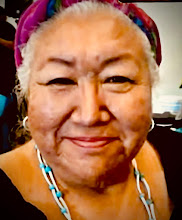

No comments:
Post a Comment