
The following is my transcript from my podcast
good morning. apparently some of the stuff that I do goes live on YouTube right away. Okay, so it is Thursday, July twenty third and it is so smoky out here. I know it is all over the prairies, all over North America, but this is getting really ridiculous. Even if you have a little bit of rain, it clears up for a bit, but then it just it is still in the air. It is in the atmosphere. So I have asthma, I have had it most of my childhood. Now people say, Don't tell everybody what you your life. Well I am saying this because a lot of people, especially when it's smoky like this, to they're you know, they they're getting really tired and I'm saying that's your lungs. This is this is having an impact on everybody's breathing. And if people don't have inhalers, then I say just drink strong black coffee. relax, ⁓ have a sip of coffee, don't rush. You know, if you're rushing off to work, don't rush. Just take things easy. Don't get stressed out, because it affects your breathing. And then that has pressure on your heart. So anyway that's my two cents for the day. the other day too I received email. But the thing that that's disturbing about this email that most of my ⁓the people who will listen to my YouTube who come from Sutina Nation who are nation members. Like one I got a email, which to me is very surprising because, you know, during the past twenty years I received very few correspondence from people on my blog. So it's surprising to me that that people like I use the example when I went to Las Vegas. It was surprising to me that, you know, people had been reading my blog. Because like y usually ⁓ if somebody's reading your blog you'll get some attention, they'll email you or something. But that's not always the case. Like people listen. And ⁓ so if you're going through my YouTube and you see a comment about a leadership in my community, you know, take it take it for what it is. You know, twenty years I had people, a certain ⁓ like I'm saying The people who did reach out to me, ⁓ some of them like I j just didn't seem credible. And so you have to take things with a grain of salt, especially when y we grow up in a community where there's so much lateral violence, misogyny, gaslighting, what Machiavellian attitudes. I mean I'm saying all these big words and you know, if you're listening and you have some story or narrative that you want to relate to me and you put it out on my social media, I'm not taking it down because ⁓ it's an example of like how people use their voice. And it's a reflection on their psychological makeup. So for me when some any f any female, like when I read my the emails and I either chose to engage or you know, or I'll say something and they don't respond because like they it's just I don't know, they get upset or whatever causse they're not getting the attention they want from me. So I'm not using my podcast as a platform for any of the discussions this anonymous per s person d dished out to me only because I'm so familiar with people who have been discrediting me my whole life. A and yet I'm not in public office. ⁓ you know I'm not in I you know I'm I haven't been employed in the on the nation for good reason. ⁓ just the lateral violence, ⁓ especially when you're not part of the community in the sense of like I left, I and also that I'm female. Like I I've gone into quite a lengthy discussion of know the trials that I've gone through in terms of lateral violence throughout my whole life. Like starting the first daycare center just so I could have a place to stay in the basement after it was renovated. That that didn't click with the male with misogyny and leadership. And then twenty four I helped with my mother was an alcohol counselor, helped her set up the first detox treatment center, renovations. All the money came in and again I requested if I could stay in the basement to look after the place cause I brought helped bring in the money. And again leadership said no. And I I want to put it this way too. There were serial rapists within my community who got away for decades and had sexually assaulted quite a few women, like over ten women older than me. So when I was assaulted by these two individuals, ⁓ It was quite clear that leadership who were related to these individuals wanted to quiet me. So at twenty four let's see, that would be gee, f sixty two seventy-two in the seventies. yeah, it has to be in the seventies, early seventies. you know, they put a policy out there that any single indigenous woman who was from Sutina could not apply for a house if she didn't have children. So that meant that any single female Sutina, not male, Sutina female, could not apply for a house un until she was over the age of fifty five, after childbearing years. And yet, you know, the Indian Act, what the hell? What was it, in the seventies as well, they finally got the human rights, I think it was the United Nations or somebody said it's the Indian Act is discriminatory to women, indigenous women. Like hundreds of years, you know, indigenous women have had to face lateral violence. And so I'm not making excuses for the lady who sent me an email. I'm just saying that there's has to be clarity in in what you do, especially when it comes to reporting sexual assaults. And I and my hat's off to you or anybody who tries and you know wants some justice. But the reality of it is Like I'll say for example, with Nathan Chasing horse, I'm not the victim. I was warning people that he what he was doing in victimizing girls, teenagers. ⁓ you know, now, you know, my reality that he's sentenced for life and that it wasn't just girls, it was children as well. Which to me is horrific. It's horrific. I mean, it takes a long time for me to process these things because, you know, I spent so much time thinking it was just teenage girls. Now again too the word grooming is a real like even in court I think the first case with Nathan Chasing horse and even the lawyer during the trial had had said he didn't want to use the word grooming. ⁓ the first time I've ever seen grooming was in seventy six. I was in Utah, living in Utah, and I was amongst you know, I was young and I was around a lot of other Native American girls. And the National Congress of American Native American people were having their conference Congress, they're called Congress, and they were having their national con Congress con convention in Salt Lake City. So for the whole week all the girls, the co eds, the Native American girls went up there to volunteer, you know, to sit at desks and register and help the leadership from all over the United States. So you got to understand too, United States be was ⁓ what is it? Two hundred years old in nineteen seventy six. I mean Canada, we didn't even like y you know, we're such a we're such a s a new country. But anyway, ⁓ you know, speaking of rights and spiritual and the ne like w it was illegal to even have sweats or Sundance in the seventies. But these young women went and helped and for the whole week like it was just grooming. For lack of better words, like it was appalling that you had what, doctors, lawyers, Indian chiefs, like just grooming these girls and you know, coi d like taking them out to eat, seducing them, like all that. And the young women, as naive as they were, they had an objective. So you know, to help and even to get some notoriety that they knew somebody famous, somebody educated, like it's like today with social media and all these celebrities people with money, people gravitate towards them because associating with somebody in that position of power gives them a little bit of ⁓ credibility, even if you're not educated and don't have critical thinking skills. So I can understand like when people say grooming, it's the way and a ritual in which men either ⁓ scare the bejesus out of the child Or men cater and buy gifts for the child. ⁓ I mean that's one of the ⁓ red flags when it came to my one of my nieces. ⁓ you know, Nathan bought her over a thousand dollars worth of clothing. Which to me, that's when she showed that, you know, he only loved her and only had sex with her. Now understand this too. I have another niece too. This whole we'll call it mental health. The whole like when people when people say, Well, Marina, like you're obsessed, I'm going, No, you don't understand. When people are in denial that there's alcohol and drug abuse in our communities, and you know, if you've been involved and you drank and your children are FAS E like I like I have cousins, second cousins, you know, like their children are FASE and then their grandchildren. It's And then then you have people who are in denial that that ⁓ you know people do have been living with FASE. Sometimes people expect like the facial or some physical way somebody looks, but it has to do with behavioral. And that's why in psychology and how you perceive or see things as what's normal in terms of natural human development. That's why I s I struggle with the fact that the lack of mental health for our children and our teenagers, you know, is lacking. They fall through the cracks. So, you know, the bottom line is that I have two nieces that have FAS E who just totally ⁓ were infatuated with Nathan and critical thinking skills weren't there. Even though they appeared to be, you know, not affected by fetal alcohol syndrome like the extreme case of the eyes and nose. It was their like causse you can't see it in the brain. So again too, like ⁓ I know my late brother used to say, ⁓ I have FAS E and I said, No, you don't. I said, you know, our mother didn't drink, you know, like that's the whole point. You know, when I say alcohol didn't come into the communities until the sixties and then even then I noticed a shift because prior to that parents would visit each other and support each other and have rummage sales and bake sales and try to raise money. Because the Indian agent was in charge. And the very fact that when alcohol came in everybody sort of became silent. And I think too the reality of like the family violence became more prevalent, more exposed. Most women said we didn't even know if somebody was pregnant until we saw diapers hanging out on the clothesline. So why am I bringing this up now like people ⁓ you know have been have desk jobs Like this the this ⁓ event that this young woman I'm supposing she's young because she's talking about leadership and the lack of what's the critical thinking skills. And to me like, ⁓ yeah, well, you know, you have the right to tell your story. But to these things took place in two thousand fourteen. And you know, to me it's just it just gives me the heebie jeebies. You because in in the in the conversation she says like she took a video camera and videoed this poor young woman intoxicated. Like for me, ⁓ throughout my life sometimes I've seen men beating up their wives and I'll step in and say, Leave her alone and you know, and I'm like I'm really naive. I step in and I say and again, I didn't realize this until, you know, like police officers when they go into a family of violence to they put themselves at danger. Well, I didn't know I put myself in danger by, you know, go going up to the couple and telling them to stop it. And the woman the woman churned on me, you know, defended her partner for beating the bejesus out of her. And I was shocked. I was just totally shocked. So again, you know, when people try to ⁓ expose somebody by videotaping them, and they take it to the tribal police, just because they're videotaping ⁓ person intoxicated. See, ⁓ there's as a as human beings, we have the right to say no. And I'll see, the other day during the Calgary Stampede ⁓ in a parking lot, there was a young indigenous man who appeared to be overdosing. He had all his drug paraphernalia out there and it was hot I He wanted a b a bottle of water, my friends were with me. They gave the bottle of water to him, called the ambulance, the pol the fire department came, the ambulance came. As soon as he heard the siren, he just snapped out of it. cause he looked like he was going to p to overdose. And I didn't have any of the Narcan with me. So anyway, the all these EMS and fire people came to him and they said Do you need any help? And he says, No. Just based on that, just based on how intoxicated with drugs and elk drugs, ⁓ they left. And they told my friends we can't do anything because he refuses help. So like that's and I like and I'm going, yeah, that's why like usually when you have Narcan and you spray it up their nose, it's because they're unconscious. They they're they don't they can't give any consent or deny help. And that's that's just the way it is when it comes to human nature. You know, f when you when you drink alcohol and drugs they say what alcohol has its own spirit in the sense of like how you think and how you behave. I mean life's hard enough in interacting with another human being, especially when you're sex you're a sexual human being. ⁓ and again too y you know that once you ⁓ you know, like I don't know some people don't really talk about healthy human sexuality, but the reality of it is that, you know, some people will look and say, it's a disgruntled marriage. ⁓ he didn't really do all this, he didn't really groom her since she was a child. He she did consent to have sex with him, lived with him for decades, and now she's a scorned woman. I mean the defense and the way the justice system is set up, I it's it's and the lawyers say we don't want to use the word grooming because it's it's sort of like avant garde in the sense that, you know, people ⁓ go to parties and they have, you know, all like no holes barred parties. You know, I mean even I mean it's sort of part of the system of being human and ritual abuse because You look at that guy, that seventy one year old senator and his r relationships and you know, there's I forget what's the and again, pardon me for being so naive cause I'm an elder. ⁓ but I didn't know what pegging was. And so, ⁓ apparently, you know, the the way ⁓ again, I'm not even a male too, so I don't understand the whole sexuality of men to men and the need for men to be submissive, ⁓ like to experience that what it's like to be a female in a submissive role. That being said, like there's so much dynamics to human sexuality that you know you have to really put all your ducks in a row, especially when it comes to comes to people who groom, who human traffic, and even the fact that what, seventy percent of the people who traffic are female. So yes, of course I'm going to be skeptical when a female puts a comment on ⁓ on my what I when I do my podcast because ⁓ as hard as the reality is, ⁓ no older woman who reads this will say, my goodness You know, no woman would say that. They'll just say, No, she's lying. I mean credibility here. ⁓ You know, even like that's in two thousand and fourteen, it's two thousand twenty six. You know, like that's twelve years twelve years of even to the point where ⁓ I don't know what year it was that somebody wrote on a on a b on a whiteboard in a public place accusing leadership of this, you know, like having like ha having a party in in the United States w because the leadership went there. And again, it's no biggie causse I saw that in nineteen seventy six. I saw all these well doctors, lawyers, Indian chiefs, like ⁓ educated men, ⁓ just, you know, whining and dining, young women in their twenties and, you know, the young women, you know, you can't just go and say, Don't have sex with that guy. He's married. Or he's, you know, only in town for a short bit. Like it's none of your business because, you know, the th they're they're adults. So that's why like when it comes to ⁓ how people see things and why they're interpreting things the way they do, ⁓ like for me it like my older female friends are going, like so many people have said so many things about us as women. Like even like for my reputation, ⁓ it's all hearsay discrediting me, lateral violence. like leadership, you know, they take on this role and they are going to be criticized. And for indigenous women in terms of how we treat each other is horrific. And so, you know, when I do my podcast and I get I'll get a ⁓ on email like I said for the past twenty years I got certain emails that were similar to what this lady posted on my YouTube channel. And so it's not a it's not a uncommon for people to want to write on ride on somebody's social media platform to get attention. But that's why I'm doing the podcast is just that, you know, you have to understand that ⁓ when you're involved in a situation that you really have to have a foundation. You you cannot you cannot go to court unless you have everything documented. And and again to why why even why even email me? Most of my my ⁓ my narrative is about the fact that I was a warning people. You know, I was warning people and I'd give them like if they text me I'd I'd give them some suggestions and Whether or not they took it, it like that's that was in their hands. But but I wasn't there ⁓ discrediting in the sense of going to Nathan Chasing Horse's followers and saying, charge him, charge him. I didn't do that. I you know, I like at my my podcast, you read my podcast or any not even my podcast, my blog, you know, there there there's no time that I would advise anybody to take somebody to court just based on hearsay. So the fact that it's taken twelve years and this person is still wanting to discredit leadership and attack attack leadership makes me wonder ⁓ just how much healing this individual needs because When when it it took me decades to take ⁓ these serial rapists to court, one of them had died at twenty seven and the other he still lives in our community and his family still the families of the serial rapists still, you know, are in positions of power and you know, they they groom. You know, that's why I say in the grooming process a lot of our ban funds are being used and a lot of people justify the grooming money as like, no, this is my job. But but the reality of it there's accountability the fiduciary obligation of leadership. And and that's why it's important to have critical thinking skills because when when you're involved in it, like if if you want justice and it's you that are the victim, then then what is it that you're reflecting on? What is it that you created in your character that that has kept you prisoner? So that's why ⁓ in in having women say have a narrative of w how they've been abused is important. It's vital because it gives you a reflection on your own life, your own behavior. And and so for me as an elder I say, no, when I presented ⁓ star blankets to the two ladies who had known Nathan most of their lives, it was to to confirm to them that the one young woman was young. You know, she she was sexually assaulted when she was eighteen and she knew Nathan when sh when she was three years old. Like that relationship, ⁓ all those decades and and the fact that she had the courage to file the complaint fourteen years ago and and nothing was done and she st she kept by her guns in terms of the legal system and and finally got her day in court. So gifting her And is a validation and saying this gift here stands for the courage that you've you you mustered up. Like like like imagine decades. That's why I say healing just doesn't take overnight and it's a process that you as an individual who are the victim take it upon yourself to deal with. And the fact is like after you do it, you'll say, Why didn't I do it earlier? So that's part of why I do my podcast is I'm an elder now. ⁓ whatever behavior I have in terms of lateral violence like misogyny, gaslighting, manipulation, those things that I have as a human being, have I eliminated those? Have I eliminated have I eliminated those self defeating behaviors? Because those behaviors I adopted in me to survive as a victim. And so that's why I caution people when you ⁓ yell wolf and there's you know and people are you're trying to get attention of people. There's only so many times you can yell wolf. And the way things are today in terms of ⁓ support systems. You know, I try and I say in in my community and for this young I don't I'm assuming she's young f because again she was traveling with leadership in two thousand 14 So she has been in administrative positions obviously for f twelve years. you know, I say, ⁓ who are your friends here in Tsuutina? Who are your female friends? I always and I will continue to admire all those young women who went to Nathan's Wa Weepie ceremony, all those women who were there realizing that when Nathan took two of their friends and what he did to to the women the young girls to their age who weren't a part of their circle, their friendship, their like their camarad camaraderie. You know, they banded together for twenty years these young women since they were teenagers. And they went through ⁓ high like el junior high, high school, college, getting married, having children. breakups, new relationships. Like now they're in their thirties and they're still friends. They're still friends and they still have monthly meetings or if somebody's in a crisis they'll all band together. These young women in Soutina. So for this woman who emailed me who's from Soutina, my question is where's your support system? Where is your support system? Because only other people can help heal. because they're sh you're sharing a narrative with a group of women. There n there's nothing to gain with them. Nothing ⁓ in terms of like what they share and how they listen to each other and support each other. The fact that they went down to Las Vegas to be there with the two women who had left with Nathan. All to these things in her how they're going to celebrate and support each other for the rest of their lives. I commend them and I and I try and use that as an example. Prior to nineteen the nineteen sixties, before there was alcohol and drugs, people gathered together like these young women. They shared and they spoke and they did things together. Now I I say that because I'm seeing it. I did it didn't happen in my generation. I don't think it happened for people in their fifties or forties. But give the credit where credit is due. the reality of people sharing their narrative, their story, their struggles, their trauma, their whatever addictions, whatever they are, that they're sharing it and they're living it and they're being supported. Because then when they need each other, when something horrific happens, they'll be there they'll be there. Now that's why for me when I talk about people sending me information that ⁓ like what am I gonna do with it? Obviously for twelve years this this ⁓ person has been trying to get this person and leadership charged when she wasn't the victim. When she didn't even talk to the victim to even ask the victim if it was consensual. And the fact that she even videotaped the victim, some alleged victim, as being so drunk she didn't know where she was. And again, with no hesitation of even asking questions to the so called victim, which to me is like, What the hell? You're a woman. Why didn't you ⁓ pull her aside and say, Let's have some coffee? Why videotape her? And even the next day when she says she doesn't remember how she got to her hotel room, why didn't you just say, ⁓ were you that intoxicated? Or was it just something that you consented to and didn't want anybody to think? that it was it was consensual that you wanted to keep it private. Like I said, in seventy six when I saw all those coeds cavorting, I guess you could say, like sowing their wild oats. Again, I was young, I was promiscuous. That was a part of healing. That's why I'm trying to say, you know, come on women. You know, for years men were supported in being promiscuous. then all of a sudden there's this sexual revolution in the sixties and so women became promiscuous. I mean I have friends who are sixty five now who are still dealing with ⁓ things that they might have caught when they were promiscuous. So, you know, like the biology of things and just the reality like, okay, we're all like either we had some issue with our mothers or fathers or whatever reason we became promiscuous, that that's a choice. And if we wanted people to know who we slept with, we're not going to tell you. At least sure as hell I didn't tell anybody. I that was my life. So when so so so when someone's trying to slander leadership and and ha create a narrative without any consent from the actual alleged victim, it really makes me ⁓ think like, What are you doing? Wha as a woman, what are you doing? A lot of times, ⁓ like it's human sexuality. Question what is healthy human sexuality? And whether or not like who is judging who in in in what terms of colonial way of thinking that a person has to behave a certain way because it pleases you. Like again, you know, I wasn't born yesterday and most of my podcast I try to put some insight into to wise and why it is important to trust people, why it it's important to advocate for those who are unable to advocate for themselves. Like, you know, people are in denial of FAS E. They're in denial of the way people think about other people when they have F e F FAS. Like I said, it's it isn't just like the facial when you look at people, cause that's what people assume. It it's the behavior. And so yes, you know, like ⁓ my nieces and how they behaved with me as opposed to the people the female people, other people, my acquaintances, my friend my close female friends, roommates, therapists, whoever. Like I have a skill set and for me there's some there's a lot of things I cannot do. My hands are tied. Because again, they have to ask for help. And if my nieces d are aren't going to ask for help, I can't do anything. And so what I can do is I can alert people to behavioral problems that when people with FASE be be and I'm just saying this in the sense that I want to make it clear. Not all people who have FASE have been sexually assaulted. However, it's the it's the fact that they become a danger to themselves and others without even knowing that they're doing that. And so yes, when somebody accuses leadership of things, it's like, are you a danger to yourself and others? And again too, ⁓ who's empowering who? The alleged victim? If this if you're crusading for this alleged victim who hasn't disclosed to you that
she consented freely to being sexually involved with leadership. And, you know, again, consent. You know, even when you approach people to sort of collap collaborate with you like k like yes, this happened, they're not you know, why? You have to actually y you know, I I don't know, human behavior, it it's amazing the that you can assume and it I have a lot of assumptions about people's preference to sexual partners. When it's none of their business. But again too, y most of my conversations had to do with children who like what consent is, especially when it comes to children, teenagers, young adults, the brain development and just the way society is and just what you expose what you've been exposed to through your whole life. I know I've lived a very sheltered life. I know that. people might look at me and think, she's an elder and she's you know, like, look at the trauma she's gone through and I'm going, that's an assumption. My white friends, ⁓ like ⁓ the upper middle class, just ⁓ Machiavellian mother, just you know, some women shouldn't have been mothers. And the fact that like my upbringing as an indigenous child in poverty was a lot better in terms of mental health and brain development than my white friend who lived in upper middle class. So those things you really have to take stock in. And the fact that the majority of indigenous women throughout Canada are the back very backbones of our First Nations Inuit and Metis communities. Now how did we get that strong and that powerful? It sure wasn't, you know, saying trying to persecute somebody for a sexual choice. And even then too, it's up to the victim to have the courage to do it. It's up to the victim to find support systems and a safe place to gather up the courage t and fight strategically, critical thinking. It's important and it it may take a decade, it may take two decades. In my case, it took two decades. It's not easy. You know it's not easy, especially when you think, ⁓ you know, I was sexually active, ⁓ it's just another sexual, you know, pr partner, but it isn't, especially when it's you're forced against your will and you say no. It has a deep psychological impact on you. And if that happened to you as a child and under the age of ten, causse you're unaware of consent. And again, that's a different psychology, that's a different makeup. It's the same thing, you know, when you're a teenager and this happens to you. Again, different parts of brain development. It you know, it's amazing how rezi I don't want to use the word resilient because it isn't. But it's amazing the amount of environ the environment plays on individuals. And when you grow up in a environment where there's misogyny, lateral violence, ⁓ women pitting each other against each other to get up and you know look as if you're like Einstein or some doctor or some something at the expense of other women. And it's not just indigenous women, it's all women because of patriarchy. And there is a slight shift from the time that I was in my late teens and early twenties, that I do see it. I do see that. But at the same time too, because of fascism on the rise, the likelihood if you d are not able to understand what I'm saying about critical thinking skills, as a female, all these rights could be taken away from you. From us. So, you know, as much as you want to look and behave as a savior of this person that allegedly ⁓ had been sexually assaulted in two thousand and seven fourteen. again, where is she? ⁓ most of the mo like if you're read listening to my podcast, ⁓ I don't know, ⁓ Daryl or Marie or other people who listen, who I know listen, I mean, doesn't it make you think What is the purpose if the victim, alleged victim, hasn't reported anything to the tribal police? And even then, if you're not getting a response from the tribal police, why haven't you reported to the city police or the RCMP? There's more legal jurisdiction ⁓ even to validate the report of sexual assault. That's why w if my podcast and your First Nations and maybe you don't have a good policing system But you have somebody who's either, you know, been there as security, you know, there you you report it there and then you report it to any authority that that's willing to just take the report. See, the whole point is you have to really say, I want to report it. Y I y I have a right as a citizen to report this, whatever that criminal activity was done against you, even if it was slanderous. You have that right. So again, I'm I don't like I said, throughout the decades when young especially teenagers if they contacted me and I'd listen to their stories, if they didn't come back and you know, ⁓ follow up with me, I knew then it was j they just made up that story. So and that's the risk that people like when I do my podcast, that's the risk or even the blogs that I've written. That's the risk that I take in in saying my narrative that people will there are people that just make up stories. You know, I was talking to my friend yesterday and you know, she she's been in politics her entire life. Like really. I knew her when I was nineteen and just the amount of work she's done for the advocacy of indigenous women is is amazing. It's outstanding and the fact that she has so many indigenous men throughout Canada who praise her. So we were talking and she says she was telling me about her friend the Northwest Territories who came in to see her and he he says, Marina, he just held my shoulders, looked me straight in the eye, and she says he just told her, you know, don't ever let anybody think less of you. K you know, you sh he just told her how much he admired her work and that to keep it up. And I said to her, Yes, it's important for people, especially indigenous men, to see us indigenous women. And and for me, maybe I'm naive and or maybe it's just the fact that I I've just been around so much ⁓ hypocrisy and lateral violence or just how people want to see me that that it only took what March and April to be seen. I mean, mind you, I corresponded with with ⁓ Wachashtawastea for three years and ⁓ the fact that he saw me d I said that to my friend yesterday. I said it it's so important to be seen. And but it but it but it's important, I said it it's so important to be seen by men. Because then that because then you know that they understand you, like they understand the work you're doing. And so for me, like when I say I'm doing my podcast, yes, I I've been seen. I've been seen by a man and again Whatever work I'm doing and whatever he sees me doing is important because I've been seen. Now, ⁓ again, even though I'm saying I'm not going to ⁓ email or address this lady who left a email on my YouTube channel, ⁓ the fact is I wanted to address I want to address lateral violence, misogyny. A lot of people say, What is it? How do you do how do you breathe it, eat it and smell it? Well, that's an example. This is example of misogyny and lateral violence and the need for healing. even even in the terms of ⁓ disclosure or like I said, these young women, there's about ten to twelve, maybe fift fourteen of them in my community who who are there for each other. I am pretty sure that if one of those young women who support each other had gone off ⁓ with with leadership and got drunk and stuff about leadership, I am pretty damn sure she'd be telling her her her group what she did. You know, and that she you know again, like having support. Having support like it's so vital. Like I miss my friend, you know, we were friends for thirty years. I miss her terribly because I c you know, she knew who I slept with. You it's important that you have a support group. And I'm just grateful that that in Sutina the the the outcome of what Nathan did at at the sacrifice of all of his victims, that a group of young women have band together and have become strong and healthy and will continue to do that throughout their lives. Like I I wish Chief and Counsel would honor these young women, but but again too it it they have to still help heal one of their their one of their s their members because it's it's taken decades for her to to you know stop drinking the Kool-Aid. And and so, you know, they're they're being patient and and supportive of of the victims of Nathan Chasing Horse. And hopefully at some point they'll they'll feel healed enough enough to celebrate. Enough to celebrate that they've had the courage to face s a man they feared for years. And this man did started grooming them at a very young age. This fear, creating fear You know, when when you stand in front of the courthouse and you look at the the perpetrator, the man who hurt you and you say, You hurt me. You hurt my life. So when ⁓ Nikki ⁓ Big Crow on the fifth estate is crying and saying, He hurt me, he look at what he did to my life. My hat's off to that young woman. She wasn't a she didn't join his cult, didn't follow him. She fought from day one to get Her day in court and now he's ser Nathan Chasinghorse is serving life. But at least she had her say on the fifth estate. At least she had a voice, a narrative to be interviewed and tell her story. And and for me, that's why I talk about fiduciary obligation when you swear, when you get in a position of power that that you're going to protect the most vulnerable, the women and children, and you fail. Or you y or you groom the others who are who are part of the grooming process of Nathan Chasing or neglecting the actual victims that didn't follow him. Like where's the compensation? Where where is the validation that y you d you you dropped you dropped that that stick, you dropped that you dropped it, you you that oath you took, you didn't you didn't fulfil it. So you can be you can be the former chief and say, look at what I did to Sutina, I did this and this like bragging, like being cocky When when you supported Nathan Chasing horse? And here's this young girl now. Like my hat's off to her. So, you know, my giving the star blanket to the mum and daughter in Las Vegas and and just it was a validation with them because they knew, they said, We know there are other victims out there who will never have their day in court, like Nikki. I know my niece is gone, but but I want to also, you know, under have people understand part of the grooming process and what he did to my niece and how she suffered. Like she was a danger to herself and others. I made sure I had backup, I made sure I had had someone, like a forensic psychologist, to validate the efforts I made in trying to accommodate my niece.But then again, you know, people who have FASE and just the struggle for critical thinking and who to trust and who not to trust. Like out of fear. So that's why, you know, people say, there's no such thing as FASE, look, you know, I don't see it out here. No, it's there. It's there in behavior. So even though people look at me and they wonder, like, what's my background about? Who what's my strength? Well I try and do this in my podcast to let people know. So many grandmas, so many indigenous women ⁓ look after their adult children and their grandchildren. And and some of them have the courage to admit that their children are FAS E and their grandchildren. And and what can we do? We have battle fatigue looking after them. So again, too At what point and at what place do Indigenous women have in the public when it comes to like AFN, the like at a national level, what is it that Indigenous men can do to actually bear witness and say yes, I see you? So yes, my my my friend yesterday when she said her her Inuit friend just grabbed her and looked straight in the eye. And I told her, yes, he saw you, he sees you. As it's important for a woman to have a man see her. Now, for for other women out there who want to try and say like, I'm doing justice, when basically is it really justice? If you haven't had the courage to even talk to the alleged victim or even to understand what it is to be sub of support of somebody who's has been a victim of sexual assault. Like I said, my my friend I was friends with her for thirty years. She she married into Sutina, a very violent man, very violent, very powerful in terms of politics, was a banned counselor, never was charged with any any human trafficking. Even even, you know, the threat of trying to kill his sons with a pistol, doing Russian roulette when he's drunk. You know, I she need my friend, I you know, I I I was there listening to her stories, listening to her narrative. And then she was there for me. Like even right now, if she were alive, I could phone her up and say, Let's go ut for lunch. She'd say, Okay, and we'd meet. Like
I miss her. I miss her terribly. That's what friends, female friends are. You know, it that's why it's important for these young women who band together and are friends. It's important 'cause men don't understand the female psychology, especially when women choose to have children and have to defend their children for the rest of their lives. So yeah, it is it is a bit disturbing that somebody would try and use my platform to ⁓ basically ⁓ slander leadership. And it's alleged slander, okay, because I don't know the whole truth. It's not my position to know the whole truth. and again too, I don't you know, being anonymous and putting it out there i like that's that's that's not courageous at all. Especially like you're not a lawyer, not a therapist, you're not a social worker and Obviously the person the female that you're talking about, does she even know you're talking about her or representing her? Like she has a say. But anyway, that's like I said, my friends and decades, every decade they say, every ten years your identity is being challenged and you know, I've had many lifetimes where people have criticized me. And and you know, just to be seen. That's why what Chashtawashte I told him, I said, I'm not telling anybody I'm going to Las Vegas. I I didn't understand it was, you know, like I said, it's my private life. And and the fact that I didn't want to share the fact that he saw who I was. And and again, in human relationships, there's always the tendency to, you know, have feelings for for someone who sees you. That's just part of the human condition. Throughout my life I've met so many men like Wachashtawashte. The only difference is ⁓ I think because of the work I've done for myself and and hopefully helping other people through my blog or my podcast that the my evolution has has changed. How I perceive myself and how I see other women has changed. And and so hopefully if you're listening and and you ⁓ I sort of hit a nerve because you've gone through this yourself as a as an indigenous woman, then then I at least I'm ⁓ making some effort or some headway into educating people about the importance of taking care of our mental health. I'll I'll use an example too, just recently and I'll I'll use an example in terms of ⁓ central like our our central nervous system. I'm like a like we we all live with it, our central nervous system. However, have we stood back and said, okay, is this behavior how is it how is it affecting my central nervous system? So we'll use an example of of ⁓ addiction, say casino, and we'll use another okay, so the brain, the human brain, the behavior is this individual ha is ⁓ addicted to casino, also addicted to pornography, also addicted to fast foods. How does though how are these three addictions related to the individual's central nervous system. Well, you know, they they say if you s you give up gambling, you give up watching porn and you give up going to fast foods and start eating healthy, you know, st realizing that you know, sex actual physical intimacy with another human being is better than watching porn. Or and you look at like why am I gambling when, you know, that's hardered money and like I like the the the realities of, you know, I'm not I'm not hurting anybody but myself. Like why disassociate yourself from reality? So once you like and I'm using this as an analogy because this is part of the central nervous system and how we sort of neglect our our mental health or our central nervous system. So when when ⁓ and indigenous people like when I talk to my white friends and I like for example when I was at university on my fourth year we have we're having a discussion and I I asked my my peers how how many people have died during the four years you've been to university? ⁓ rare case somebody says two. And I said, Do you know how many people I I I've known directly and indirectly who've died during the four years? I said fifty. Now when when anybody has passed away in my family
All of a sudden, you know, I my body heats up and I start having a headache. So the other day one of our childhood friends passed away and and ⁓ one of the relatives went and to console the siblings, who are all elderly, and some you know are young too in their forties, and you know, even younger, like because it affected the entire generations. And she said she said, I went there and I gave him a hug, and she says their bodies were just high. Hot I said, Yeah, that's their central nervous system. That's how human beings are. I said I said, So that's why, you know, when we're faced with so much tragedy and death in our communities, it's important to look after our mental health, like our our addictions, like gambling, pornography and fast foods. Because at any time somebody could leave us. And so how how is our how is our ⁓ the thoughts
or the actions that our thoughts create in terms of our central nervous system. How how does that affect us in our longevity? I said I said the the reality of it is I and I'm using the extreme examples, so if it triggers you, you know, it I I don't mean to trigger you, but in human trafficking they'll they'll take the child and they'll have sex with the child all day for four days continuous. Understand this no. Sixty percent or ⁓ or sixty or seventy percent of human traffickers are female. The other thirty forty percent are male, have control over the female. They they they gr they prepare prepare the child for prostitution. So they have s they get the child's body ready to have s more par sexual partners in a day. And so that's why they constantly have sex, make sure that they're locked up in a room and they, you know, ritualistically have ⁓ rape her for out throughout the four days. Now, even in Nathan Chasing Horse's testimony with his victims, they they disclose this type of grooming, this type of ⁓ preparing the individual for trafficking. So so what happens after four days or the fifth day? The body heats up from day one constant. you know, constant trigger of the central nervous system of the human body. The it the body heats up. And and so in order to ⁓ see if the child's body is ready for sexual activity for trafficking, they they they let them rest. They they let them rest I think on the fifth day or sixth day. Because their body temperature is so extreme. And and during that cooling off period for twenty four hours, the body hopefully the central nervous system finds balance and the body temperature will come to normal. It's like in the grieving process when you're you're shocked that somebody you love passed away and you'll no longer see them. Your central nervous system just ignites and and and your body temperature rises and you start having headaches, migraine headaches and you know just things that your central nervous system you don't even know unconsciously is triggered. So when when they let these children rest A lot of times they die because they their bodies cannot regulate their central nervous system cannot regulate their body temperature. And the ones whose body temperature go comes back to normal, they're ready to be trafficked, they're ready to have so many sexual partners. So that's a extreme example of central nervous system. That's that's a mild example like for I mean I'm I'm giving a mild example when it comes to to ⁓ preparing when somebody's gonna pass. Our our central nervous system and how we treat ourselves, how my my late mother used to say, Love yourself. You know, it's important to love ourselves because somebody's depending on us.
Someone's depending on us. And this morning I called my cousin in Manitoba. She says, my alarm went off, but I I shut it off. She says, thanks for calling me. And she says, I'm so tired, Marina. I said, Yes. The smoke in the air is bad. I said, drink some coffee, strong coffee, no sugar, no cream, just black coffee. Sit down, relax before you get ready to go to work. And don't rush to go to work. Have a coffee. So you don't have an inhaler, so the best thing to do is have a coffee with caffeine. But again, you're co trying to get your central nervous system to regulate so you're not putting so much stress on your heart. that's what I told her. ⁓ you know, just just take care of yourself, relax. And and I again too, it's important too when You're going through some crisis to make sure that you have, you know, people there who are supporting you. Can ha who can help you relax and really see like like it's important to be seen. I think I think it's like any any living thing, even my puppies. You know, they like like you know, it's important to be seen because once you're seen, all of a sudden your central nervous system just calms down. Yeah. So yeah, I'm really grateful for what Cashtabashte the fact that he ⁓ saw me in in a in a purely different way than I'd been seen before. And and it's important like that that throughout our lives that that we we be seen by other people. Not not with any hidden agenda. Just just to to be seen in what what we do and how we thrive. So my cousin thanked me for calling her and I just said, you know, the smoke is getting the best of us. So, you know, take it easy. I think there's over a thousand people that went into the emergency because of the heat. It's supposed to cool down today, but I can't even see like I can look across the field, but I ca the smoke is so so thick. I've got air conditioning, ⁓ humidifier. humid humidifier and ⁓ an air purifier. So those are the skill those are the things that I've invested in over the years. But ⁓ anyway, stay healthy, take care of yourselves and ⁓ be mindful. Be mindful of What you assume.and how you assume what people do and why people do what they do. So for me this most of the podcast what I talk about is my family. And like I said, I I think part of it too is to to have people understand no matter how educated a individual family is, when it comes to a crisis, it's other people from other families who come in that help heal. When you don't have that, when there's so much alcohol and drugs and people try to just oppress or suppress things, they're not there when their neighbors need them. So that's an important factor too. So again, I saw that when I was a child, I saw I saw people there being for people. And and I know leadership is trying to to do this for us. But we need to we need to really have some critical thinking skills, especially when when people are ⁓ being targeted
I you know, people like I can't even comprehend why anybody would run for politics. Just the the lateral violence and the the hate spewed out there. But yet you know, there are people who support them. And hopefully all this stuff with this lawsuit and all this stuff that our young people are engaging with to make sure seven generations of our people are are are gonna be looked after. So anyway, that's my two cents. if you're listening in, I'm grateful that you're listening. I hope I hope ⁓ and like I said, it's important for women ⁓ to just be there for each other. And even if you can't be, and you know that that person's not ready to to be to to you know to ask for help or to trust somebody, that's okay. It it's just as long as you're taking care of yourself and like I said, my late mother would say, love yourself. It's it's important. It's an important thing. And throughout my life when I've thought, so and so needs help, ⁓ I think outside forces say, Well, have you taken care of yourself? Have you looked after your mental health? Because you can't help anybody if you yourself are are not well. And like my friend said, she says there's so many people who dried out, who don't drink and drug, who who live what do they call they're s they're they're they're dry drunks, like they're like it's just the mentality of like how powerful ⁓ years and years of thinking a certain way takes a toll on us. So most of what I try to do is I'm saying, look, it took me twenty years. And then look, it took me another twenty years of just talking about trafficking. In a in a sense I didn't even know it was trafficking. Or or even what grooming was in in my, you know, in my early like in the seventies. So a lot of these things are still gonna be around. They're around every day of our lives. But it but it's how how we choose to manage it and who we choose to trust with with our stories. Okay. I'm going to sign off now and finish up my coffee and make myself some breakfast because it's eight thirty Mountain Standard time in Alberta, in Canada, in North America. What else can I say? Have a good day from wherever part of the world you are.


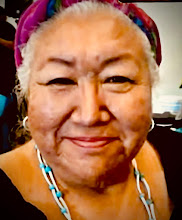 Memories of my late mother saying her dad, my grandfather taught her in a warning that the Dakota Medicine was good, but not anymore. As far back as 81 years ago, fake medicine people deceived their own people for money, power, and glory. Our grandmothers showed us through their prayers helping us celebrate love and helping us celebrate life within our families. Through my own lived experiences, I had to eliminate my own self-defeating behavior. Our people are depending on us to bring justice into our Indigenous Communities. Our Indigenous girls and women are going missing at an alarming rate and are being human trafficked. With little help in finding them or bringing their killers or abusers to justice, I started this blog. I never thought I would live to see such as year as 2023. Today, I feel blessed to be able to hold those who reached out to me in high regard. I am truly grateful, Creator’s Will guided me in my lifetime to see Nathan Chasing Horse arrested. And, yet at the same time, I grief for all his victims who died before they could see him brought to justice.
 https://abcnews.go.com/Nightline/video/dances-wolves-star-nathan-chasing-horse-accused-sexual-114067081?sfnsn=mo Throughout the decades of...
No comments:
Post a Comment