
Marina Crane (00:02.328)
Good morning. Marina Crane here. It's August tenth, twenty twenty six. And the weather report still can see the Rockies. Still smoke in the air.
What can I say?
The world is burning. I just hope everybody's doing a lot better. Like finding cool places to be or places where there's a lot of fresh air. And understand Alberta has one of the pl was one of the places in the planet that has the cleanest air until we get forest fires. And that's because of all this stuff. Now we we're the third largest oil producer because of crude oil.
But yet the amount of water it takes from the earth in the northern parts and they wonder why all of the forests are burning. Okay, that's not my podcast that I'm hoping to talk about today. And a lot is happening. you know, I mean, you know, we talk about people we care about, we've grown up with and
You know, and then you know, like recently one of the older couples, one of the partners died. And so everybody's worried about her husband and how he's handling things. And you know, I think for women, when women ha decide to have children and and there's death within the family, the the woman the children help their mom.
Marina Crane (01:45.155)
even if they don't directly understand it, it's because y women lose their identity with every child they they birth.
So for the first five years their identity is lost within the child. Like say with my f mother, she lost five years of identity with me. And and again, men don't have that 'cause it it's not part of their hormone or their brain structure, but but again too there's a difference too in in terms of how men
like how men behave. Some are very violent and in in how they e like like when I'm saying violent, I'm not really talking about some yes, physically assault but s but in terms of even thinking, there there are violent ways of thinking that that people don't sort of get but then for me when I look at the whole structure of the the men that I've grown up with and their s the life that they've chosen to live
their partners, the relationships. Th there are there are differences and I think I think when men tr use all their energy into suppressing or controlling it it's it's a little harder for them and I'm not saying harder in the sense I think they're very f brittle or very f weak, fragile human beings
Whereas men who aren't violent in the sense of how they treat their whole life and what they do to people, i is done because of free will. for them there's they're they're they're malleable. They're they're a little stronger than than most men. That's just my opinion. I could talk about examples, but I won't this time. This time I want I want to talk about
Marina Crane (03:45.079)
Like a lot of the
denialism of Indian residential school or just the whole Indian Act and how it was how it was cr why it was created and why a lot of people have some misconceptions about it. And and of course I'm not naive to having misconceptions about how I grew up either. I mean, you know, th these things weren't taught to me in curriculum. the only reason I know some things is because my family was politically involved with a lot of things and then when I was in my late teens I
became a political activist as a youth, finding other youth who were teaching me things that I should have known but didn't know because I wasn't in university. So I'm gonna play this clip and I and it's with a a black woman. she's her name is Doctor let's see Doctor hold on Doctor Joy de G R Y E
And she discusses racial trauma and the impacts of the past on the present. This powerful lecture clips features Dr. Joy de Grey, the author, educator, and researcher recognized for her work on post-traumatic slave syndrome. In this discussion, Dr. De Grey
Analyzes the historical lynching photos and explores the psychological effects of racial violence, dehumanization, and the ways societies can become conditioned to accept cruelty. Dr. Gree's message challenges viewers to examine how slavery, lynching, and racial terror shapes American history and how the memories and the consequences of those events continue to influence conversations about race, culture, empathy, and society today.
Marina Crane (05:34.784)
This video invites reflection, education, and respectful discussion. Understanding history helps us better understand the present and consider how communities move forward. So, a lot of parallels with black history and indigenous peoples of the Americas is so vital because, again, like in the 1500s with the conquistadors taking child girls of 14, 15, impregnating them, even the whole notion that, like
the Portuguese and the Dutch were part of the most cruelest colonizers in torture and just horrible things they did to the indigenous people. But but at the same time they were also doing slave trade, like from Portugal to Africa. So the the black people had had already been exposed to the diseases of the Europeans. But again
without having scientific proof. And again, even today people are in denial about this. But when they came over and the millions of indigenous people that they infected because our biology wasn't wasn't equipped to fight the diseases that they were bringing into the Americas. And because of that, indigenous people were thought of as being poor specimens to be slaves. And so so and and if they did try, the the indigenous people would would sort of melt into other tribes.
So it was very difficult to to have s indigenous slaves because they would die. And and so again, a lot of this history, even when they banned all those thousands of ships that were coming f from Africa into the Americas, for I think a hundred years after they stopped that shipment, the plantation owners were were created what do they call where they they were they were just
breeding they were breeding black slaves with with black women.
Marina Crane (07:46.378)
Anyway, they t they did try to do that with indigenous people but it didn't it didn't succeed. So and I have my own theories and these are my own personal opinions
about what happened in Canada because understand pr Abraham Lincoln, who opposed supposedly ended slavery in the United States, he was instrumental in decreeing the largest mass execution of Sioux people in Minnesota in the late 1800s. And this is the same time like like after the Civil War. So all all this trying to have control over the indigenous population or annihilate genocide. And what does it have to do with
the Indian Act. Well I'll have you listen to the tape and then I'll have I'll h have my two cents or my opinion on this. So if I can somehow get this. I I had it I thought I had it set up but I guess I didn't. But hold on we'll try it again.
Marina Crane (08:51.224)
Here we go. Nope. It's not doing that. What's the matter with you? The playing field has been leveled. Well we're gonna see if in fact it's been leveled. Or is that conjecture?
This is a clip from a lecture given by Dr. Joy DeGrew about post-traumatic slave disorder. Dr. DeGrew is an author, educator, and researcher who examines how slavery and generations of racial oppression continue to shape society. In this clip, she discusses a lynching photograph and focuses on the white children calmly witnessing the violence. She argues that atrocities of slavery didn't only affect black people, it also conditioned others to accept the cruelty without empathy. Her message challenges.
the idea that the past doesn't matter and explains why its effects can't simply be dismissed by saying move on. Now I want you to look at this photo very closely and I want you to see who's in it. More important than the man hanging. Because you gotta understand the lynchings that occurred in America happened after slavery. Not during. Thousands of lynchings happened after slavery.
Because this is a reaction to white fear of what we would do once free. But we didn't create a vigilante group to take out white people. But they did create a vigilante group to take us out now that we're free. See, that happened after slavery. They were called the what? The Ku Klux Klan. They don't wear hoods anymore, they wear suits. But they're alive and well all over the world. Even here. So
Look at who's in the picture. I want you to look at this little girl in particular. You can't see her closely, but she's actually grimacing, like smirking. Now, remember, let's go back to the puppy concept here. She would be loathed and torn up probably if this was a puppy, which means he's less than that. Because she's not disturbed. This little girl is not is not disturbed by this, but she should be, shouldn't she?
Marina Crane (10:52.098)
People always ask me and go, Joy, what was the impact on white people? There it is. Right there. Can't feel any empathy for him. Non-zero zero. There's a little one back here, even smaller. Because whatever she's been taught or told, socialized to believe, makes him no longer human. That's the greatest danger to white people.
Is that they can't feel it. And there's a reason why white people can't feel what we're talking about. My God, what would you then feel? It's tough. So I've got to believe: it's all over now, it's not my thought, I don't benefit, it's not a big deal, let's move on, it's not all those things. But we don't say that to Jewish people. How dare you!
But you have to understand when you unearth this one, that's what we did to our children. Well, you people just pull yourselves up from your bootstraps. What's the matter with you? The playing feel is a bit See, so again, like the the key question was cannot feel empathy. Okay? So recently over the weekend, there was a automobile accident and two
corrections officers were bringing a young woman f an indigenous young woman 24 years old who had served two years of a seven-year sentence for manslaughter. They were transporting her. And on the highway a vehicle hit them and and the two correction officers and the indigenous young woman died.
When when the story broke, they didn't even mention the indigenous woman. They were paying homage to the security off the corrections officers who had died en route. Now, in the past couple of days, all of a sudden your her name has been coming up. T Tamara Tamara I think her name is Tamara Morusa. Morusa. And and she was twenty-four and she has she's had
Marina Crane (13:04.952)
Her she's had she's she's a she was a mother. She had children. She she had family. She had she had all this. Her name let's see, her name is yeah, Kiera K I A R A Munuswa O O S A W. And you know that's she she
died, but they didn't even mention her name when the story first broke. and again, I think part of that is like
This this they don't have empathy. They have more empathy for the correction officers than they did for this young indigenous woman. Now, in in hindsight, when you think about it, if she were white, would would her white parents sue sue the government for not looking after or protecting her en route from one prison to the next? and that's the question that society needs to ask themselves because you know, right now people are saying her name. They they want people to know.
who she was, especially indigenous women, because again, they're erasing the existence of this young woman. I read a comment will say, well she you know, she's she killed a a human being. Well she served two years out of a seven year sentence and again, you know, she was supposed to be protected by these peace peace off these correction officers. So that's my my question there is like why can't people feel?
why why would they why would what would they what would they feel if they you really thought about it? Now again when we're talking about how
Marina Crane (14:54.328)
you know, some white people would have more empathy for a puppy than they would for, you know, a child or another human being that's indigenous. And a lot of times when I'd listen to my mother talk about how she was treated or how her grandmother was treated, like like when my grandmother my great grandmother went to visit my my mother, who was five to fi fifteen years old when she went to boarding school, my mother said, you know, she loved her grandma so much 'cause she used to braid her hair and
Anyway, my great grandmother went to go visit her and my mother said they put her in the basement and put a bale of straw for her to sleep in.
And even when I talked to people about like how poorly educated my mother was in in human reproduction and healthy human sexuality, I said the the people who were looking after her, the white people who were looking after her treated her lower than a dog. In Sioux, there's no sore words, and my mother would say, lower than a snake's belly. And and so, you know, my mother f openly talked about things that
She had a really difficult time comprehending things because she wasn't taught
these critical thinking skills or understanding these because she was ignored. And I I understand that in a sense and I and I think I have a unique opportunity of of that because when I was eight years old I was almost I almost died from double f in infectious hepatitis and double pneumonia. And for like three months I was in isolation behind a doctor's desk at an Indian hospital. And I am gonna write a claim for this because, you know, for for days and days I didn't they didn't give me coloring pencils.
Marina Crane (16:34.896)
c anything to read, nothing. I was in total isolation all by myself. And the only human contact I had is when people would come in and get urine samples and blood. And and you know, I would I was in a oxygen tent for weeks and but the reason I'm saying that is because of isolation and deprivation being deprived of human contact or or anything to stimulate my brain. And and I equate that to like how my mother must have felt you know, being being
being put in like in a in a in a in a just like cow cattle and livestock in a corral, you know, all all you know, just a whole bunch of animals just milling around. Because that's how I felt when I felt better, they put me in a regular dorm for a week before I was sent home. And believe me, I was scared, like like I had threats by other indigenous kids. So I I can't even comprehend what my my late mother had gone through as a child, like for for 10 years of her life.
But but again, like I said, when she first got pregnant, she thought she was gonna have a litter of puppies. And even when I said say that and say this, I know some of my audience will probably laugh and kind of go, What? And I'll I'll say like I said to the academic PhD person who was sitting in the crowd when I was mentioning this story, I said the reason my mother felt thought that is because nobody spoke to her about he re human reproduction.
'cause she was away from her traditional family for ten ten months out of the year. And and her mother died. Her mother my grandmother had cancer. So there's a lot of things my mother was didn't have the privilege of and like I said, even the way they treated my great grandmother who who helped raise my mom when she was away from the Indian residential schools.
Marina Crane (18:25.056)
So so those things, like I said, the lack of education or even human interaction, especially in terms of human development and how children learn from from what they see and how they're being taught as a collective holistic community, whereas in Indian residential school they they were just totally neglected. Now, why am I bringing this up is because you know, my mother I I my lineage I have, my grandparents are all Sioux.
except for my one grandfather, my dad's side, he's a mix of Cree and Sioux. So in when Abraham Lincoln freed the slaves, he he also declared and approved the largest mass execution of Sioux people in Minnesota. And the manc in Mankato, 38 Sioux people were hung.
Now understand this, they did this so that they could have ownership of the property and chase all the Sioux out. They had bounty on the Sioux heads. And that's why I say when it comes to scalping, just hunting Sioux women down who were pregnant so they could gut them and take the baby scalp and the mom scalp. There was a town that was just created in South Dakota just for bounty hunters like that. Again, a history that, you know, people don't talk about.
And so this is w my opinion and why I think this whole notion of slavery comes into play because again, they just didn't think indigenous people were gonna make good slaves, again, not even understanding by all biologically we we were not immune to those diseases of the Europeans. So so how how could they how could they train us to be slaves? Well, they started an industrial school in in colonial Canada.
Like we have one in Calgary in the late eighteen hundreds, around the same time as Lincoln, around the same time as all this mass execution and all this freeing of the slaves, even though the for the fur the hundred years before there were plantations that were breeding farms. Okay, so all this notion of of like some like other human beings lesser than other human beings. So so what did they do? They created the Indian Act, and in the Indian Act it was to control
Marina Crane (20:42.274)
control what do you call what did they call them now? something s savages. The whole definition too it it makes it makes us like like this lady saying, you know, the a child will have more empathy for a a dog. And and I find it's the same thing with with white people today. I have puppies. I have dogs. you know, I I take care of them. And and yet veterinarians and, you know, people just think that I'm a horrible
horrible person and I have a lady who defends me and says, no, Marina is a really good she takes care of her pets. It doesn't matter because it's the white notion that I don't. And I'm not gonna spend my time arguing with somebody that I'm a bad pet owner. Again, where does this attitude come from? It it's so sublime in the sense of people not understanding. So so this is this is what I propose. The
Canadian government knew that they couldn't actually, you know, like like make slaves, so they had to, but they wanted to. And how they did it is we they started industrial schools to to educate indigenous boys, young boys. You know, young. We're talking children, they're babies. So they the so that what? They could be ranchers and farmers? No, it's so they could be the slaves to ranchers and farmers, so they could do the the grunt work of
of ranchers and farmers. And and they like in in Parliament, one the one part that I read was like, well we educate these these boys and they'll go back to the reserves and they'll marry and the girls will convert them back to savages. S-A-V-A-G-E-S, Savages. So you the whole notion is like they cannot convert savages into being slaves because we're so uncivilized. So the only way they could do it was to do
to be guardians over these savages. And that's why they set up this whole trust fund, guardianship in Crown Land, because we were incapable of even processing logic and critical thinking skills. Or that we even had a philosophy and my goodness, you know, like we didn't live here for twenty thousand, ten thousand years. Like they're like how how savage are we? That we were just grunting around sniffing at the earth.
Marina Crane (23:09.504)
I I I I just can't comprehend that that people think this way or have been continuing to think this way and today they today they still do. And I think that's what's so ironic is that even though we have computers and social media that we still have notions of propriety, like who who is more superior, who's more sophisticated. And yet it yet it it's it's not even that because it it takes
dedication and understanding and really understanding how human behavior is, especially when it comes to patriarchy. I mean it's the same thing with with matriarchy too, but but all the more so with with the way the world is right now. So again, they had to create Indian residential schools so that the girls and boys could still get get proper proper proto proper propaganda fed into them.
proper religious dogma and inst instructions of how to live and what not to do. And and my goodness, you gotta worship the ground they walk on, which is called fawning, and which turns into limerence, which turns into mental health unbalance and disorders. So, you know, of course I'm gonna be quite upset because if like even when when all they're doing is pursuing to get something for nothing,
Like like taking my mother and father into South America and India just so they could convert and get governments to understand that capitalism wasn't bad. And look at what how we're treating the the Native Americans in Canada and the United States like they're look at how civilized they are. And we can do this for your indigenous people in South America and India. Like it's so colonial. And and I say too, like any time a person is breaking away from a cult, it has to be high
Heart-wrenching, and it has to unbalance your very identity, like to the very core, that you have to question the very reasons of why you think the way you do. And like I've said, I've gone through all those in my life as an Indigenous woman who who is an elder now, who has struggled and has, you know, really tried to have a good narrative with other people about the way I think and.
Marina Crane (25:31.212)
and why I think the way I do and why people think the way they do as well. So so that's why when when I talk about these issues that are just coming into to Parliament in terms of the grandfathering and grandmothering of all the indigenous people who lost their status since the beginning of the Indian Act, as well as having sovereignty over our own child and family welfare system, our own child and family system.
based on sovereignty in twenty twenty six. And this is an act that took place in the early the late eighteen hundreds. Like how long has it taken for for for all this to come to fruition and that the reality of like, you know, how people cannot feel empathy. They cannot feel empathy to how it is to live under that act, that Indian Act. Haven't have empathy for
for indigenous women who marry outside of their race, who marry white men, Chinese men, any kind of man that's not classified as being indigenous under the kit Canada how they how they labeled it in Canada. So again, they cannot th they it's just like you cannot feel. It's like you're participating in in something like a a celebration, like like this lady said
the young girl was participating, watching a celebration of a hanging of a human being. And and and she's enjoying it. And yet the whole whole pr thing is like she should be disgusted with it. like and why why have a child witness this? you know, like see that's the whole thing too. Like I said, I grew up with I grew up my whole life with with white kids. in in the city of Calgary. just the whole
celebration of celebrating that I'm a savage, I'm a beast, I'm a monster. Literally to my face, every day in school. And and yet like even quest my challenging them and saying, no, the the Indians of South America were so advanced they were even doing brain surgery while your people in Europe were still shitting in their castles and you know y you name it. Like I I can't even comprehend
Marina Crane (27:56.078)
How a society would be drinking beer for a whole hundred years because they couldn't have clean drinking water. And and you look at all the data centers and everything that's happened in the United States. And even when I lived in the state of Utah, in the county where I lived, alcohol was banished from the convenience stores. But you go any place in United States and and alcohol is just free, like it runs like water. It's the same thing with guns and how people buy these things. See, and
the the reality of it is like like fetal alcohol syndrome and alcoholism and reality of of like how do people like you are they masking violence? See and that's the whole reality of it, especially when it comes to patriarchy. And there is a difference. There is a difference of how men treat women when women give permission and whereas other women don't give permission but yet
you know, there there's some sort of act of addiction when it comes to people, especially men who who have this need to control. And again it it's i the reality of it is the more they want these data centers, the more the water they're going to use up. And if they use up all the fresh drinking water then what's left? Soda, bake like Coca Cola, Pepsi, what?
vodka, beer, ale, you know, you name it everything and anything other than fresh drinking water. Now I get my w I get my water from a well. My whole life I've I've been raised on on groundwater. I r have rarely ever, except when I lived in the States, ever drank from the tap. But it but it's the reality of what's what people are living in and what they're accepting and and the just the reality too
of all these fires that have been going on and the dryness and the heat that that like that it's inevitable. You know, we have lightning strikes and it starts fires and you know, all these people flying in from Mexico to help the people in British Columbia. There's a crisis there. There like this whole even look at the earthquake in Venezuela. I can't even comprehend what what people are doing or like just just the devastation.
Marina Crane (30:20.692)
And and yet we have people in power who you know, I get so sick and tired of seeing little clips of the United States president that I like it sickens me so much I just s s flip the channel or switch the page. I I can't I can't comprehend why people would even listen to him. It it it boggles my mind 'cause it just it's just so irrational. And yet this is the best that they have. Like
I I don't know. I I grew up with people who were hungry for science, who were hungry to understand the natures of the world because there are lost civilizations like the pyramids, Machu Picchu, so many temples in Asia, all over the world, even in Montana, parts of stuff like pyramids in the United States. What the hell? Aren't people curious of how these were built? Like even the whole notion of
physics and engineering. It it it amazes me that people it's like turning on the TV and just watching. You know, what does watching do unless you're actually, you know, doing the actual work and constructing these things. It it totally amazes me. It's like like I I I grow my own vegetables, but this year I couldn't. Going into the grocery store and paying so much money for a head of lettuce when I can grow it. Now I know most people who live in the cities
you know, they the the they have to go to the grocery stores. but in but in southern Alberta it it amazes me that a lot of people want to separate from Canada. A and and yet these are people who who immigrated into Canada. Th these are people who who came from some poor place thinking that Alberta was rich enough for them to create jobs. And now that they've settled here, they're they're still hungry for more money, for more opportunities, for more
because they think that they're being treated unjust. And so that's why like what this lady talking about the lynching and how, you know, the the the white supremacy has conditioned a like their children just to you know see it as a form of entertainment that that like like there are that it's okay to treat other things to treat human beings lesser than a snake's belly
Marina Crane (32:43.136)
and and you can treat a pet like a a dog or a parakeet better than you would another human being. It it it's it amazes me. yet, you know, that's that's the country and that's the way we live in. So I know it might seem ridiculous when I say, they should have at least published that young woman's name. They should have at least said, you know, that who she was when she when that accident happened.
But they just focused on the two the two correction officers. So but that's that that again, that's their that's just the way things are. And I'm I'm grateful that there are other non-Indigenous people who are actually advocating and trying to educate people about what's actually happening with in the in the province of Alberta.
When it comes to all these cohorts and allies of Danielle Smith. Now, even though I'm talking about white people, I want you to understand there are indigenous people who enabled Danielle Smith to be who she is. Because again, we're so susceptible to cults that it's easy to see her as a cult leader. But it's so difficult that once you've been stung by that woman to actually debrief and decolonize yourself or what deprogram yourself from that.
leader of the cult. But again, a lot of people can't do it. And they they just think, no, I've had a bad experience. That's it. But no, it takes hard work, hard, hard psychological self-reflection. And and not just a month or anything. You've got to do it the work due diligence. And no matter like all this stuff is built up. This whole white supremacy and everything
This isn't just something that just somebody woke up and said, I'm gonna be a white supremac. No, this has taken years and years of indoctrination. And and and people just not questioning it. And and so that's why, like for me, it it's the same thing with indigenous people. I grew up, you know, thinking certain things and I really had to do my due diligence. I had to go and pay for my own education, work full time, go to school, live in another country. I
Marina Crane (35:03.286)
And I'm not it's I'm not just saying just me. I know there are thousands, there are thousands of other indigenous women and men who've done the same thing. But I'm also warning you that there are some who haven't done the work and there are some who who just placate and you know, as long as they they're part of the system or feel like they're they've got a good white friend, you know, like that the white friend is not gonna grift them.
then then everything seems fine. Everything seems hunky dory when when really it it it isn't. So and I I know people would s would would would like they like my my friend said to me, Marina, I like I was saying to her, you d I said, do you know there are some people on TikTok, these white guys, they'll they'll they're talking about how people are are stealing kids and draining their blood for Omicron something. And and I said, Do you know how ridiculous is that is?
I say it's scientifically impossible, but yet here are these white white people playing on the ignorance of their own people or other people who are listening that that humanity is so corrupt in terms of cannibalism or you know, like yes, there are missing children. Yes, there's human trafficking, but but you know, realistically you've got to take a look at at the behavior of of these people, like why do they behave this way and why did they get away with it for so long?
So it's like I said, a lot of this deviancy and the structures of society just didn't happen overnight. So Danielle Smith just didn't happen. She just wasn't that person when she was elected in as Premier of Alberta. This this was a case of decades of her grooming herself to be in this position. Like some sort of fallacy or an illusion of what she believes is is good leadership. And and again, you know, I'm who am I?
You know, like, who the hell am I for you to listen to me? And and rightfully so. You can question anything you want, but for me for me, like I said, I've had decades of of doing a lot of grunt work when it comes to just toe.
Marina Crane (37:20.268)
I've been treated or how how I think people like just what people think. now I want to let's see here.
Marina Crane (37:38.412)
I did it I did one thing about hyper sexuality and for for gambl like like if you're how do you approach each differently. So this is for porn masturbation tapering is usually most substantial strategy. Do not do not taper. When we're t why am I switching from this to this? Well it has to do with with central nervous system and
And you know, keeping yourself regulated and understanding like like all the things that are happening in in life. But I d I don't know, sometimes sometimes it it amazes me too that people don't want to talk because they're actively involved in addiction. And and I think that's why when when I talk about white supremacy and I talk about how we're conditioned to to treat some animals better than we treat human beings.
I think sometimes we we think we can participate in certain behavior and and that we can cope when really we can't. So like so with hyper s and I'm switching the the topic too, because the topic was can a person become hypersexual after decades of no sexual intercourse? And it says, Yes, it is possible for a person to experience a significant increase in sexual desire or even s hypersexuality after decades without sexual intercourse.
While it is not a guaranteed outcome, historical and some modern perspective suggests that prolonged absence can be a contributing factor to some individuals. Historical perspective. Older medical literature proposed that prolonged abstinence in a person endowed by certain nature with a high degree of sexuality could result in a state of resembling satirical mania or hypersexuality in men.
was sometimes viewed as withdrawal symptoms. So understand this too. There's a huge degree of young men who are isolating themselves, like like, you know, not not participating in life. Modern understanding. Today hypersexuality is more often understood through by f psychosocial lenses. It is not simply a rebound effect from lack of sex, but is associated with underlying conditions
Marina Crane (40:03.178)
It can be linked to mood disorders like depression and anxiety or a symptom of mania or bipolar disorder. So again, we gotta question behavior and why people behave the way they do. Trauma history, early sexual trauma or adverse childhood experience are common risk factors, coping mechanisms. It may be used to cope with negative emotions, psychological inflexibility, or feelings of loneliness.
And that's why like when I talk about women and and women choosing and women choosing not to be like say with men who drink or who are violent and and the man feels like rejected and feels lonely. You know, like again, like I'm only saying there's gotta be a reason why there are so many men who are white supremacists and who, you know, want to oppress and have control over other people, you know, treat other people
like lower class. Ultimately, experience an urge and desire after a long period of abstinence doesn't automatically mean someone has a disorder. It becomes a concern only when these urges cause sufficient distress or start to interfere with daily life relations or work. Okay, so I hope this information helps clarify the complexities of this topic. If these feelings are causing you distress, speak to with a mental health profession.
provide personal support and guidance. So so when it comes to like say masturbation, porn gambling is is best tapered off in these like for people they said like when they're doing the analysis and what's what's happening when people are say they they're not regulated, they have their central nervous system is completely unbalanced because they're so a actively addicted in
in the way they're thinking about these topics. For gambling, absolutely no. Do not taper. For porn and masturbation taper tapering is usually the most sustaining strategy. Okay, so again, this is what they're saying here. Gambling, do not taper. Gambling is a behavioral addiction that operates on a valuable ratio reward schedule, the most addictive type. Trying to taper gambling only once a week or
Marina Crane (42:25.208)
A small amount almost always backfires. The urge to chase losses or get a big win overrides logic. The gold standard clinical advice is complete. Immediate abstinence. Block access to sites, self-exclude from casinos, and hand over financial control if needed. Two, porn. Tapering is usually best. Go cold turkey on porn often triggers the abstinence violation effect.
Where one minor slip up makes you feel like a failure, leading to a full-blown binge. Instead, a s a structured taper works well. Reduce frequency gradually from daily to three times a week, then try one time a week. Change the type of content to something less stimulating as stepping stone. Critical taper the time spent, not just frequency. Masturbation, reframe, do not taper.
Masturbation is a natural biological function, not an addiction in the same category as gambling or compulsive porn. It is a compulsive it if it's compulsive, tapering is wise, but the best move is to decouple it from porn. Tapering by limiting masturbation to solo sessions without scenes, once separated to your natural biological rhythm example example one or three times a week usually balances itself out.
without needing to a strict schedule. So in all three, if you cannot just taper bad habits, you must replace them. Your brain needs to the dopamine alternative when you cut back, immediately schedule a replacement activity, exercise, cold showers, socializing, hands-on hobby to fill that void. Critical warning, tapering all three at the exact time is a recipe for failure because your brain's dopamine baseline will crash hard.
Tapering one at a time starts with gambling, quit immediately, then tackle porn reduction, and then let masturbation naturally flow suit without porn. If you find you absolutely cannot taper porn or masturbation without extreme distress, or if you cannot quit gambling at all, that is a strong signal to seek therapeutical specialization in sexual health or addiction. They can help you create a personal safe plan.
Marina Crane (44:48.428)
So when I talk about healthy human sexuality, you know, I'm talking about about these addictive thoughts and and act the active the activity that's involved in it. So so a lot of times, you know, when like when when you're observing people like like twenty years ago, like I I hardly ever gambled in my life, but twenty years ago I thought, I you know, I I shouldn't be gambling.
And and when Nathan Chasing horse came into my community I thought, okay, if I go to ceremony and I and I talk about like I I don't I'd rather go to ceremony than gamble. I noticed that he gambles. He's a notorious gambler and then that's what really like my goodness. You know, I I thought I thought this young man you know, understood addictions, but but I you know, slowly realizing like that he was grooming people and
trying to have control over people and trying to just greedy for money. So there's a lot of things that that like I said are underlining causes. But anyway, I w I I was going to wait for a little while, but I'm I want to do I really want to talk about this now because it it does have to do with will with male sexuality. So I'm going to use four four examples. There there were four men in my community and
We'll we'll do one as as B. His name is B and the other one was W. And there's an R and there's a B. Okay, so so B I grew up with and I've grown up with all these these these men. And all these men have children. Now B B and W both had over ten children. And I say the same with B. There are two Bs. There's B one and B two. So B one and B two and W all had
over ten children. And R, he he had two wives like his first wife died and then he remarried. Now there's a difference here too and I and and I I I want to make a distinction. So B one and B one and B two they're very similar. They're different than W and and R.
Marina Crane (47:11.262)
And and the reason for that is because of the way they think or how they use people to to control or oppress them or use a lot of energy to to hide their deviant behavior. Whereas the two Bs, B one and B two, you know, like they they willingly like they were married and they had like over ten children and and B one he quit drinking
and followed the AA standards, had support with his family, so they you know he they he was alcohol free, drug free. And and you know eventually was monogamous. Now B two he married and had had his own children and again he had ten children. So I'm I'm saying B one and B two had like at least eight children. On top of that they had ten children from other women.
And understand this though that the women that they had children with, that's both B one and B two, those women were c it was all consensual. They they knew these men were married. they they there wasn't any condition that they were trying to take those these men away from their wives. This was all consensual. And and there was no there was no hesitation from B one or B two to have these women silenced.
know, like keep it secret. I don't want people to know that I that you've had my child. No, B one and B two didn't ha didn't have that kind of control over those women and and apparently like that was part of their their personality. These women were consensual. They they openly had a an affair and had children with these men. Now what is different with W and and R? Well W too he he he later married but
He had, I think, about five children and again ten children. On top of that he was he he was sexually assaulting other other younger women, teenagers. you know, he was he's he was strategic in getting them intoxicated before he sexually assaulted them. And he coerced the women who had his children to remain silent. So he had this overwhelming need to control the women who f you know that
Marina Crane (49:35.724)
Like that he would never he would never leave he would never leave his marriage for for these women. At the same time too, the women that he sexually assaulted, he would make excuses that they were the ones who were coming on to him. They were ones who were chasing him and and that when they were drinking it was consensual. So that that was his hi the way he operated and and you know, I there were I think
about ten of them that tried to charge him but it was thrown out of court. Again, that's a critical thing when it comes to indigenous women and the court system. Now R, R he he had issues with his identity. And and even though there were a lot of indigenous women like myself, I just never found him attractive. Like I just didn't find any sex I wasn't sexually attractive to this guy.
and the the thing about it is like I think he was rejected by a lot of people and maybe that's what maked him different. But but again too, he had a propensity for boys. And this was something that probably he acquired like a at an early age because you know he he had identity issues because I know people would say, like, Are you indigenous? And he says, No, I'm I'm Mexican.
Or or when he was going to school he his his mother would isolate him and not have him sit with the rest of the indigenous kids. So there was a lot of things that you know he he it was like as if he was protecting himself even when he married like he didn't marry an indigenous woman. Now understand this, B one, B two and and and W all married indigenous women. But this particular R, he he didn't.
He he like I said, he had problems with his identity. And and so a lot of times he used his his status like I'm a good person. I'm this good person, like I'm I I'm I'm helping people. And and you know, a lot of people believed him, but you know, he he wasn't he was like he he had to have had limerence because I know he he he when he was younger he
Marina Crane (52:01.528)
He was chasing after my my neighbor and you know, three o'clock in the morning he's banging on the door of her aunties saying he wanted to talk to talk to her and you know, he he was just chasing her and she didn't want to have nothing to do with him. again too
For for some reason this propensity for boys just sort of finally, you know, he's he was charged, he's been charged with two historical counts of sexual assault of men. And again he had to have drugged them and al you know, g again trying to s keep them quiet. when I talk about grooming, especially when he was in a position of power that you know, you could lose your job if you don't if you don't listen to him because he's the boss.
and so, you know, he had that throughout his his his life in the community and and today he still lurks around. You're still trying to have influence with people who were so codependent on him to to give the give him money out of his pocket or out of our band funds. So so our again, the the need to control people, to keep quiet
That's a very violent way of thinking. The same with the same with W, you know, using like tr using violence to control and keep people silent. And and and again to R, his his son committed suicide. So again, a very violent act. So there's a lot of a lot of things that I've grown up with seeing in men. And even though people like maybe have a religious religiosity and saying,
Well the you know, the the two B's, B one and B two, you know, like the sin of thou shalt not commit adultery. I'm going, No, no, you gotta if the baseline is bisexual sexu sexuality in all human beings, then there's a baseline. And and for for those two men, they did not coerce, they did not have any sexual assault with women. The
Marina Crane (54:13.058)
the in interaction they had with these women is was completely consensual. Whereas with W and R it was very controlling. It was very violent. There was like the need to control. And and all under the guise of like, okay, they have all these children, like W had all these ten children and and R he was again had to have that structure of being a good
you know, religious person that, you know, he's not cheating. And yet the deviancy of covering up his bisexuality h was very violent. So so again when I talk about the the grooming or the way people perceive human sexuality is is is vital because you know when when you look at somebody and you say
you look at them like they're lower than a snake's belly and and you treat them like what's happening to them as if you know, like, well they they asked for it. You know, that's a whole difference. W and R treated people that way. Whereas the two B's, B one and B two didn't. They treated the women as being human. You know, they were they they they the women loved them and their children loved their dads. They were quite open about who
like their ch who their children were and their wives accepted it. It's it's just the nature of what they were dealing with or how they were living their lives and and that the women were participating. And and so, you know, again, this this is in coercion and this wasn't done with women who were underage. Th this was not anything to do with trafficking, whereas like with with
W and R, their behavior is more is more onto that side of trafficking, like all that criminal criminality, that all that crim stuff that that becomes illegal because again they're coercing and they're using violence. So it's it's a you can take a look and say, okay, I understand, but you have to actually live it and see it to believe it. Because because
Marina Crane (56:35.914)
It it's just the way people are. And the majority of times, like I'm talking about a collective and holistic approach. A lot of times non indigenous people who live in the cities, you know, and and you can look at you can look at the Calgary Stampede, for example. You know, all these people come in and they drink and they drug and they, you know, ha marriage break up and all this. That's human behavior.
But yet somehow they smirk at indigenous people and just like us we're s lower than a snake's belly. The the only difference is like w how violent it is. And sometimes I think if you take a look at it and step back and say, Okay, it isn't. This is this is what's been going on from the beginning of time. That's why I talk about ritual abuse, I talk about cults.
And and the whole need to to control other people for for your own pleasure, your for your own addiction, your active addictions. So so that's why when when they talk about gambling, it's just say you just taper off right a that's it, you don't participate. Whereas with pornography you tape off or or masturbation. So so again, the the whole notion of of how people behave in order to regulate their central nervous system.
Because because when our central nervous system is attacked at an unconscious or conscious level, we radiate this heat. That's how our bodies cope. Especially when when all of a sudden somebody passes away, it it just hits us to our core. And without us knowing it, our body heats up. How we regulate how we've regulated our central nervous system is dependent on how how closely we're attached to an act of addiction. If if we're not that
closely attached to an act of addiction, then then our bodies don't heat up and our like our blood pressure and everything doesn't get elevated. We're we're able to we're able to regulate. And and sometimes like like in preparation for like we don't know when it's our time that creator's gonna take us home or even the people we love and those that love us but it's the the very notion of how do we help each other
Marina Crane (58:57.056)
in in the grieving process. And and I I tr totally think too, like when it comes to grieving, women have a because if they've chosen to have children, the grieving process, it's the children that help the mum go through the grieving. Much that like I did helping with my mother. And but with men it's different because those hormones when they have when the mum has the baby she loses her identity
for each child for five years. Whereas a man he doesn't the hormones and all that don't the the male brain doesn't do the same thing. So so when there's death, again, like it's if if a man chooses to have children, I truly believe that it's the children or the holistic and collective approach of the community that will help the individual male heal from in the grieving process. So that's why it's important to understand
this holistic and collective approach. I think sometimes you you see it men see it in like teams like hockey, football, any any competitive sports, y that that's that's the the the healing process. But when you don't have that and you live in community like like indigenous people do in a First Nations in New It and Metis, then then we have you know this is what we do when we talk about spirituality. So again
You know, if people are ignorant and don't want to comprehend what I'm saying, or they think that I'm bullshitting or that I'm having some sort of conspiracy theory, fine, you're welcome to it. but again, there are a a lot of indigenous people who do listen to my podcast and do understand and under s and can relate to what I'm saying. This isn't a bastardization of our men, it's a reac it's a reality of of the male physiology. As well as as well as
my trying to have pe women understand their own biology too, because you know, we all are products of like millions of years of evolution. So wh whatever and however we understand where we go from here in the future for our children and our seven generations, it's important to have these discussions. And and all the more so especially for indigenous people who've been treated like like savages.
Marina Crane (01:01:22.424)
We've been treated as some h as not even human in some point in some cases. And and I think as far as like the rights of indigenous people, until we get these things changed in the Indian Act, until we get sovereignty over our own children, our own membership, like just just landback type of of philosophy that that we will we will elevate ourselves in society from being again, in the eighteen hundreds, late eighteen hundreds, we were savages.
in until like at probably the early fifties after World War Two, we we were elevated into subhuman and and now we're e being evolved into being human. We're being equal as other human beings in the w in the world today. So that's that's called the caste system. We've we've we've grown up and we were born into this caste system. And to understand the historical context of this whole evolution of what makes America great.
through say slavery and treating different people from different walks of life as as savages, subhuman, and that we're fighting to remain human beings and to be civil with each other. Well, anyway, thanks you for thank you for listening to me. I hope you have a wonderful day. I I know I have some plans to go drive around with my cousin again. And no I
I'm just grateful that I have something to do on a daily basis by doing my podcast. And it's good to meet people and know that people are listening to me. and if you know me and you've met me and you listen to my podcast, then have a great day and drop me a line if you have the opportunity to. And in most cases people just recognize me out of the blue. it's surprising.
And and I'm grateful for that. I'm truly grateful. And hopefully the message that I get across to people is you we really gotta take a look at how we treat each other and understand you know where we where each person has come from. Because each person has a story of of the struggles that they've done in their life to to become who they are today.
Marina Crane (01:03:49.862)
And with that I'll say good I'll say have a good day. Wopidahabidakya Piawasana, creator, grandfathers, grandmothers, thy will be done.


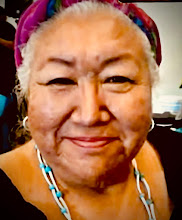 Memories of my late mother saying her dad, my grandfather taught her in a warning that the Dakota Medicine was good, but not anymore. As far back as 81 years ago, fake medicine people deceived their own people for money, power, and glory. Our grandmothers showed us through their prayers helping us celebrate love and helping us celebrate life within our families. Through my own lived experiences, I had to eliminate my own self-defeating behavior. Our people are depending on us to bring justice into our Indigenous Communities. Our Indigenous girls and women are going missing at an alarming rate and are being human trafficked. With little help in finding them or bringing their killers or abusers to justice, I started this blog. I never thought I would live to see such as year as 2023. Today, I feel blessed to be able to hold those who reached out to me in high regard. I am truly grateful, Creator’s Will guided me in my lifetime to see Nathan Chasing Horse arrested. And, yet at the same time, I grief for all his victims who died before they could see him brought to justice.
 https://abcnews.go.com/Nightline/video/dances-wolves-star-nathan-chasing-horse-accused-sexual-114067081?sfnsn=mo Throughout the decades of...
No comments:
Post a Comment