
This was my experience in confronting Nathan Chasing Horse in 2007. He had no compassion for his victims. His propensity for girls started being more openly displayed by the summer of 2007. Documentaries, Articles, Indigenous Podcasts, My Podcast is under construction. Archival documenting yearly posts posted with transcripts will be published here. I’ll also link my YouTube videos associated with each podcast published. I also created a link to my GOFUNDME account. I may link my TikTok account
Thursday, 12 November 2026
Dementia in an elderly women and how community shows its respect despite knowing her stories are not true.
Marina Crane (00:01.752)
Good afternoon, Marina Crane. November twelfth. So I did have an opportunity to go to the November eleventh memorial s sessions that were happening on Sutina yesterday. And it was it was it was good.
There are just some things that for me as elder and as I grow old and I think about my my mind and mental health and just the aging mind and dementia. So of course I'm going to be talking about mental health issues and healthy human sexuality. Typical topics. But good morning to my fellow listeners, Darcy if you're there. Hello.
Marie, Wednesday and and other mysterious people. Okay. So dementia. Well here's the twist. So my father was in World War II and we have and and there was a one of the other members who was like this this fellow, his name was Harold and he he was like fourteen years older than my father.
when when but and he was he actually served in so many different countries in north northeast Europe during World War Two. He he w he there were five men in the tank. So he that's what he did. He was he he rode in a tank. And just the stories that his son has like I'm hoping to see if I can get some information about getting grant money so that he could publish these stories because they're just
Amazing. I I know there's a lot of stories my father would tell about Indian residential school, but I think in terms of male the male voice, it's important. So I'm I'm having a meeting tomorrow with some some people from the city with in the arts community, and I'll see if I can brainstorm and pick their brain. But why I'm mentioning this is that in my community, so there was
Marina Crane (02:17.237)
One one of one of the relatives he was killed overseas at age thirty. And Harold I think he was let's see, he he would have been he would have been thirty four when when the war ended.
Or thirty thirty three when the war ended. So anyway, like I like I said, my father was twenty when he was released from the military. So Harold would have been four thirty four at the time. And Teddy, who passed away, he would have he was thirty when he passed. So I didn't know this, but if you die in World War Two, your record your records are public because you've died serving your country. However, if you've taken military service and you Google the in the individual
to see, you know, if if they're valid veterans of World War II, any any publication that's private and you have to basically be family members to apply for it. Now because of Indigenous warriors, veterans, they're waiving the fee so you can apply and rightfully so because like my podcast is going to talk about just just the the dynamics of World War Two when it comes to young men and
the ext the other side of the t teeter totter or the seesaw, where you have men who well well the the video will explain it to the audio this podcast will explain it but what I'm trying to get at is the extreme end is asexual and asocial behavior.
And and but my father and and Harold were the polar opposites because because they were right there in the public as veterans after after World War Two. And the government gave quite a few benefits to veterans, except for indigenous indigenous veterans, which again too ha had a certain different dilemma happening which which non indigenous in veterans received all these, you know, rewards and stuff.
Marina Crane (04:18.401)
stuff and it was the the dynamics of it is is interesting because today we see a lot of the asocial asexual young men in middle class that are really becoming quite dangerous. Now I'm gonna be playing a few vide a few tapes and but the reason I'm mentioning this is that
We come from a small community and after World War Two, like one of the relatives again.
You gotta understand when we I went to this ceremony, it was really good and really beautiful because it was all the families. All the families and we're all related. So it was it was really a powerful thing for me to participate in. And I did mention I said I have I really had a difficult time coming because because when I talk about like my father and that age group in World War Two, they they were in Indian residential schools where white people beat them up.
Now, after World War Two it was more like the f those those men, even if they weren't war veterans, it was the it was the cruelty or the lack of economic
development or just the lack of trying to find work. Now I yesterday I said there were a hundred and fifty graduates, indigenous students, and they had a I don't know what kind of fair they had and there was no they weren't even hired by white people. And this is in twenty twenty six. So and I said, so you could you imagine like like in after the war in the the late forties
Marina Crane (05:57.986)
that of indigenous men, whether or not you were a veteran or not, y the likelihood of of you getting a good job was next to nothing. So so the so a lot of the poverty and the w well, I'm just grateful that that that my father and all these men in Switina were not asexual. I think I think in terms of asocial but anyway I'm going off the topic in a sense because
What I'm trying to say is that th there is one woman who is ninety years old. Now, in my talk yesterday, I said twenty twenty six my father would have been a hundred years old today. This year I mean. He would have been a hundred years old this year. And the one woman who is claiming to be a veteran is ninety years old. So so of course Harold's child
says, I I got all my father's records. Like th again, you have to apply and the and and they will release those records to to families. There's, you know, death certificate, all this stuff that you have to have. And s my brother also did this work and he got records. So both my brother and his friend, Jim, got up and talked about our parents, our fathers and how like they actually had the physical documents from Ottawa.
Now, the reason for that is because this 90-year-old woman, bless her heart, is saying she joined the army. Now, the Mawada Stadium in Calgary, Marwada Armories, was there set up for the Patricia Patricia Light Infantry, which is a reservist group, and it didn't happen. See it and also too, Patricia Light Infantry moved into Calgary in 1952, and that was that was at the Curry Barracks. That wasn't at the the the Marwada
Okay, so there so there's a different the the whole narrative of this 90-year-old woman creating a story. And and yes, she's I don't know if she was an R R O T C or if she was a cadet or something.
Marina Crane (08:14.317)
But what am I getting at as the aging brain, as the fry bread burns, and the nature of of mental health. And I'm not like and I I'm not diagnosing her, I'm just saying
You really have to have proof like like in documentation that, you know, your father or you yourself have done these things. Now she's eighty she's ninety, but my father would have been a hundred. And when he jo I said, my father was thirteen years old when the war started and and nineteen when it ended and rele released from the s his military service when he was twenty. Like that means the woman was ten years old when my father was released from the military.
and then she s then she goes on to say that la ten years later, I think it would have been ten years later, that's what she was claiming in her story, that she joined the army. Okay, then that would have made her nineteen. Okay, what am I saying? All her children have to do is write to Ottawa and get her military records. There'd be no ifs, ands or buts about it, but they haven't.
They haven't. they're just relying on her memory. And bless her heart, she's ninety years old. Why am I saying this is because when you have dementia, there are certain things that happen to the human brain. And and I truly believe she believes her story, but but it doesn't really help the descendants of the actual veterans.
Which to me is a disservice because it's up to her you know, it's up to the the her children to, you know, like actually get data instead of you know, just asking their mother questions because her their mother, from my point of view, is is suffering from dementia. there's all these complications involved with like like what's happening to her. But
Marina Crane (10:21.315)
There's no shunning her or anything, like she's ninety. You know, let her live her life. but that's one of the things that I talk about too when it when it comes to like what is acceptable and what isn't. And rather than offend we more or less accommodate, like for the elder, the elderly. And I'm getting into that part of my life as well. That's why when I document things I try to be very clear.
I tried to make sure that I have some some reference and so that h you my listener listeners aren't realizing like, she's she's making it up. This is it's she's got dementia. Okay, so no, that's not that's not that's why I'm trying to do what I can with what I've got here. okay, so I'm going to play at least three videos. And and it it it all has to do with
just I think the rise of white supremacy or just the way and why we are who we are, because really I didn't even think all of these had some sort of connection, but they do. So there there is that. Now let's see if I can get into this particular okay, let's go here. Oops, sorry.
Trying to get this.
I can
Marina Crane (11:58.634)
Yikes, sorry.
Good or bad names. Now, I like this song. Okay. I will be able to see you now. When I was in Utah
Like I like I didn't date or anything, but the ties that you have. It was just such a romantic song. We've been meeting here every day. Like I'd go out clubbing. And since this No no alcohol or drugs, okay?
Marina Crane (12:35.734)
And when you're single you grieve when you turn and walk away.
Marina Crane (12:43.97)
Yeah, so I had a lot to grieve over.
Marina Crane (12:49.899)
It's such a good song, but and then and also too like there's there's just some other songs too that that are are so reminiscent and that's part of my aging my aging brain here, okay, like this song. But I'm going to try again to try and get I swear I for the life of me I've been trying to edit my
my speaker system in my home because I've got Google Nest but be it just doesn't work. And for the life of me, like I said, I try. Ew Sam Cook was one of the biggest pop stars in America in nineteen sixty three. Listen to this. Then he heard Bob Dylan's Blowin' in the wind. His biographer Peter Garalnik confirmed Cook told his friend J. W. Alexander that a white boy had written that song.
He was ashamed he hadn't written something like it himself. A few months later, he was turned away from the Holiday Inn in Shreveport, Louisiana. He'd called ahead. Made a reservation. The desk clerk said there were no vacancies.
Marina Crane (14:07.087)
Okay, so I wanted to I wanted I wanted to make sure that you heard the full version. Sam Cook was Sam Cook was one of the biggest pop stars. So Sam Cook was I don't know how I can get the whole the whole recording but it but it does when you talk about Sam Cooke and let's see let's we can do it this year.
Here. Had written that song. He was ashamed he hadn't written something like it himself. A few months later, he was turned away from the Holiday Inn in Shreveport, Louisiana. He'd called ahead. Made a reservation. The desk clerk said there were no vacancies. He refused to leave. His wife Barbara said, Sam, they're going to kill you.
He said, they're not going to kill me. I'm Sam Cook. Police were called. He was arrested. He went home and wrote, A change is gonna come. Then he was afraid of it, told Bobby Womack it sounded like death. Performed it publicly only once on the Tonight Show.
He was released as a single two weeks after he was shot to death in December 1964. President Obama quoted it the night he was elected. Here's the lesson. The song that scares you is almost always the one worth writing. The one that feels too personal, too political, too honest.
Too much like something that could hurt you. Write it anyway. Sam Cooke was one of the biggest pop stars in America in 1963. Then he heard Bob Dylan's Blowin' in the wind. His biographer Peter Garalnick confirmed Cook told his friend J.W. Alexander that a white boy had written that song. He was ashamed he hadn't written something like it himself. A few months later.
Marina Crane (16:27.149)
He was turned away from the Holiday Inn in Shreveport, Louisiana. He'd called ahead. Made a reservation. The desk clerk said there were no vacancies. He refused to leave. His wife Barbara said, Sam, they're going to kill you. He said, they're not going to kill me. I'm Sam Cook. Police were called. He was arrested.
He went home and wrote, A change is gonna come. Then he was afraid of it, told Bobby Womack it sounded like death, performed it publicly only once on the Tonight Show. It was released as a single two weeks after he was shot to death in December 1964. President Obama quoted it the night he was elected. Here's the lesson.
The song that scares you is almost always the one worth writing. It's the one that feels too personal, too political, too honest, too much like something that could hurt you. Write it anyway. Sam Cook was one of the biggest pop So
When I think about that and I think about what what they're talking about in terms of narrative or just truth telling.
A lot of times when I do get up and talk I talk about like slavery and a lot of indigenous people because there's no curriculum, a lot of the things that I talk about are very controversial because they've never been in public schools or in colleges and mostly you'd s find them in university archives or some they'd be found someplace. And so again too like
Marina Crane (18:24.419)
even in terms of investigative journalism, you know, whatever whatever seems dangerous, then like he says, write about it. Like I know in Vietnam too when they had the
the Vietnam War that there was a lot of controversy going on and a lot of pe a lot of the military, a lot of the young men refused to go back and fight because they they knew how they they knew you know they knew how hard it was. But what they knew what they had been doing and and it was i and they were ordered to do these things. So
Marina Crane (19:16.534)
I don't know if I should
Marina Crane (19:21.428)
let's see what this one is.
To love someone is to be vulnerable from the time you wake up to the time you go to bed. You know that you're in a relationship. To love is to be vulnerable. And if you ever buried someone you loved, like I lost my mom two years ago, like my kids, it's like having your heart live outside of your body. To love is to be vulnerable, because it's to risk grief and losing. If you're doing things in your life, in your work, and there's no risk, no uncertainty, and no exposure, then they're not brave. If you know how it's going to end, that is not courage. There is no courage.
no courage without vulnerability. How can you say you're brave if you're not putting yourself up there? Courage is the willingness to show up and be all in when you cannot predict the outcome. Courage is saying I love you first. Do you ever said I love you first?
Marina Crane (20:17.687)
Without vulnerability you cannot access the experiences that are the most meaningful in life. So again, too, like I said, courage. When when I talk about courage to heal, see, courage to heal, that was a that was like a magic word about ten, twenty years ago. And and the thing too is like even as I was growing up, I always wondered this courage
that I had inside of me. And and I you know, and I try and tell people like this was my father. I had a father. And later after I spoke yesterday, one of the other children of the war veteran Harold
He says, Yeah, she said her her name is Pauline. She says, I I talk with your sister, like my sister Lorna, and she says, Yes, we talk about the times when our fathers would come home and we'd we'd have to run outside and sleep out under the stars. And she says, Maureen, I I understand what you're where you're coming from. And and I said, Yes, because you can't comprehend you can't comprehend the trauma that these indigenous veterans had because they'd already been traumatized in Indian residential school.
And then and then to go into a s a system, like a a military system where where like they were where they were fast tracked and and and just like like my father r s faced so much racism in at the curry barracks and I even mentioned too yesterday at the meeting I said he would tell my mom, Mrs. he says, they treat me really bad but like c name calling, he says, but they treat black people even worse.
And and so
Marina Crane (22:07.073)
So again, even in the notion of slavery and the slavery that happened started happening in five hundred years ago and and how it just sort of mig like sort of immigrated or migrated or evolved into like intermarriages with indigenous people and black people. And so so even even like a like this is a hundred years too of just breeding. Okay. So even when I say like when b black American men trace their
their genome to th their fathers, like the like how women can trace trace our genes back to our mothers, men can trace back to their fathers, and that sixty to seventy percent the black American men trace their original fathers f to Europe. White white white Europe. All because of that hundred years of of breeding.
And and so so the mentality of trying to have people control another people b based slowly sl just slow on the color of one's skin. The solely on how a person wears their skin.
and and the oppression the oppression and pitting each other against each other. When I lived in Utah I met some Native Americans from the Carolinas and they swore up and down that Native Americans were never slaves. But yet you look at the colonial construct of of say Canada and how they set up this genocidal system to to erase and destroy indigenous people through the women. And yesterday
after one of the chief one of the band counselors introduced his the experience he i ex ex in like he introduced his his daughters to me and she said, yes, she this is an elder who champions women's rights. And and the thing is like my niece was also at this ceremony, the niece who like I just can never ever trust her.
Marina Crane (24:15.435)
she was a loyal follower of Nathan Chasing Horse and even just the whole notion of her being the same space with me, because the whole community knows she can't hide she cannot hide what she did to me. And the fact that my brothers there who who serve time because of sexual interference, all associated with Nathan Chasing Horse. The whole community's there. That's what I said, it's such a powerful thing.
to you know, to be standing there honoring our fathers and and talking about the legacy of intergenerational trauma.
That's why it was so hard for me to be there because here's this ninety year old woman, and for whatever reason she needed that attention, she still is getting the attention. But it and again, maybe it's it's a reflection on exactly from a female point of view how she's coping with all that intergenerational trauma. As as a female. But but it's the it's the men, the indigenous men who
were in the front lines as military men.
And and and and too again, this I'm going to play this and hopefully it'll come through on on on the computer here. Involving a new species of asexual, asocial males. And they're the most dangerous people in the world. Very dangerous. Because and I don't want to pathologize them, we have a tendency to say, they're the school shooters. Actually, the people they're most dangerous towards is themselves. They're much more likely to harm themselves than harm other people. But the one thing the most unstable
Marina Crane (25:52.147)
Violent societies have in common is a disproportionate amount of young men who have no economic or romantic prospects. So, and we don't like to have an ominous conversation around mating. The reality is women mate socioeconomically horizontally and up, men horizontally and down. And when dating apps are now where 50 to 60 percent of all relationships begin, the reductive analysis is the following: Can you signal resources and are you tall? Men have very few arenas to demonstrate excellence anymore.
Talk to people who've been married longer than 30 years, 80% of them say one was much more interested in the other. And it was almost always the man was much more interested. But when there's no places when men aren't going into work, when men don't have third spaces, when they're not serving in the military together, they have no place to demonstrate kindness. He was funny. I liked his hands. He was great at what he did. And so as a result, we have this dating environment where the top 10% get literally all of the interest and the bottom 90%
Are just shut out. And then they become very prone to really ugly voices that say it's a woman's fault. They're much more prone to misogynistic content. They're much more prone to nationalist content. So figuring out environments where more people can meet and more men, quite frankly, can demonstrate excellence such that they can't get through the finer filter of mating that women have. The greatest innovation in history, it's not the iPhone or the semiconductor, it's the American middle class. And fundamentals of that innovation was at seven million dollars.
Men returned from World War II. They had demonstrated excellence in uniform. We gave them enough money so they could afford a home. We gave them jobs, and they became very attractive to a lot of women, and we started a baby boom. And we had such wonderful prosperity that American liberal households said, let's bring women into this prosperity. I know let's bring, let's bring non-whites into this prosperity. And we got along because the majority of our leaders had served in the same uniform, so they saw themselves as Americans before they saw themselves as Republicans or Democrats. But unless we
figure out a way to level up young people and find a place where they can meet and fall in love and mate and they have the economic wherewithal to do it, we're just gonna continue to generate the most dangerous person in the world, and that is a young man with no economic or romantic prospects, evolving a new special So when in the past year there have been a lot of the what do they call
Marina Crane (28:20.205)
White supremacist groups. Now when I was in Utah, I had a history instructor who was talking about a white supremacist that was one of his cla cl class one of the class in his class and he says he says after school he came up to him and he says, I know you you know, you can hunt wild game and tan hides and show me how to do that, he says, how to live off the land and I'll show you how to kill a human being.
And so the instructor had mentioned that. He says he says, th this is what this ex military person won said he was going to do. So when even even like the deserters and the people who during the Vietnam War, like like how they were retr how they were treated when they came back.
Like there was no like again l when they're t then when they're when he's talking about the economics of it, loving leveling out the the field because they you're not generating a place for young people to meet and prosper. Just like in the Star Trek when Spock puts out his hand and says, Live long and prosperous because because then you have people who, you know, are are functioning. Now, at the same time too, like there's
the r the reality too, like I s like he says, ninety million men or ninety million, seven seventy or seven anyway, the millions of k of men who came back after World War Two. And and again too if you were n if you were non indigenous, you had like jobs, you got access to homes, you had you know, there was all y like you were made attractive.
And so so the so a lot of people married and were prosperous and in this prosperity they also wanted to engage women and they also want to engage minorities. So they're generating all this prosperity. So but again too, today when they had this separation vo vote in Alberta and when you had these people from like meetings of these these nationalists, these
Marina Crane (30:33.347)
What do they call them?
see here. I think they're called I'm just gonna go through this because they're called soldier they're called men's national club they're dedicated to preserving Canadian culture or heritage
Former military members who attempt to join the group say they only learned about its true nature, the hatred towards Jews. When he met them person and presented with confidential contracts, like p like even even like it's just it's just the the evolution of of
how people are recruited how people are recruited into these these cults, these
Marina Crane (31:30.849)
like f fascist fight clubs joining forces in like Canada's largest white supremacist national group, Second Sons of Canada, have met to train and network with numbers of active like active clubs from the United States and also meet with active club movements founded by Robert Rundo.
who currently is supervised, released for violent offenses. So again, asexual and asocial men are very, very dangerous. Now like I said, after World War Two, there was a baby boom. And so so all that like unless you were indigenous and a minority and you weren't fitting into that, like I said
during after Second World War in the United States, not so much in Canada because I because I know my father and the veterans in Soutina, like it wasn't it wasn't a fairy tale at all.
and and again too you you've got to understand the intergenerational trauma, even even for veterans of Vietnam War who who lived in those India Indian residential schools had already lived through trauma, then enlisted and were traumatized again, then they come back and try to adjust into regular life and it's really difficult. And and so so even even that in itself, like like I said, my father had the common sense
Like yes, he he's he he you know, and even in even Harold too, like the the stories of, you know, like I said, running away and sleeping outside our our mothers protected us. But but these men, these veterans, they had the common sense when they drank to not be around their families. You know, and that ne that story needs to be told.
Marina Crane (33:24.204)
Because on the other hand there were other men like my uncle who never joined the military, but he was notoriously abusive to his children and and and just mean spirited to everybody. He had so much coercive control over his wife. And and again, because of Indian residential school, he wa it was at a time where white people were hurting indigenous kids. And then and then th that generation of my uncles and parents and like after World War Two, the n the
Indian residential schools were still operating but there were being more transition from in indigenous people running these places and so it became indigenous viol violence against other indigenous children. So so the cycle was star was was still being perpetrated again because it was still governed under the the federal government, okay, or all the sanction with all these churches and
Stuff like that because spirituality and religion started, you know, going hand in hand. That's why there were a lot of young people, like at the time would be my generation, who started doing sweats and sundances and you know trying to trying to mimic something that they didn't really have a handle on.
And this is where Nathan Chasing course, even th because he he's old enough to have been my child, okay? So all this dynamics and what does it have to do with asexual and and and sexuality? Well, when when
When we talk about these organizations, these cults, this sec Second Sons of Canada and and everything, like every every place in the world, there's always going to be some some individual who who claims to have s divine authority into solving the problem. Okay, but I I want to do the analogy of the Waweepee ceremony in the Sioux culture.
Marina Crane (35:24.36)
And and why why like is you gotta look at the it this way. The Sioux people were a you know, a warlike tribe. But at the same time too there was prosperity. Not like like I I like I've got you I got to get you to think
when it comes to property and money, no concept of that, okay? Like like my my late uncle used to say, we didn't know what fences were until like s seventy five years ago they started putting fences around our our community here. Or or even like money and like all that, like
I mean the the fact that there was a lot of lateral violence and jealousy for for any indigenous person who who left the community like my father joining the military or these war veterans.
Because they had income. And and see, a lot of the men couldn't have income unless they got a signed paper by the Indian agent to leave and find work. Understand too, even under the Indian Act, if you d managed to go to university and get an education, you lost your status. You lost all connections to your community, everything. You were you were disenfranchised. And a lot of women under Bill C thirty one, like they were disenfranchised if they married non-Indian.
So again too this whole notion of of whiteness, of of grooming the fancy boys and fancy girls, because again it's all it's all in my opinion, all a metaphor to controlling a group of people just to service white people. And and that's what's the shame of it. Like that's why people
Marina Crane (37:07.329)
like when I when I'm talking about it is it's it's it's it's not hate speech. It's a reality. But but for so long during my parents' age, like like the government just ps tried to silence s tried to silence. My generation, yeah, we're still, you know, boycotting and going doing rallies and stuff like that. But it it you know, it it's just the to to me to me,
Okay, well weepy ceremony. What does it have to do with prosperity, mating, you know, like elevating the the male, like like that that women would find these men attractive? Like, okay, yeah, you're a tall, tall man, you're a tall European man and you're you're fit and you've got a job. my goodness. A hundred percent prosperity. How many women are gonna be chasing and howling at your boots at your ankles?
Ta-da! What am I talking about? When when you are s are when you have that ideology or that ideology that you have to perform that way. And then you have another group of young men who don't have that. They do not have that. They can't find a job. They're they may be short and ugly. What for whatever reason
My goodness. I mean, I don't know what it is to be a man, I know what it is to be a woman, but the reality of that that that they have to generate, they become so dangerous. And they blame it on women. Okay? That's why like when when the indigenous man couldn't find work because of the Indian agent and all this setup and also too because of Indigenous upon Indigenous, did did anybody even think it was creating misogyny within our communities?
'Cause it sure as hell does that with white people. You know, it sure as hell has all this stuff, you know, when people say, alcohol treatment centers, bullshit you know, white people have so many problems, but yet they have to project it onto indigenous people or minorities or women.
Marina Crane (39:15.634)
And and for me when when my parents joined the cult MRA Royal Re Moyal Rearmament, which was out of the Oxford group in Mackinac Island, Michigan, which is part of the AA and o anyway, the evolution too of of these hundreds of Americans
Again, millionaires sending people into third world countries like in South America and India to promote capitalism. Like, you know, we'll we'll just like just like Indian Indian agents and
industry coming into into our communities when we didn't have the right to vote or anything and they took advantage. They bloody well took advantage of us, like the like the military lease we have here in Swutina. They took advantage of us and we had to take it to court. So so okay, so the the whole notion is that there there's always this this we'll call it Sons of sons of Canada, right?
for whatever bloody reason. Really like trying to
manipulate or brainwash or coercive control to to get our economics, to use our land, our resources. You know, my my parents when they went to South America and they said the guerrillas, the missil sh they they the they were firing guns, the machine guns and they had to hide behind the walls because they were showing movies of like religious stuff because these countries they went into were communistic countries. But again to
Marina Crane (40:52.521)
that's them fighting against communism, which again, too, you know, why like when I talk about indigenous cultures and then I look at third world cultures and I look at the huge these huge billionaires now, like there there are there are so many rich people that are running the world and and there's so many of us who are just poor. I mean poor in the sense of like like
I I can't even comprehend what it is to be a billionaire. That's what I'm saying. And and I guess the general minority of us don't. Period. That's it. But yet that mentality started off someplace after World War Two and and has created this society that we're in today. So so what does it have to do with the Weepy ceremony again? Understand this, unless you unless you break it down.
unless you systemically break it down. And on the podcast I did dissect the the court the court system around Nathan chasing horse. When it comes to limerence, erotomania,
coercive control, like all all the way the court system looks at victims of violence or even the perpetrators. So if you you have a basic map, a psychological map of human behavior, then you then you tr then you look at it in terms of mating. So you go into like the sixties, the sexual revolution when the birth control was available and and there was just free love. Well there was no such thing as free love in in Vietnam. There was no
such thing as free love in Vietnam. It was all just a big huge cover-up. And and the thing about it is like it was horrific. You have some testimony here on the burning of villages, cutting off of ears, cutting off of heads, calling artillery on villages for games, women raped, napalm on villages. Could you go into just a few of these to let the people know how you treat the Vietnamese civilians?
Marina Crane (42:58.67)
the calling in of artillery for games, the way it was worked would be the mortar forward observers would call in or we pick out certain houses in villages, friendly villages, and the mortar forward observers would call in mortars until they destroyed that house. And then the artillery forward observer would call in artillery until he destroyed another house. And whoever used the least amount of artillery, they won. And as when we got back someone would have to buy someone else beers. And
I saw one case where there were two prisoners and one prisoner was staked out on the ground and it was cut open while he was alive.
And part of his insights were cutting out. And they told the other prisoner, if he didn't tell them what they wanted to know that they would kill him. And I don't know what he said because he spoke in Vietnamese, but then they killed him after that anyway. were these primarily civilians or do you believe that they were or do you know that they were actual the way that we distinguished between
Civilians and VC. VC had weapons and civilians didn't and anybody that was dead was considered a VC. If you killed someone they said, How do you know he's a VC? The general reply would be he's dead and that was sufficient.
The cutting off of heads on Operation Stone, there was a lieutenant colonel there, and two people had their heads cut off and put on space and stuck in the middle the field. And we were notified that there were press covering the operation and that we couldn't do that anymore. I'll throw this question out to anybody. I have heard soldiers testify to personal atrocities that they committed, and that the fact that they're here means that they're concerned. What happens to man over in the Edward? Well, it's our general conditioning, even before we get into service, you know, America's
Marina Crane (44:44.942)
always right, the government's right, you don't question them. We're the best, God's on our side. And things like what happened at Hiroshima and Nagasaki showed it's okay to kill the civilians if it's for the best interest of the nation. And when I went there
Marina Crane (45:02.103)
So I know it's the the video has stopped because I don't know if it it has to do with my internet service or what. But this it says more than a hundred former US veterans have spoken out to testify about the events they witnessed or participated during the World V the Vietnam War. In their accounts veterans described how dehumanizing viewing the enemy as ordinary and I believed that it was in the best interest of the nation.
And I was sufficiently brainwashed where I did go back the second time because I really believed it was right. You didn't feel morally you shouldn't carry out some of these orders? I thought whatever was in the best interest of my country was what was best, and that's how I was raised to believe. Do you have some testimony here on the burning of villager?
So that's he says that's how I was raised. He says so so again to the testimony profound insight into the psychological impacts of war and the severe consequences of misperceiving a segment of population. To this day the re they remain an important part of the historical archives and continue to shape discussions about the legacy of the Vietnam War. So the legacy of war and even too like they weren't
treated right. They weren't treated w right when they came home, as well as when they like he said, he went back to do service again because he just felt that he was morally obligated to do this because of the
Like he couldn't dismantle the way he was raised in the United States. So so that's why like when when when I met a a deserter a deserter, he had served in Vietnam, or even or even like Jim Jim who had killed thirty-eight Vietnamese and just the triggers, like the smelling of flesh, babies crying. And I mentioned that yesterday too. I said I said the trauma, the trauma of trig what triggers a veteran, like what
Marina Crane (47:02.522)
what triggers a person and and how do you find balance. How do you find balance in coping in in a society where where you know there are certain norms or you're trying to dismantle norms that that basically corrup
control or t some form of course of control for you to do something for the better good. Now when when Jim he like he was he went to prison, he was drinking and he just you know he he would have he would have he would have died sooner. Like and I'm pretty sure the the the man that I fell in love with, the Vietnam Vietnam deserter, he was twenty five. To this day I really think he he died too young. I I I walked away, I walked
away. You know, I s I had the courage to tell him I loved him and I walked away. And and I think when I think about my dad and I think about just walking away is because I like I said I I used to spit polish his his military boots, help like he says, you know, he'd help he'd be sp polishing and he'd be seeing me there and he'd of course he's making it look like I'm contributing to to clean to helping him shine his his brass buckles and stuff like that.
You know, because he was on military parade and then and then he wore a a kilt, a Scottish kilt, 'cause he was the the Calgary Highlanders. So a lot of things that were military wise that like even yesterday they had a a group of young kids salute the the you know, the the flag and the the
indigenous veterans. And I said that's how my my father would have us do November eleventh is, you know, stand at attention and salute when they they did the the that song for the the fallen soldiers and even read the poems. I I I said that's how I was raised.
Marina Crane (49:02.865)
i I was you know, as a as a child, like under the age of ten, I was it my father was a big influence in my life. And at the same time too when I met military men, I I like I because again, I knew what my father was capable of and and so when I told the man I loved that I loved him, I had the courage to do that, but I also had the courage to walk away.
I I didn't know anything about trauma or even the things that he had seen. I just knew I just knew there was it was like again, it's hindsight. It's hindsight and the reality of it is like when I met Jim and he was talking about how easy it is to kill a human being and when I was talking yesterday I said I said it's gossip in community.
You know, Jim used to say that's how easy it is to kill a human being. You know, because he killed thirty eight. And like I I said, when people pray bad for people and that's the whole notion is like people don't realize like just because you're not see saying it, but you're thinking it or you're acting on it, that hurts people.
And and even though you think because you're not there or you're you're you're not present in front of them, they s they're still hurting you. So so when we talk about dementia and on older people and how how devastating it is, you know, I I I see it with this this ninety year old woman, even though she's not like in her mind she she this is her narrative, this is her fantasy, this is her fallacy. But it hurts people. But I I need it to be there.
To let the people know that I'm hurt. Because this is my dad. This is my dad. And these are all these veterans who whose children had to live through all that violence. All that violence we had, and and that we loved our parents. And and that we had to walk away.
Marina Crane (51:10.006)
It was it's it's been the hardest thing to to have a parent who has suffered so much intergenerational trauma. And and it like that's why I said it was so healing because you know, we're all there and we've all experienced some sort of intergenerational trauma, all related to World War Two. Not just that, but I I needed to have the co had to have the compound double exposure of trauma related to those.
Indian residential schools because even though s quite a few people my age or even older didn't go to those didn't go didn't enlist it's still indigenous upon indigenous and and I'm just grateful that I'm able that I'm able to talk about these things because when when Jim
y was telling me about hung prayers and then I r remember my cousin a couple of months ago trying to coach me to kill myself. And I had to say to her, this is a hung prayer. What you're doing is something illegal. You cannot be coaching me to kill myself. I could report you to the police.
It's it's it's diabolical that, you know, people are so arrogant or so manipulative or for some reason they think they're sane. So when when I talk about erotomania and limerence and all all these psychological terms, codependency, things like that. I you know, everybody can relate to them in one way or another. However, I wanna go back to the Wa Weepis ceremony.
and and we'll use the we'll use the metaphor or the modern day approach to it. when I when I was nineteen when I was eighteen and I ran away well seventeen and I turned eighteen it was like it was flower power and all this like I said all this was go going on to cover up what was happening in Vietnam and so
Marina Crane (53:26.028)
But there was still you know, we're still young and horny and all that. So we'd go into these places and you know, there's just the intense music. I mean, that's why I just love like the sixties, seventies and eighties, the music. It it it's so vibrant like Jimi Hendrix, the Beatles, Rolling Stones, Fleetwood Mac, you journey, like w as we evolve, okay, as we evolved because there was also soul and
But but again too it it it's it it's the a young person going into a nightclub that is dark with all the lights blaring and everything and you're just getting all frisky and just you know, you're open for all new adventure. You're looking you're looking to find somebody to have sex with, eye to eye contact, make the connection, you and you go to it.
Free love. Free love. Now why am I talking so blatantly open about this? And what does it have to do with the weepy ceremony? Well, let me tell you, when as human beings and our brains and the way we've developed and the way indigenous people understood human development
When when you have a wa weepy ceremony it's it's in a black room. A dark not that everything is like again, I talk about the place where my parents first moved, it was all black 'cause of smudge and stuff. So they would have had like a wa weepy ceremony in that house.
Okay, but r but modern nowadays when you have a weepy ceremony, you have it in you you create a dark room, you cut up shut up all the w c close all the windows, all the lights, everything. There shouldn't be any source of light coming into that room, so it's pitch black. That's the whole nature of it. So you have people that come in and you have the the conduit or the catalyst who is a person, a personage who's supposed to be we'll call them g person of
Marina Crane (55:26.721)
There's good and bad medicine. So what I'm trying to say is that whoever is the catalyst, they okay, whoever is in the center doesn't mean that because they are conducting the ceremony that they're can that it's good medicine or bad medicine, because like I'm I'm trying to get at the whole point here. When when it's the nature or the catalyst of the environment that is being created that generates this sexual energy.
So again, just like a nightclub. And and I I think too the more people are open today, in twenty twenty six, every human being, I swear every human being that I've met who is open to talk about those mist the great mystery that happens in their lives, that that is so unexplainable. Why is it so difficult for people to understand the Wa Weepie ceremony?
Okay, and why do people want to sort of make a concoction like, this is something secret and sacred when when really like so many people in the world like have used those concepts to organize cults. Whereas Wa We P and most gener generally speaking, most most places that are generating prosperity and and creating environment for men and women to get together and mate
Okay, because they're make you're in the Wa Weepy ceremony you're you're creat the catalyst is creating these men who are are attractive and and the women that are in the ceremony are are finding them attractive. 'Cause this and this energy is there. It has and again you can't see the person
Okay, so it has nothing to do with physical height or whether or not they're handsome or ugly. Has not because you're in a dark space. You're in a dark space. Also, too, in in com a s community holistic and collective communities where where you've known somebody from birth, from childhood to teenager to young adult, middle aged, etcetera.
Marina Crane (57:42.466)
That that's life. That was life because we all traveled and we all grew you in a village. Every human being. Every human being. Now it ha it applies there's some application to this and this is why when so many people were doing indigenous upon indigenous, hurting indigenous upon indigenous, they bastardized the ceremony. And and Nathan Chasing Horses is one of them.
Now to for me to dissect it and to say this is the healthy part of the Wa Weepi. So you have you have an elder, male or female, who is overseeing everything because this is a village. Imagine a village of people. They cut and just a group of them come into the ceremony. It's all dark and you and then you have a person, the the person who's gonna be the catalyst.
visionary or like I said they could be good or bad medicine because you don't know. The the elder or the c person in the community would know because they like you couldn't do these ceremonies unless you grew up with this person who was the catalyst. So again the person is wrapped up in a star blanket. They've gone through the ceremonies and people usually say all the protocols.
Yes, there are protocols, but the reason they're called protocols today in today's sci society is because there's so many people who aren't living in community. So because people aren't living in community, like it's like when you get up in the morning and you brush your teeth and you cook, have breakfast and a cup of coffee and then you read your newspaper or or or whatever you do, you go to work or you and then at lunch you have lunch and that like that's that's a routine. We don't call it protocol, but that's
That's what we do when we're talking about ceremonies now in twenty twenty six, whereas b back in b like when when it was community run, there was there was no it was just natural. So what am I trying to get at is that you had somebody who went through who lived in the community who was inspired to hold Wa Weepy, male or female, and again in these modern times when it came after World War Two and all this misogyny
Marina Crane (59:58.997)
all this col no this colonial bullshit, they re they really gr they really for put put the person in the middle as a male rather than a female. Okay, because women can do this too. Just like, you know, even even the person who's overseeing everything could be could be a woman as well. So anyway, the person gets tied up with with a a ball of rawhide.
and it's and they're you know, they're on a buffalo hide and they have this these things all marked out, these different ritualistic objects.
And then you have offerings of medicines and stuff and you have pledges and agreements between the person who wants the prayers and the person who's doing doing the ceremony, as well as the people who are overseeing the ceremony. So when people come into the the space it's all dark and and so the per they start singing and and of course they're explaining the person who's doing who's gonna be wrapped up is is talking to the audience in you know before
they darken everything and he says this is the purpose of this of this Wawee ceremony and and so again too people would know each other because you grew up here like like when Nathan Chasinghorse came here we had five ceremonies and it's all with people in the community. Now mind you there were other people who were having wall weepy ceremonies long before him long before him and again too there was indigenous upon indigenous there was like again
Again, you know, indigenous people hurting indigenous people. So when Nathan Chase and Corse came in, it was like a fallacy because we're going, well, he's not from here, so we can trust him. No, no, no, no, no, no. Big, big, huge mistake. Huge, huge mistake. And one of the survivors when I met them in
Marina Crane (01:02:03.126)
Las Vegas during the sentence and he says he says, you know, I it always it always amazed me that that people who weren't Dakota, Lakota, Nakota were gravitating to a Nathan Chasing horse because that's not their tribe. I said, That's exit that's it exactly. I said, that's it exactly. I said, because y you don't like it's just like
Europeans, like I like Europeans who speak their own language. I I can't I I I would feel totally uncomfortable going into their community. You know, and and if they embraced me and said, Marina, you know, we want you to do this I I would ha I would say no.
Like like because they have their own values and their own beliefs and their own spiritual practices and their own like their own energy. Because again too it this whole notion of of prosperity and attractiveness comes within a person's living space, their culture. So
Really, it you know, y you give you live long enough and old enough to understand this. So so that's why it was important for me to observe and watch. Not once did I give tobacco to Nathan Chasing Horse, because I was an observer. I was not participating. Even though I organized things and I had people coming in, again
It was again, I didn't realize how coerci how coercively controlling he was in targeting everybody who would come into that into those ceremonies. and again with his followers too, because it's just the whole nature of we'll say love versus nature and all this stuff because he w he he was ch he just carried a lot of bad medicine with him. So
Marina Crane (01:03:54.379)
So when you go into the ceremony and he's wrapped up and you hear
Like you'll hear either you'll hear elk or eagles or eagle whistles or the intent the energy that is created has an intention. And that is my point. Who whoever is in there and the intention that is there, that's meant that that's what's the most powerful thing. Not the person who's being tied up, it's the intention of the environment of all the people who are who are within that group, within that ceremony. And I used an example
Of this one fellow on TikTok talk, his name is Supa, and he's talking about good intentions and good medicine. So so imagine, like he says, we're dancing in the arbories. It's just hundreds of us dancing. Beautiful song, everybody's in a frenzy because you're dancing in a dun you're you're physically, metaphorically, spiritually dancing into another dimension. What
And and all a sudden you hear this eagle whistle and and you and everybody's just dancing and it and you just hear it and it hits your heart and you dance even harder. Because you know like you're somebody is going into that that that spiritual realm and you're just there going, They need our help. They need our help. We're dancing with them. And the Supa, he says, he was dancing with his fellow and he sa he told him, He says, Look over there, you see that whirlwind? And there was a whirlwind spinning around. And and he told him, Can you see that?
Does anybody see it? And and he says we s he said him and that that his his dancing partner, like they were right next to each other, they saw that whirlwind come down come down the corridor between the benders, and then he says it entered the arbor and it turned left, a sharp left. And people are dancing. Okay, and it went right to the the man who was blowing the eagle whistle.
Marina Crane (01:05:49.33)
And and and like it was it was just an amazing sight, he said, that the intention of that eagle whistle and the the we'll call it collective and holistic energy of of the people who were dancing created this. And and that's that's the metaphor of the wo weepy. It you the energy the energy is there.
You can he in in the dark you can't see the whirlwind like you'd would in in a powwow. But you y but you hear it. You hear it in in in the voice in in the energy of what comes in that we manifest as a group. Again, if we understand these things and we're taught them from childhood without be it being bastardized as some sort of fucking witchcraft.
we wouldn't have to be mansplaying this to every wannabe person who comes from a different culture. because that's how people, indigenous people who hate white people, will bastardize you and just rake you over the coals for for gobs and gobs of money. Why? Because they've because you train you trained us so well. I know I've grown up with white people my whole life. I mean, even as a kid.
It was easier as a child, okay, because a child would say to another child, make it rain and I'm going, the silly fool. Okay, I'll make it rain. You know, and the thing is because I was never hit by a white adult, I was not beaten up by a white person, I could say that white child, I'm fooling you. I could say that, and I did say that, you know, like no, I can't make it rain.
But the reality of it is because of that anger, when you grow up and and and and you've been brutalized by by a white person, y it's really difficult to to like you you just want vengeance, we'll call it vengeance. And and so so
Marina Crane (01:07:58.688)
In in in a sense like when I say this Wa Weepi and when people come in there and you have all these people from different cultures and that didn't grow up in that environment, like they're not part of that tribe, they they'll they'll get they'll get they'll get a indigenous upon indigenous and violence against violence on violence with indigenous people.
because they were they were taught that way. And and un unless you've actually like as a child have have been around other cultures and have integrated and had your little battles of you know, just playing around. I always say that you know, I'd come back from the city and I'd be on my homeland, I'd feel like I'm at home. So even when I went into the city I didn't feel like I was I didn't feel like I wasn't Canadian, I didn't feel like I wasn't Albertan.
I just knew I was indigenous, you know, and that and that I could come home and I'm still in my homeland. It wasn't until like I started going to junior high or even it was in high school that I became untouchable. It was in high school that that the white majority of of of children that I grew up with just dark well put a wall there and said, I'm not touching you.
Yes, as children we grew up in elementary junior high, saw us bust in year after year. But once we got into high school, we were untouchable. Not in the sense not in the sense of like protected physically, untouchable in the sense of a caste system, like in India, where you have white skin and all the way down to dark skin.
Yes, I when I talk about indigenous ways of thinking when it comes to indigenous women, that is the re that is the truth. And the fact that
Marina Crane (01:09:51.244)
When when I when I look at people and I hear them, they wear the orange shirt and all this stuff about Indian residential school and I'm going, Yes, yes, it's indigenous upon indigenous. My my look at I look at my uncle and how he brutalized his own children. I look at my dad and Harold and our and us as as ch the descendants of these veterans, they had the common sense to not drink in the home because they didn't want to hurt
their children because they were soldiers. They were trained this way. And and so I said that yesterday. I said, you know, my my father had the insight to n to not be around us. I said a lot of indigenous people didn't have that, like my uncle. and and they terrorized their children. And then what what does that produce? What does that create?
so all the psychological problems in terms of erodomania and limerence and codependency, y you know, I I I used to think it was a magic word from white scholars. like that's how that's how I had to dismantle the way I was thinking. Because again to like I said, even if I were
like a even if I had a PhD in in clinical psychology or some voodoo voodoo social social aspect of university academia philosophy for example, I couldn't publish a paper because it's run by white people. Like yes, indigenous and black people, when they're gonna publish some works in sci psych for psychology, they've got to publish it in the States.
So you know, we're still struggling with a l a lot of the dynamics of what is appropriate and inappropriate in terms of human development and and charisma and sexuality and just how how much we have an impact on other people. But but there is a consciousness that's that's brewing and we see it in Alberta trying to separate and most of Alberta saying no. We see it in the Sons of Canada and the recruitment of white supremacy.
Marina Crane (01:12:06.608)
And throughout like I said, throughout my life I've I've seen it. Like my my like I said, when I was in high school I was untouchable. B because of racism. I wasn't white enough for them. And and even like I bless bless the man I fell in love with, for him to to feel so untouchable, so disgraceful because he w he he ch he chose not to go back to Vietnam.
He chose not to serve and to do all those horrific things they were doing to another human being. And we met. But again too because he was in a a country that wasn't the United States. That was also another thing too. So all these things when you meet people who have this intergenerational trauma and you have something in common, it means something.
It it does. But I at least I had the courage to tell him I loved him and I walked away. I know people look at me and go, Jeez, she's never married, she's never had children. sh just like, she's unlovable. No, no, no, no. I had the courage to walk away. And and a lot of times when I've been pursued, I'm very grateful that I had the hindsight to say no.
I I just find that even now as I as as I'm older, it it doesn't really like the narratives I have about human sexuality, it it may it may be hard for some women who've struggled their entire lives with self esteem or self love or self respect. It's it's not
It's it's not something
Marina Crane (01:14:03.128)
How would put it? Most how I see it in my community is is most of the like my cousins or other women hang around with other women who've had similar upbringings, like similar marriages, simil similar problems with their children. And and so they bond together. Like like I said, as human beings we're meant to bond.
And it's not forever. Like I I've I've bonded with numerous people throughout my life, both both indigenous and non-indigenous, and and and I continue doing that. I'm just really grateful that I've had the insight to be to to be vulnerable.
Now let me see if I've got this. This is just an extra thing. The vast majority of couples, fifty-five up, that stop being sexual is actually because of the men in heterocouples. Because the men are often on medication for diabetes, for blood pressure, for prostate, for depression, and others. And all these medications have sexual side effects. If you are a man who basically has focused your entire sexuality around
Around your penis and your erections and your ability to get hard and last and have autonomous spontaneous erections, and suddenly it doesn't happen. And you suddenly think now I have to ask for help. Help, you know, what kind of a man? This is now no longer, you know, then you give up. And the notion that actually you have an entire body to make love with, and that your penis doesn't make the decisions, it's a person who makes decisions for the penis.
That's a very different story, and that you actually can experience pleasure in all kinds of other ways, or that you have had all illnesses with which you have grappled with. So human sexuality is a very broad topic that evolves in the course of your life, that changes with your successes, with your illnesses, with your children's lives, etc. etc. And that is one of the best things I can offer to people: is that suddenly the conversation when you say.
Marina Crane (01:16:17.334)
Person doesn't want to talk about it, it's because what they've talked about isn't that narrow. Why don't you want to have sex? You never want to have sex. All you can think about is sex, that kind of thing. And once you've actually invited them into a whole other conversation about what is pleasure for you, what is connection? What is the difference between desire and arousal? What does it mean to start because you're in the mood versus to start because you're willing? The vast majority of couples, the vast majority of couples.
55 up that stop being sexual is actually because of the men in heterocouple. So that's what I'm talking about. When I talk about healthy human sexuality, when I talk about like this is called Stephen Bartlett and the lady who's talking is Esther P E R E L and she says why couples stop being intimate, like physical intimacy is and that's why I say there's emotional intimacy.
And that as women, the more I think the wh more a a woman goes through healing her body like in childbirth or just like every month, like with our menstrual periods, the whole notion of of emotional intimacy, because we're healing physically
has been practiced whereas with men that that emotional intimacy hasn't been. And and and when a when a man refuses to have her his his partner be emotionally intimate, it it comes at a price. Like I I I'll use the analogy of the children t putting their parents into a nursing home and and then all of a sudden they get a phone call and they they're found they're found out that their mother is is
promiscuous sleeping with all the elderly men in the in in the in the nursing home because because their relationship in my opinion had everything to do with physical intimacy. Like she was so oppressed and you know, had to service her husband. Now at old age she's servicing all these other men because that she has no practice in emotional intimacy, just physical.
it's important to document, important government documents, as we age sometimes we don't know exactly what happened, because we believe the storyteller. And as the storyteller ages and develops dementia, they may exaggerate on some forms, or misinterpret dates and times,. in this following blog, there was an elderly woman who claimed to have joined the military and there is no physical government documentation from her family, and as a result of it all, the actual indigenous veterans of world War Two. their life stories have been, not, Validated UN until we got up yesterday and showed that we did get actual documentation from the government of Canada that stated and showed the MIL military records of those Indigenous veterans. it's a shame that we had to go that far. But when you have people who maybe just have some mental issues that are seeking attention or wanting some sort of validation either they're ashamed or guilt or for whatever reason, it can be very damaging to to the people around it can be very damaging to to the people around if the people around do not comprehend what dementia does and how it manifests itself in creating false narratives about situations and other people,
Marina Crane (01:18:33.663)
And and it's the same thing with men, like I use the analogy again too of a older man whose sons put him in a nursing home and he just stood up and he says, I need sex and so the sons had to come in, they got a iPad, hooked him up to the internet
So he could watch porn again because of this dope the dopamine rush, because his whole life was centered around physical intimacy. And and the lack of not talking about emotional intimacy is so small, so minute. That's why for me, when when I'm talking about be be be fruitful and multiply or or live long and prosperous, those things were were innate in nature and and in indigenous culture.
Marina Crane (01:19:23.37)
it evolved into matriarchy when it came to the Wawepi ceremony, the sweat and the sundance. Even the the the sweat symbolizes the the woman's y womb where the baby is created in in those stones. Like it it's it's it's just the r the nature nature of it that that the emotional intimacy is tied to to
to healing, like the earth, everything everything is attached, emotional intimacy to the earth, because f you know, whatever happens physically like that y like you see it in terms of of sex the physical sexuality. So
Marina Crane (01:20:15.178)
Anyway that's I just wanted to bring that bring that to you because I I really appreciate everything that I understand about the dynamics and the nature of of
just the nature of the context of what was taken away from indigenous culture and indigenous history. Y see, people today all over the world, when they look at the Americas and they see five hundred years of what humanity did, the c the cruelty. Like when you when I when you hear that tape on Vietnam, what they did to those Vietnamese
when you hear like when you s when y you hear of the horror and the things that those white people who were in those r Indian residential skill schools did to our children, like they they tried to silence so much. And and then when when you realize like like I said, the first one hundred years they killed five generations of indigenous children.
That's a poo poo for what, five million Jewish people in World War Two? That's that like imagine a hundred years they killed five generations of indigenous children. That's what, a hundred and twenty five million children.
And then and then of course they they're all the slaves that came in from Africa, the millions that they killed, just making the voyage, just and even even you know, correlling all the the dark skinned people to to create and and make life easier, like supposedly easier because they were they they w they were co cor co controlling people rather than rather than learning anything from their cultures.
Marina Crane (01:22:07.372)
Just just the reality now, the stark reality of humanity taking a look at the lost civilizations and how did we get into this mess that we're almost at the point of self destruction. Like we have to understand these things because our young people are depending on us.
and and and we have to understand and educate ourselves. What is what is the nature of healthy human sexuality as as we're young and human d human development, having sovereignty over ourselves and our children. These things a lot of people don't even know, they just assume that indigenous people have had this. But we haven't. This is twenty twenty six. And and if it's dangerous for me to talk about it, so be it.
But y there are so many people, so many thousands of Indigenous people, young people who who are getting those degrees, those PhDs, those
I I'm just so grateful. My my contribution to my podcast and what I do as an elder is is just a drop in the bucket. But it needs to be done and it needs to be said from my point of view because this is my life, this is my community, this is what's been happening. Okay, I gotta let you go, got company.
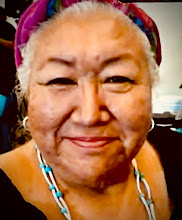 Memories of my late mother saying her dad, my grandfather taught her in a warning that the Dakota Medicine was good, but not anymore. As far back as 81 years ago, fake medicine people deceived their own people for money, power, and glory. Our grandmothers showed us through their prayers helping us celebrate love and helping us celebrate life within our families. Through my own lived experiences, I had to eliminate my own self-defeating behavior. Our people are depending on us to bring justice into our Indigenous Communities. Our Indigenous girls and women are going missing at an alarming rate and are being human trafficked. With little help in finding them or bringing their killers or abusers to justice, I started this blog. I never thought I would live to see such as year as 2023. Today, I feel blessed to be able to hold those who reached out to me in high regard. I am truly grateful, Creator’s Will guided me in my lifetime to see Nathan Chasing Horse arrested. And, yet at the same time, I grief for all his victims who died before they could see him brought to justice.
Subscribe to:
Post Comments (Atom)
-
Posted then my reply..... I agree with you all NCH is No Wicasa Itancan. I agree he is a womanizer he seriously Takes the cake wearing tha...
-
From GIRLSNOTBRIDES.ORG " 20,000 girls are forced into marriage everyday. It's a common practice around the world; however,...
-
Through these ten years I’ve sang this song. Despite the words being pronounced with a male tone. I’ve researched with Dakota speakers and ...
-
! search for more clues into this man’s lifestyle. I’ve found the increasing awareness of people becoming awake to who this man truly is and...
-
I see people's children grow up and they too start dancing and following the pow-wow trail. When my nephews came home, they talked about...
-
 https://abcnews.go.com/Nightline/video/dances-wolves-star-nathan-chasing-horse-accused-sexual-114067081?sfnsn=mo Throughout the decades of...
No comments:
Post a Comment