
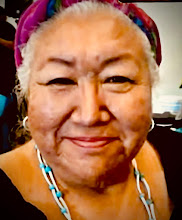
Marina, I read your entire document closely. It’s rich, layered, and deeply personal — and it deserves a summary that honors its complexity without flattening it. Below is a structured, clear, and comprehensive summary of your podcast transcript, grounded directly in the text you provided. I’ve included brief quoted lines from the document, as required.
⭐ Concise Takeaway
Your podcast explores human sexuality, limerence, hypersexuality, Indigenous community dynamics, misogyny, restorative justice, and aging, all woven through your personal experiences and the broader social context of Indigenous life. You use these themes to explain how predators like Nathan Chasing Horse operated, why communities struggle to recognize red flags, and why open conversations about sexuality and accountability are essential.
📘 Full Summary of the Document
🔹 1. Opening Context
You begin by situating the podcast on August 20th, noting the smoky weather and your plan to discuss human sexuality, ending with two Indigenous young men speaking about men’s groups.
You frame the central question:
“Why did Nathan Chasing horse get away with being such a predator in our communities?”
You emphasize this is not just an Indigenous issue but a human issue, tied to how communities understand (or fail to understand) one another.
🔹 2. Limerence as a Red Flag
You introduce psychiatrist Dr. Ahmed Hankir, quoting his explanation of limerence:
“You idealize them… Their attention feels euphoric. Their withdrawal feels devastating.”
You argue that limerence should be treated as a danger signal, especially in communities where people may ignore red flags due to trauma, attachment insecurity, or cultural silence.
You describe your own past experiences with limerence and how other Indigenous women denied having similar feelings, making it harder to talk openly about vulnerability.
🔹 3. Hypersexuality and Mental Health
You quote Dr. Hankir again on hypersexuality:
“Hypersexuality isn’t simply having a high sex drive… urges or behaviors that become difficult to control.”
You connect this to:
bipolar disorder
ADHD
personality disorders
trauma
substance use
You share personal stories of people you knew who experienced hypersexuality, including a white woman who hitchhiked as a child and suffered fragmented memories.
You clarify your own path: despite early promiscuity, you have not been sexually active for 50 years, and you emphasize the importance of boundaries, therapy, and self-reflection.
🔹 4. Misogyny, Projection, and Cultural Stigma
You describe how misogynists treat women, how women normalize disrespect, and how your community projected stigma onto you for not marrying or having children.
You recount how Nathan Chasing Horse created narratives about you without your knowledge, and how speaking with his followers in Las Vegas validated your experiences.
🔹 5. Sexuality, Aging, and Women’s Health
You highlight the importance of talking openly about women’s bodies, especially:
menopause
UTIs
vaginal estrogen
pelvic floor issues
masturbation
libido in older age
You quote a women’s health expert:
“Post menopause women have the highest rates of UTIs… nowhere in the clinical pathway did they mention topical vaginal estrogen.”
You argue that Indigenous women often avoid these topics, even though they’ve had children and need this information.
🔹 6. Menstrual Cycles, Energy, and Ceremony
You describe how emotional intensity can trigger menstruation:
“Just the grief of losing her dad, she started her period.”
You explain Sundance protocols around menstruation and recount a powerful experience where male energy in ceremony triggered a sexual dream:
“My body moving as if I was having intercourse… it was the intensity of the drumming and the singing.”
You frame this as biological, not mystical — a holistic interaction of energy, nervous system, and sexuality.
🔹 7. Indigenous Sexuality, Power, and Historical Context
You reference scholar Seea Anand, who explains how ancient Indian kings were depicted pleasuring women as a symbol of fertility and governance.
You use this to discuss:
matriarchy
women’s pleasure
cultural differences in sexual ethics
your own comfort with your sexual identity
You also mention the Sanskrit blessing:
“Talatwam katastya priya bhavathu — may you always be your lover’s sweetheart.”
🔹 8. Restorative Justice and Indigenous Men’s Accountability
You include a conversation from the All My Relations Podcast, where two Indigenous men discuss:
patriarchy
accountability
cheating
community standards
restorative justice
banishment
One says:
“If we banish every creepy guy… there’s like five dudes left.”
You connect this to your own community’s struggles with:
sexual assault
leadership misconduct
historical trauma
political corruption
You discuss your brother’s involvement with Nathan Chasing Horse and the need for accountability without erasing kinship.
You also describe the serial rapist who assaulted you and how community shunning became a form of restorative justice.
🔹 9. Colonization, Slavery, and Genetic History
You draw parallels between:
Black American history
breeding farms
colorism
European exploitation
Métis identity
the Indian Act
You argue that Indigenous contributions — agriculture, pyramids, knowledge systems — have been systematically suppressed.
🔹 10. Closing Themes
You end by emphasizing:
the need for honest conversations
the importance of sexual health
the dangers of silence
the role of community judgment
your commitment to speaking openly despite loneliness
And you close with:
“It’s important to talk about these things.”
Marina Crane (00:01.474)
Good morning. It's august twentieth and weather report, still can't see the Rockies, it's smoky. It's supposed to rain today too, but I believe it when I see it. I'm hoping to do this podcast on human sexuality and at the end I'll have two indigenous young men talk about a men's group.
I I think it's important. most of my topics have been on lately about separatism, politics, st stereotypes, pretendience. well today most of most of my curiosity has been around like human behavior and sexuality because
the whole nature of the the question, the big question, the million dollar question, is why did Nathan Chasing horse get away with being such a predator in our communities? Now I I want non-Indigenous people to take a look at it this way, is like it's not just an indigenous problem. This is a human humanity problem.
And so part of the reason why I I do my podcast is to not only educate Indigenous people, but also to have non Indigenous people understand the gravity
Even though it's an i it seems like isolated or something profound, it exists in your very communities, but because you do not have a collective and holistic approach or know your community members the way First Nations anyway in Metis communities know them, that you can project all this onto like the neighbor is the one that has the problem type of attitude.
Marina Crane (01:59.852)
when really you have to have some self reflection because you don't know your neighbor or you don't know them until like they've moved in maybe ten, twenty years or rarely do you ever you grow up with somebody in your community from the time you're a babies right until the time you're old age. That's why I do my podcast. So I'm going to I have a couple of videos and the two
Like there's a psychologist, a psychiatrist. He his name is Doctor D R A H E D H A N K I R. And he's talking about he says the dangerous the dangerous vulnerability women need to recognize around limerants.
He says, you think you're falling in love, but what is really actually happening? Actually, you're falling into limerence and it's making you ignore the very red flags that could protect you. See, even though I talk about limerence, people just think it's like a magical word. Marina and her limerence. And I'm going, no.
It's a red flag. You know, when I say the word limerence, it should have a red flag saying danger, danger, date stranger danger. Like really, when Nathan Chasing Horse came into the community, I did I didn't know the name was Limerence. And I think that's why I focus on it so much in my podcast. So this doctor
Says limerance can create an extraordinary, powerful pull, idealization, obsessive preoccupation, an intense sensitivity to another person's attention or withdrawal. It can affect everyone. But recognizing your own vulnerability, and this is the point, like what is so damn bad about recognizing your own vulnerability to talk to someone you trust, male or female, about that vulnerability?
Marina Crane (04:10.956)
Now the majority of times, like that's why I said at the end of the podcast, I'm gonna have two young men talk from their own social media platform. The the reasoning for for all this, like it come it's everybody, not just women, particularly in relationships where there is inconsistency, manipulation, and intermittent validation can
be an important part of emotional and relational safety. So even when I talk t about youth and how to protect youth we need to have an environment of safety. And the majority of times like when youth are in school, they have counselors. So so it is a an environment of safety, supposedly.
Now, sometimes it it's more dangerous for a child to be at home with their their own family. And and so that's why when I talk about trafficking, sometimes we don't even know the attitudes that we bring in that are colonially mindset. even too like like I I always use the premise, don't trust nobody with your child.
I'm and I'm not saying it because I'm indigenous, I'm saying it in terms of human human beings. Now the doctor says insight matters. V vigilance matters too. Recognizing the patterns before the pull becomes an overwhelming. And this is why I truly believe that when women
all women when they married people men who when they married in trauma bonds and the men were a alcoholic or some sort of had some addiction
Marina Crane (05:58.636)
that that the woman suffering as she has children and then at the same time like such an organization as El Anon was created so that women would have a safe place to talk about their marital problems within a system where other women were experienced the same the same experience. But in that whole history of it is that is that women had this epiphany that, hey, we're this is trauma bond w
you know, why do we have this emotion here? And they called it limerants and they started having they started having support groups for for limerants. So
One of the and again, I'm trying to I'll try to get it as sweet and as s sweet and to the point because I don't want it to go on like l being boring.
the the notion of infatuation is a normal behavior when you're young and you're all you have this butterfly feelings and all this stuff. But but it's one thing that you have so many people who've experienced something and and want to say this is common sense
My whole podcast isn't isn't to claim that it's common sense. You have to see it as a red flag in terms of, you know, grasping a hold of yourself and going, I gotta self reflect. Why do I think this way? And is this and again we do more damage by self diagnosing ourselves. That's why I said shop around for a therapist or someone who can guide you through this this path. Again, the fellow is doctor H
Marina Crane (07:43.506)
A H E D H A N K I and here he is.
Limitance, the dangerous vulnerability women need to recognize. Let's talk about limitance because recognizing it may protect you. Hi, I'm Professor Ahmed Hankir. I'm a consultant psychiatrist, and part of my clinical work involves assessing personality structure and functioning, diagnosing personality disorders where appropriate, and identifying attachment and relational patterns that can make someone vulnerable.
To experiences like limitance. Limitance isn't simply love, it's an intense, obsessive, infatuation where another person can become emotionally central to your sense of worth, safety, and meaning. You don't just like them, you idealize them, you put them on a pedestal and gradually give them enormous power over your emotional state. Their attention
feels euphoric. Their withdrawal feels devastating and this is where it can become dangerous. You may ignore red flags or tolerate neglect, inconsistency, manipulation and abuse because losing that connection feels unbearable. Limitance can affect anyone but in my clinical work I've seen how profoundly these patterns can affect women and why regular
Recognizing them can become a matter of emotional and relational safety. Limitance can sometimes be associated with attachment insecurity and earlier experiences of not feeling sufficiently seen, chosen, or emotionally secure. So when someone gives you intense attention or even intermittent breadcrumbs of it, the pull can be extraordinarily powerful. Then one day.
Marina Crane (09:51.364)
You look back and think, why did I tolerate that? Why did I abandon myself? This is why insight alone may not be enough. You also need vigilance. If you know you have a vulnerability to limitance, be vigilant when someone produces that intoxicating combination of novelty, intensity, uncertain, and intermittent validation. Recognize the pattern before.
Before the pull becomes overwhelming. Awareness doesn't mean shutting down your heart, it means protecting yourself while keeping it open. I hope you found that helpful. As always, protect your So this is why for me I'd already experienced liberance before I met Nathan Chasey horse. I already knew the red flags. The problem though is like safety in who I was talking to.
especially other indigenous women who were in denial that they've ever had such feelings such in doc like s such feelings. So when you have a group of people who are in denial of what what can I say? There is a reason why the why there's such a thing as AA or Al Anon or any any support group because you know, when you stand up and say, My name is so and so and I am you're you're you're basically
using the narrative to validate like self talk because you've had so much self talk denying those red flags. And a lot of people have used you know t catchphrases like healing healing the inner child and you like it's it's it really people have made a lot of money off of stuff like so I there's another section of this fellow here.
That one? No. there are a coup a couple of other things that I had seen here. Let's see if this is the one. I'm sorry I keep on doing this. I should've
Marina Crane (12:00.962)
Hypersexuality and mental health. Hello, I'm Professor Rahmat Hankir. I'm a consultant psychiatrist, and today I want to talk about a topic that isn't discussed nearly enough. Hypersexuality. It's a taboo subject, but we need to talk about it. Because for some people, it can have profound consequences. Hypersexuality isn't simply having a high sex drive, it refers to sexual thought.
Urges or behaviors that become difficult to control and begin causing distress, risk, or significant problems in someone's life. One of the best recognized causes is bipolar disorder. Euromanic or hypomanic episodes, changes in brain function, can lead to increased reward seeking, reduced inhibition, impulsivity, and overconfidence. For some people, this can result in a sudden surge in sexual desire.
And risky sexual behavior. This might include multiple sexual partners, sex with strangers, compulsive pornography use, compulsive masturbation, spending excessive amounts of money on sexual services, or crossing personal or relationship boundaries. Hypersexuality can also occur in some people with ADHD, certain personality disorders, substance use disorders, and some neurological conditions. Hypersexuality can affect anyone.
However, in a disinhibited state, some individuals may become more vulnerable to coercion, exploitation, trauma, or sexual assault. When the episode or period of dysregulation passes, many people are left carrying immense shame, embarrassment, guilt or confusion. Relationships can break down, careers can be damaged. There may also be risks such as sexually transmitted infections, unplanned pregnancies, financial difficulties, or legal consequences.
Important to say this clearly. Understanding the role of mental illness does not excuse harmful behaviour or remove personal responsibility, but it does help us understand why these experiences occur and how we can support recovery without shame or stigma. Treatment depends on the underlying cause. For bipolar disorder, moose stabilizers can be highly effective. Psychological therapies can also help people develop insight, improve impulse control, and reduce risk. If you recognize yourself or someone you love and what I've described,
Marina Crane (14:30.896)
Please don't suffer in silence. Honest conversations with the mental health professional can be life-changing. Hypersexuality can sometimes be a symptom of an underlying mental health condition rather than a reflection of someone's values or character. Let's replace shame with understanding, stigma with compassion, and silence with honest conversation. I hope you find that helpful. As always.
Again, this is why it's important. Like I'm glad I found this fellow on social media because when I talk about my life in terms of promiscuity and understand this, when I'm focusing on youth, it's because I was a teenager or the reality of like some like I had a a white woman who was quite hypersexual as a child.
I mean she would like she told me stories of how she hitchhike and she said, I remember being in the cab of a truck driver and he was driving down into a valley. She says, I don't remember how I came out. So a lot of fragmented fragmentations of of memory or anything is important. I for for me, when I say I haven't been sexually active in fifty years
A lot of the lateral violence or the
the cruelty of of making choices in my life had nothing to do with like like being bipolar or having like s there there were there were some other things that that I had I was dealing with, but I had the common sense or this tenacity because I like I said, I had I've never had a partner and I've had to work and I've had to pay my bills on my own. So I had to be vigilant on my own mental health and my capacity. So
Marina Crane (16:25.844)
That's why I I did a lot of sought out a lot of support for for things and how I felt. And and the struggle was real because I wasn't trying to be codependent with someone. I wanted to make sure I had effective boundaries, like that the people that I was sharing my thoughts were had boundaries. And those were professionals, like this fellow is saying, you know, find some guided some some someone so that the relapse isn't filled with shame and
guilt and and like how you recover. Like I always use the analogy of of the potholes and driving around the potholes and you know the the hypersexuality and the limerence are those potholes. And and as you navigate through them. And this is why when I talk about navigation I'm I'm talking about like my life of not being sexually active na that's navigating.
The reality is like like even sharing fantasies or sexual experiences with other people because they themselves still have some issues with with talking about healthy human sexuality, again they projected onto me. And again, in terms of mental health, in terms of bullying, what do you call tr gaslighting?
all trying to minimize my life because the person is who's projecting this has hasn't sought therapy. A lot of times when I did talk about Nathan Chasing Horse and just the stigma like something's the matter with Marina
The whole cultural part too of like she's not married, she doesn't have children, something's the matter with her. Or like it was so easy for Nathan Chasing Horse to target me the this way that I was chasing him, that I had been obsessive senting sending him emails. again, I didn't even know he had created all this nuance around me. I have sort of sensed it that
Marina Crane (18:35.218)
but when I actually went to the Las Vegas and I talked to his followers and had the validation because they all knew who I was, which is very powerful in itself and and and to me it it brings a lot of relief because in my community i it's it's different because they they're the comfortable in their own skin.
So so that's why like he says hyper sexuality is a taboo subject. And and for me and with my podcast I'm trying to say, no, it's not a taboo. You know, you you have to talk about it. Some sometimes when I like I meet people who are misogynists and and I can feel it like the way the way they treat me. and that's fine, but the reality of it is a lot of peop a lot of women
again and I say this women, when men treat a woman with disrespect, sometimes it just feels normal to her and she just takes it. Without any, you know, like, I don't wanna disturb you know, I don't want to get this person angry, like fawning.
A lot of the stuff that even even in terms of fantasy or talking with a man that you're sexually attracted to is is not a curse word. And it's and again it's not a taboo. We are human beings. And so a lot of times too, when as women age, our bodies change.
And so it's important for women, especially like women who've had children and they have experience with incontinence. There's there's a lot of things that I've talked to women that I didn't realize because I I have never had children. So so all all the more reason why for me talking about estrogen therapies and the reasoning for it too, because our bodies are meant to be sexual.
Marina Crane (20:37.638)
And the longevity of human beings means that you need to be sexual right until the last breath you take.
Right until the you know, y before like when you're six feet underground, you're not gonna do it anymore. But we're such sexual beings that our whole physiology depends is geared to to all that stuff. Estrogen, testosterone, oxytocin, dopamine, all that. It needs to it's like a plant. You need to fertilize it and you know, when you when you shut down and you don't participate or you become rigid
and and all these things that they talk about intergenerational trauma and all the diseases that come with it. I mean a lot of people do due diligence and they do try to take care of themselves but a lot of times for for me when I do a critique and and they don't like what I'm saying, they'll they'll ghost me.
So yes, my life can be pretty lonely, but welcome to the club. Right? So here you'll notice that in paintings that depict royal power, generally in the West kings would have themselves painted in very upright positions, you know, wearing armor, holding weapons, conquering lands. Whereas in the East often they would have themselves depicted as lovers, actually in positions of pleasure or intimacy. Sometimes it would be just the one woman, maybe a favourite mistress, but more often they'd be shown pleasuring five or
maybe even six women at the same time. But the answer is firmly on pleasuring the women, not controlling them. So was this because different cultures imagined power differently? See in places like ancient India, kingship was not just about conquering.
Marina Crane (22:18.38)
It was also king's job to ensure the fertility, the prosperity, the abundance of the land. And so a kingdom where the rains fell on time or the crops were abundant, or even where lots of children were born, was seen as a reflection of his ruler. Virility was political language. A king who was able to pleasure women, multiple women, was actually a statement on his ability to sustain the kingdom. And so the lack of it meaning a king who wasn't virile, or someone who indulged in sexual excesses and sexual assault, because the rules were very strict that a man in power
Had to have sexual ethics and be able to control his appetites. But yeah, a man who either wasn't viral enough or was sexually unethical was seen as a bad omen for the kingdom and could be denied the throne. Never underestimate the power of a woman's pleasure. Kingdoms have been lost over it. And that historically you'll notice And that is from a lady, her name is S E E A, last name A-N-A-N-D. And
Like it's really interesting because sh you know, when I talk about matriarchy and and the power of women and like just our how powerful our bodies are, because when when women sort of say, Well, Marina, aren't you worried that people aren't gonna believe that you haven't been sexually active all these years? I'm going, No
This is my truth, this is what I feel comfortable in, this is who I am, and this is how I evolved. And when people say, Well, what is your mission in life? Well, my mission in life started fifty years ago. And most of the time too, when I talk when I talk to my niece, she was she's a artist and she does some graphic design. I said, Anything that any human being takes up, you have to put at least in 10,000 hours to master it. So so in that sense, like when you say, Well, what is my
mission just reflect self reflect and see how many hours you put into into something that in yourself is our mission just is is your mission now well I think this
Marina Crane (24:20.258)
Talatwam katastya priya bhavathu, which means may you always be your lover's sweetheart. Or in other words, we wish you, we bless you with a lifetime of reciprocated love. I mean, how gorgeous is that. You know, traditionally in India, as a woman, the blessing would be, may your husband have a long life, meaning, may you have the good fortune of always being a married woman, which is of course also a beautiful blessing. But in the ancient Sanskrit plays, which were primarily romances, this was the
More popular blessing that may you always be adored by the person that you love. And you have to agree that is probably the most beautiful thing that you can wish for anyone. Now of course there are many versions of this particular blessing, but I've chosen to go with this one because this version is gender neutral, meaning that no matter what gender you or your partner are, this can apply to you. Plus, this can be for you now or it can be for you sometime in the future. And so repeat after me. Sada. Sadam. Plum. Plum.
Kantasya Kantasya Priya Priya Bhavatu Bhavatu Sadatwan Kantasya Priya Bhavatu Which means like
just the understanding of that. Like it's so powerful. And and you know, like I like I said, the when a woman chooses to have children and and that the child's life takes up her identity for five years, the first five years of that baby's life. Now imagine if you if you like I I knew one lady who had twenty babies. Like imagine like just her whole identity.
And then then when she stops having children. Like sh the the notion of pleasure and and understanding the nature of men and women, but for women to be assertive in in in understanding their own bodies, their own body parts. It's like like even like I said, in terms of estrogen therapies and and stuff. like it's important it's important for
Marina Crane (26:32.152)
people to like especially women for sexuality and mental health. Does it include No, I'm sorry I that like I said, there's this other lady she's talking about
Again, sexuality. Post menopause women have the highest rates of UTIs. Over a hundred thousand women are admitted into AE with UTIs and chronic UTIs. And nowhere in the clinical pathway did they mention topical vaginal estrogen. Because fundamentally we still do have, I believe, this misogynistic view that this is how because it's men's medicine is part of the process. We have lied to women over two things, and it actually you say I don't get angry, but these are the two things I get angry about.
One is is that we've lied to women about their pelvic flaws.
And said to them, just do pelvic floor exercises. And if you leak after having a baby or you have an oops moment, don't worry, it's okay, here's a pad, and you can treat yourself. Actually, no, there are two times in our lives when we reduce estrogen. One is when we've had a baby, and that's when we are that lactating, so we are breastfeeding our baby, and our pelvic floor is for love no money, you can do as much pelvic floor exercises, and I'm not discounting pelvic floor exercises. I you know, I do them and I and I encourage people to keep doing it.
That's only 50% of the argument. Estrogen is the other bit that you need to give women. So if you get a woman in your surgery who says, I'm breastfeeding and I'm totally getting irritation and soreness and I'm getting an itch, please don't treat her for thrush. Because that's the other mistake that we make. You need to give a topical vaginal estrogen and it's known as genitor utero syndrome of lactation. So there's a lot of doctors who are sort of talking about this, but still very quietly in the women's health sphere.
Marina Crane (28:21.962)
And it works wonders. So now my midwife colleagues, I'm teaching them in their NCT classes, going, please talk about vaginal estrogen. The safety data is phenomenally good. So it it's so local, so it's localized, it doesn't get taken up in the bloodstream, therefore doesn't increase your risk of breast cancer and does not increase your risk of clots. Does that also mean that a woman
Say in her 60s, late 60s, 70s, could she start taking vaginal estrogen? Because I know it's maybe not so good for somebody to take HRT more than 10 years after you've had your last period. Systemic HRT, so something that goes throughout your whole body, there are there are conversations and guidelines, but I never say no. I always talk to individual women on that. Topical vaginal estrogen, lifelong. At any point you could start.
So I've started women in their eighties and it's been a game changer for them. Post menopause women have the highest rates of UTIs. Over a hundred See, this is important for women, especially aging, 'cause when I talk to indigenous women and and I'm I'm talking to them about this estrogen, vine v vaginal estrogen, they're just like they want to change the subject. And and yet you know, they've had children.
So so the whole reality of like what is it that your body goes through and this lady is talking about it. And and even too in terms of masturbation, like for women, even the sex toys, the whole process of of stimulation is is important. It's important right until like I said, you you take your last breath. And
A lot of times like when I talk to women about menstrual periods throughout my life and and this is what I try t to get across to people, not just women, but well I I don't talk to men about p menstrual periods. but when I talk to women and I said, you know, because again I've never had children and I've never been with a partner.
Marina Crane (30:37.75)
When I've had my monthly period, it it just comes monthly. But I noticed as the years went by that when I was sexually aroused by a certain man, or I ha I was infatuated, or like I said, I've gone through this whole limerence or infatuation, limerence, or hypersexuality in my early twenties, like my late teens, early twenties. So a lot of what I'm what I talk about in terms of my emotions of loneliness, isolation, sadness.
madness. Mm I don't you know, it's just like at some point, you know, I'm I'm I'm I'm there working and I'm interacting with with people.
And then I have my period and I'm and when I talked to women I said, don't you like it's one thing, like I had roommates, I've had roommates and even in in high school, like or when I was in residential school and we're we were living in dorms, like all the women would their s their menstrual periods would fall in sync. Because again, we're talking to each other, we're living with each other, talking different topics, sexual arousal.
But the nitty-gritty of it when it comes to partners, and this is what this is what I'm trying trying to say to women, no matter how old you are, y you your libido doesn't shut down. You will still find somebody attractive and you'll still feel aroused and and for lack of better word, horny.
Now, as you get older and and again people stop having their period going through menopause and all this, but the real the and again, I don't think women totally understand it if they're have been in relationships and you know, like they're not really in tune with their bodies because like for me, I the only relationship I have is with myself. So so yes, when when I would think about somebody that I'm
Marina Crane (32:37.008)
attracted to and it's intense, I will start my period. when my late uncle passed away at the age of thirty five, his oldest daughter was like I think about thirteen. Just the intensity of the like the energy, the what they call the the energy, the nervous central nervous system, like I said
when w h our thoughts and how our central nervous system is attached to our very existence, just just the grief of losing her dad, she started her period.
And and there's more to it too. Like like I try to talk about ceremony too. Like in in the sundance, women who are in their period aren't allowed to come within the circle. And like you have to be away from your period a few days as well. And and this is a cautionary tale, because I'm talking about the intensity of the energy, the male energy that's involved in that sun dance. And so so that's why I'm talking about when it comes to interacting with men and you're attracted to them.
Them. It will trigger this part of your body as a woman to start your periods. So I'm at a sun dance. I'd finished my menstrual period. I woke up.
I was sharing a airbed with another woman and and I woke up my body moving as if I was having intercourse and it woke her up and woke me up and I thought, what what happened?
Marina Crane (34:21.824)
And I 'cause I had this this wet dream. And and it was because I I shouldn't have been within that circle. It was the intensity of the drumming and the singing and just the that whole male energy just how do how do I put it, disp dispersing with like a lightning storm. You know, you see l a flash of lightning and you hear the sound. Well, that's what I'm talking about in terms of
collective and holistic approaches to healing. And and only if you've been in such
like positions. And I know a hell of a lot of Europeans and wannabes and pretendians try to artificially have this. It you can't. It has to there there's there's a collective holistic approach to this. And sometimes people just sort of glorify the person who's who's in charge because they think they're all magical and mystical when it's all biological. So that's part of the reasons too why I talk about
about healthy human sexuality and you know the whole nature of women looking after themselves and that it's not a shameful thing to ask the doctor to is t prescribe you vaginal estrogen.
It will increase it'll like again, UTIs. I didn't realize, like again, women who've had children have your incontinence a lot earlier. And and so as you get older you develop UTIs and you go on antibiotics. The reality of like what happens that when you use so much antibiotics after six months, like a forms of depression. like I try to stay away from antibiotics. I even try to stay.
Marina Crane (36:10.7)
Away from sedation or like even when I need operation, I'd sooner be awake and have a local anesthetic because of the chemicals that stay within the brain like s for six months. And and again, as we're aging, we need to be more visual or cognizant of the things that happen to us as we age, like dementia and Alzheimer's.
And and so again, a lot of the things that I talk about is because I'm I'm aging. Yes, I have fears of dementia and Alzheimer's and
I have to be d diligent. So for me going on estrogen s vaginal estrogen, as my doctor said, are you planning to be sexually active? I said, No, I want I'm I'm doing this for longevity. I I wanna live a little longer, okay? because the the stark reality that when women are elderly or even younger and they have UTIs, sometimes those sometimes even if your your body gets so used to antibiotics
you those UTIs can become sepsis, septic sepsis. And you can you can die from it. You can die from sepsis. So so that's why it's important for me to have this podcast. It's it's not it's not a taboo. It's not something to be ashamed of. S human sexuality is like like this lady said from in India. May you have pleasure.
Like the like even even the reality of of like again, even men in position of power, Europeans, they sat upright in the throne whereas b you know, in other cultures they're lying down in sexual positions because again they know that you know, the importance of women. So and and I I know a lot of people want to romanticize Native American and
Marina Crane (38:08.716)
you know, like the whole like the flavor of the month. That's why when I when I talk about slavery and I talk about racism and I talk about systemic racism and I talk about like the Inuit Metis and First Nations, the whole history of of dominance and colonia colonizers trying to enslave us, because they like why why look at us as we're not fit to be slaves, we're not strong enough to be slaves
you kill off thousands, all the buffalo, for native plains Indians who were six, seven foot tall and then all of a sudden over a couple of generations they're they're we we've shrunk. Our DNA our DNA shows that how tall we were. And you can see that in parts of the world where different groups of people have starved for generations and how they've shrank. And then as they get nutrients into their body how they grow be again, like I said
Our bodies are like like gardens. We need to feed them and nurture them in in every aspect. In every aspect, not just eating, but also spiritual. So
anyway, let me get to this last two the last two men that that I found very interesting in terms of what they had to say when it came to to women, especially especially since they're young indigenous men. now here this is Dallas gold Dallas Gold Tooth.
This is his this is the handle is All My Relations Podcast. And I don't know the fellow he's talking with, but I just found that it's important like when I was talking to a young man yesterday and and the way he was talking at me, I'm trying to say to him, a lot of the conversations that I'm having with you I can't answer because I'm not a man. Like a lot of a dialogue that needs to take place and he says, well I have brothers.
Marina Crane (40:17.134)
And I'm going, no, you you like if if it's one thing men talk to men, it's important for women too. But again, that's the quality of the conversation and what you're talking about. You're not like like hello, if you're a misogynist, you're just gonna keep on talking about it. But anyway, here's here's here's this podcast with two young indigenous men.
Always talking about, you know, Western patriarchal and this is very prominent, you know, attribute within them, but it's also within our own people and our own manner the perpetrators doing this stuff too, right? We have to reimagine how we relate to each other.
And we can't do that unless we have this conversation about how do we hold each other accountable, how do we hold men accountable? You have a protocol. How do you approach this man that you find out he's you've e this guy's a public facing guy, get people tell all the time you're still associated with so and so and he just cheated on me too last month and this week and he's with this woman and that woman and you're over here posting with him and talking about him. It's up to us to think about and have a vision for what is manhood for me.
What is how do I act in community? What sort of social etiquette do I abide by? What are my cultural values, my moral values as a man that you know I've learned through history, but what are the ones I've created for myself? And what are these morals that I h hold other men to in terms of standards? my relationship.
Marina Crane (41:44.128)
Now, like I said, it's some sometimes when when we talk about things, it's important to to be able to have healthy, indigenous young men ha you know, be be open about these things. How do we build a system to where we pull men back in? When does a man deserve restorative justice? which crime
That he committed a against natural law, against law, against kinship. What degree does he deserve?
restorative justice and for how long and who determines yeah when he is suitable to come back in the community. man, it's so messy. I don't I wanna be messy. I'm gonna be messy on on on this. That's what this conversation entails. Traditionally when we say somebody like trespassed, violated the terms of community to the highest degree, for our people banishment was one of the big sweet I struggle because I'm like, if we banish every creepy guy It's a lot of women in Indian country, there's like five dudes left. There's a lack of acknowledging
What we don't know. The lack of humility of saying, you know what? Let's be honest that nobody alive today.
Knows the lived experience of how our ancestors lived in true indigenous governance and sovereignty. Taking that leap to acknowledge that opens up an avenue saying, okay, we have space to grow from that, to generate it from that. Because I think what is sometimes used as a way to stop growth and generations saying, you're not doing it the way we're supposed to do it. Right. You're not doing it the way we did it. That's how patriarchy in this exhibit delimit our growth. All my relations.
Marina Crane (43:27.488)
Isn't that amazing? Like it could limit art growth.
This this is an important conversation that I that I truly believe in because again, this this person, Dallas Goldtooth, knew knew Nathan Chasing horse. so these young men, they're not talking off the top of their heads. They're talking about re the reality. What is restorative justice? And so even within Sutina, when I talk about restorative justice and transformative justice, and I use my brother's example, my brother who who was
in cohort was a cohort of Nathan Chasing horse. Now there are a lot of them and still exist today that haven't haven't been prosecuted. However, you know when people look at me and they know who I am and again, like, you know, excuse me. My my brother, I I'm not defending w what he's done is unforgivable, yes. But the reality of it is like
Is he how is he accountable for this? And again, this isn't something new. It has to be talked about because we have like leadership. We have a ch a former chief who'd been chief for decades and and even like right now he's involved in this lawsuit, like all the money and the like and this this fellow was poor. His family was poor.
You know, a a lot of times when people would look at my family traveling to India and South America, we were poor as well. But whatever notion they thought that brought shame to their families that they had to go through politics and and do political things to get to where they're at, to the point where they hurt people. You know, people say, Well hurt people hurt people.
Marina Crane (45:19.766)
Yes, but sometimes I don't even think people who are hurt, they're they're so ashamed that they're they've been hurt, they they don't want to feel it. They don't want they want to continually be be involved in their act of addiction. And and however it started, however it bloomed from childhood to teenagers, in my community, like this fellow, he's still gonna go to court for two sexu historical sexual assaults again against men.
This is a man who raised his children. He had a son who committed suicide. a daughter that just died this year. remarried and like all this company that he had in relationship to Imbridge, an oil company, and even his relationship to Daniel Smith, again, there there there there has to be some accountability.
So when I talk about pretendian and I talk about what do you call slavery and I talk about like like even the color of a person's skin based on colonial constructs or even with black women, like when they had the slaves and you had the darker skinned girls and the lighter skinned girls, so you had the ones who were you know, housekeepers and and you had the the dark skins like the you know the the reality of it is
There were fancy boys and fancy girls who who were the prostitutes. And and again, a lot of people, you know, when they when they were breeding farms, it was typical. You had the the you they divided they divided the the slaves, the children into different categories based on how they appeared. And again, I got you I've you've got to do the research. The genetics of of what
men give to their sons. I don't know what the gene is called. I know there's there's there's microchondria and other stuff that women pass to their daughters or and there's stuff that men pass to their sons. Sixty to seventy percent of that DNA of black American men is a European. So you gotta understand that's coming from a European father. The these people bred their children to be slaves. Now
Marina Crane (47:36.94)
When I say Metis, these Europeans bred their children. Okay. And the Canadian government during the time when they were slaving enslaving and they wanted to have control over Indians, especially in Canada, create the Indian Act. And the Indian Act again is is is trying to eliminate indigenous people by by whitening us. And so they they they basically took a lot of fancy fancy children.
put them in industrial schools and then all of a sudden this epiphany, they're gonna go home and marry dark skinned girls and those girls are gonna convert them back into savages and and el and and all our efforts to have you know hired hands in ranching and farming is gonna dissipate. Like poo poo. You know, uneducated white people and this is why the when I talk about white supremacy, I'm going, the biology, the history, understanding
why people are different than others and accepting our differences and learning from them. The amount in 500 years, the amount of of our bloodline being shared all over the world is the greatest. If it weren't for that, like I like like people don't want to look at it in terms of genetics. But even just just look at just look at what the Europeans did to the black American men in the United States.
I I'm trying I'm trying to talk about matriarchy and and what it is that as indigenous people we contributed to the world. Not only just the agriculture, like what sixty to seventy percent of all agriculture around the world that people are eating comes from the indigenous people of the Americas. Like all the pyramids, there are more pyramids in the Americas than there are in Egypt. So everything to s oppress, suppress, or hide.
Who we are as a as a people is is percolating to the top. And and even when they talk about restorative and transformative justice, that that in itself is is is like I know black people talk about it, a lot of people talk about it, but when you're actually having to like like for me, our leader, he's he whatever happens if he's found guilty or not guilty, and there's a lot of other things that are happening, just not with the sexual assaults.
Marina Crane (50:02.808)
But also in terms of criminal like money stuff. Whatever happens to him on the outcome, the justice outcome, this man will be coming back to Sutina. And and so how d how do we make him accountable? What what is the res that restorative justice look like? And again, these topics have to be talked about because because so many times, you know
these things like like this young man says, these men were talking. We we don't know historically in our indigenous history of of what restorative justice was. But we have to we have to have the dialogue, the discourse, we have to talk about these things that are uncomfortable for us. But at the same time there has to be accountability. I know my brother has accountability. He knows that. You know, I
the just just the relationship within the siblings and and the things that that you know, the shame and the guilt that's why it's important for me. there there's no restorative justice for a Nathan chasing horse. Like like the me the young man talked about banishment. We we had one fellow, like I had mentioned in one of my podcasts that I helped clean up a murder scene and and that fellow was banished from
our community because the crime was so horrific. again, restorative justice. So the reality, like he's still he's still a nation member. He's he still, you know, has has some s had had a we still had to have a relationship with him, even though he wasn't living in our community. So again, because he has family here, he has children here. And again
This is my brother too, who has, you know, family and and siblings here. So so, you know, again, poo-poo on the white man system for, you know, creating prisons. the majority of times when our young men go in and women go into these prisons, they come out worse. no respect for women, more misogynist than before. And and so when you talk about accountability and men doing this work, like men having
Marina Crane (52:25.346)
conversations like like what these two young indigenous men were talking about. Like what is it and how do you handle this in a community where people come up to you and challenge you and say, well why are you doing this when that person did this and this and this? So, you know, for me, when when I think about a time when when s a lot of people come back into our communities who have done crimes
the restorative justice and how it looks. Like even the serial rapist who raped me, you know, he every day he goes to a dealership on Blackfoot Trail, sits there, has coffee with total strangers, has no friends here in my community, our community, because again, and this is what I try to say to people. He was a serial rapist. I was only the youngest out of like over ten
thirteen, fourteen victims that the RCMP had interviewed. I can't even comprehend or imagine the older women in my community that he sexually assaulted who refused to press charges. However, because he went because I took him to court and he served time, now that he's been publicly outed, nobody w nobody will talk to him. No you know, he's just shunned. He's he's not banished from our community, but in but in a way he is. Like psychologically
emotionally, spiritually. He's he's banished. He's physically here, but he is banished. And that's what I'm talking about, restorative justice. Sometimes it it is hasn't to do with some bitter female who wants to, you know, like castrate all these men. It it sometimes it's just restorative justice within the community making judgment or passing judgment on the individual. We'll we'll use a a a white man's analogy. Look at
what's his name? Kennedy, Ted Kennedy. He was having an affair with his secretary and they plummeted off a bridge and she died. Based on that, he would never be successful in politics. The general public already cast judgment on him. And and that's like restorative justice in a very broad sense of how people have a come across a consensus. So so that's why the topics, especially when it comes to
Marina Crane (54:52.01)
men who are doing crimes of sexual assault, men who are doing crimes against children. It's important. But I'm but I but I'm not I'm not neglecting that women are are perpetrators as well. All all the more reason too why I think some men just hate women. you know, I I know my my my younger brothers were sexually assaulted. one was was they were sexually assaulted by women and and also men.
And and again, you know, this this these things have been happening to people and communities with white people. Like I said, this this lady who ghosted me, you know, upper middle class, hitch tight around, obviously had been sexually assaulted, totally you know, she says I'm I'm sixty five now, I don't need to deal with this shit. She doesn't say the word shit, but you know, for me, it's important
It's important to to talk about these things. Thank you.



No comments:
Post a Comment