
Marina, I read your entire recording carefully. It’s long, layered, and emotionally heavy, but also full of clarity, courage, and cultural teaching. Here is a structured, accurate summary of what you shared, grounded directly in the document and citing key lines.
🌿 Concise Summary
Your recording weaves together personal reflection, Dakota/Lakota/Nakota women’s songs, teachings about rites of passage, and a detailed recounting of the Nathan Chasing Horse case. You speak about grief, aging, pollution, cultural suppression, healing, and the importance of women supporting one another. You also describe your decades-long effort to warn communities about Chasing Horse’s abuse, the failures of authorities, and the intergenerational trauma affecting Indigenous children in Canada and the U.S. The recording ends with reflections on intimacy, healing, and the importance of telling one’s story.
🌾 Detailed Summary by Theme
1. Personal reflections: aging, grief, and environmental stress
You begin with the weather, smoke, and the passing of an elder:
“I got word that one of our elders passed away from pneumonia… I think it’s just having to do with all this pollution.”
You talk about loneliness, your wandering Pyrenees dogs, and the feeling of people “abandoning” you.
2. Women’s songs, rites of passage, and cultural suppression
You introduce and translate a women’s song sung in Dakota/Lakota/Nakota:
“It talks about women coming together and… trying to find courage and strength because the people are depending on us.”
You explain traditional rites where girls are cared for by women for four days before becoming caregivers themselves. You emphasize how residential schools disrupted these practices.
3. Reluctance around photography and cultural boundaries
You describe discomfort with being photographed, rooted in childhood:
“Throughout my childhood I have very little photographs of me.”
You allowed a journalist to photograph you because of his work exposing Nathan Chasing Horse.
4. Sierra Bigay’s testimony and the healing walk
You summarize Sierra’s message about breaking silence, healing, and the sacredness of water:
“Your spirit is sacred and for that to get hurt in any way is not right.”
5. Grooming of children and failures of authorities
You speak directly about the grooming of children, not just teens:
“It’s one thing to be a teenager but it’s another thing to be a child… eight, nine, ten years old.”
You recount:
Lynette Adams’ experiences
Corena Leon’s childhood involvement
Your niece’s trauma
The normalization of abuse within the cult
The pressure to “forgive” abusers
The lateral violence used to silence victims
You highlight how many Indigenous girls reported Chasing Horse over decades, but were dismissed.
6. The trial, evidence, and media coverage
You describe the Las Vegas trial, the videos shown, and the emotional toll on journalists. You note:
The legal battles over the term “grooming”
The eventual conviction on 13 of 21 counts
The surprise appearance of the child victim who testified:
“She showed up and she said, that was me.”
You also discuss the Fifth Estate documentary and your trust in its investigative reporter.
7. Broader issues: genocide, foster care, trafficking, sovereignty
You connect the case to systemic issues:
Indigenous children trafficked at young ages
Foster care failures
Lack of sovereignty over Indigenous children
Intergenerational trauma
Colonial laws imposed by non-Indigenous governments
You say:
“We have to advocate for our children because they’re depending on us.”
8. Healing, sexuality, intimacy, and personal memory
You end with a personal story about love, suppressed feelings, and reclaiming healthy sexuality:
“Yes, love is real… that energy just like lightning right to my nether parts.”
You frame sexuality as part of healing from trauma and reclaiming wholeness.
🌙 What your recording expresses overall
A deep commitment to truth-telling
Protection of Indigenous children
Honoring women’s roles in healing
Anger at systemic failures
Personal vulnerability and courage
Cultural teaching and reclamation
The importance of narrative, ceremony, and community
It is heavy, powerful, and rooted in lived experience.
Marina Crane (00:01.16)
good afternoon. Marina Crane here. The weather report it rained and I could see the mountains but now it's the rain stopped but I can st have very difficult time seeing the mountains 'cause of the smoke. And I got word that one of our elders passed away from pneumonia. But I I think it's just having to do with all this pollution, July and August having you know, playing on our lungs and breathing. It's
It's not easy getting older and and knowing, you know, people older than myself have passed away. Anyway, that's that's my latest update. But also, you know, I my my two Pyrenees have been wandering around and something times I think, gee, I've got so many people abandoning me, including my dogs. but then I think, no, it's just this is just the way it is. I mean
People jokingly say, your your children are in the drunk tank. That means they were put in the city pound dog pound. But but anyway, all the kidding aside, it's it makes for interesting and funny conversation with friends. I am going to attempt to do this these audios that I think are quite beautiful audios. And and a lot to do with like death and dying too. I don't know, like I said, this past twenty four hours since Friday I
just had this foreboding feeling. And and and it's not something like like how how do I put it there I have no special gifts or anything. It's just I think as older people, you know, we think about these things. So it's a com it's common experience. Now this song here is a woman's song and it's sung the words are in Dakota or Lakota or Nakota and it talks about women coming together
and and you know trying to find courage and strength because the people are depending on us. And and a lot of the songs I I truly believe that have been suppressed, you know, like when when I tell people sharing ritual and ceremonies it was a way of r the reality that that like a village could be totally wiped out and destroyed. And and what's the legacy left for for
Marina Crane (02:23.99)
know, people who knew that they existed, was was to share stories and and ceremonies and rituals so that people would identify that yes, they did exist one time on earth. a lot of things too, especially when it comes to indigenous art, like at the confluence, we're doing there's going to be a a public art piece on Indian residential school and and it's such a profoundly beautiful piece of
public art that's gonna be displayed. I'm just really excited for that. And anyway, I I want to play these they have significant meaning for me. And we'll start off with this woman's song.
Marina Crane (03:13.474)
You can be found on YouTube, okay? Sissy Goodhouse is the author.
Marina Crane (03:32.502)
Hey
Marina Crane (04:06.238)
Yeah.
Marina Crane (04:10.796)
We change Oyati.
Marina Crane (04:51.242)
Ay, I owe ayo ay.
Marina Crane (05:14.338)
Yeah.
Marina Crane (05:18.978)
Wij chichage Oyategivmaya Vachimriaf.
Marina Crane (05:59.47)
Hey, hey, hey.
Marina Crane (06:27.904)
Chichanecha, yategir, vaciniam.
Yeah.
Marina Crane (06:50.7)
Now that is the woman's song Ushia and and it talks like I said, it's to gather women and and and for
You know, it in the and the reason I'm playing this is because when when you have a group of women and grandmothers and the mums and the nieces and ne like the nieces and you have rite of passage where where the girls and the women come together and then the girls have a sponsor and the girls are responsible for putting up the teepee and and the the assistant goes in there and feeds the girls f you know, like they're not allowed to dress themselves or feed themselves so they they have a female companion who does
This for four days and four nights because at the end of this ritual and ceremony, they themselves are going to be like that's the last part of their childhood being serviced by by other women in in feeding and dressing them. And so once they leave the ceremony, then they themselves become the the caregivers because they're going to become mums in the you know in in throughout their life's journey.
So a lot of these practices, rituals and ceremonies, like were denied were denied by because of Indian residential school. So much of the times when when you know, people are so curious about, you know, what it what is it that
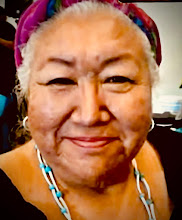
you know, like there's always this curiosity of of ritual and ceremony and I'm and I'm you know, for me, sometimes I think that it's a bit obtrusive. I I really haven't really like what's the word? I don't like being having photographs taken.
Marina Crane (08:38.31)
throughout my childhood I've just I have very little photographs of me. So, you know, when a white man, Wachashwa Shte, wanted to photograph me, I just thought, okay, he did s such work for the cause of exposing Nathan Chasing horse, I thought, it it's it it's like my getting my picture taken, like at what sacrifice it's it's okay. I'll I'll honor this this man and and what he does for a living.
So this next video is with it's women leading the front lines for healing.
And I met this young woman at the sentencing of Nathan Chasing Horse. And basically you'll hear her talking about her story. And her mother, Lynette Adams, we had been in contacts I think since 2015, and this year is the first time I met her in person. The first time I spent time talking to her and her daughter and and her partner. So a lot of the things that I needed some sort of closure on in her listening to
my story and me embracing whatever she had had encountered with Nathan Chasing Horse and the experience of her daughter because it was important for her daughter and Lynette to have their impact statements in the courthouse. And and so for me there there are certain things that are strictly female and certain things that are strictly male. I mean you can talk about it like but at the same time it's the practice or
the storytelling part of it that that needs to be gender specific or or in other case whatever gender you specify so again this this young woman this is the handle that you can find this is as j r a d y s p n and this is on youtube and it's called women lead healing on the frontlines
Marina Crane (10:43.802)
And Yacht A Shah, Sierra B gay, Ganashia, Tapa Hanishol, Sinja Kenne, Bashashim, Bilagana Shuche, Sit Nanjini, Shinele, Se Hot So Demashwa, Shuma, Lennet Alams, Wuya, Shijay, Brandon B gay, Warya. hello everybody, my name is Sierra B gay. I come from the Navajo Nation.
This experience has been so heartfelt and another step to my healing journey.
Marina Crane (11:28.49)
I pray for my sisters that are continuing their healing and I pray for them as we were walking today that their spirit be with us and that they could get the same feeling of healing that we were feeling.
Marina Crane (11:45.698)
This issue is happening all amongst our indigenous communities. It continues to happen. Our prayers that were said today are to stop that cycle. And that begins with healing, talking about it. I know that in our culture it's a little taboo to speak those things because when they colonized us, you know, grandma said, Don't talk about that. But we need to break that. We're like, it's okay to talk about that. Be open with what has happened to you. And
Let people know what happened because it's not right. And your spirit is sacred and for that to get hurt in any way is not right.
Marina Crane (12:30.989)
This walk here and standing rock is another step to healing because our earth, she is our life giver. She is who we turn to to pray and this water is sacred. When we first came into this world we were in water for nine months in our mother's womb. And we see this as a medicine and as a blessing and that's why we want to protect it. We know that that's our our future.
Marina Crane (13:04.053)
I pray for those that are going through that pain and their hurt and suffering and I know how that feels and I don't want you to feel that way anymore. And you're not alone. You know, just talk to grandma, talk to auntie, talk to your sisters, talk to your cousins. You're not alone and there's so many people out there that want to help you, that care for you. There's people out there who dedicated their lives to hear what you have to say.
So in a humble way, I I pray for you and your being. And you know, we marched for you today. For those survivors that are out there, for our women that continue to get abused. I just pray for you. My heart goes out to you.
Marina Crane (14:14.241)
Judges here.
So again, you know, like I like I like I said, it's important to to talk about you the your own story of how like the whole process of understanding like your fear, understanding what sexual feelings you're repressed, and again too, even though you can go to therapy and have all this support, the the the whole notion or the whole the crux of the matter, like this young woman says, you know, we honor the water because
you know, every human being like for the first two weeks of every hu every mammal's life, we're all female. Then we develop within the mother within Mother Earth. In in a in in a bed of water. And and so, you know, the it's important the sacredness of our water and and in order to protect it because because the our very life depends on drinking clean water. And and so a lot of times
too like the taboo of you know not talking about healthy human sexuality you know I mean you have to talk about healthy human sexuality and you know it's just it's just so vital. Now I'm going to play this one part and and this could be very touchy because again Lynette Sierra is the young woman who just spoke on in that video on YouTube and her mother is Lynette Adams and they can be found on social
media. But Lynette knew Nathan Chasinghorse since she was 14 and introduced her daughter when her daughter was three. And it was important for Lynette and I to talk about how Nathan Chasinghorse groomed children and and and to identify that there were children. It's one thing to be a teenager but it's another thing to be a child like of 10 years old and and for this this Nathan Chasinghorse to have a
Marina Crane (16:16.323)
propensity for children. It like like it's not published
It's not published. All that people are hearing about is like his teenage wives and and the teenagers. And and so it it's it's okay like to only listen to what you feel you're able to bear and understand. Because i it's so triggering that that if you wanted to really dive deep into the ritual abuse of Nathan Chasing horse, i it's it's very triggering. And and and again too, when when Sierra as a young woman is is
talking about, you know, telling telling your story, especially when, you know, people who were in Indian residential schools or went through this genocide, they they they had the fear of even talking and being punished.
for for even accusing like their white caregiver or some caregiver of of hurting them and and the reality too is like this whole religiosity of forgiveness when when those clergymen or people in religious positions like Nathan Chasing Horse when people say, you gotta forgive them. Forgive them you know I the battle
The battle, the sheer battle. Even twenty years ago when I approached this one woman and I said, This is what Nathan Chasing horse has done to my niece and this woman had the audacity. Bless her heart, she's passed away. She had the audacity to say, I spoke to a medicine man in Saskatchewan. He says it's okay to forgive forgive men who sleep with children, with teenagers. And I'm and I just like dumbfounded that I'm disclosing to her that this Nathan Chasing horse is dangerous.
Marina Crane (18:01.171)
And and that this is what he's doing to teenagers. And within within that same few months, she gives her daughter two Nathan chasing horse.
who spends, you know, p a good part of her life, fifteen, fifteen years, twenty years, being c coercively controlled by this man. And so all of these followers of Nathan Chasinghorse who joined his cult were coerci coercively controlled. And and the thing is like if the parents or the you know have been controlled and that's all they think, it's they've normalized it, and they've normalized not to talk about it because it's, you know, like you've forgiven. If you talk about it, then obviously you
Heaven forgiven that person. No, that's a fallacy. And the thing too in fawning is like, no, no, I'm I'm appeasing somebody because I I don't want to offend. Okay, I mean I've talked about it on my podcast, and anyway, I want to play this, and this is a recording. the investigators and from Los Angeles, Nathan Chasing Horse, it's it's like I met I met the lady, the TV reporter, and
And when I went down to to w bear witness to the sentencing. And and for me it was closure. I didn't realize the impact of the the the just the the action of being present in that space.
You know, I think a lot of people just thought, what are you doing? You're obsessed with this man. It it's not the individual Nathan Chasing horse. It's the reality of lateral violence. The the the sure power or energy that put that people who have been victims of violence
Marina Crane (19:49.62)
Misogyny, the lateral violence to try and keep people from telling the truth, oppressing the very narrative of healing. So that's why even when I talk about hypersexuality and at being a taboo, that it's important to be some in a safe place and supportive and and talk about your own feelings as a as a human being, whether whatever gender you identify as, it's important because it's part it's part of the way we're
meant to be as human beings, to to trust and and take care of each other. Now, this is probably gonna be triggering for people, and it's very clinical and very dry, but but I want to l for you to listen to it because again, you're coming from different parts of the world. I I know that you know the the my podcast is going to various places that probably are being translated as well. So again, this can be found on YouTube.
YouTube on 8 News Now. So I'll I'll start playing this. One count of sexual assault.
One count of possession and visual pornography depicting a person under sixteen. So essentially, this man was accused of and ultimately convicted of getting over on three w women, three young girls, two well, I'm sorry, three people, two of whom are young women at the time, younger than the age of consent. And ultimately a judge gave him thirty-seven years to life. You were in the courtroom from beginning to end. In fact, why don't you start from the very beginning? You were out there the night he got arrested.
Yeah, so we received a tip, I won't say how, about what was unfolding at his home in North Las Vegas. and I received a lot of information that night about this criminal case, and we knew that he had lived in this house in North Las Vegas with several women who are referred to as his wives. Right. Multiple wives.
Marina Crane (21:58.538)
And police went in, Metro Police, other agencies, with a search warrant. We also call it a raid, right? and he was arrested at that time. And the more we learned about this, the more we said, My goodness, there's just so much to this case. we learned that he was
The leader of a group known as the Circle with many followers. We learned that he was a self-proclaimed medicine man in the indigenous culture, meaning people would go to him for ceremonies and guidance. He had quite a following. We learned that he was in the movie Dances with Wolves. I believe his name was
smiles a lot. Something like that, yes. he was in maybe some other films as well. so this was a case that really got our attention, but at the heart of it it was about sexual abuse by someone with a lot of power in his culture and in his group. Which he is said to have abused. He he is said that to have preyed on people who perhaps thought he was
a very high status and really made something of it. He it wasn't like sort of like a one time thing. It was a it was a long, involved process. These people got tattoos as a b as part of the circle. They were indoctrinated in a sense, I think would is easy to say. But in the beginning, to me, it seemed like you went out there and it was
This actor that we hadn't heard from Dances with Wolves in 30 years. So but the movie, you know, people knew what it was. And so he wasn't a household name. Did you have any idea when you went out there that it was going to be so big? I didn't. I mean, I knew it would be something important to cover, but I don't think I realized the extent of what our coverage would be and
Marina Crane (24:08.961)
You know, one aspect that we were trying to balance when I reported on his arrest, I had so many people reach out to me on social media to say he did that to me, or I know someone he did this to, or he did this to my loved one, and they're no longer alive and they'll never get justice. It was sort of like, my gosh, I think even that first weekend.
or following week it was I was getting these messages and you know, we have to be careful, right? As journalists we have standards, we have ethics we have to follow. So I couldn't report everything. I had to request an interview with them, ask for, Well, do you have any documentation, right? But who has documentation of sexual abuse? So it was it was a balance. I wanted to give people a voice. but
It turns out he did though. We well in some cases. He he had some videos that were his undoing essentially, which I was in the courtroom when they played those. I actually left the courtroom for a couple of reasons, not the least of which is I don't ever need to see that in order to to do my job. I know that some people they they want to cover the trial, they and they they immerse themselves in it. No thank you. I our photographer stayed. I don't think he's ever gonna be the same after having watched that. But
You also not only learned that there that this was not a well kept secret in the circle or in the community. Right. So and that was noted in the report that people had complained about him for like two decades and individuals had seen him with young girls, clearly young girls. he they would see him and then they might become one of his wives later.
We also know that's called grooming, which his attorney did not like that word. He said it was trendy, but guess what? It's a real thing, grooming. giving a lot of attention, giving gifts, making someone feel really special, and then slowly manipulating them. That was happening. so my question as a reporter, but especially as an investigative reporter, was what happened? How did this go on for nearly?
Marina Crane (26:31.105)
Two decades. Who dropped the ball? It's not on the victims. Many of them came forward and reported him to authorities. but you know, people thought, well, it's he said, she said. We don't have DNA, we don't have evidence, maybe they didn't dig enough. But this man abused people for years. And ultimately one of his victims separated from him and the circles.
And what Corona. What yes, Corona got upset and sent a tweet out to the masses. Well, she made a post on Facebook. A very long post sharing her experience. and it eventually got the attention of the right people at Las Vegas Metro. They took it seriously. They took it seriously. they did their due d diligence. they realized, hey, this is not the first time someone has
alleged abuse at the hands of this man. so Corinna Leon LaCroix helped bust this open. I always report that because I think it's really important. Her voice spurred so much change and helped hold this man accountable. And she's one of the people who will he now this Corinna Leon twenty years ago she was eight years old.
And before I b and I've never really talked to her or met her or I I saw her in Las Vegas in March and April. But what's significant is her mother, what was her name? Melissa. Melissa stayed in my home with Nathan Chasingcourse's male followers when he was doing ceremonies here in Suetina. And at the time Melissa had said that you know, her husband would get upset. She said if he knew I was in Canada. And she says, But Nathan says that my daughter's a holy child. This isn't
eight year old. This Corinne Leone was eight years old. And the woman's telling me this and I'm going, you know, what's the matter with this woman? Apparently she does have a status card that says that she's part Sioux. Now, again, that's another discourse. But the reality of it is like when she's saying, Well my daughter is you know, Nathan says she's a holy woman and I thought, No, in the Dakota culture all children are holy. So so really like
Marina Crane (28:56.469)
I had some questions there. And also the fact too that this woman like the narratives and the stories that she told reporters about her stay here in Southam that she was sexually assaulted as well. I don't know. She was only here for the sun dance. Don't know who would have sexually assaulted her at the sun dance because everybody was participating. And then I saw her walking down the road and I thought, what is this woman doing? She's in another country hitchhiking into the city of Calgary.
Who knows? But the very fact is like the following fall that same year, this was in July, by September, she came up with Nathan and his followers with her Karen Leon and and she paraded her daughter I it like standing right there beside Nathan as if like she you know Melissa is you know a partner with Nathan Chasing Horse and this is their daughter and and his followers there are just like
so proud to be promoting this this god-fearing you know holy man who was a good family family man and again everybody in my community was in cahoots by that time I had already confronted Nathan and and the police told me tell him to go to c come to the police and we'll question him about your niece. So so the reason I talk about Karen Leone is she was eight. My my niece Roberta had a has a sister
I won't say her name. She was also eight. And Lynette Adams, you heard Sierra talk on the other video, when she was eight when she was a child too, and these children would go into ceremonies with Nathan, he would scare them by hitting them over the head with a rattle. Like my niece, my f little niece told me that. She said that that's what he did. And Lynette says that's how he groomed children. And I'm t I'm not talking teenagers, I'm talking children.
like eight, nine, ten years old. So so th these things aren't reported. They're they're not talked about because the investigators on this video that I'm playing with this investigator, they're just talking about the actual cases of the three women that went to court. We're we're not talking about the historical aspects of every First Nations, Inuit or Metis communities that he he visited, both in the United States and in Canada. So I'll I'll start I'll continue with this video. But
Marina Crane (31:21.439)
I wanted to to make it specifically clear. A lot of times when people don't know their their tr the protocols and traditions of community and and the spirituality behind it because maybe maybe they somehow they were disconnected. Like I think Melissa Renleon's mother was in the foster care. So again there's thousands of our children who are being trafficked at age like i in Canada at age fourteen.
So the the problem still persists. And and that's why like this this whole issue with with what happened to Ren Leon i it's just the tip. I mean in your episode on Wednesday. When we come back we'll watch Vanessa's coverage of this trial and get a little bit deeper. Stay with us.
Marina Crane (32:14.125)
Welcome back to the 8 News Now Streaming Show. In our 8 News Now Streaming Center, I'm Kyle Payne, along with investigative reporter Vanessa Murphy. Vanessa did an excellent job covering the Nathan Chasing horse case, was at trial the entire time, and then during the sentencing, which we're gonna focus on right now. So he was convicted. But we were I was on live television when he was convicted. we covered the the it live on our television product, and he was convicted of 13 of 21 accounts.
So there were some things that he didn't get convicted of, like kidnapping and some other some other things. so I actually went on one of these streaming shows and said I don't think he's gonna get life because I didn't think that it was a slam dunk in that there were quite a few charges he didn't get. But prior to sentencing, I know Nathan Chasing Horse's attorney tried to get a motion for reconsideration or motion for a new trial, and then he disparaged the victims in order to try and get
the sentencing either delayed or wiped out. Tell about that. So Craig Mueller, his defense attorney Who has an obligation to keep his client. Yes, he has to he has to try to protect his client and his rights. But he argued about payment to the victims, which prosecutors said didn't happen yet. And under Nevada state law there is a crime victims fund.
For expenses like perhaps counseling, a variety of expenses that I've gone through in my my coverage in my news articles on 8newsnow.com. But so the victims can apply for that money and get it. It's not like, hey, come to trial and testify against this person and I'll give you 10 grand. That's not it. It's looked at more as like
a reimbursement for their expenses. Sure. And attorney Mueller did a did succeed in getting the ultimate sentencing delayed, but did not affect the eventual outcome. But it's interesting because if I remember correctly, he had Mueller was not his first attorney and the attorneys that he had when he originally got arrested and the case was in North Las Vegas, they were arguing that the victims never said no.
Marina Crane (34:38.891)
And they went to appeal to the to the state Supreme Court and it started to work a little bit. One time they dismissed certain charges because use because of grooming. Grooming wasn't one of the main so he was represented initially by the Clark County Public Defender's Office. his main attorney, I believe her name is Christy Holton, or I hope I said that correctly. she was a bulldog. She really was.
And this reached the Nevada Supreme Court. She made these arguments. and the Nevada Supreme Court did agree with Chasing Orse and his public defender that the prosecutors should not have presented certain information to the grand jury about grooming because grooming isn't a charge. I'm trying to explain it in the
simplest terms but they did find fault with grooming. so then chasing horse was reindicted. The prosecutors had to go back and be careful with that term. There was a lot of legal maneuvering. There were and and you know what like those are his rights, right? His attorneys can do those things on the other side or the victims.
it's hard and we see this all the time, not just with a case like this, but any case, it's difficult because we see court cases get pushed back or a date rescheduled for one reason or another. and so that was hard. It was like three years, Kyle. He was arrested in January of twenty twenty three and then sentenced Janu excuse me, convicted January twenty twenty six, and then sentenced April twenty twenty six. So many delays. Also, one thing I wanna know, Kyle,
Especially with a sexual abuse trial, Craig Mueller, his defense attorney, has to do his job and try to poke holes in the witnesses' stories. And many times, you know, there were three victims in this case. As you mentioned, Chasing Horse was accused, now convicted of sexually abusing two of them when they were children, when they were underage.
Marina Crane (36:55.027)
Mueller has to try to poke holes in their stories and it's uncomfortable. You they're talking about sexual abuse, and here he is grilling them. So it really takes a lot for these women to come forward. Let's watch Vanessa's report of that sentencing day. The judge sentencing Nathan chasing horse to thirty-seven years to life in prison and making sure he is serving time for each of the three named victims in this case.
This whole ordeal has been a recurring nightmare. You took away my sense of safety. And you've been chasing worse to my childhood. The three women at the center of the Las Vegas case speaking of the trauma they endured at the hands of the self-proclaimed medicine man. I do not believe these things. While chasing worse breaks his silence. Clark County District Judge Jessica Peterson noting his lack of apologies.
Mr. Chasing Horse, that you can stand here and say that you are not guilty of these crimes. While there was no DNA proof in this sexual abuse case, there was evidence like video prosecutors showed the jury of Chasing Horse recording himself sexually abusing a child. She is now an adult facing him in this courtroom. Testimony from all three women played a major part in the trial.
Guilty of sexual assault with a minor the jury returning a guilty verdict in January. Las Vegas Metro investigated after Corena Leon LaCroix's Facebook post about years of abuse by the leader of the circle. Girls and women like Sierra Big previously reported chasing horse to other police agencies, but the system failed them. I came forward in in two thousand fourteen and nothing.
Happen from that, unfortunately, and so this is definitely a second chance at justice. Multiple women throughout the United States and Canada have reached out to the Eight News Now investigators alleging chasing horse sexually abused them. While it has taken decades to hold chasing horse accountable, the survivors and their supporters noting the importance of this sentencing in the indigenous community and for victims of sexual abuse.
Marina Crane (39:11.007)
To come here and actually see something come as a fruition to all of it is the biggest honor of my life. Jason Horse will receive credit for time already served in jail. That knocks a few years off of that 37-year sentence. But at about 50 years old, he will likely serve the rest of his life in prison. Reporting in downtown Las Vegas, Vanessa Murphy, 8 News Now. Vanessa, it strikes me watching that that you were able to.
capture all that perspective and all that in two and half minutes. It's excellent. do you have any thoughts in the moments we had before break after watching that? you know, one thing and I mentioned it in there and you mentioned it in the first segment. I mean, we saw the video of him recording himself sexually abusing a child. This was clearly a child
He was clearly a grown man. And that's what the judge was reiterating to him. How can you stand here and say you are innocent when we all saw that video? And I think for the jurors, that video did it for them. We spoke with the jurors. Now also I wanted to stop it there too, because the reality of it is like even though this is just based on just the three victims.
Understand this, like twenty years ago, the one lady from here, she was fourteen when she met him. He took her to a motel, you know, he sexually assaulted her three times, he videotaped her. Understand too that the the followers of Nathan Chasing, who are some of the men were given immunity by the FBI because they were gonna charge him with federal offenses as well. So right now all he it is is just state. But but they haven't even gone into like if they
really wanted to have it all percolated up into the like common public, he would have been charged with racketeering, embezzlement, and tax evasion. not only that too, but because they couldn't identify certain rooms, there were there were just videos of him with children, but they only could identify the one, the thirteen year old that that what they're talking about this video, because they could identify the hotel room in Las Vegas.
Marina Crane (41:36.629)
And and even then too, like the the reality of just his propensity for children. And and that they had to go through all these videos to try and and narrow down which ones took place in in Las Vegas. Like I said, the the one young woman here, she presented all this to our tribal police twenty years ago. And and understand this too, even Sierra Biget
she had reported him fifteen like fifteen years ago, sh fourteen years ago she'd reported him. So that those are just examples of how many indigenous girls, how many indigenous families throughout the Americas, like had that had reported reported this man to the authorities and and people just dismissed them. I know my late niece she she was so overcome
I truly believe she was l in limerence with Nathan chasing horse. And and maybe at some point too she was also had this mania attached to it. But w whatever the case is, my niece is gone. She's she's passed away. And like like for for me warning people, even like my niece passed away, I think four or five years ago. So twenty years like I've been like just the fact that she was she was so
angry at me and you know just the reality like for me hoping that she would read my blog and understand that I'm trying to to to help her report this man and she tried but all evidence and trying to find out any paper trail that she actually reported him to the police the the it it was it's invisible that it was dismissed. So that's why like in my podcast when I talk about murdered and missing indigenous women
and girls or even the whole system of indigenous First Nations Inuit Metis communities not having sovereignty over our children. My niece was was in in a group home in Calgary where she was trafficked and arrested in one of Calgary's largest drug busts. And the very fact the average age is i you know for people, not only that, you know, 14 year old indigenous kids being targeted in the foster care system.
Marina Crane (44:02.86)
Like what does it say for what what we're doing? Like because we don't have sovereignty over our children to protect them. They're they're basically handed off in the provincial, you know, systems where they're not obviously being looked after. N not not only that too, it it's just the whole nature too of adoption. That the province is adopting out native children to non-indigenous people because we don't have sovereignty over our own children. We could establish group homes
group shelters within our within our communities and have our children stay in our communities to protect them. Yes, we're not perfect. Yes, we have a legacy of intergenerational trauma. But we've gotta say these stories and we've gotta advocate. We have to advocate for our children because they're depending on us. So I'll continue this video. Talk we'll peel the curtain back a little bit and talk about how it works behind the scenes when we come back.
Marina Crane (45:01.55)
Welcome back to the Eight News Now Investigators Streaming Show. Kyle Payne, along with investigative reporter Vanessa Murphy. Vanessa covered the Nathan Chasing horse trial. more than anyone. And Vanessa, you we just were talking before the break about the jury the jury foreman. We had an exclusive interview where it says Vaneski got the jury foreman who told us that watching those videos took some of her innocence away. And they did deliberate for for a decent amount of time.
But that video was damning. It was it was horrendous. It was very upsetting. And I saw a piece of it. Our photographer saw the entire video. and he I think he saw it right before a weekend and he was upset all weekend. We obviously try to keep our opinions out of our stories and do our best to remain balanced, but once you see something like that, we're all human.
It was disgusting, it was atrocious, and unfortunately I I I mean it helped hold him accountable. Sure, and and it's interesting because I was in the courtroom for some of that and also for the defense of some of that, in which Nathan Chasing Horse's defense attorney had to like sort of go through the pictures and video and say, How do you know that those private parts belong to a younger person? And they had like a doctor come on and say, you know, well, maybe this
aspect of it could be someone of a certain age to try and show the jury, well maybe we don't know if this is a child. And then the ha the he had a another person come in who used to work at the hotel that they were said to have brought some of these victims to say, is that a curtain from from that hotel room? I think Imperial Palace. Right, which is now the link? Yes. Wow. so anyway, I was saying when we were off camera and I've said this to you a million times.
Sitting across from you is like watching a a master class in reporting. You come back from something and you build your stories. I mean, and there's always so many different angles, but in this one, there were not only angles and victims, but there were other jurisdictions. So the next thing I know I remember helping you or or working with you to write a letter to courts elsewhere. Yes, yes, yes. To try to get the information. You did you're an internal. No no
Marina Crane (47:30.038)
I think failed. I think it did help. We did get some of the documents, but prosecutors in one of their arguments wanted to present that additional information that there were other individuals who had reported alleged abuse to other jurisdictions, right? And we wanted copies of that and we did get some of that. So your letter did work. I didn't know that. So thank you. And then but so then but also that was Montana, then Canada got involved.
And when all of those things happen, you start hearing other things and he's wanted or he he left his his circle, let's say, in Montana became a circle in Las Vegas. Well, I think they moved around a lot, and or and traveled right to different ceremonies and powwows. And so he would travel and that's why perhaps
you see Canada throughout the US. There was nothing good about this case, but what was very interesting was i it was almost like you got a tutorial in some Native American ancestry and culture and you learned about these ancient ideas and events that they have. But we we certainly in learning about this case
I had to text people. I had to call me and say, Hey, I want to be respectful. Can you explain this to me? I this is my first time hearing this or learning this. so even even in this too, you you have to understand when he started when the c when he started being no noticed more as being a p sexual predator, he he it seems like he went on a campaign to recruit. So so when he attended these powwows, he was also recruiting members.
And and the more the more he had people coming because a lot of the internal circle, those people like Lynette Adams and and people from California, New Mexico, Arizona, Montana, they they they were getting a clue. Like Lynette says we were drinking the Kool-Aid and and so they were they were basically like again reading my blog that I started twenty years ago. like they started talking.
Marina Crane (49:47.201)
And and because it it was i imploding from the inside of the cult, he he basically, you know, I in my opinion f with talking with Lynette was that that it it became he almost became hyper vigilant in trying to recruit more people. So so the more he tried indoctrinating people in different communities and and like I I've been invited to Manitoba to talk about human trafficking because he was there as well.
Not only that too, but if you if you do the Fifth Estate and and why weren't we believed by the Fifth Estate, there you listen to the documentary where at the same time he recruited people from Ontario. And and again a lot of the a lot of the manipulation and mind control was was to hit the most vulnerable who were dying from cancer. So so this this strategy in in trying to to brainwash people
wha had been succeeding with some and for some like the the one man whose son died from cancer. I like it's it's the tragedy of of believing this guy who bastardized everything and even trying to claim he could cure clan cancer to to control people.
And they were always willing to help me and to I wanted to report it the right way. I wanted to report respectfully to these individuals but also to the indigenous culture. And not to make light at all, but you did you did do it right, and when I did it, because I was not there every day and I had sometimes very limited time, I generalized as much as possible to try and make sure I didn't say the wrong thing because th once I felt like I got into detail.
then I know that I I'm exposed. I don't know enough about Native American culture. But so you we had this thing spread to Montana and to Canada, but then the national international news started to call you. So wha what happens in those cases? I mean they called almost immediately. different production companies reached out, some showed up in court here and there.
Marina Crane (52:05.042)
And I did not really participate very much in those interviews. Maybe I answered some questions behind the scenes to help people, but to help other journalists. But it was interesting because so many people expressed interest at the start and like they weren't at the sentencing, they weren't at the trial, so I don't really know what happened because this is a case that is groundbreaking.
This is a case that deserves a lot of attention. Well, it also separates the wheat from the chaff in the sense that you were there to do the hard work of the daily reporting and to really dig. And sometimes media in general can be superficial and the national media covering the world, you know, doesn't necessarily want to get into the nitty-gritty. And you did I thought you did a fantastic job.
Why don't you tell me a little bit about what's coming up on Wednesday at seven on your high heels and hidden truths for people who have a a little more? Okay, so I think that's about gonna wrap up. But also international, like I said, he was arrested three years ago. And listening to the survivors, again, it i I'm not an American, but the survivors that I met hit in Las Vegas for the sentencing, they they
They had said that the documentaries that these international and national news media reported on Nathan Chasing horse wasn't wasn't as respectful. Like they're talking about respecting native culture. And and the opinion of the people who had been followers within the circle had said that the fifth estate of C B C was the best documentary that they had shown. And the very fact that that the initial investigative reporter
Who fought to have this story published had the tenacity, the stictuativeness to see it right through from the beginning to the end. And that's three years. During those three years, too, understand, I had people from New York City and other people contacting me. One should do documentaries, and I said no. Because I knew how much, how much I had to trust the Fifth Estate's initial reporter, investigative reporter.
Marina Crane (54:22.796)
And and it was very stressful. because again, are they going to do are they going to justify like what my values and beliefs, are they gonna respect the values and the beliefs of my what my parents gave me, what my grandparents gave me, or even what my community is teaching and struggling to deal with. So those things like they might seem insignificant, but part of my podcast it is to demonstrate that it's not significant.
These are historical things of genocide, systemic racism, even the lack of of European European people not understanding the whole gist of it and and looking at the ethnology of Native Americans as as a myth or or you know, something to be categorized rather than than actually looking at like this is scientific reality here. You know, people tend to think, you know, when they try to talk about
scientific proof, they always have to say, well, this is scientific proof as based on no, this isn't religious. But you have to understand too, indigenous people when they documented certain cosmic phenomena wasn't coming from a religious point of view. This was just, you know, like how they documented and how they moved in camps, winter camp, summer camp, spring camp. All these things in the historical context of
of what's been happening for the past five hundred years and what we're still living with. So I really appreciated Vanessa Murphy. I didn't I didn't contact her until the trial started because I wanted to know if I could watch it live stream. And that was how I managed to, you know, g get a hold of her. But at the same time I was totally impressed and surprised that the investigative reporter who
it was I don't know if he's still contracted with the fifth estate, but I still believe that he's working with CBC and freelancing out of Washington DC that that he he he wanted closure with this as well. And you know I I truly believe and I hoped all the information that I have given him, everything that I've shared on my podcast, on my my blog
Marina Crane (56:41.505)
All these things are relevant because it was a learning process for me to educate people about the Wa Weepie ceremony that that Nathan Chasing Horse used. Not not only that too, but even even to understand the the nature the nature of of healing. And so even when I talk about hypersexuality, limerence, infatuation, all these critical things
that indigenous people were practicing you know helping people heal for for thousands of years and and because of that we're still here. You know, if we were such barbarians and such savages, like would would people be still looking at his our artifacts in museums, looking at our DNA, you know, just really curious about what our Native Americans because because like I said, they killed us off.
The first one hundred years they killed five generations of our children. And the reality of what I tried to talk about in terms of treaty rights and how we're a nation within a nation, and that the laws that we live under are based on the Indian Act and how hard it is just to change or even how we see white people in Parliament making amendments to laws that they don't even live under. They're dictating the laws of how
We should live as indigenous people based on the fact that they don't even know what it's like to live in First Nations, Inuit or Metis communities. So that's the say I use the I use the metaphor if it were women's health and they were talking about abortions, birth control, and yet these are men making these decisions, even though there's no women making the those decisions, I use that as a paradox and say no, there there's more to it than just the reflection of a society looking at
inside a mirror and and thinking, my goodness. No, we are all accountable for each other. And like I said, sometimes I wonder why do I keep on doing this work? Why is it so important? And and and for me, like I said, there's been epiphanies or moments of aha or moments of sadness and moments where I had to just struggle to let go and and say, okay, I've done the work.
Marina Crane (59:07.117)
I've done the work, I can keep going. And there's always something new to learn, always something that that we we like for me, like I said, it's life isn't there's no magic wand. We are all connected some way, somehow. And and hopefully whatever message I've given to the initial investigative reporter and the things that I've shared, like just the time
And the energy that I put into that was for a purpose. Because I've been so sick and tired of having white people mansplay me or you know, or just think that they know what it's like when they don't. Especially like I said, a a nation within a nation, and that and that the people who are creating these laws, you know, they're not even indigenous. So,
I think that's the end of that investig investigation with the Nathan Chasing worst case. Well it may already have aired, but then it will go on YouTube. yeah, but we we I just I had sat down with a Corena right before the sentencing. We met her, we did an interview, and then we covered the sentencing. So I wanted to show more of my interview with her when it was more quiet, get her thoughts.
on what was going to happen. You had made a comment before earlier in the show about, you know, the length of these trials and the twists and turns that they take. And one of the risks that happens is that a sexual assault victim, a victim in general, isn't necessarily dying to testify to tell their story. Sometimes you don't know that someone's gonna come. And in this case we had someone who surprisingly the length of the trial may have made her actually
appetite for testifying happened and she showed up. So so two of the women were willing to testify from the start. The woman, now an adult, who was the child victim in the disturbing video we all saw, was not cooperating with police or authorities. She came to trial to testify
Marina Crane (01:01:28.611)
Which was quite a surprise to many people because I believe they just thought she's still not gonna cooperate, she's not gonna testify. And then she showed up and she said that was me. And it really just it was chilling. That was me in the video. Yes. Right. And so we see these moments on television where the courtroom doors open and in walks a star witness. We do not see it in the ho hum day-to-day trials that we cover, even if they're you know sensational murder trials, you never actually have that moment.
And this was one of those made for TV moments. It was jaw dropping and she did not want to be identified and from the start we did not identify her. That's why in our news story you just saw her hands and you heard her voice. But we certainly got her story. Look, that was a excellent job covering that trial. Thank you for sitting here with me and talking about it too, so I know it's not easy.
Every Monday at seven the investigator show airs on this streaming show. We we have a good time up here, even though some of these stories are hard to talk about. Yeah. we hope you enjoyed it as well. We look forward to seeing you next time. Thanks for watching.
And you can watch you can watch the whole trial of Nathan Chasing Horse, the full hearing, dance us with Wolves actor Nathan Chasing Horse sentenced to sentenced in a sex abuse case. KTM TV Channel 13 Las Vegas. it was aired four months ago and it's an hour and twenty-four minutes long. And you can find that on YouTube. So
Again, thank you for listening to to my podcast today. I like sometimes I struggle for the content and then I realize no I I the reality of of just things that I've watched and what I've participated in. I wanted to play one video that has nothing to do with the trial of Nathan Chasing Horse, but has everything to do with just
Marina Crane (01:03:45.712)
Like when I talk about having narratives and making sure, you know, that people know that it's important. It's important to talk to tell your story. Now, if I can play this one, and I don't I don't know if there was one really nice piece of music that I had seen and hopefully again her name is Lorraine Saline Cardinal.
And and like she is just a dynamic Kree woman who, you know, just like I like I said, okay, this is a three minute video. And the reason I'm playing this is my own vanity. You know, I I taught you just because I've never had partner children, and people think she doesn't know what love's all about I like I like I said,
Sometimes I'm amazed at the stories I tell strangers. And the fact is like sometimes I'm going, okay, yeah, I can tell the story because they're a stranger. But the reality too is like sometimes when they stop being strangers and and then you're realizing like my goodness, what do I do from now on?
but like this this this song reminds me of a man I fell in love with who had blue eyes and he was a deserter from the Vietnam War. And when I talk about the healing journey and how there are certain taboos that you've grown up, especially at my generation, I know today's young people they're still struggling, but but there there is that when you take away the religious the religiosity of everything.
And you just go with primal and and you deal with just the you know what love is and the freedom of it because again it it should it should come right down to the the nether region of two people you know two people but listen to her and you can find her on on YouTube and again her her name is Salin C E L E I G N Cardinal
Marina Crane (01:06:08.084)
Where you are you have?
From the first drink
Marina Crane (01:06:21.173)
cheeks flushing crimson pink you know I get to the sparkle with that whiskey kiss. You know when I saw Mike his name was Mike and I called him Wachashtawa Mitawa he walked by me and I had a glimpse of his blue eyes
And in my mind I said, turn around, I'd like turn around, I want to see you again. And by the time he got to the intersection, he turned around and looked at me.
And then then he walked across the street and I said, Turn around again. And he turned around and looked at me. And he spoke to his male companion and and his male companion looked at me. And then they walked across the other side of the street. And again, I'm going, Okay, he looked. That's it. I did not I went into the restaurant with the people I was with. I did not expect him to walk into that restaurant. When he walked into that restaurant to look for me, like I like I said, that energy just just sh like
Like lightning right to my nether parts. He obviously felt it and he he he just like was a like a scared animal. He turned around and walked right into his friend's chest. Yes, love is real. Now come in this love. So when I was persuaded, we had something already.
Extraordinary Then simple exclusivity I started to feel
Marina Crane (01:08:05.998)
yeah.
Marina Crane (01:08:24.333)
He told me all of his tricks, he shared all of his lies and my
Marina Crane (01:08:35.727)
Every veil, I kept all the secrets, all the truths that I never heard, so now I know.
Marina Crane (01:09:05.211)
Marina Crane (01:09:51.727)
He told me all of his tricks, he shared all of his lies, so now I lie.
Marina Crane (01:10:17.211)
well
Marina Crane (01:10:30.393)
Yeah.
Marina Crane (01:10:44.119)
Selene Cardinal.
Like I said, it's it's amazing, it's amazing what life has in store for you because I suppress those feelings for Wachashtha Washtaya Mitaya Mitawa and dealing and letting go with this whole issue of cults and ritual abuse.
and and dealing with my own sexuality and my own healing and and talking about like sexual fantasies, eroticism, like what the b like body versus soul
And and those things the you y they all come into the wholeness of of healthy human sexuality. And as hard as it is to talk about just letting go and and participating freely and and trusting people
trusting that they're going to lead you in the right direction or or show s so show you part of them that they normally wouldn't show anybody. Those that's what intimacy is all about. And as scary as it is to to find people like that
Marina Crane (01:12:06.463)
It it's it's part of life. And and so with that, I'm hope you enjoyed the content of what I've shared with you. And I'm sorry again, like what can I say? sometimes when when
When I do these things, heck, I'm gonna play one I swear, this is gonna be the last one.
If if only I can see it. But again, two it's on YouTube. Any any anything that you want in terms of like finding finding
Marina Crane (01:13:00.587)
information information about what I talk about because it's it's completely documented. Now again I'm gonna play this song it's a woman's song and it's important because you know the girls are depending on us as older women to you know to to be there and supportive and say not to be afraid not to be afraid to grow up
Are you



No comments:
Post a Comment