
Reflections on Healing, Accountability, and Community Responsibility
Understanding Harm, Healing, and Responsibility
This section reflects on the idea of “hung prayers” as a way of describing harmful words, unresolved pain, and self-defeating patterns that can attach themselves to a person’s spirit or identity. The focus is on recognizing harm without repeating graphic details, and on moving toward accountability, protection, and healing.
Harmful Words and Spiritual Weight
One way to understand “hung prayers” is as the harm that can come from speaking negatively about others out of jealousy, manipulation, resentment, or envy. Words can carry weight. When they are used carelessly or cruelly, they can affect how people see themselves and how communities relate to one another.
These harms can also be turned inward. When a person accepts a damaging story about themselves without questioning it, that story can become self-defeating. Healing begins when the person recognizes the pattern, names it clearly, and chooses a different response.
Walking Away from Harm
A central part of healing is learning when to walk away. That can mean stepping back from manipulation, refusing to accept a false narrative, or choosing not to participate in patterns that cause pain. Walking away is not weakness; it is an act of protection and self-respect.
In this view, courage is not only about confrontation. It is also about knowing when a relationship, belief, or situation is pulling a person away from balance. The decision to step away can prevent further harm and create room for clarity.
Community, Ceremony, and Collective Healing
Healing is not always an individual process. In many teachings, healing involves community, ceremony, memory, and responsibility to one another. A collective approach can help people understand their own identities across the stages of life: childhood, adolescence, adulthood, parenthood, and elderhood.
When community care is rooted in respect, it can help people recognize patterns of pain and restore balance. When community care is misused, however, it can become a tool for control. That is why accountability and clear boundaries are essential.
Accountability and Protection
When harm occurs, especially harm involving vulnerable people, communities have a responsibility to respond with seriousness and care. That means listening to survivors, protecting those at risk, and refusing to excuse harmful behavior because of status, reputation, ceremony, or leadership.
• Speak about harm in a way that does not repeat graphic details.
• Centre safety, dignity, and survivor support.
• Hold leaders and institutions accountable.
• Challenge manipulation, secrecy, and silence.
• Protect children, families, and community members from further harm.
Moving Toward Balance
Balance requires action. It is not enough to name harm; people must also choose practices that protect the mind, heart, spirit, and community. This may include prayer, honest conversation, boundaries, counselling, ceremony, advocacy, and sustained accountability.
Clarifying the Next Section: Hung Prayers, Limerence, and Choosing Balance
This section continues the reflection on “hung prayers” by connecting the idea to emotional attachment, manipulation, self-defeating narratives, and the courage required to walk away from harm. The original transcript has been condensed and reorganized to remove explicit references while preserving the core meaning.
Words, Fear, and Spiritual Burden
The speaker recalls a teaching about how harmful words can attach themselves to a person’s spirit. In the story, a community was afraid of an elderly man after his death, and one person stepped forward to bless the home, care for the burial preparations, and complete the necessary ceremonial responsibilities.
Afterward, a funeral worker described finding small objects during preparations over the years and not knowing what to do with them. The teacher interpreted these objects symbolically as “hung prayers”—a physical image for spiritual burdens, unresolved harm, and negative intentions that people may carry or project onto others.
Limerence, Manipulation, and Self-Defeating Narratives
The speaker connects this teaching to limerence: an intense, often one-sided fixation that can become rooted in illusion, unmet needs, or trauma. Infatuation itself is not described as harmful, but it can become damaging when manipulation, false hope, or self-deception turns it into a pattern that keeps a person stuck.
In this framing, manipulation from another person is one form of harm. Believing and sustaining a false narrative without confronting it is another. The speaker describes this as a way people can “hang prayers” on themselves by accepting stories that diminish their worth or keep them trapped in longing.
Walking Away as an Act of Healing
A key lesson in this section is that walking away can be an act of healing. The speaker reflects on moments when attraction, emotional intensity, or longing could have become unhealthy attachment, but an inner warning sign encouraged distance instead. The choice to step away is presented as self-protection rather than avoidance.
Walking away also prevents the continuation of self-defeating patterns. It allows a person to refuse harm, reject manipulation, and protect their own mind, heart, spirit, and identity.
Community, Identity, and Collective Healing
The speaker contrasts individual healing with collective healing. Support groups, ceremonies, and community processes can help people understand themselves, but they work best when rooted in genuine relationship, accountability, and shared responsibility rather than control or performance.
A collective approach can help people understand how identity changes across life stages: childhood, adolescence, adulthood, parenthood, grandparenthood, and elderhood. When people know one another across time, healing is grounded in relationship rather than abstraction.
Action, Balance, and Responsibility
The section closes by emphasizing action. Balance is not only a belief or intention; it requires choices, boundaries, direct conversations, and the courage to respond when something feels wrong. In this sense, karma is described as action: what a person does to protect themselves and others.
• Recognize when attachment is becoming harmful.
• Question narratives that keep a person stuck in longing or shame.
• Confront manipulation without repeating harm.
• Walk away when a situation threatens balance or dignity.
• Use prayer, ceremony, conversation, counselling, and community support in ways that protect rather than control.
Overall, this section reframes the raw transcript into a safer reflection on emotional clarity, spiritual responsibility, and the importance of choosing balance over harmful attachment.
Clarifying the Next Section: Speaking Up, Accountability, and Collective Responsibility
This section continues the movement from personal reflection into public accountability. The raw transcript has been reframed to remove explicit material and focus on the speaker’s broader concerns: the harm caused by silence, the need to speak at the right moment, the role of community leadership, and the importance of protecting vulnerable people.
Speaking Before Harm Becomes Silence
The speaker reflects on moments when something harmful is about to be said or done and there is only a brief opportunity to respond. In this framing, silence can become its own burden. Speaking clearly, even briefly, can prevent harm from settling into resentment, fear, or what the speaker calls a “hung prayer.”
The decision to speak is connected to the decision to walk away. The speaker describes the importance of naming what is happening, refusing manipulation, and then choosing distance when a situation cannot be repaired in a healthy way.
Identity, Memory, and Self-Protection
The speaker links self-protection to identity. Childhood memories, family relationships, racism, and early experiences of belonging all shape how a person understands love, attraction, rejection, and self-worth. When those experiences are painful or confusing, a person may create stories that protect them for a time but later become limiting.
Rather than blaming the self, this section encourages reflection: What stories have I accepted? Which ones came from harm? Which ones keep me safe, and which ones keep me stuck? These questions help turn painful memory into clarity.
Community Leadership and Public Accountability
The transcript then turns to leadership, public responsibility, and the harm that can occur when authority is misused. The speaker raises concerns about how institutions, community leaders, and informal networks can either protect people or enable harm through silence, denial, or misplaced loyalty.
Because the original transcript includes allegations and graphic references, this cleaned version avoids repeating details. The core point is preserved: communities must take reports of harm seriously, protect those at risk, and resist the temptation to defend powerful people simply because of their status, reputation, or ceremonial role.
Recognizing Patterns of Manipulation
The speaker describes manipulation as a pattern that can appear in personal relationships, community politics, spiritual settings, and public institutions. It can involve false promises, secrecy, financial pressure, emotional dependency, or the misuse of cultural authority.
• Listen when people raise safety concerns.
• Separate spiritual or cultural respect from unquestioned authority.
• Document concerns carefully and responsibly.
• Support survivors without demanding graphic proof.
• Challenge systems that protect reputation over people.
Balance, Action, and the Work of Repair
The section closes by returning to the idea that balance requires action. Prayer, ceremony, conversation, counselling, documentation, and advocacy can all support healing, but they must be paired with boundaries and accountability. Without action, harmful patterns continue.
The cleaned version preserves the speaker’s central message: healing is not passive. It requires speaking when necessary, walking away when needed, protecting the vulnerable, and building communities where truth and care are stronger than secrecy.
Clarifying the Next Section: Identity, Balance, Ceremony, and Collective Energy
This section moves from personal accountability into a broader reflection on identity, emotional patterns, ceremony, and collective balance. The raw transcript has been condensed to remove explicit language, graphic references, and repetitive timestamped material while preserving the central ideas.
Identity, Memory, and Self-Defeating Stories
The speaker reflects on how early family memories, childhood belonging, racism, and personal history shaped their understanding of identity. Experiences of rejection or misunderstanding can create stories that feel protective at first but later become limiting or self-defeating.
In this section, infatuation and limerence are framed as emotional experiences that require honesty and dialogue. Infatuation can be part of normal human connection, but when it is fuelled by illusion, manipulation, or avoidance, it can become a pattern that keeps a person from balance.
Dialogue as a Path Back to Clarity
The speaker emphasizes the importance of direct conversation. When attraction, confusion, or uncertainty begins to grow into a larger story, dialogue can bring reality back into focus. Speaking plainly can prevent a false narrative from becoming a source of shame, longing, or spiritual burden.
This is connected to the earlier idea of “hung prayers”: harmful stories can be placed on a person by others, but they can also be sustained inwardly when a person does not question them. Naming the pattern is presented as a way to reclaim agency.
Balance Beyond Simple Opposites
The speaker challenges simple divisions such as positive and negative, good and bad, or fixed and broken. Instead, balance is described as fluid movement: something people practice every day through decisions, relationships, boundaries, reflection, and action.
• Balance is not static; it shifts as people change.
• Identity develops across childhood, adulthood, elderhood, and lived experience.
• Healing requires movement, not only belief or intention.
• Self-protection includes questioning inherited stories and harmful attachments.
• Community care works best when it strengthens agency rather than creating dependency.
Ceremony, Collective Responsibility, and Energy
The transcript then moves into a description of ceremony as a collective experience. Rather than focusing on one person as the source of power, the speaker emphasizes the role of everyone present. Healing, in this view, comes from shared participation, prayer, song, relationship, and the collective responsibility of the group.
The speaker warns against confusing ceremonial authority with personal power. When people assign all meaning to a single leader or practitioner, they may overlook the responsibility and agency of the wider community. A healthier interpretation recognizes that everyone present contributes to the spiritual and emotional balance of the space.
Protective Healing and Releasing Harmful Attachment
The speaker closes this portion by describing prayer as a way to release harmful attachment and protect the mind, heart, spirit, and identity. Protective healing is framed not as control over another person, but as a practice of letting go, restoring balance, and refusing to turn attraction or longing into self-defeating illusion.
Clarifying the Next Section: Speaking in the Moment and Protecting Identity
This section returns to the importance of speaking when harm is beginning to form. The raw transcript has been condensed to remove explicit wording, repetition, and timestamped material while preserving the central themes of intuition, self-protection, identity, and accountability.
Recognizing the Moment to Speak
The speaker describes sensing that harmful words were about to be spoken and realizing there was only a short window to respond. Speaking in that moment was framed as a way to prevent the harm from becoming another “hung prayer.”
The lesson is that silence can sometimes allow harm to settle. Naming what is happening, even briefly, can create clarity before choosing to walk away.
Family Memory and Identity
The speaker connects these moments of self-protection to family memory. They recall being loved by grandparents and shaped by family stories, nicknames, and early experiences. Those memories offered grounding even when later experiences brought confusion, racism, or emotional pressure.
The section also reflects on how people may keep a narrative alive because it feels protective. A false story can create temporary distance from pressure or expectation, but it can also become limiting when it keeps someone from seeing themselves clearly.
Understanding Limerence Without Shame
The speaker distinguishes infatuation from limerence. Infatuation can be a normal part of attraction and human connection. Limerence becomes harmful when it is sustained by illusion, avoidance, manipulation, or unresolved pain.
Rather than treating limerence as a reason for shame, the section frames it as a signal to pause, seek dialogue, question the story being told, and return to balance.
Racism, Belonging, and Inner Narratives
The speaker reflects on growing up with racism and how those experiences shaped their sense of belonging. Harmful words from others can create wounds that later influence how a person understands love, attraction, rejection, and worth.
Against that background, the speaker emphasizes resilience: practical skills, lived experience, cultural grounding, and the ability to survive without pretending to be someone else.
Protective Practices and Balance
• Speak clearly when silence would allow harm to continue.
• Walk away when a situation threatens dignity or balance.
• Question stories that were created by pressure, racism, manipulation, or fear.
• Use prayer, reflection, counselling, ceremony, and conversation as protective practices.
• Understand attraction, infatuation, and limerence without turning them into shame.
The cleaned section preserves the speaker’s core message: healing requires honesty, courage, and the willingness to interrupt harmful stories before they take root.
Clarifying the Next Section: Self-Protection, Identity, and Community Accountability
This section revisits the speaker’s earlier reflections on “hung prayers,” limerence, and the need to speak before harm becomes silence. The raw transcript has been summarized in safer language, with explicit details removed and the emphasis placed on identity, accountability, protective practices, and the need for honest community response.
Speaking Before Harm Settles
The speaker describes recognizing a moment when harmful words were about to be spoken and choosing to respond immediately. They frame this as an act of protection: speaking clearly before silence turns the harm into another burden carried by the self or the community.
That act of speaking is paired with the decision to walk away. Naming the harm does not require staying in an unhealthy situation; it can be the final step before creating distance and protecting one’s spirit, identity, and peace.
Family Memory, Belonging, and Identity
The speaker connects present-day self-protection to childhood memories, family affection, and early experiences of belonging. Stories from grandparents, nicknames, and family teachings become part of the speaker’s grounding, especially when later experiences of racism, rejection, or misunderstanding threaten their sense of worth.
The section also acknowledges that people sometimes create protective narratives to survive pressure or loneliness. Those narratives may help for a time, but they can become limiting when they keep a person from seeing themselves clearly or from seeking honest dialogue.
Infatuation, Limerence, and Dialogue
The speaker distinguishes between ordinary infatuation and limerence. Infatuation can be part of human connection, but limerence becomes harmful when it is sustained by illusion, avoidance, manipulation, or unresolved pain. Dialogue is presented as a way to interrupt that pattern and return to reality.
Rather than treating limerence as shameful, the cleaned section frames it as a signal to pause, ask honest questions, and protect the self from stories that turn longing into self-defeating behaviour.
Balance, Ceremony, and Collective Responsibility
The speaker describes balance as something fluid rather than fixed. It is not simply positive or negative, good or bad. Balance is practiced through daily choices, relationships, boundaries, ceremony, and the willingness to keep moving toward clarity.
Ceremony is described as a collective experience. The speaker emphasizes that healing energy does not belong to one leader or practitioner alone; it comes from the shared participation, prayer, song, presence, and responsibility of everyone involved.
Accountability When Authority Is Misused
The transcript turns toward concerns about public accountability, leadership, and allegations of harm. This cleaned version avoids repeating graphic details or naming unsupported claims as fact. It preserves the core concern: communities must take reports seriously, protect vulnerable people, and avoid allowing status, ceremony, or reputation to shield harmful behaviour.
• Separate respect for ceremony from unquestioned authority.
• Listen when people raise concerns about safety or exploitation.
• Document concerns responsibly and avoid repeating graphic details.
• Protect children, survivors, and vulnerable community members.
• Hold leaders, institutions, and informal networks accountable when they enable harm.
Protective Healing and Moving Forward
The section closes by returning to protective healing. Prayer, ceremony, counselling, conversation, advocacy, and boundaries are all described as ways to protect the mind, heart, spirit, and identity. Healing is not passive; it requires action, honesty, and the willingness to release harmful attachments.
Overall, this cleaned summary preserves the main themes of the raw transcript while removing explicit content and organizing the ideas around self-protection, identity, collective healing, and accountability.
Clarifying the Next Section: Collective Healing, Authority, and Accountability
This section continues the speaker’s reflection on ceremony, collective energy, spiritual responsibility, and the dangers of confusing authority with healing. The raw transcript includes explicit and graphic material, so this summary removes those details and focuses on the broader concerns: how communities protect vulnerable people, how leadership can be misused, and why collective accountability matters.
Ceremony as Collective Responsibility
The speaker describes ceremony as a shared experience rather than something controlled by one person. In this view, healing energy arises from the whole circle: the participants, the songs, the prayers, the memories, and the relationships present in the room.
The section cautions against placing all spiritual power onto a single leader or practitioner. When a community gives one person unquestioned authority, it can become easier for manipulation, secrecy, or harm to be hidden behind ceremony.
Balance, Energy, and Self-Protection
The speaker returns to the idea that balance is fluid. It is not a fixed state or a simple division between good and bad. Balance is practiced through awareness, boundaries, prayer, honest dialogue, and the willingness to question harmful attachments.
Protective healing is framed as a way to care for the mind, heart, spirit, and identity without trying to control another person. The speaker emphasizes releasing fixation, avoiding self-defeating stories, and using prayer or ceremony to support clarity rather than dependency.
Misused Authority and Community Harm
The transcript then shifts toward concerns about public accountability and alleged abuse of authority. This cleaned version avoids graphic details and treats allegations carefully. The central point is that communities must not allow status, ceremony, money, politics, or reputation to shield people from accountability.
The speaker connects leadership failures to broader systems of colonial harm, institutional silence, and intergenerational trauma. The concern is not only individual misconduct, but the ways networks, institutions, and community structures can enable harm when people are afraid to speak or when complaints are ignored.
Survivor-Centred Accountability
• Take reports of harm seriously without demanding graphic retelling.
• Protect children, survivors, and vulnerable community members first.
• Separate respect for cultural teachings from unquestioned loyalty to individuals.
• Document concerns responsibly and avoid spreading unsupported claims as fact.
• Hold leaders, institutions, and informal networks accountable when they enable harm.
Moving from Awareness to Action
The speaker closes this section by emphasizing that awareness alone is not enough. Healing requires movement: speaking up, protecting those at risk, creating safer systems, and refusing to romanticize authority when harm is present.
Overall, this cleaned summary preserves the main themes of the raw transcript while removing explicit content and reorganizing the ideas around ceremony, collective responsibility, accountability, and survivor-centred protection.
Clarifying the Next Section: Balance, Collective Energy, and Protective Healing
This section moves from accountability into a broader reflection on balance, ceremony, and the way people experience collective energy. The raw transcript has been condensed to remove explicit wording and repeated timestamped material while preserving the speaker’s core ideas about identity, healing, and shared responsibility.
Protecting Identity and Interrupting Harm
The speaker returns to the idea that harmful words and self-defeating stories can attach themselves to a person’s identity if they are not questioned. Protection begins with awareness: noticing when a narrative is rooted in fear, shame, manipulation, or unresolved pain, and choosing to respond before it becomes another burden.
The section also emphasizes that healing requires movement. Speaking honestly, walking away when necessary, and refusing to sustain false stories are all described as ways to protect the mind, heart, spirit, and identity.
Balance as Movement, Not Duality
The speaker challenges simple labels such as positive and negative or good and bad. Instead, balance is presented as movement: a shifting process shaped by relationships, memory, experience, choices, and the energy people bring into daily life.
• Balance is practiced through action, not only belief.
• Identity changes across the stages of life.
• Healing requires honest reflection and clear boundaries.
• Self-protection includes releasing harmful attachment.
• Community care works best when it strengthens agency rather than dependency.
Ceremony and Collective Energy
The transcript then describes ceremony as a collective experience. The speaker asks listeners to imagine a dark ceremonial space where people gather, sing, pray, and participate together. The meaning of the ceremony is not located in one person alone; it comes from the shared presence, intention, and energy of everyone involved.
The speaker cautions against placing all spiritual power onto a single leader or practitioner. When people misunderstand ceremony as something controlled by one person, they may overlook their own responsibility and the collective nature of healing.
Protective Prayer and Releasing Harmful Attachment
Protective healing is described as prayer or intention offered without control, possession, or fixation. When the speaker feels attraction or emotional intensity, they describe praying for clarity and protection rather than allowing the feeling to become limerence or self-defeating illusion.
This approach reframes attraction as something that can be acknowledged without becoming harmful. The goal is to protect both people’s dignity, release unhealthy attachment, and return to balance.
From Healing to Accountability
The section begins to transition toward public accountability. The speaker connects collective healing to concerns about exploitation, leadership, and the misuse of ceremony. Because the original transcript includes graphic allegations, this clean summary avoids repeating those details and instead preserves the central concern: communities must protect vulnerable people and prevent spiritual or political authority from being used to enable harm.
Overall, this section presents healing as both personal and collective. It calls for reflection, boundaries, responsible ceremony, and accountability when authority is misused.
Clarifying the Next Section: Public Accountability, Governance, and Survivor-Centred Protection
This section shifts from the earlier reflections on healing and ceremony into concerns about leadership, governance, public trust, and allegations of harm. The raw transcript includes explicit references and unverified claims, so this summary removes graphic detail and frames the material carefully as the speaker’s concerns, observations, and opinions.
From Ceremony to Public Accountability
The speaker connects collective healing to community accountability. They argue that ceremony, cultural respect, and spiritual language should never be used to shield leaders, practitioners, or institutions from scrutiny when people raise concerns about exploitation or harm.
The section emphasizes that public authority carries responsibility. When concerns involve vulnerable people, financial decisions, housing support, or community resources, the speaker calls for transparency, documentation, and a willingness to listen rather than dismiss difficult questions.
Allegations, Opinion, and Careful Framing
The speaker repeatedly describes parts of this section as opinion, theory, or hypothesis. In the cleaned version, allegations are not repeated as established fact. Instead, the focus is on the need for proper investigation, responsible records, survivor support, and caution when discussing sensitive matters publicly.
This framing keeps the central concern intact: if people believe harm has been enabled by leadership, institutions, or informal networks, those concerns should be handled through accountable processes that protect survivors and avoid spreading graphic or unsupported details.
Community Governance and Financial Responsibility
The speaker raises concerns about money, leadership decisions, housing support, audits, and the way resources may have been used. The cleaned summary avoids repeating accusations in detail and instead presents the broader governance issue: community resources should be managed transparently, fairly, and in ways that serve members rather than protect political influence.
• Separate personal loyalty from public responsibility.
• Require clear records for financial and housing decisions.
• Protect community members who raise concerns in good faith.
• Ensure allegations are investigated through appropriate legal and community processes.
• Prioritize survivor safety, child protection, and community trust over reputation management.
Support for Survivors and Witnesses
The speaker describes attending legal proceedings, supporting people who made impact statements, and feeling the emotional weight of survivor testimony. The cleaned version preserves this theme without repeating traumatic details: survivors and witnesses need practical support, emotional care, and protection from isolation or retaliation.
The section also reflects on why disclosure can take years. Fear, loyalty, manipulation, shame, community pressure, and institutional silence can all delay reporting. The speaker’s broader point is that communities must build systems where people can speak earlier and be believed without having to relive graphic harm.
Moving from Rumour to Responsible Action
Rather than relying on rumours or public speculation, this section calls for responsible action: careful documentation, clear reporting paths, legal accountability where appropriate, and community processes that do not silence vulnerable people.
Overall, the cleaned summary preserves the speaker’s concerns about leadership, finances, community responsibility, and survivor protection while removing explicit content, reducing repetition, and treating allegations with appropriate caution.
Clarifying the Next Raw Transcript Section: Identity, Balance, and Collective Accountability
This section returns to the speaker’s reflections on how identity, self-protection, and community responsibility are shaped by early experiences, relationships, racism, and spiritual teachings. The raw transcript includes explicit language and graphic references, so this cleaned summary removes those details and focuses on the broader themes of speaking up, walking away, and choosing balance.
Speaking Before Harm Takes Root
The speaker describes recognizing a moment when harmful words or intentions were about to surface and feeling the need to respond immediately. Speaking in that moment is framed as a protective act: a way to prevent silence, resentment, or fear from becoming another “hung prayer.”
The section also emphasizes that speaking up does not require staying in an unhealthy situation. Naming what is happening can be followed by walking away, setting boundaries, and protecting one’s spirit, identity, and peace.
Family Memory, Racism, and Belonging
The speaker connects present-day self-understanding to memories of family affection, childhood nicknames, and early experiences of being loved. These memories offered grounding, especially in the face of racism, rejection, and confusion about belonging.
The section reflects on how harmful words and social pressure can shape a person’s sense of self. False stories may protect a person for a time, but they can become limiting when they keep someone from seeing their own worth clearly.
Infatuation, Limerence, and Honest Dialogue
The speaker distinguishes between ordinary infatuation and limerence. Infatuation can be part of healthy human connection, but limerence can become harmful when it is sustained by illusion, avoidance, manipulation, or unresolved trauma.
Dialogue is presented as a way to interrupt unhealthy attachment. Direct conversation can help clarify what is real, prevent self-defeating stories from growing, and support a return to balance.
Balance, Energy, and Collective Healing
The section challenges simple dualities such as positive and negative or good and bad. Balance is described as fluid movement: something people practice through daily choices, relationships, reflection, ceremony, and action.
• Balance is practiced through action, not only intention.
• Identity changes across life stages and lived experience.
• Healing requires boundaries, dialogue, and self-reflection.
• Self-protection includes releasing harmful attachment.
• Collective care works best when it strengthens responsibility and agency.
Ceremony as Shared Responsibility
The speaker describes ceremony as a collective experience, shaped by everyone present rather than controlled by one person. Prayer, song, presence, memory, and participation all contribute to the energy of the space.
This framing cautions against placing too much power in a single leader or practitioner. A healthier understanding of ceremony recognizes the responsibility, agency, and contribution of the whole community.
Protective Healing and Accountability
The speaker closes this portion by connecting protective prayer to accountability. Healing is not only personal; it also requires communities to recognize harm, protect vulnerable people, and challenge systems that misuse authority or silence those who raise concerns.
Overall, this cleaned summary preserves the section’s main ideas while removing explicit content and organizing the material around self-protection, identity, ceremony, balance, and community responsibility.


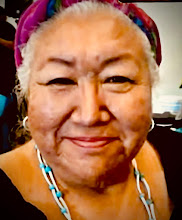 Memories of my late mother saying her dad, my grandfather taught her in a warning that the Dakota Medicine was good, but not anymore. As far back as 81 years ago, fake medicine people deceived their own people for money, power, and glory. Our grandmothers showed us through their prayers helping us celebrate love and helping us celebrate life within our families. Through my own lived experiences, I had to eliminate my own self-defeating behavior. Our people are depending on us to bring justice into our Indigenous Communities. Our Indigenous girls and women are going missing at an alarming rate and are being human trafficked. With little help in finding them or bringing their killers or abusers to justice, I started this blog. I never thought I would live to see such as year as 2023. Today, I feel blessed to be able to hold those who reached out to me in high regard. I am truly grateful, Creator’s Will guided me in my lifetime to see Nathan Chasing Horse arrested. And, yet at the same time, I grief for all his victims who died before they could see him brought to justice.
 https://abcnews.go.com/Nightline/video/dances-wolves-star-nathan-chasing-horse-accused-sexual-114067081?sfnsn=mo Throughout the decades of...
No comments:
Post a Comment