
Marina Crane (00:01.746)
good morning, people in my podcast audience. special hello to Darcy. Anyway, yes. I do have someone who listens to my podcast. Even if it's one person, I appreciate that one person. most of my podcasts that I looked at that most people are interested in in the misogyny or the lateral violence I faced my entire life.
And so that's what my podcast is gonna be about today because I think it has a significant like it's a pivotal or triggering point when it comes to reporting violence or the need to put yourself in public space. Or to like fawning is like to please people because you don't wanna
say something bad because you don't want to be looked at as somebody who's, you know, not a good person. That's just one one tip of the iceberg. But there's also limerence, which which for me is a really difficult tac thing to tackle because most people on TikTok it's again, they're young people. They I don't think they've struggled with limerence in the same context that I have.
Not not just that too, but I think the whole biology of the hormones with women's health and the brain chemistry is just something new that's been occurring in the past say five five to ten years. So these things you know I I I try to have a discussion about and hold space for people who are interested in learning about things that really matter because I don't think
For a lot of my audience, if you're planning to go to university or college or you're seeking to go into social work or psychology or some sort of profession where you're with people and and you'll have the whole dynamics of like the umbrella, the umbr the safety umbrella of the agency you're working with, I think that's the the whole concept that I critique about is because my experience is is something I've never had that safety umbrella.
Marina Crane (02:25.134)
again I I want you to understand I'm I'm an elder. How I am perceived and how I am honored and respected and how people listen to me today is totally different from say 10, 20 years ago. Once I shifted into being an elder, again, bless everybody's heart who listens, but you know
And this is the sad reality of life. It's like, how long how many more years, days, weeks, years, or months does Marina Crane have on planet Earth? And it's because of that str strat that's that reality of like like my time is limited that people want to sort of pick my brain. Not just my brain, but elders' brains, like, you know, indigenous indigenous people. I this this
cupping the week, their Calgary Stampede is on and for the first time one of the T P owners she made a comment to me. She says, I looking through my guest list
And I was checking to see who who I needed to give give my passes to. She said, and I looked through my guest list and half of them, half of them have died. And she said, Do you want to be on my list? And I thought, okay, but the way it sounded was like, okay, I'm on that list, like that list where she'll check off when I pass away. I mean that's the reality of being an elder and talking to other elders too. And at the same notion is like all of a sudden we have this status, you know.
With all our frailties, with all our addictions, with all the things that we struggled with throughout our lives, we're we're being held in in a position of honor and grace. And and whether or not we believe or feel that we belong in that space is is the topic of the conversation because I think I'll use an example. Last week I attended a meeting and like I said, elder status has shifted for me.
Marina Crane (04:28.85)
most of my life I do l have lived in Soutina, but because of the lateral violence, because I've been a victim of of serial rapists in my community, throughout my whole life I've I have not been respected. It's been like I've been this wanted woman who asked to be s physically assaulted and well there's something the matter with me because I I've never had a husband or children. Therefore, I must not be a good person.
Again too. the whole notion of limerence too, it's just I mean I'm grateful I've met so many diver diversity in Indigenous women in my life in the treaty seven area. And I'm grateful too to be an artist and to be rubbing shoulders with some really great artists, like in the past ten years, and I'm also grateful for
my connection with the art community, not just in Calgary, but just in Canada and the United States. I I think a lot of times people don't understand art or the concept of what it is. And sure, yes, it has to do with like the actual you can p be a painter, a sculptor, filmmaker. Like it the diversity is so great. Just the notion of
having two spirited artists who practice their craft by using the pronouns of they and them. Now, what happened last week, I again I'm being invited to meetings now in Soutina. And a lot of times I think the elders in Soutina who basically have shunned me, I understand this too, I get shunned by my family because I I I wasn't a real practicing Mormon
So when somebody says, Well, why did you become Mormon? You know, it's just like they think like I was this staunch Mormon, but I you know, I regress. I never was. I never went into the temple, never went on a mission. I think I only paid tithing once, never asked the church for nothing, never thought, my goodness, there's a Indian prop Native American prophet that's gonna be the head of the Mormon church. No, all that facade, that all that illusion or delusional way of thinking, no, I'm not, you know, that cult mentality.
Marina Crane (06:51.842)
I I think more so too because of the way the foster children who were raised in the resid who were raised in the Mormon Placement Program, just like like again, like the the kids that were in Indian residential school, there's this mentality of like uppity, you know, like I I'm this, you know, because they're so ashamed of the poverty that they came from.
Now, sure I grew up my whole life poor, but but it's the struggle, it's the volunteerism. Like I made mention of volunteering my entire life, creating the first daycare center, the budget. See these are budgets that that I the proposal writing the grant writing and then receiving the money and then allowing not allowing, but just for the nation to progress. even at twenty five my the first detox treatment center.
I helped my my late mother with that. Again because of lateral violence and the threat of her losing her job. There's so many things that that as women we do to harm other women. And and I I do wanna stress that more so and I think as an Indigenous woman
when I've given talks to like a diverse audience is usually ind young indigenous women who come forward and tell me that you know this is what my mu my mother experiences. You know, and that's the reality. My my story isn't unique. nor am I unique in a sense of like, what she's talking about is something new and revolutionary. No. However
Because I've never been raised in a colonial construct of working. Understand this. When I was a child we had the Indian agent who trained people who were like at least five five to ten years older than me. They they came into the administration office and and if you had a high school diploma they trained you on the job to be the administrator for for Indian affairs. And and so you have a lot of the elders now who'd serve who have served years in council
Marina Crane (09:01.144)
who have been the shadow of the Indian agents. I've never had that, I've never been indoctrinated that way. So a lot of things that I talk about, normally if I had been in a job, I would have been scared to say anything or I'd lose my job.
Now I'm educated, I have a degree, I've worked off my community, so I I don't have that fear of losing a job. In fact, when when I was fired, now I'm using the word fired very liberally, because I had a choice. I had a choice of being transferred to a ready made job. See, that's what people don't understand. I was approached by the chief,
th like that I had done such a you know it was a hard job for ten months. I I spent more than twelve hour days trying to move the education office, trying to handle a budget, under s trying to understand what it was that the previous education director hadn't understood, even where the monies were coming in. That's how much
the like under like under the the the the guise of the leadership, especially when you had two band counselors whose two relatives were my employees who were worked making a thousand dollars more than I was. So you you gotta understand the complexity
of of working under colonial construct and even the fact that the chief had asked me, you know, to take a j a a job in the administration office rather than quitting or presume to be fired. So I I I rejected that and I'm grateful that I did, even if it meant the the cost of my reputation and how people saw me as somebody like a troublemaker or I mean the it's amazing the jealousy th throughout my life I'd have people say
Marina Crane (10:57.698)
well this nasty letter was given to Chief and Counsel and Marina, you wrote it, and I'm going, What? So anything and everything that seems to have a scapegoat, you know, use Marina Crane. Now why am I regressing and trying to talk about lateral violence? Well, it it's how our young people see things. So I was at a meeting and and the the meeting had to do with a workshop.
And the workshop had to do with medicines, indigenous medicines that we gather off the land. And that there were going to be non Indigenous people taking part in this workshop. The there were two two young people who made statements. One was the statement of why are we doing this when we're not even teaching our own young people? Good point. Needs her needs my support as an elder. Second point, a young man says.
because I mentioned I said, you know, when you do these workshops to non-Indigenous people, you need to have boundaries. You need to let them know, just like a land acknowledgement, you need to let them know that what they learn and how if they're going to take this knowledge and make their own company from from the medicines that that the the facilitator is teaching, then the then this is not this is not the purpose of the workshop.
I said these things need to be addressed even though it seems quite obvious, but it it needs to be addressed because too many times you have people who are pretending, you have indigenous people who have a status card, who've never lived in Inuit First Nations or Metis communities, who flash that status card and say I'm indigenous and I represent Sutina Nation, or I represent the Treaty Seven area, or I represent you i etcetera, et cetera. Yet they've never lived in
First Nations, Inuit or Metis communities. And that was my argument. When young people who have lived in Sutina are saying
Marina Crane (12:57.08)
You know, we need to have we need to have these workshops there needs to be some cl clarification and boundaries. And and the the debate was this young man spoke to the person who was organizing and he said, You you sent me an email and I thought all this was clarified and and that the approval of the elders was was noted, but but it hasn't been. And so he he made a comment of that and
What happened? Like the fellow who did all this ble bless his heart. I'm gonna say bless his heart 'cause you know, I can't change people's behavior, but I can voice my opinion. This other fellow who's a little older than this young man, he says, well, I
You know, I was at a workshop and these these people from Germany came and they spoke indigenous language and they you know, I was so embarrassed that I didn't know my own language and here they are speaking an indigenous language and they were doing ceremonies like sweats and participating in in r ritual and ceremony. And I said to him, They're pretending.
I said, you know, that is exactly what I'm talking about. And he says, Well, it's on the internet, on TikTok and everywhere. You know, you have non Indigenous people exploiting and taking the culture. And I said I said, Yes, but the point is, boundaries. I said, you have to understand what pretendian is. I said, it's one thing you have a non indigenous person who has no status card pretending to be indigenous and making money off of it.
at the expense of what? Poor people. I said it's the same thing with my community when you have a workshop and this young man is, you know, saying to this other fellow who was talking about these this German company. And, you know, I c I like I stood my ground, I said no, they're pretending and they're making money. So the fellow who who was talking to the other older man, he says, I feel gaslighted.
Marina Crane (15:04.886)
I feel like I'm going crazy because, you know, I s I read what you sent me in the email. Now again, I I wanna stipulate here, there are literate people, okay, and there are illiterate people, and they do work. However, our young people have gone through different a different audience, you know, especially when our young people c don't look as indigenous as I look.
But yet they live in our community and they have a right to express who they are in terms of their identity. And and the whole the whole structure of what they're trying to do to keep our culture and our identity alive. So, you know, I I really admired these young people for
facing the adversity of older people who don't understand what gaslighting is, who don't understand what misogyny is. We had one of the elders get up and say, Stop arguing. And this guy, I mean, when I was director of education, he was such a misogynist. He's married to my aunt and you know, for an older man like that who has a history of violence towards women, talking down to this young man,
I in a sense like I'm thinking, I'm just grateful these young people are experiencing this lateral violence that I've experienced and and that I'm there supporting them in in c having their narrative. Because I did say this. I said, we we do have a right to to express ourselves. It it is our right. I said, but at the same time too, when we're doing these things for non indigenous people as a n as a community.
we we do have to put boundaries down and we do have to put out those protocols and etiquette and just like land acknowledgement. Those things are need to be expressed because there are so many people because of the Indian Act who are indigenous, who have status cards, who try to make money off of being indigenous when the majority of their lifetime, when they were teenagers, young adults, when they're having children, they were so ashamed to be indigenous.
Marina Crane (17:15.476)
And and now, you know, that they've got social media and you know, it's out there, they they want to they're making money. And I'm going, No, this money the reason to have these in place is because our young people need to know this knowledge, as well as our young people need to have that money come into them. Our young people need to have that support to get educated.
Our young people need to be out there in the community where there's diversity and they understand what lateral violence is, they understand what bullying is, they understand what misogyny is, they understand what gaslighting is. All these terms, when when you grow up in a community and you've never left and you've just worked, worked for the colonial construct.
and nobody's challenged you about gaslighting or manipulation, these psychological terms. It it's important now that our young people are articulate and ch and and coming to the coming to the forefront and and standing their ground.
I I didn't have that, especially as an indigenous young woman. And now that I'm an elder, that status has changed so so they're they listen to me. And the irony or the paradox of it is like I've always been here. Like I've I'm I I am who I am. And and so for young people and just people to step back and listen, one of the comments, the first meeting I went to said a lot of our elders don't speak up.
And it it's it's not just the question of speaking up, I think it's the quality of the thought process, it's the quality of what you're trying to establish in terms of cross-cultural orientation. Because it's it's one thing too. like I said, truth and reconciliation, it needs to start in our communities. And and until we reconcile things that have happened to us
Marina Crane (19:15.244)
And until people validate us, and I'm and again, I'm saying this because of the status that I have been given. Not not because not because of the degree I hold, not because of my living in another country, not because of the less trauma events that I've had in my life, no, because I was moved into this position because of time. I grew old.
So those things and how culturally things have changed and and f for the good for me, but at the same time too the reality of the fact that, you know, there's there's a s huge surge of our young people who have a say. And the older people as grumpy and as violent or lateral violence or whatever
issue they have in terms of how they perceive me or how they perceive say a non-indigenous person who's mansplaying them, a non-indigenous person who's tokenizing them. Because this young man told this developer, I feel like I'm being tokenized. And I said, yes, that's it's tokenism. I said, until you have a workshop and you have these you you address this this this narrative of cultural appropriation in these workshops
I i y you're you're not empowering the the presenter or the community in in this engagement.
I said a lot of a lot of the ceremonies and the healing practices come from people who actually have grown up here their wh entire lives, who come in as a collective and holistic way of approaching things. And and that's the the absurdity of it in a way, because even though you have the mental health ish issues of the older generation, the reality of the fact that that they've you know, we've lived this long and the reality of like something something
Marina Crane (21:16.86)
happened miraculously people were have been healing. And but for me as an elder I'm I'm basically stepping back and articulating and deconstructing the healing process within Indigenous communities. And all the more likely too with artists.
And interpreting their narrative in the spoken word or in their artist's statements. So that in itself, I think, is a positive note that we can take away and say, okay, you know, we're we're we're at the cusp of all these things, all these things that that mean so much to our young people and the diversity. I mean, on TikTok this past week, there's been a 150 anniversary of Custer's last stance.
or the battle up greasy grass. And, you know, all the all the hidden history, you know, people not not understanding the oral history that was handed down within the tribes, even through song and dance and rituals and ceremonies. I made a comment on an Instagram post and I and understand this, I'm just really in
fascinated with Instagram. normally I would just do my podcast and my blogger and once in a while I'd use Instagram, but I find that when I use Instagram it directly goes to my Facebook and and it's out there on my social media platform. So you know I'm just using that in itself because I'm reaching people all over the United States. And
I know in my podcast I reach other people in Europe as well and and maybe the curiosity of of what it is to be indigenous in Canada. and I and rightfully so I I have done talks with immigrants from Africa and I have explained to them the genocide and all those things, those horrible things that happened to my grand great grandmother, my grandmother, my grandf my mom.
Marina Crane (23:42.925)
Like all that because that's my history. And it was never put in a curriculum, was never taught for immigrants to come when they come into Canada. And and likely so because for me, when I have immigrants who treat me like I'm stupid, or like I'm invisible, or like they have to treat me like like even when they how they talk to me.
as if I'm a child. You know, certain certain things as an elder that I really wonder how how do you do like I wonder about them the immigrants. Do you talk to everybody this way? Or is it just indigenous people that you're talking at? And and again, too, I'm a bit of I've been a bit of a naive person. You can say like I've been a fly on the wall because
I I didn't understand the complexity of of non profit organizations in the city of Calgary or any place else. I do know that when I w worked when I was on board for the native women's shelter
and just the like the United Way and how money was coming into the native women's shelter. This was before they even built the building on McLeod Trail. But the fact that you have immigrants from Africa who say that money is going to the native women's shelter and not to our our Nighty community of members. Like I'm I'm going, don't they understand like like I had to explain to him about
Human trafficking, for example. I said, we don't have sovereignty. I said, do you know our children are are being trafficked out of the foster care systems in the city all over Canada at age 14? Now, why would an immigrant from Africa even care about this? I'm going, because this has been an ongoing struggle since you know 500 years. You know, the the reality of like, yes, you come from another country, wherever that country is, and whatever.
Marina Crane (25:47.979)
war torn country you've come from and whatever the skin color you have and you're bringing your biases into my space, I'm thinking, you know, you can look at me and say, you know, I should I should be thankful. Like I I like shoulda, woulda, coulda you're mansplaining me and and yet I'm going, no, you don't get it. I've I've lived in a air a time of peace.
I I how I understand things and how people relate to me and the world around as if like you know, I'm I'm so like something's the matter because I I'm not with it. I don't know current affairs, I don't know what's happening in the world. And yet I mean I try to get this across. When you have microcosms, micromanagement or micro communities throughout the world where something happens
And and the whole world looks and goes, What? How did they get away with that? And then you realize there's a bigger picture because it's happening everywhere else. So I try and use that in terms of indigenous people. Yes, you can look at us and say, my goodness. I'm going, No, that's because of poverty. That is because of poverty and the fact that we do not have white privilege. Now, the lateral violence that I've had to face
i is is is not the same lateral violence that a white woman has. similar to like a black woman, yes, I trul like I really believe that there are some things that you know, that I just can't even comprehend because it's so horrific. And then there are other things where I'm I'm just like dumbfounded that you know, women allow or manipulate or just use other women to to make money.
to gain a profit at the expense of the gender. Not not realizing like, no, it's not your name. Whatever your name is, it's attached to the gender. And you need to realize that. Like it's it's it it it's all encompassing, especially when it comes to trying to protect our children. I I'm grateful like that I I can get on the podcast and
Marina Crane (28:12.428)
I'm grateful too that there are people who do actually listen to my podcast. it's it's not easy. I like I said, I struggle. I'm I'm not perfect. And my friend says to me, like she says, Marina, everybody has an addiction. And and even then too, like even talking about human sexuality, you do you know like as an elder I cannot talk to some women.
about how I feel about another person another human being sexually. Like like I don't know if it's ageism or if it's lateral violence or just w somebody being jealous or just somebody wanting to hurt hurt hurt me because they're hurting and nobody's rescuing them from their violent relationships within their within their own home. I I'm I'm trying to make it a practice that
when people invite me as an elder to come into a meeting, that that when they're there, the people who invite me need to be aware of misogyny and and gaslighting and whatever else manipulation when I'm talking to my audience because I said a lot of a lot of people who have been traumatized and I trigger them, they start projecting all that anger towards me. They don't even know me and they just do it. It it's it's
It's just part of the whole like if they have a issue with their grandmother, their auntie, their their mom, their sister, their cousins, they project it onto a stranger like myself. And the thing is, like, I can't confront them because what good would it do? I mean, even with my own family. And I I can't confront my family. I had a had a dream the other night that my brother gave me a hug.
a brother who hasn't talked to me since our mother died because he's he's Mormon. And and he in in in the dream he he was somehow apologizing for not talking to me. And then I wa then I woke up and I thought, my goodness This is this is a foreboding or forecast that when I'm lying in my coffin he's gonna come and give me a hug and say, I am so sorry of how I treated you and I just thought, that's what people do. Like, really
Marina Crane (30:40.46)
You know, have the guts to, you know, tell people how you feel. I have I have two acquaintances in my community who I haven't talked to since I come back from Las Vegas. And word is out like, one says, you know, I don't know why Marina's not talking to me. Well, excuse me. I you know, if if you can't even call me and ask me, then and even if you ask me and I tell you, you wouldn't even get it because, you know, I've I've
completely kept on g hell what do you call going in circles with her about human sexuality and and she just doesn't get it. like I said to my friend, I said, I'm I'm so relieved that I can talk to you about how I feel about like a another human being. I said because you know it's important. It's important because
You know, when somebody when somebody treats you good, especially a man, if when a man treats you good and you feel good about yourself, it's nice to share that. But if the people you're sharing it with are are vindictive, wanna hurt you, wanna, you know, create a a a different narrative than what you're telling, wanna make it look like, you know, you're ugly or you're like a h a horny old woman. Like they they you know, they wanna project something onto you and
And you know, I told my friend, I said, I'm really grateful that that I can I can reach out to an another human being and and talk about talk about such things, I said, because it it's really hurtful. I said, you know, a lot of people I mean I'm not gonna break into tears or anything like this, but it's really sad. See, even then it's in my voice too. It it is sad.
You know, come on people. I live alone. I'm lonely, I'm isolated, I become reactive, I you know, I'm a human being. But but the reality of it is like just the notion that someone would be nice to me and and go out of their way to be nice to me. It it it's amazing that that people don't wanna listen. I said to my friend, I said I said, you know, I I wouldn't you know, I
Marina Crane (33:02.646)
I I I I would enjoy telling people about, you know, the the things that the support I've had
I said, but even to talk about it I said they they don't even wanna they just change the subject. They don't they don't want to even investigate in my feelings, like what I what I was feeling, you know, what I thought I needed to do. And and to have to have another human being treat me good.
You know,
Marina Crane (33:45.867)
I don't ask for praise. I don't. That's why it's so hard, especially when I've had relationships with these these indigenous women and and that they're they're so much in battle fatigue or so worn out in their daily lives that they they don't have time to just be females, just to be, you know, women who
You know, like you go someplace and or you talk to like you have feelings. I gotta I gotta say this though, because it is it because again it there could be some fear in why women will not talk about things. So during the pandemic my friend we talk we'd be on the phone for ten hours and said I can't afford to get covet.
If I get COVID and die, nobody would know that I'm in my room or someplace by myself. Both of us had the same conversation. And making comment about healthy human sexuality. And I said to her, you know, being an an older person, and and see this is the whole concept too. I think I think younger people think that older people stop thinking about sex. Okay.
Understand this. I've never been married, okay, so so and I've never like I haven't been sexually active. And so when I talk about that, it's like all of a sudden people are triggered into their recent memories. And I'm and it's not my fault, okay. I you know, I'm just
I'm just being me. So I talked to my friend and I said, Yeah, the I said when I look at when I hear stories of an elderly couple being their children put them in a nursing home and they find out that the mother becomes promiscuous even though the father's in the nursing home and they're shocked that their elderly mother has been having sex with the the all the men in the nursing home. Like they're like they're, you know, astonished, like that's not our mother. Well, because the brain chemistry in the brain changes.
Marina Crane (35:59.605)
the the whole notion of of things that there's no boundaries or barriers. The the lining between the the left and right h hemisphere has been wearing down. So little things like that, even like dementia and Alzheimer's like the other day I I was so tired 'cause I sit up all night. I was talking to my friend and I lost track train of my thought twice and I'm going, no
Like that's one of the reasons for my podcast too is to talk about things as I'm aging, but getting back to old folks' homes and being elderly and sexually active. Another young man put his dad in a nursing home and the administrator called them and said,
We have a problem with your dad. He was in the cafeteria and he was sitting and he got up and he yelled as everybody's eating and he says, I I need sex. So so the they had to figure out something for him, so they got an iPad and hooked him up to pornography.
which s settled him down. So the different realities of growing old and your your behavior, your sexual behavior prior to aging, even like in your thirties or forties, like it plays a pivotal it play plays a pivotal thing when you're aging because that energy or that synapsis or how your brain structures is is still, you know, y you're still part of that.
So even so for me, because I haven't been sexually active for s since I was in my early twenties, I was talking to my niece and I was telling her about the sexual experience I had when I was nineteen or eighteen. And she says to me, Well Auntie, the older you get the more your brain
Marina Crane (37:55.041)
as your aging reverts back to like a teenager and a child. Like you're like you know, like I'm not I'm not saying like ten or twelve, you know, I'm saying like I was eighteen. So my memory as I'm aging, that eighteen year old that memory of that sexual experience is more profound than
Like and I'm thinking, why now like why now as I'm an elderly woman am I thinking this? Why didn't happen in my thirties, forties or fifties or even sixties? But but that's the psychology of the aging brain. And and it's sort of like a like not not an alert or or or be out an aware.
But it but it is it is an awareness of self-reflection and the importance of developing your own self-reflection because those are skills that you'll need in how you communicate with other human beings, especially when you're older and you still are attracted to you know attra attractive people. You know, that doesn't go away. You're you're like when people say, I'm so sad that that person only had one child and I'm going, I have never had children. Well that's sad. I'm going, what's sad about it?
You know, the the the reality of it is like if if it's the sadness of of living with your memory, isn't it important that the memory that you're living is one of joy and one of beauty? So when I talk about healthy human sexuality
I'm embracing healthy human sexuality. I'm embracing the enjoy of orgasm, the enjoy of hugs, the enjoy of that embrace, the enjoy of the of the hunt, the enjoy of the seduction and all this stuff that happens. However, that's just my e experience. The reality of it is there are a lot of women my age and older or even younger
Marina Crane (39:56.779)
that have gone through horrible childhoods, so much trauma in their lives, so many things that are so forbidden. And people say, well why is it forbidden? Because you know if if a person lives to be as old as I am, what memories would I be holding if if my if my life had been traumatized, if I had nothing beautiful in my memory.
If I never knew the beauty and the joy of sex. What if my whole life as a as early development was that of trauma and just physical abuse, mental abuse, all that. Those are the things that I believe are important to talk about in terms of healing and and not being afraid to voice your opinion if someone's hurt you instead of fawning. You know, my my mother
I was fond and the same with my aunts and uncles because again, you know, white people, you know, they you know, you're scared of them. You you're you're doing something that because you don't want to offend them. And like I'll give an example. When I went to Las Vegas, the the white man that I went with, he took pictures of me. And my my white friend says to me, Marina, that's intrusive. now was I was I fawning? Was I
Was I a allowing him to take pictures because I was afraid I wouldn't please him? no, no, it wasn't fawning and I and again I think for him, this is his how he does his boundaries 'cause he's not of my culture. This you know, he was coming into really unknown territory and and this was his way of establishing boundaries. And and again, you know, I've been around white people my entire life and
Like I said, an anything I talk about in terms of healthy human sexuality, it's important. It's important to to embrace and release these things because it's it's normal. It's a normal feeling that every human being encounters when you're talking to another human being. So but again, being assertive and letting a person know where you stand with them is is important, even if even if it's offensive.
Marina Crane (42:22.456)
to them. It's still important f for for anybody to to, you know, st have some boundaries and say, no, these these things I do not tolerate. These things I like like the the point is when the Calvary Stampede came into play, I I I hated my picture being taken. I was this little Indian girl, you know, I had white mums with their children. Come on, stand with this little girl, we'll give her a picture.
You know, I'd stand there in my dirty or well hope they were clean clothes anyway. My parents always dressed us up for stampede. And what they call squad dresses. I was so stereotypical back then. Like a zoo. Like a zoo. And they give you know, we'd take these pictures, not in outfits or anything, but just in our regular clothing, which was like stand by the little Indian child. And I just you know, I just
dreaded having pictures taken because I didn't know where they were gonna what they were doing with those pictures or nothing. And they'd give me money, you know, like and I'd take the money and I'd go buy a soda or a candy apple or something. So it was all there was always this tokenization of of the picture taken. So when I went to Las Vegas and and the pictures were taken, even when he came to my home, he asked if it was going to be obtrusive and I said no, because th if there was anything to sacrifice that I had to sacrifice
for for this person. It was in gratitude. The the story and the structure in the storytelling, in his narrative, in his artistic expression, was so profound. And and it and again, the nature of Nathan Chasing Horse and the history of who he was as a child, how he grew up in the community he grew up
the way he found things and and even the the women and the men who followed him and even the amount of influence he had in various communities throughout i the indigenous landscape. This white man from from another c country had had gone out of his way to to champion and to have this narrative told, not just by himself but with a team of other people. But
Marina Crane (44:49.187)
But the reality of it is that there was some sort of passion or curiosity that he had that that came at a price for him because I think he probably was perceived as being ignorant or stepping on my, you know, indigenous feet or being ignorant like a like like a tourist. And and you know and and what can I say, you know, I mean I
I don't I I know if I went to Europe or some China or some Egypt or whatever, I I know I know I'd be I'd be out of I'd feel out of place or I'd probably offend people. So but anyway the notion of having my picture taken and this is what I said to my friend, I said, No, I could sacrifice him taking pictures of me. Now on my on my
blog or my podcast. I have a picture of myself at as twenty three. I never thought I was a beautiful w woman. I never did. I I t and I tell my relatives and my friends I never thought I was beautiful because the white boys called me a monster, they called me a squaw, they called me a wagon burner, you know, they called me everything ugly. And and so I never perceived myself as being attractive.
And again, because I look indigenous. And and again because, you know, when you take a picture, like why would you want a picture of me? I'm ugly. And and and the same thing is like, why would you want a picture of this Indian child when, you know, all you see is the ugliness, like we're the savages, you know, like we had to be almost wiped off the face of the earth, like we're so disgusting that that even the creator hated us. Like I mean that's the
That's the systemic racism of some religions in the Americas and that's the disgusting way some immigrants see us as indigenous people who grew up here. For me to even say do you understand what indigenous people contributed to the Americas? I even had one indigenous young man on the Instagram say to me that I was romanticizing or like I was r like I was a a delusional.
Marina Crane (47:13.443)
delus delusional about rituals and ceremonies. And I thought, no, I said, I'm I'm this is my narrative. He says, Well you've won this this battle. I said, what battle? I said, it's the narrative. See, and that's the the the whole point of it, is that there are thousands of indigenous people now. Thousands who are who are on the internet or who are learning things about their culture, learning like becoming
Imagine they're gonna build a hospital just to train indigenous people to be doctors. An indigenous hospital with indigenous teachers. Like how revolutionary is that? I mean we have astronauts, we have all this and and yet, you know, for decades, because because of we'll say tokenization or the whole thing of like, we need to do land acknowledgement.
Now we need to we need to let people know that the indigenous people were here first. Like it's it's almost like tokenized because where's the curriculum? Where is the curriculum? I my own curriculum was when my parents went again, eight and ten years old, in South America and India. That was my curriculum. My father talking about and my mother talking about the lost city of the Incas, how tall the Inca Indians were and the and the brain surgery, the golden the
the medical devices made out of gold. You know, I as an artist I look at the Renaissance and I'm going, My goodness, the amount of gold the Spaniards see, the Portuguese and Spaniards were the worst in torturing and killing. Then there was the or it was the Dutch, the Portuguese, Dutch, Spaniards. Then the English and the French. But imagine all the gold they melted down and took back to the old world to to to Rome.
to to to melt down, to create a renaissance to prove that they were the elite, because why? The Colosseums had these ten tons or hundred ton blocks. How the hell did the Romans move it? Like there had to they had to have been a superior race, totally ignoring the construc constructs of the Amer the Americas. My talking to an immigrant and saying, Do you know there were more pyramids in the Americas than there were in Egypt?
Marina Crane (49:41.796)
Like the reality of what was suppressed and erased from our culture and even the the scarcity of of poverty, the the amount of children that were begging on the streets that my parents talked about, the poverty of you know, the parents, even the filthiness of of the hotel rooms where they stayed in and how they had to help clean so they could live sleep in a in a good hotel.
Things like that that were happening in the world that that, you know, people in the Americas, you know, just thought, No, we're we're we're the elite, we've got we live in cleanliness because it's godly. And and because we're doing this we're we're superior. And yet, what is the definition of civilization? I don't think humanity has been civilized for thousands and thousands of years. Because isn't civilization meaning that there's no war?
There's only peace. Isn't that what civilization is? See that's that's my understanding and my framework when when I look at the things that are happening in the world and how people who champion adversity, who champion victims, who want to see closure and want to see justice, that that people become jealous of them or they hate them or they want to do them harm. And
That's all I've ever done was was to warn people about Nathan Chasing Horse. And yet in the process I've had hatred, I've had jealousy, I've had conspiracies. I you know, I
I I I know it's difficult for my audience to comprehend, but but I want you to understand when when when those young women were in the courtroom. Like I like I in hindsight I tried to go during the to see the j the the trial. In hindsight I'm glad I didn't 'cause 'cause I just even seeing parts of the trial on YouTube, it it just it just turns my stomach.
Marina Crane (51:57.62)
like for some other people it wouldn't turn their stomach and I try to make that perfectly clear. When when there's been so much trauma with with well just use example, indigenous elders elder women, that that the curiosity or even non indigenous women, the curiosity to just attend something horrific like this just to just to be there. Like it's it's almost a sickness. See I I didn't go there to be voyeur.
I didn't go there to gawk and collect gossip. I I the first time I went, you know, I I just wanted wanted my story. I wanted to share my story because I didn't know how I was all connected or how much the supporters of Nathan Chas Chasing Horse knew me. And and I've had time to reflect and I've had you know, I've had tears.
Just the impact of those women coming up to me, shaking my head, thanking me, complete strangers. That's why in my podcast, even though like I'll say hello to Darcy, there there are there are people out there who are listening. And and like I said, it it was very touching.
That they came up to me, especially when I've seen so much adversity, so much lateral violence, so many people thinking horrible thoughts about me. And and trying to understand this is the nature of being a human. We cannot help ourselves. We think we're more highly elo elevated in terms of our consciousness, but we're not. We're not. We're we we need to humble ourselves and understand.
No, it takes it takes a lot. I'm just grateful.
Marina Crane (53:59.15)
Not the second time I went down that I that I I went with prayers. I went with offerings. I went hoping to I wipe away tears and release their soul release souls because this is a new life for the victims. You know, this is the reality of of my first visit was also to put some boundaries down with some of the other victims who were still hurting and still lashing out at me.
and and the other the other group of victims who embraced me and came up and hugged me and thanked me. So there was a diversity of the victims who you know, who belonged to to Nathan Chasinghorse's cult.
And again I say it's just it's just part of life. But at the same time when I came home and and like my friend says to me, Marina, she says, if you if you stop talking to me, I would I would call you and I'd say, What did I do wrong? And I said to her, That's exactly my point. I said I said, When when you have shared so much with people and and you you hope that the advice or the example you set for people
That they would have the courage to just say, What did I do?
And a and a lot of times people who have these behaviors, these mental health behaviors that have been going on for decades, now that they're in their sixties, seventies, y or even late fifties, you know, that's I e I can't undo it, I can't change them. And the only person I can change is myself and and so I, you know, put boundaries down and I'm going, No. I'm I'm I'm alone, but I'm never alone.
Marina Crane (55:49.727)
And and I hope like within my podcast, you know, when you're you're scared like an example a fellow made he says, This woman was married, she's gonna get married and I think a couple of days before her marriage her her fiance got mad at her. I forget what the argument was about. And and so throughout their thirty one year old thirty one years of marriage there was always that that fear.
Like you treat her bad and all this. See, the thing is, the fear the few days before their wedding, she could have walked away. She could have ended it and said that, said I'm not going be treated this way. But she spent thirty-one years being treated this way. So the fear that people initially have and leaving it you know, it's like the r self reflection is to reflect and say, Can I do this? Can I walk away? And
And even even that too, like that's it the fear is so ingrained that a lot of women refuse to leave and stay in abusive relationships.
I'm I'm not saying, you know, that all men are bad, but I but I do think I do think all women have had a participation in this whole grooming and distortion of healthy human sexuality. I think the whole point is to actually have some discourse with with your partner. And and even then it's the trust. It's the reality.
I mean I just having my picture taken was just the first step. I didn't realise like even even prior to that, I didn't realise like I had to find balance, I had to relive I had to pull out of my memory banks the joy of sex for me in order to talk to in order to have a healthy relationship with a heterosexual man.
Marina Crane (58:04.034)
just just who's there to support me. And to be, you know, like realizing like I have to embrace this because he's he's a healthy human being, also functioning, you know, with balancing his life out too. So for what I was able to do in sacrificing my pride and my image to just say, okay, take the pictures.
I can't even comprehend like just the how much I have to pay him back. And and so that's what I did. Everything that I did to accommodate him and the victims and anything that I needed to do while attending the sentencing of Nathan Chasing Horse had closure. There was the releasing releasing
when the wiping away tears ceremony and releasing the soul ceremony for myself and for and for the victims and everybody who I had been in contact with.
That's how profound healing is. But we have to ha go by our gut feeling and we have to dig deep into our our psyche and and and wrestle with like the prospects of you know, what's happening to our brain chemistry, what's happening to our hormones, what's happening as we're processing things. See, the reality of it is whatever history we bring into a conversation has a
emotional impact on everyone. And the sadness of it is like the majority of indigenous women have that trauma, have that deep, traumatized, imbalance, that their healthy human sexuality is hasn't been healthy. I th you know, just for numerous reasons. And I I chose not to have that in my life. And and the results of that are profound for me. So
Marina Crane (01:00:07.662)
You know, I can educate and help people in the in my podcast and help young people understand that, you know, what they're doing and the lateral violence or just living within an indigenous community is bearing witness every day to the injustice. Learning and and living and contributing everything.
Marina Crane (01:00:34.758)
non indigenous people don't understand this. And a lot of indigenous people who go out and get an education and come back to the communities where they were raised are are part of that renaissance. So that's why I try to explain there's so many people because of the Indian Act who whose fathers were white or their mothers were white that experience like they you know they're they're they're
I think I think a lot of pretendians want to call themselves half breeds, but they're not. You know, that's a derogatory term. I have a first cousin with blonde blonde and blue eyes. He's not he's not a half breed. He's a card carrying status Indian of Dakota Sioux. My like I say, my great grandmother had blue eyes and she was a she was a fluent Sioux speaker. So living and breathing
And going through ritual and ceremony, being in a collective and a holistic approach, in a culture that has been around for thousands and thousands and thousands of years. I don't know why white supremacy, I don't know why systemic racism has this cutoff point that after like the first what five hundred years, all of a sudden the world has become civilized. I'm here to say no.
I'm here to say y you you've been blind. The horrors that we as human beings do to each other because we're giving each other permission to do it is horrific.
So with that, I hope you have a good day. I'm grateful I could come onto the podcast and talk to you. And at the same time, like I said, I don't know who I'm reaching out to. I just know that from previous experience with my blog that I started twenty years ago, that there were people who actually benefited from what I said. Even if it took years and sometimes decades for them to believe me.
Marina Crane (01:02:47.05)
It it's heartwarming that I had that time. I had that time to do that. And and that I had some resolution. And and the epiphany or the just the collective the I I don't know, when I think about it, it's tender.
Marina Crane (01:03:09.646)
It's it's just
Marina Crane (01:03:21.868)
It was just a profound experience.
Marina Crane (01:03:29.452)
All people wanted to know was how horrible he was.
Marina Crane (01:03:39.502)
And that I kept it up for twenty years.
Marina Crane (01:03:45.344)
The reality of it is like there are he's he's not the only one. We have to be more we have to do more diligent work. We have to understand what boundaries are and we have to understand what pretendions are. We have to stand with our communities and be holistic and collective in healing. And we need to do this in a in a good way. These are things that have been handed down for thousands of years.
But I I I g when in hindsight when I think about it and I think about, you know, these were Native American people, different tribes.
Marina Crane (01:04:26.922)
And that's how I don't know, it just it just makes me feel not special. I know other other people in on in the world have support from other people like other from different cultures, but I just want people to understand
Marina Crane (01:04:53.772)
We we are much bigger than we think we are. We are much we are we ha we have more our capacity is much more than we believe we are.
I I've seen it and I just w I want to share that on my podcast.
Okay, well I'll finish the podcast. Have a good day. And again, thank you, Darcy, for listening. And again, I probably and hopefully we'll meet other people who say that they stay tuned to my podcast on on on YouTube. C'est la vie aujourd'hui.


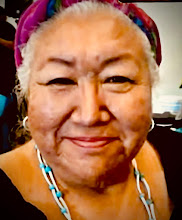 Memories of my late mother saying her dad, my grandfather taught her in a warning that the Dakota Medicine was good, but not anymore. As far back as 81 years ago, fake medicine people deceived their own people for money, power, and glory. Our grandmothers showed us through their prayers helping us celebrate love and helping us celebrate life within our families. Through my own lived experiences, I had to eliminate my own self-defeating behavior. Our people are depending on us to bring justice into our Indigenous Communities. Our Indigenous girls and women are going missing at an alarming rate and are being human trafficked. With little help in finding them or bringing their killers or abusers to justice, I started this blog. I never thought I would live to see such as year as 2023. Today, I feel blessed to be able to hold those who reached out to me in high regard. I am truly grateful, Creator’s Will guided me in my lifetime to see Nathan Chasing Horse arrested. And, yet at the same time, I grief for all his victims who died before they could see him brought to justice.
 https://abcnews.go.com/Nightline/video/dances-wolves-star-nathan-chasing-horse-accused-sexual-114067081?sfnsn=mo Throughout the decades of...
No comments:
Post a Comment