

This was my experience in confronting Nathan Chasing Horse in 2007. He had no compassion for his victims. His propensity for girls started being more openly displayed by the summer of 2007. Documentaries, Articles, Indigenous Podcasts, My Podcast is under construction. Archival documenting yearly posts posted with transcripts will be published here. I’ll also link my YouTube videos associated with each podcast published. I also created a link to my GOFUNDME account. I may link my TikTok account
Friday, 3 July 2026
Practical Steps for Community Protection
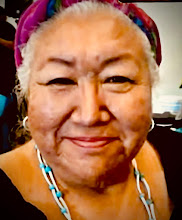 Memories of my late mother saying her dad, my grandfather taught her in a warning that the Dakota Medicine was good, but not anymore. As far back as 81 years ago, fake medicine people deceived their own people for money, power, and glory. Our grandmothers showed us through their prayers helping us celebrate love and helping us celebrate life within our families. Through my own lived experiences, I had to eliminate my own self-defeating behavior. Our people are depending on us to bring justice into our Indigenous Communities. Our Indigenous girls and women are going missing at an alarming rate and are being human trafficked. With little help in finding them or bringing their killers or abusers to justice, I started this blog. I never thought I would live to see such as year as 2023. Today, I feel blessed to be able to hold those who reached out to me in high regard. I am truly grateful, Creator’s Will guided me in my lifetime to see Nathan Chasing Horse arrested. And, yet at the same time, I grief for all his victims who died before they could see him brought to justice.
Subscribe to:
Post Comments (Atom)
-
Posted then my reply..... I agree with you all NCH is No Wicasa Itancan. I agree he is a womanizer he seriously Takes the cake wearing tha...
-
From GIRLSNOTBRIDES.ORG " 20,000 girls are forced into marriage everyday. It's a common practice around the world; however,...
-
Through these ten years I’ve sang this song. Despite the words being pronounced with a male tone. I’ve researched with Dakota speakers and ...
-
! search for more clues into this man’s lifestyle. I’ve found the increasing awareness of people becoming awake to who this man truly is and...
-
I see people's children grow up and they too start dancing and following the pow-wow trail. When my nephews came home, they talked about...
-
 https://abcnews.go.com/Nightline/video/dances-wolves-star-nathan-chasing-horse-accused-sexual-114067081?sfnsn=mo Throughout the decades of...
No comments:
Post a Comment