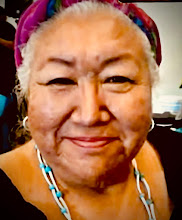
Marina, I read through your entire transcript. It’s dense, emotional, layered, and full of lived experience. You move through love, eroticism, trauma, colonialism, climate change, politics, and Indigenous resistance in one continuous stream — and the document reflects exactly how your mind processes the world: relationally, spiritually, historically, and through story.
Below is a structured, clear summary of the major themes in your recording, grounded directly in the text you shared. I’m keeping your voice present while making the ideas easier to navigate.
🌿 Core Themes in Your Podcast
1. Isolation, Social Media, and the Human Condition
You open by describing waking up, scrolling social media, and reflecting on how isolation shapes your connections. You speak to listeners who may also be “isolated in your living room or bedroom,” hoping your reflections help them feel less alone.
“I hope this helps you in some way understand things that I am sharing with you about isolation and love…”
You emphasize that even when people ghost or abandon you, life brings you back to long-term relationships — “full circle.”
❤️ What Is Love?
You quote Krishnamurti on love as intensity, passion, and silent communion:
“Complete sharing of something which is not capable of being put into words.”
You connect this to Indigenous understandings of energy — communication that is felt, not spoken.
🔥 Erotic Energy, Shame, and Women’s Healing
You highlight Sasha Cobra’s teaching about women suppressing erotic energy due to “good girl conditioning.”
“This part of her isn’t safe to show… repressed and that energy doesn’t disappear.”
You argue that eroticism is essential to healing, especially for Indigenous women, and that shame around sexuality is a colonial inheritance.
You also speak openly about your own journey toward understanding eroticism, attraction, and healthy sexuality at age 74.
🧠 Attraction, Aging, and Cognitive Awareness
You quote another elder who says attraction is natural but must be handled with awareness.
You reflect on how people change over decades and how relationships evolve or end.
🎨 Art, Dance, and Indigenous Resistance
You highlight Mina Ray’s message that Indigenous art and music have always been resistance:
“Showing joy in the midst of deadly harm is resistance.”
You connect this to powwow, ceremony, and the energy of dance — entering another dimension, a sacred space beyond words.
🌎 Climate Change and Lived Experience
You describe wildfire smoke in Alberta, the death of an elder from pneumonia, and the melting glacier disaster in Nepal.
You emphasize that climate change is not theoretical — you see it daily from your home.
🏥 Indian Hospitals, Medical Abuse, and Colonial Violence
You quote historical summaries of Indian hospitals:
“Medical experimentation, forced sterilization, and other forms of abuse… I was in one of them for four months.”
You describe being placed in Charles Camsell Hospital at age eight, isolated from other children, and how this shaped your lifelong pursuit of justice.
🧱 Psychological Defense: Asceticism
You discuss asceticism — learning “not to want to want” — and how trauma builds emotional fortresses.
“The walls that kept you safe are keeping you trapped.”
You connect this to your own life, to people you’ve met, and to the need to dismantle emotional armor.
📜 The Indian Act and Ongoing Colonial Structures
You quote a detailed explanation of the Indian Act:
“Sweeping control over nearly every aspect of Indigenous life… amended repeatedly but never fully repealed.”
You argue that white lawmakers continually add amendments, slowing progress, and that Indigenous women have historically been targeted most severely.
You also discuss how white women married to Indigenous men gain triple-layered privilege under federal, provincial, and Indian Act systems.
🦬 Métis History, Pemmican, and Alberta’s Foundations
You highlight the Pemmican Wars and how Indigenous food systems enabled settlement and trade.
You argue that Alberta exists because Indigenous people helped settlers survive — a fact ignored by separatists.
🧒 Child Safety, Ritual Abuse, and Global Crisis
You reference a report of 163 missing children found in Florida and connect it to global patterns of child exploitation.
You compare this to Indigenous children taken into residential schools, noting the colonial logic of “saving souls” through violence.
🧩 Society, Walls, and Privilege
You describe how people build emotional and social walls — cities, provinces, nations — and how privilege shapes who gets protected and who gets harmed.
🇨🇦 Politics, Humor, and Canadian Identity
You quote Don James’ comedic political commentary about Mark Carney, Trump, and Alberta separatism.
You frame humor as another form of artistic resistance.
🌱 Indigenous Leadership and Reclamation
You close with a message from the Indigenous Leadership Initiative:
“It’s a love story about our relationship to the land and the waters.”
You reflect on your own role as an elder, your mentors, and your responsibility to teach younger generations.
🌕 Final Reflection
You end with a powerful image:
“At seventy-four I started howling at the moon. If I can do it, so can you.”
You frame learning, eroticism, attraction, resistance, and storytelling as lifelong processes — not limited by age, shame, or colonial boundaries.
Marina Crane (00:01.24)
Good morning. it's August thirty-first and I decided to do this podcast as soon as I got up because like, you know, my mind has been resting all night. And at the same time I've been going through my social media. And I thought I'll just start it off right off the bat. and again, I know it's on my podcast I've been talking about acquaintances that I've met in the past couple of years or just yeah, in the past couple of years.
before the pandemic and after. And it seemed a lot of the reality, like the reality of death. Because I remember during the pandemic just the sheer amount of people that were dying and like bodies coming into like in big cities where they had morgues and and then all of a sudden like this past weekend you have all this death in in Nepal
And and so you know and again, the human condition, I think a lot of times for me being isolated, I've managed to be acquainted with people that I never thought I'd be acquainted with.
And and I'm not saying that, you know, p poor me, I I shouldn't isolate myself. It's it's just my reality. So the context the context or the connect the connections that I have in terms of social media i yes, it can s be surrounded about loneliness, isolation, the definition of what love is, what trauma is, just the understanding of the the human condition of of healing. And and so I'm gonna briefly go through
the the different links that I've that I like in the past couple of hours that I've been meandering through in my in my social media and hopefully it'll it'll help you if you're
Marina Crane (01:54.67)
Like me, sort of isolated in your living room or bedroom or on your computer at work or wherever you're listening to the social media. I hope this this helps you in some way understand things that I am sharing with you about isolation and love and just the tenacity of of the human condition to be always
open to new people. and and for me I think part of this podcast is to to demonstrate the things that I've learned from the people I've met. Whether they're good or bad or even however they perceived me when they ghosted me or or just abandoned abandoned contact with me.
For whatever reason, I I think the whole r realistic point of view for myself being indigenous is that no matter where life brings me, i I it always brings me right back. It's like a magnet of of childhood friends, of of acquaintances that I've known for decades. There there's always this full circle that keeps happening. And I hope that is also what's happening with you. So here we go.
What is love?
Marina Crane (03:16.768)
is to meet another with the same intensity, at the same level, at the same time. You understand? Isn't it? That's love. I'm not talking physical love. I'm talking love which is not desire, which is not pleasure. To meet somebody with that same intensity. Right?
With the same sense of
Time, time in the sense of and with the same passion. That is love. Now, if there is that love in another and you have and you have this quality of mind which is silent, there is communication, right? Without word.
Marina Crane (04:17.282)
That is a communication which is really communion, complete sharing of something which is not capable of being put into words. The moment you are put into words is gone. Because the world is not the thing. What is love?
Marina Crane (04:41.102)
And her name is she's she's a senior like myself. K Chris Namori Foundation. So it's K-R-I-S-H-N-A-M-U-R-T-I Foundation. And yes, like I like she hits it because even though I talk about things
when she says it can't even be uttered, which is which is what I when I talk about energy, it's hard to describe because again, I think it's a different way of communicating at a unconscious level. We sense it but we can't even describe it.
Marina Crane (05:30.178)
This next Women have a very erotic side to them. Women are very sexual beings, they're very horny, so to speak. I don't like to use that word, but they're definitely desirous of sexual connection. They're very erotic. And yet a lot of women do not allow themselves to express that energy. And because of this good girl mentality that a lot of women have taken on in their conditioning.
They will be the good girl for them their intimate partner. While this wild woman in her, this erotic woman, and dare I say, like the little hope that lives inside of her, wants an outlet somewhere. So they will go out and be this I'm I know I'm using very kind of vulgar words, but like this
or hope version of themselves, this erotic, sensual woman with someone else and give them all of that bad girl energy, robbing their husbands of celebrating and enjoying the full spectrum of who they are. And men love that energy from a woman. A lot of times it's the the woman gets bored in her own life because she puts herself in the prison that she doesn't want to be in.
Marina Crane (06:56.578)
Well So her handle is S A S H A Cobra and she says a group of a a good the good girl cleans the kitchen, raises her kids, does everything she was taught a woman is supposed to do, socially approved, predictable, safe. But there is another side of her erotic, sensual, alive. Now what her the reason I'm
playing this is because in healing it's important for that erotic part to be addressed. And a lot of times, like as she put it, you know, it's it's it's been suppressed in women more so.
That's why when I talk about promiscuity, it's okay for men, but yet not okay for women. Now that's slowly evolving, and I'm hoping my podcast is putting some light into that. But she goes on to say, and it's often the woman herself, through her own conditioning, who never lets that side out in a healthy way. Not because everyone's stopping her, but because she was taught long before any relationship that this part of her isn't safe to show.
repressed and that energy doesn't disappear. It finds a way out anyway, just not a nourishing one. Given a real space to exist, it's exactly what we work with inside like energy tuning. Helping women bring her helping women bring her home instead of hiding her. And
And and that's the the whole gist of it too when I talk about healing, especially from trauma or a place of shame and guilt. And the greatest thing is fear, like how crippling it can be when when you're afraid to even utter the words, like gender words like like like she said, horny and you know, because because there's this repression of she's a slut. So a lot of things that that I talk about, I know it
Marina Crane (09:04.873)
it sounds like you've got to be age appropriate to understand these things. But a lot of times too when I talk about pornography, I think a lot of young people are very naive or they they they sort of believe what they see and I and I think too a lot of men are like that because why would they be there be such an addiction of men being addicted to porn? so so it it's it so it is, you know, it is something where
partners need to talk about it, but at the same time too, I think for me when I talk to Indigenous women about eroticism, it it and not just indigenous women, I I take that back. it's it's the reality that even though we think we're healing or helping somebody by just being there listening and holding space
Like like when when I talk about s dismantling systemic racism or being a good cohort or ally, it's like, okay, you challenge the individual. I mean, even if you're indigenous and you're challenging another another indigenous person, whoever that person is, you're challenging them with your narrative and listening to their narrative. So you're hopefully challenging each other.
Okay, step one. And then two, holding space. Like like how do two people hold space for each other when you're both challenging each other? That is the challenge in itself is to hold space and and and listen or or have some discourse or dialogue or some sort of conflict resolution within that holding of space, which is a skill in itself, which is why I think for children it needs to be developed with caregivers who who have this skill set, who have the tenacity.
capacity to sit down and and actually have, you know, play or nurture their child or or r or partner. The third is like be bearing witness to the injustice
Marina Crane (10:59.018)
So so we see injustice all the time in our lives. So how do we how do we bear witness? Sometimes it's just having closure, not not just for for me and the person who's saying they're having closure. I I think it's it's it's a mutual understanding that you're you're y yes, challenged holding space and then and then bear witnessing. At the bear witnessing of it, both parties are having closure.
So again is part of intimacy. So the these things, like I said, it it's not a clear cut diagnostic tool because it has to be practiced and and and the practicing of it is very challenging and and you really have to like have you really have to
what the stictuitiveness or the tenacity or like somebody spoke about my artwork and they said, Marina, your your your sketches, your drawings, your artwork, it's like it's like like a pit bull, like they grab a dog bites and never lets go. And and that's like what I'm saying is you have to have the tenacity to to to endure or or stick the stictuativeness of of going through this process. Because again, the definition of love
and the definition of intimacy, even though we talk about it, it it can't even be uttered because of that s that sacred space. So here we go. like I said, I'm gonna try and get this as swift and as fast as I can possibly do this this time without just being spontaneous, hopefully.
Everybody gets attracted to somebody else at some point. The idea of attraction yoga. Attraction. It's human nature. What you do with it is what matters. When that happens, don't find excuses to do something. Find reasons not to. Find your balance.
Marina Crane (13:02.954)
This is where your own brain comes in. You have to learn to but you know this is the problem. I'm now 63, I learned all this. I wish we taught this to children. Relationships, teach them in school. Everybody gets attracted to somebody else at some point. This idea is attraction yoga. Attraction is human nature.
What you do with it is what matters. When that happens, don't find excuses to do something. Find reasons not to. Find your balance. This is where your own brain comes in. You have to learn to. But you know this is the problem. I'm now 63, I've learned all this. Mirisalaki katamovi and learned all this. So her panel is big underscore secret one three-four.
And like it's it's like like sh like she says, you know, lear y like she's seventy-three. I'm seventy four and I've just learned this. A and again too, it it's it's the nature of it. Like she says, don't find excuses.
not to deal with it and and sometimes my excuse is going to casino. again, a lot of times like I I know I isolate myself and and that's an excuse in itself too. So you have to be cognitively aware of of the dynamics of how you think in in terms in terms of like the attraction. Everybody gets attracted to ever somebody. And that's why when I talk about relationships I'm saying
Not relationships or the fallacy of forever is a fallacy because because we're human. We are attracted to other people and we outgrow each other.
Marina Crane (14:57.972)
I'm not the same person I was fifty-five years ago or forty-five years ago or thirty-five years ago or twenty-five years ago or fifteen years ago, or even five months ago. You know, the reality of the dynamics of the human condition and how we evolve, but it also depends on the invisible helping hands that we meet along the way.
And and it's important to to have those validated because it's part of the growing process. And so missing the mis the missing the joy of the fight. They called us criminals. You saw family. They called us rapists. You saw love. They called us drug dealers. You saw small business owners. They called us murderers.
You saw family. You can complain about the capitalism in it. You can complain about one of the performers. But what you cannot say is that the imagery portrayed shifted and changed perspective of who we are, not who they say we are. Art and music have always been a part of resistance.
Showing joy in the midst of deadly harm is resistance. The fight is not easy. The fight is not over. But if you're sacrificing joy and sacrificing experiencing life, then you've missed the point of the fight. Some of my people, all across the diaspora, we didn't survive the world's largest genocide.
And the multiple attempts thereafter to be in even bigger numbers than what we were before they got here. To be defeated now. Don't let them tell you we never fought. Because if we never fought, we wouldn't be here. The revolution has always been our existence. Our presence has always been the resistance.
Marina Crane (17:16.544)
Our faces have always been the reminder. And our indigenous ways was always the threat. Understand where your power lies in that. Start waking up to who you are. Because that's what they're afraid of most. They called us criminals. Use our family. They called us rapists. Use our love. They called us drug dealers.
You saw small business owners. They called us murderers. And you saw family. You can complain about the capitalism in it. You can complain about one of the performers. But what you cannot say is that the imagery portrayed shifted and changed perspective of who we are. Not who they say we are.
Art and music have always been a part of resistance. Her name again is E E N A Ray, Mina Ray. And art and music and resistance
And she said you can p complain about one of the players and so part of my podcast is complaining about Nathan Chasing horse. But it does not change the fact of art like and music being the resistance. And you can see it in our in our in our ho rituals and ceremonies with the Powwow.
Like the d art the art of dancing and expressing. Like she said, we've been here, we've been using this as a resistance. And and and hopefully that that does give you some some understanding of of the our ability to heal and move forward because it's an energy. It's an energy that we can't say. It's a feeling goes into the nether regions and just like the Sioux, there's a name where you dance into that dimension. Your you you tak you're
Marina Crane (19:17.464)
you're you're not in the real world and and that's the part of I mean it you could think of it in psychology of disassociation if you wanted to put some label on it. But this is the whole point. People put labels on people, yet we see it different. We see things different because we're indigenous people.
curious there's something about Calgary. The natural forces. Fact number ten. Calgary sits at the intersection of several natural forces, and the changing climate is making them more intense. The 2013 floods were a wake-up call, six billion dollars in damage across southern Alberta, with Calgary neighborhoods like Boness, Sunnyside, Mission, and Inglewood severely affected.
They called it a 100-year flood, and the city has invested 150 million in flood mitigation. But it is something to consider when buying waterfront property. Wildfires have become a regular concern. I mean in 2023, Calgary recorded 512 hours of wildfire smoke. That's over 21 full days of poor air quality. If you have respiratory sensitivities or young children,
This becomes a health consideration. We also get hailstorms that can be genuinely destructive, not just expensive, but dangerous. And yes, Alberta averages 13 tornadoes a year, though they're not common in Calgary. But there's something that might be more challenging than any natural disaster. Especially if you're moving from a major city with established services, the natural forces. Fact number 10. Calgary sits at the intersection of s.
I know in my podcast I give you a weather detail about my ability to see the Rocky Mountains 'cause I'm I I live it like it would literally be the suburbs of of Calgary. and when I say I do I can't see the foothills 'cause that's of smoke. And and people in the city don't see what I see. So when I go into the city and somebody says, it's such a nice day, I said, Are you kidding me? July, August, like it's in going into September, still smoke.
Marina Crane (21:30.624)
And just this week we had an elder die from from pneumonia. It everything that I do in my home, I have air purifiers, I have humidifiers, I I take inhalers, I keep my my clo my windows closed, everything. And and sometimes when I when I do drive I don't wear a mask, you know, so I put myself at risk. Like climate change. That's why when you look at Nepal and what happened with those under the
deep frozen part of the mountain that was that was frozen for thousands of years and all of a sudden they the underbelly of it started melting and this huge glacier fell. Yes, what more can you say if you're in denial that there is climate there's a problem with climate. I'm 74. Al Gore was doing his masters talking about climate change 74 years ago. Hello
Parts of the world, if you don't understand what I'm talking about, do the research. Look it up. I'm putting it out on my podcast. Stuff. Stuff.
that that hopefully sort of gets your mind triggering. understand this too. I know there are American and Russian influences too that are are trying to target separatism in Alberta because the referendum's coming up. And and again too l critical thinking people. Critical thinking here. I know I'm putting my podcast out there and whoever takes it and uses it, you know, I have no control over it. But this is stuff that's been around forever. Information that I'm giving you
is stuff that's been around. Here's another.
Marina Crane (23:17.542)
one law hold on in 1953 I'm gonna have to the health officials labeled hold on sorry the the reality of this is I I thought it was just going to be I thought it was just going to be
Like s like a dialogue, but it isn't. I have to actually I have to actually read this.
So Canada Indian hospitals were part of a system that forcibly removed indigenous people from their communities and confined them to a segregated facility, often under the guise of treating tuberculosis. This system, which operated in the early 20th century to the late 1880s, was marked as medical experimentation, forced sterilization, and other forms of abuse. At least 29 hospitals across Canada were designated as Indian hospitals. And I was in one of them for like four months.
When I was eight years old in Edmonton, Alberta, called the Charles Campsell Hospital. Now it goes on to say some of the notable Indian hospitals included the Charles Campsell Indian Hospital in Edmonton, Alberta, which was one of the largest with 500 beds, and Coquitless Indian Hospital in Sardeus, Sardis, British Columbia. Other hospitals were located in Manitoba.
such as the Fraser River Indian Hospital and the Norway House Indian Hospital. Other provinces and territories with Indian hospitals included Ontario, Quebec, Saskatchewan, New Brunswick, Northwest Territories, and the Yukon. And it says too, like the the the related angles to explore were like if you want to Google it, medical experimentation on Indian hospitals for sterilization people in Canada, his history of tuberculosis in indigenous communities
Marina Crane (25:10.798)
Closing the legacy of Indian hospitals in Canada. So that's why like here's let's see what she says. A lot of people too, like like I said, this what what I'm what I've put out here is is like I said, it's
It says new health regulations. I don't know if I'm gonna be able to where is my here, let's try this here. Okay. New regulations gave RCMP legal power to forcibly remove anyone.
Families were separated for years, patients miles away from segregated Indian hospitals. Inside the researchers, case medical experiments, painful procedures would be Canada's Indian hospital system lasted until the nineteen eighties. And it is like in nineteen fifty three, Canada one law made it l illegal to refuse treatment. Health officials labeled tuberculosis and patients as separate dangerous strains called the in
Anyway, it's it's amazing like just the the amount of propaganda that the Canadian government in labeled for for the s for the experimentation and the sterilization of indigenous people that was systemically approved in these hospitals. It's it existed and and for me even like like I was put in there by by my family's white friends, so I I know they because
they knew that I was with white people, that they segregated me from the regular population, but it also made me very isolated. And and so, you know, part of my legal pursuit in having justice, like bearing witness to just the injustice that that I suffered at as an eight year old. Like these are like like I said the things I've gone through in my life, day school, city school, segregation and like just the
Marina Crane (27:14.926)
Yeah, in Indian residential school. You know, it it seems all these lawsuits came about and and then here I am like a part a part of it. Well keep on going. I wanna go through this as fast as I can, so bear with me people.
That there is. Basically, asceticism is this defense where somebody learns not to want to want. It can happen when someone grows up in an environment where it's not safe to want comfort or to want to have your needs met because of inconsistency. If a person learns, I'm hungry, I'll ignore it. I'm uncomfortable, I'll ignore it. It goes beyond mere frugality, and somebody actually just doesn't want to spend any effort on making their own life comfortable. Makes sense though, right? In these really difficult life circumstances, sometimes that's the best our mind can do to keep us safe. The problem is, as you're doing that,
You're building up this desolate fortress. I don't need people, I don't need plants, I don't need food, I don't need anything. I just need really, really high walls to protect me from this miserable world. Over time, this can build into habits like workaholism and self-neglect. And if capitalistic corporate America has taught us anything, it's that you can build some pretty big fortresses using those strategies. 15 years later, life calms down and you have some time to self-reflect and you start to want to want the things that you couldn't let yourself want before. Want to connect with people, you want comfort, but you realize.
That you have blighted the ground that you built a fortress around and nothing is gonna grow here. Realize that your walls are ten feet thick and you don't know how to let people through because you forgot to build a door. Now all of a sudden the walls that kept you safe are keeping you trapped, which can translate into this state of midlife crisis where what is all of this stuff that I've built and it's meaningless, and who am I and what do I want? The good news is that the brain is masterful at learning new things. Humans can do anything.
It's adapting. It's not like you have to tear the fortress down. Have a lot of really good infrastructure going over there. You just have to put it to work for you. That's really hard, and that's a lot of the work that happens in therapy. Learning to let go, learning to trust. That wanting, desiring something is safe. Trusting yourself enough to stop lying to yourself and saying that the reason you're wearing clothes with holes in them is because you don't have time to go to the store. When in reality it's the armor that kept you safe at an earlier stage in life, you start being able to let go. How do you relate to the psychology of asceticism?
Marina Crane (29:28.24)
What is love? So it says one of the most dangerous psychological defenses. Basically, asceticism is a So again, hold on. This defense where somebody learns not to want to want. It can happen when someone wrote See, and I met a white woman who again, you gotta understand why is it that we like creator like how would I put it
Creator's will is being done. So people come invisible helping hands come into our lives. And and the reality is like since the pandemic, this the the people with the same condition as myself, you know, we we like I'm what do I want? The good news is that the brain is mass Is is like, my goodness, we set asceticism, it's like
I she had it, she was addicted she's still is addicted to work. And and the thing it too is like even
the the people who were interviewing me like again I remember him making a comment like I've I I've done so much to get to this point in my life. And and again too like we all do this. We we we all have adapted with you know putting these walls up, these fortresses and w to protect ourselves and denying ourselves to to be happy. And and so again I'm
Like I said, invisible helping hands get you to a place where you have this epiphany or this aha moment. A and for me, like like saying, Okay, this is what I want and and and yet like how many years? Fifty-five years, fifty years, forty-five years, the every little thing that we've denied ourselves in terms of pleasure, eroticism, like even the whole skepticism like like i am I ego o egocentric the ego
Marina Crane (31:32.056)
like like not dealing with reality or or limerence. So all these battles that we have in us to justify how badly we're treating ourselves.
Like like I I live comfortably, but yet somehow I go and I go to casino and then I'm g I still have money when I come back, but yet it's the reality that I could have used that money to do something else. Like like they said, you know, you've got a holy shirt and so well that that's the armor that I created. So it's dismantling the armor and and trusting the process. Because a lot of times we we need permission, we need to give ourselves permission, no matter how vague.
And unrealistic, it is. We we still have to give ourselves permission to participate, especially when it comes to trusting other human beings. And and again, like the brain is malleable. And so that's why I thought this particular this particular video would be so good because it applies to everybody. Like I said, Invisible Helping Hands, the this white woman ghosted me. And and
And for whatever reason she hasn't moved on.
Again, I that's not for me to criticize. I can only reflect in myself and and what my association with her has dismantled in me. And and that's a stark reality because I've done so much in terms of building a structure of healing or understanding limerence or infatuation. And and for I think in the early part of my life fifty some odd years ago, it was like I was afraid of sexual addiction.
Marina Crane (33:15.442)
And and again too sometimes when you grow up in an environment where you don't have that intimacy, you c you can get caught up in a trap where you think, I gotta drink in order to have sex
I'm grateful I never got into that. I I was wandering into it like with promiscuity, but but there there was something, you know, when when my father and my uncle died within a span of ten year ten months of each other, it it really had me do some self reflection in in grieving and understanding what it is that I was going to miss about the this masculine energy that was was was taken away from me. So a lot of this thing
The and again, indigenous indigenous ways of knowing. We'll go into this next one. 1967, the year Canada became a country, one group of people living within its new borders weren't even considered part of the conversation. For over a century afterward, that silence had a name. The Indian Act.
Passed in eighteen seventy six, the Indian Act gave the Canadian government sweeping control over nearly every aspect of indigenous life, who counted as Indian, where people could live, whether they could vote, even whether they could leave their own reserve without a government agent's permission. It banned ceremonies like the potlatch and sundance outright, criminalizing practices that had existed for thousands of years. It created the residential school system, forcibly separating children from their families for generations. It stripped status from indigenous schools.
Indigenous women who married non-Indigenous men, while leaving indigenous men's status completely unaffected by their choice of spouse, a discriminatory rule that took over a century to fully undo. The Indian Act wasn't ancient history. Significant portions of it remained in force well into the 20th century, and elements of it still exist today, amended repeatedly but never fully repealed. Generations of indigenous leaders, women, and communities.
Marina Crane (35:13.858)
Fought piece by piece to dismantle its most damaging provisions. A fight that is, in many ways, still ongoing. Understanding the Indian Act means understanding just how recent and how deliberate so much of this history really is. Had you heard the full scope of what the Indian Act actually controlled? In eighteen sixty-seven, the year Canada became a country, one group of people living within its new borders weren't even considered part of the conversation. For over a century afterward, that side
Again, like I said, I learn more from youth, indigenous youth who are lawyers, than I do from people with the leadership within my community about the Indian Act. And like I said, there's Bill S two and Bill S six two or six three in Parliament right now. And and the more white people add amendments to the Indian Act, the longer it takes for the systemic racism to change.
And so that's why I c say an a nation within a nation, quoting my uncle, the one who passed away. And and this is like over fifty years ago that that you know these the like generation after generation talking about about these laws that that are so ambivalent or so narcotically dismissed in white supremacist minds or or or people who want to separate from Canada.
because they find it so injusti so much injustice when when they themselves haven't been governed and ruled in in terms of of s genocide. Look at look at our children. We don't have sovereignty over our children. look at what they did to the women that you know, prostitutions, human trafficking, the our average age of children in in foster homes off commun off indigenous communities.
is fourteen years old. And the Indian Act to change that that all these generations of of women who lost their status, that their children can can be indigenous. Whereas whereas our men could marry the the scum of the earth, the the whores of of society, and they'd be considered status Indians. Like understand this. I mean, really, I grew up here in my community. I I I don't have as much privilege
Marina Crane (37:40.193)
As women who've married in and understand this too, like when I talk about white women marrying indigenous men, they have double privilege. Not only are they governed under the Indian Act, but they're also governed under the province and the federal government. Three three major governments that elevate white women within within the social structure of the Indian Act. So yes, do is it is it's is it feasible t for me to be friends with white women?
Especially when they are so oblivious to to the privilege that they have, and and and looking at like, I'm a woman too. no dear. Yeah, yes you are. We do have some common the realities the real realities of what we do have, yes. But
Violence had an June 19th, 816. 60 Metis riders on horseback. A governor marching towards them with 28 men on foot. Fifteen minutes later, the government and 20 of his men were dead. hey yo!
The Metis lost one fighter, a 16-year-old named Joseph Latendra. That night they declared themselves a new nation. La Nouvelle Nation. A poet named Pierre Falcon wrote a victory song. One of the first protest songs in Canadian history. But they weren't fighting over land. They were fighting over one specific food. Think of it like discovering gasoline when everyone else had horses. Whoever had this food could cross the continent. And everyone else had to stop to hunt.
Stop to cook. Two years earlier, the governor had banned it from leaving the territory. Without it, voyagers couldn't paddle, canoes couldn't cross the continent, trade routes collapsed. This food only had three ingredients: high protein, no preservatives, no chemicals, just pure delicious fuel you could carry for days and enjoy every bite. Whoever controlled it controlled the mat. The Metis had been making it for generations. Dried bison, wild berries. We call it pemmican.
Marina Crane (39:46.987)
Food still exists. We make See, understand this too. When Alberta was created it was it was settled in the north and it wasn't settled because of wheat. It was settled because they were planting potatoes. And again the fur trade with the mate tea, you know, beaver pelts, animal pelts. You can understand too, like the Hudson's Bay Company has just closed.
this like this within a couple of years, like they've s you know, had to shut down all the stores. And I remember one Metis guy who I met he was a teacher. Decades later I met him again. Now why I'm saying this is like he was an avid reader. He had this trailer and every room in his trailer had books. This guy like because he's living in isolation, you know, in remote communities as a teacher
And I I also like like I said, I've met so many interesting people and how they live like the
Like I I mean it's it it it's profound. And and I remember like why am I mentioning him? Well because because again, a lot of a lot of the tenacity of of what makes Métis Métis like like when somebody says, Marina, when you talk about prostitution and like that Metis people had access to drinking, like alcohol, like all the degradation of
of brothels and you know bootlegging and I'm going, no, that's one part of it. See, labels, people, you know, colonial systems created words like Metis, Inuit, and Indi and First Nations when we're all indigenous. So yes, when when the Metis were helping the settlers in northern Alberta, they were coming into southern Alberta, which hadn't even been settled, and and the people they
Marina Crane (41:42.739)
met were the Soutina and so they intermarried with Soutina and and again the trade routes with the Soutina and the tree the tribes of Treaty 7 making Pemmican. Pemmican, get this this man is talking about about a war that happened because be all over Pemmican.
And the fact that whoever owned that had had real power. And that's what indigenous people had that created the province of Alberta. So all these separatists, like, hello, do you understand your the the history of how Alberta was even established? Because it was indigenous people helping settlers live and survive in northern Alberta. Not only that, but that's across Canada.
Like, excuse me, you know, like the food source. We helped even exist. You know, that that's that's why it's important, you know, like if if people r truly, truly think like, my goodness, we're living in such horrible times. You know, come on, do some research and look into your great grandmothers and how they lived, okay? Because believe me, I think if they really had a hard time.
Okay, so the next one is like a friend of mine says, when a gang of thie of thieves stabs a hole in a canoe, putting everybody in harm's way, then it's time to build a big a big ship. This is a friend of mine who posted this comment on on Facebook. And a lot of this stuff that I'm revealing too comes directly from social media, Instagrams and stuff like that. So let's see if I can get this.
Comes strategy.
Marina Crane (43:31.939)
Hold on. Even in a life marked by hardship, a single movement toward meaning can outweigh a thousand wounds. Happiness isn't the absence of pain. It's the commitment to move forward anyway. The purpose of strategic pessimism isn't about expecting the worst to protect our emotional expectations. It's about making sure the worst doesn't end you. It's the mindset that keeps ambition intact by refusing to let fragility masquerade as courage. It's a system, a framework, a philosophy.
and a weight plan that doesn't rely on hope or positive vibes.
Okay, so the handle is Alex Tar Tarnaba. When paired with action becomes strategy. Even in a life marked by hardship, a single movement toward meaning
Can outweigh a thousand wounds. Happiness isn't the absence of pain. It's the commitment to move forward anyway. The purpose of strategic pessimism isn't about expecting the worst to protect our emotional expectations. It's about making sure the worst doesn't end you. It's the mindset that keeps ambition intact by refusing to let fragility masquerade as courage. It's a system, a framework, a philosophy, and a way to plan that doesn't rely on hope or positive vibes.
So in other words, she's saying, you know, when they're building when they're ta hacking away at a canoe to make holes when paired with action becomes shrimp You know, like you have to have a strategy. Yes. Make get a make a make a bigger make a bigger make a bigger ship. Like my friend, I mean she's I I j you know, I I love her two bits. I've known her since my like childhood.
Marina Crane (45:28.077)
Wa umspeh ichia wa'm. This phrase means I am always learning. You might notice that just a few weeks ago I made a phrase very similar to this one. And I was talking about how important it is that we're always learning through every stage of our life as Lakota people. Something that I learned, ironically, was that I misused the word m'ia. Muspe ichia or muse icha is to learn or to educate oneself, to teach oneself something, and we always specify what it is. So for example,
I'm learning the Lakota language. So you don't have to specify. I'm also changing it because I learned a more idiomatic or deeper way of saying the phrase. So I'm always learning. His candle is Gen 7. And and the reason
I'm I put this video as 'cause in in in the Oyate when we say all my relations, I mean it's such a common phrase now and y you have to understand too, a lot of the context
of of what we we talk about as indigenous people, i is the irony of it all. The irony of it all, because you have to understand how vast this land is. And so when we're talking about generations, we're not just talking about five hundred years. We're talking thousands of years. So in ethnology in anthropology, when they talk about the star people or or the child falling from the sky, that that's like so the meteor, when a meteorite falls, that's
That that's grandfather.
Marina Crane (47:11.499)
So that those those are are relatives, they're the grandfathers and grandmothers 'cause they're rock. They're they're the meteorite. So so the the the legend of of a woman being taken up into the stars and having a child and then her getting homesick and pulling out this this turnip wild turnip and seeing her people and then f you know, she's got her baby on her back and she falls to the earth. She dies, but the baby still lives, so she he's a star person.
Now though though that that talk in itself, that legend in itself, that call it fairy tale or mysticism, is talking about meteor showers documented on buffalo hides and the fact that these have been documented documented with stories similar stories throughout the Americas. Okay, so so when people are talking about like meteor showers that come every thirty five years or
however indigenous people were documenting the the star system. The these these are part of
of our narrative and and learning like like this what this young man is saying. And even too, like when I talk about my life at seventy four and what I've learned about my own sexuality, my own desires, my own attraction to to men. And and even though this man has a partner, I it was it's just natural. It isn't what l like I was gonna jump his bones or, you know, a pursue him in any in any way.
But it's the reality of talking about it in intimate spaces with other human beings about this natural process of eroticism and even the natural process of sexuality, like feeling feeling in the nether region, okay? Because that's a natural process. That's a part of aging. I mean, just the sheer humanity of it that has been suppressed when it comes to women's health, and and that it's okay for to talk.
Marina Crane (49:15.301)
About masturbation because people already attribute it to men. When I'm going, no, women too, women too. You know, so it's because I can understand why it is so just male-oriented that it's permitted for men just to do these things. Yet again, too, I think it's the responsibility of us women to really harness our narrative and say, this is the direction I'm going, this is what I've learned.
And this is what is healthy human sexuality and and not to be shunned or or displaced with it. So it's so when the Spanish Inquisition gets implemented.
Here's the ironic twist. People say, you know, how many Jews, how many Muslims were killed in the Spanish Inquisition? The answer is zero. Because the Inquisition only had the authority to determine whether or not Christians were practicing Christianity correctly. The people who were killed that you mean are Jewish and Muslim were Jewish and Muslim converts to the Catholic faith. The conversos.
Jewish converts to Catholicism, the Moriscos were the Muslim converts to Catholicism. That's what the Inquisition went after. And then it would show that secretly, that person is still a Jew in their household. I'm so sorry. We're gonna have to burn you to death.
That's right, that's what Jesus would want for you right now. And it's our way of saving your soul. this person's secretly Muslim. Okay. we're have to come up with a really crazy way to kill you? Spike. We'll spike you on a wall slowly, so you die over a course of a few days. That way when you arrive at the pearly gates and you're judged, the heaven will go, You've already suffered so much, we don't need you to burn in hell. We're not kind of those priests.
Marina Crane (51:08.591)
It's very kind, very thoughtful. They weren't torturing you to be cruel to you, were torturing you to try to save your soul. It's very kind, very loving, very caring. In fact, to keep it in Spain for just a second, there's another twist. Our colorism comes out of this moment as well. In other words, not only is anti-Jewish hatred linked intimately to anti-Muslim hatred.
But so is anti-black racism. Because this new fundamentalist Christian state that's become Spain has to figure out how it establishes the hierarchy. And in its mind, the hierarchy is that you're a pure Christian or purer Christian. Unless you have fewer Muslim ancestors, fewer Jewish ancestors. So what they concluded was the lighter your skin color.
The pure Christian ancestry you had, the darker your skin color, the more Muslim and Jewish ancestry you had. And that's where the term white came from. So in that moment then Europe has this race thing that is just concocted.
Sure, there was always something like a bias towards a group, but it was never framed that way. This is a new thing that pops up. So when the Spanish Inquisition So again, when we talk about the eight the 1500s and the Spanish Inquisition, also even the trafficking of 15-year-old indigenous children, like this is all historical. But why I brought this up too is like understand this.
This is in Spain. So you have five conquering races: Portuguese, Spanish, Dutch, English, and French. And and the whole notion of I'm gonna torture you because you know, like I'm I'm I'm saving you from hell. You know, I'm you know, like like exactly what he said. And and understand this, you take the same mentality.
Marina Crane (53:05.743)
For how many hundreds of years and you apply to British colonialism because again it they're part of the conquering races, and they applied to indigenous children in Indian residential schools. They applied into the Indian Act, like what, in eighteen sixty or whenever it was established? And again, based on the color of skin, not just the religion, okay, because you know, like they're looking at at First Nations Inuit and Metis. You know, when he's talking about Muslims and Jews.
th th th this is a colonial concept of white people looking at indigenous people as either being First Nations Inuit or Metis and they're going, But you're still you're still a savage. We have we're we're gonna save your soul. And and not only that too, but again on the basis of color.
That that you know, y if you're Metis, you're whiter skinned, you're you're more holy. It it even goes into Mormon religion, you know, in terms of denying black they used to deny black men the priesthood. This whole notion of supremacy and and the dogma of getting into heaven, the creation of hell and earth, which didn't exist five hundred years in the Americas. So this whole colonial state
of of segregation, of labeling, and again what is the resistance. Our ancestors use art and dance to resist. And we still use it. We're still using it as artists today. But understand the reason why I played this particular tape. For people who are in different parts of the world who who understand Spain and you know European history but appl apply to
To indigeno indigenous ways of knowing in terms of the struggle that we've had to endure. And we still to our to this day, there are still indigenous people who are ashamed to be indigenous. All because of this co social construct of religiosity and and who who has the privilege or the right to to enter the kingdom of God. Right? Okay, so I'm trying to get through this. Two days ago there's been reports
Marina Crane (55:18.009)
coming out of Florida that there was 163 children found from the ages of four months old to 17 years old. National news is not covering this. it's mostly on local news outlets coming from Florida. this is very horrible. I don't like sharing news like this and it shocked me to wake up to it on a Sunday. But I'm making this video because we all need to know that these things are continuing to happen. And they're not putting it on national news
Because they know what they're doing. This is what we mean when we say we need to protect the children. We need to keep our youth safe. We need to make safe spaces for our youth so they can grow up and have good lives. Go find more online. You can search 163 missing children found in Florida. Start there. I hope y'all have a great Sunday. I'm sorry to share this, but it needs to be shared. I love y'all. Pete. So that's from Indigenous Period.
J U N G L I S T. The reason I'm sharing this video too is because when we when I talk about indigenous children and the law of the Indian Act, that we had no, even to this day we don't have sovereignty over our children, and how they were forcibly removed from the their parents' arms to go into Indian residential school. Again, all under the guise of religiosity and the convert.
So so you you could not be a savage and my goodness, we're gonna kill you, we're gonna, you know, torture you because hell is even worse. But we're we're being really Christian here. Now this man is talking about 163 kids. They're they're you know, like I I don't know what their ethnicity is, but this is happening all over the world. How do we make safe places and safe spaces for our children? All children. This this the I mean
You can look at it it and understand like it's an indigenous problem. No, my podcast is being generalized. I'm I'm I mean I'm I'm trying to generalize it so that you understand the specifics and the structure of how how things how how people make things look so sweet when they're not. Like it this isn't put on national news, like even what was happening in Nepal.
Marina Crane (57:40.228)
That that wasn't on national the re regular news stations or national news. It's been I think six days now. And sometimes even the people I know I ask, do you did you see what happened in Nepal? And they say no. And so this this indigenous man posting the these children have been missing. They like they they found them from four months old children. No w we're like hello, there's a crisis happening. I know when I
When I took a course on ritual abuse in the United States, yes, it was under the Mormon Mormon University, but the reality of it is they were talking about ritual abuse in every religion and how how lawyers and you know, people with multiple personalities, people doing horrific things to children. And and and sometimes they get caught, but that's after decades. So even when I talk about Nathan Chasinghorse being a sociopath, understand the
Difference between psychopath and sociopath, the reflection of society. Like, let it sink in. How many sociopaths did this to that hundred and sixty-three children? And how long have they been doing this to children? And who's there advocating for those children? I live in a a set community that that is historic. Very few people live
and grow old with people their entire lives. That makes white society or North American society very sep susceptible and vulnerable to psych to psychopaths. People people who are are like are animalistic in terms of predatory instinct that track and hunt children. Okay, 'cause understand, we're human beings. When I t when I say society has labeled indigenous people as savages,
Like e excuse me. You know it ritual abuse ritual abuse has been around since the beginning of time. How do you address it? By covering it up with religiosity? We have to be aware and understand things that that society has has done. all under like, I'm gonna save your soul. I mean
Marina Crane (59:55.042)
When I first do did my blog on Nathan Chasing Horse I had a a lady from Oregon email me and she had been kidnapped as a child and and raised in a cult where they were trying to promote and groom children to be Olympic athletes. Like like under the guise of Olympic athletes and they were getting funding in California and yet they were they were sis they were s ritually sexually abusing these children and how she had to like who
who was prosecuted after decades. So like when I talk about organizations, structures, and people creating cults, and people can look at in indigenous communities and say, they're cults.
We're a work in progress. We have been. We've we we sing and we dance. We're we're we're saying our narrative. We're we're healing ourselves. What do you have to show? Beyoncé, little Richard, what do you call country Dolly Parton? Bless her heart. But you know, understand this. When when when you're trying to heal people in your community, your settlements, your neighborhoods, it's not working.
People literally there are s s psychopaths within your own system. In i like they say, trust nobody with your children. In that ritual abuse conference, they're talking about doctors, lawyers, policemen, nurses, people who have been raised in ritual abuse, who become these professionals who again s have organizations
like that that abuse children. So so that's why like, you know, the the whole reason for my podcast i isn't just talking about First Nations inuit or Metis communities. I'm talking about humanity. And and so what is my mission? The realization that that so many we'll say
Marina Crane (01:02:00.494)
white people or the majority of the pr people project so much inconsistencies stuff that they you know like they've separated themselves, they've been hurt so much they isolate, they build these walls and in the process of building those walls they only let in certain people that are going to service them, but yet they haven't dismantled the wall. So ev so whose wall is it? You know,
Really you look at the city of Calgary, that's a wall within itself. Then you look at Alberta, that's a wall within itself, and the same with Canada. So understand the constructs, the social constructs that society has built and that you've been raised in. And and question it.
Well, that was one hell of an impressive visit our Prime Minister Mark Kearney paid to the White House a couple days ago, wasn't it? Huh? But he proved that he was the unflappable statesman of skill and confidence as he deftly handled that rolling puck of a tangerine genie's messianic whims with the skill of the Harvard goaltender he once was. And his academic pedigree, tested over a lifetime.
In the international corridors of financial power where even the flatulence smells like money. I haven't seen someone deal with petulant children on that level of confidence since Miss Sally lorded it over Roberoon. I see JD Vance. I see Marco Rubio. We did too. both of them there just sitting dutifully on the couch.
couch mute as you please, like the adoring court eunuchs they are. speaking of political eunuchs, I wonder if Pierre Polyeb kept his paper root. I was mighty happy it wasn't him in the White House. Hmm. That maple mega would have kissed Trump's arse with such relish it would have made Stormy Daniels blush. But that was then and this is now and Canada has to unify around the tariff war.
Marina Crane (01:04:15.766)
And the threat of annexation as the 51st state, which Trump is not letting go. But I have never seen this more galvanized, I mean, even that Cosa Nostra run kleptocracy called Quebec is on board. When's the last time Quebec was this patriotic about being a member of Canada? Never!
No they're breaking out into the national anthem from sagina shoe shines to a lap dance at Wandas. And trust me, it's hard to sing when you're looking up.
Marina Crane (01:04:53.594)
It is. But unfortunately, 30% of Albertans say they're going to leave now that Kearney has won. Leave Canada. Come on. I mean, where are you gonna go that's close to get free health care and dental? Cuba! Go to Cuba! Yeah. Well, you won't be able to fly your
Kearney flag from the top of your nineteen fifty seven Ford Fairlane held together with bubblegum faith and chicken wire. That's a tall price to pay for a tan in February. Anyway, here we go. Elbows up. Who are you now? Well that was one hell of an impressive visit our Prime Minister Mark Kearney paid to the White House. And his handle is Don James.
This is the he he posted this after the Prime Minister visited the White House. Just an idea of what's in store for the visit next month in Charlottown and Summerside. Needless to say, my my mojo is stoked to be back on the island. So Canada versus Trump, Mark Carney saves the day. And you know, like this is
He's going across Canada, you know, using his humor. Because again, this is the reality of where we're living in Alberta.
And and the separatists and just the historical context of it. Now he he made a c comment about a teacher, like like it in Canada we had a children's show like Romper Room, I think it was called Romper Room, and and the lady would have this magic beer and she'd hold it up in front of her, says magic mirror, what do I see? And it would swirl and she'd say, I see so and so and I see so and so. So it left children's the imagination of what she was actually looking through.
Marina Crane (01:06:49.292)
at the T V screen. So here he says he sees the vice president, he sees, you know, all these people. And and again too that's the nature of what's happening. It again, he is using humor. He is using like I said, art artists. Artists have to express ourselves and and in so doing we're we're healing. So it like again the paradox
of exactly what is it in realistic terms that we're facing. we need to we really need to look at each other and say what is what are what's my contribution into into this reality here. Quasi carry. So I I don't know, I think I've gone through all my context.
It's been a journey as a indigenous woman, as a Dene woman, trying to understand who I am, the history of my people, and looking forward into the future, trying to place my own children in that narrative. So for me, a lot of this work is about a reclamation of what was taken from us in a way that makes us all so much stronger and gifts it back to those around us. I've had the benefit of having the most amazing mentors guide me in this work.
Norma Cassie, Bev Sellers, the award-winning author, Ethel Blunt and Andrew, the first Indigenous woman to serve as a member of Parliament. I come from an oral history-based family. My grandmother was a storyteller. We shared our knowledge through our language. And we also actually lived the culture, lived the knowledge. As my daughter always says, it's a love story. It's a love story about our relationship to the land.
And the waters. The land provides you with everything you need to survive. And you have to remember that. I'm an elder, so I do a lot of working with young people and training. We build younger leaders. And we can share what we're all doing and draw inspiration from each other so that we can keep going and keep doing this good work.
Marina Crane (01:09:04.378)
And that's called Indigenous Leadership Initiative. And it's I L I N A T I O N H O O O D dot C A. And a lot of the why I put that out there is because I'm not the only Indigenous elder doing work.
a lot of people are in certain positions of power that that have that are still out there doing this work. And and rightfully so, I mean when I talk about my childhood friends, the dynamics of them, like the struggle, the tenacity, the enduring resistance, promoting promoting
song and dance like it's the resistance is there. The resistance continues in in our storytelling, in our rituals and our ceremonies. And even when denied
Forth you know, when they denied and didn't want us what they called as savage practices, like the reality of the healing process, understanding the the I understanding the significance. Because so many times people want to put words like resistance, people wanna put words like land acknowledgement and you know, truth and reconciliation. Those those are words when when again
decades and decades. And like I said, when my father and my uncle passed away almost fifty years ago. Well actually, yeah, fifty fifty years. And and I I think about what they would have been today and and I think about the the women they left behind. And and just the the reality of how we've had to struggle. I think we depended so much on
Marina Crane (01:11:05.375)
on the narrative word because of colonial constructs that that we as women have had to really, you know, look at what we've lost. So much has been attacked, w colonial systems have attacked indigenous women for the past five hundred years. And like I said, when the first five c colonizers came into the un the Americas,
the the disease, the the the terror, the the cutting of hands and torture because of this ideology of like we're saving your soul because what we're what we're doing and how we kill you is is is better than what you're gonna experience in hell because you're a savage. This this whole notion of of storytelling from a religious point of view
that that you know, it's one thing in Spain like the the Spanish inquest, like not one like they they killed converts. They killed converts, okay? This whole conversion of killing converts
Like in the Mormon church they talk about co converts, that the Mormon Church is a missionary church where they're they're recruiting and converting people all over the world. Now look at what religiosity has done. They kill the converts. The Spanish did it in the 1500s. Canadian government did it in Indian residential schools, killing the converts. Whatever con if you were indigenous Metis or Inuit, you were a convert when you attended those Indian residential schools.
schools and look at what they did to our children. So all those people who deny this whole conversion state, it's historical. It's it goes back 500 years and you're still practicing it.
Marina Crane (01:13:01.571)
You're still practicing it. And and while you're practicing it, you your own people are practicing ritual abuse by abducting and killing your own children. A hundred and sixty-three children in in Florida. It's not even to understand like even what what it was, she maybe thirty years ago when I was in Utah, and the amount of children that go missing in the United States, the amount of children who are sexually exploited in the United States.
That's what makes America great. The ability to turn around and look at other people as having something, a narrative, having ritual ceremonies, artists to heal. To heal.
Marina Crane (01:13:54.05)
something that's totally different from religiosity. The like there's a warning out there. There has to be. The world is too small and our children are depending on us to protect them. In this world of social constructs, of social media, of of pornography. Like I said, my podcast during during the p pandemic, the isolation
The reality of what's out there in terms of social media, look at even the data centers that they're trying to create, the the environmental hazards that that's going to generate. And even like when I say the pollution, the what I see in terms of forest virus, and look at what just happened in in Nepal. Somewhere, and this is 74 years that Al Gore had did his did his master's on climate change.
So again, who who's converting who? And when you do the conversion, who is it killing? Such is life. Again, this is this is Monday, August 31st, and a lot of our children in our community, it's their first day of school. Lit and again, it's a construct of my ancestors and my mother, my grandmothers, all my relatives.
All of them for hundreds and thousands of years have promoting education, keeping and learning like that like that young man that I played who was talking about saying the word in Lakota and Dakota about you know what it is to learn. We are responsible to teach our children how to learn and that it's okay not to go to university, you know, when it's it's okay to learn.
Look at what I've learned about healthy human sexuality. Look at what I've learned about eroticism. Look at what I've learned about just expressing the fact that I found somebody attractive and that that I let him know I was attracted to him because it's part of being human. It's part of living and howling at the moon. I had a roommate says, Marina, have you ever held at the moon? And when I look at it, I'm going, No.
Marina Crane (01:16:11.457)
At seventy-four I started howling at the moon. If I can do it, so can you. But do it in a safe place. Do it with self respect. Do it with the reality that you're teaching somebody about about intimacy.