
(00:01.606)
July fourteenth. I'll I'll try and make this short and sweet because I think sometimes I get a little boring on my podcast. So what is it? Social media. I'm commenting on a hate crime or a slur and I'll use the analogy of Gulliver's Travels.
you know, Govillor's travels went to the island of Lid Lilliput and saw tiny people, went to another island and saw giants. So for me when the Calgary Stampede rolls in, it's like Gulliver's Travels. And and in Gulliver's Travels there was a horses you know, centaurs and I think they were called Yahoos. So and I'm using this analogy in terms of white people who wear cowboy hats, or anybody who wears a cowboy hat at the Calgary Stampede.
But there was this Yahoo that pushed this indigenous young man, and the indigenous young man asked him, like, stop pushing me. And the fellow who was drinking came on and said, Well, you know, do you wanna do you wanna be do you wanna go home in a hearse? And then he it f the esc it escalated to the point where this Yahoo says to him, do you wanna be buried like with your ancestors in those Indian residential schools? Now
The reason it's an uproar is 'cause it's been on social media ever since the incident happened, trying to identify the Yahoo. Now they've un they've they've identified this Yahoo, but the reality of it is like the Calgary City Police or whoever isn't going to do a damn thing because again, we're indigenous people. This is what happens to us on a daily basis. And and rightfully so for my
Not an excuse why I live in an indigenous community. This is my choice. However, just the propensity of the hate like you hear it I mean, I know young people feel it all the time. And as an elder I've I've lived it my whole life. I I it's not like I psychologically block it out. It's it's just the reality of like feel going places where I feel safe. And
(02:21.292)
Like this morning I had the tribal police come and introduce me to a c a new constable, female constable. we exchanged phone numbers and she is my private constable. And they they do they're doing this for all the elders here in Sioux in which is really nice. Gives me a sense of safety because if I have any emergency anything I need I can call her. And and that's nice. I mean, I don't mean to sound like I'm gonna cry
But you know, I I haven't had a partner or children or grandchildren. Even when I traveled to Las Vegas, I was surprised that a young Yahoo said he was gonna come with me and the fact that he spent his own money to fly here and and to fly to Las Vegas with me and and escort me around. I I've never had that ha ever. Like I like I said, it sounds really pathetic that
That ha for me as an elder to be seen as somebody so invisible, but again, it comes with privilege because that invisibility is also a way of protecting myself. So the reason I'm talking about this systemic racism or this occurrence that happened at the Calgary Stampede is is an analogy that
one of my associates or acquaintances, young woman who's so influential in social media. And again, I listen to quite a few indigenous women on social media and the bottom line is, as Indigenous women, we need to tell our narrative, we need to tell our story, either in book form, theater, whatever media we choose. And this young woman has been getting comments and people talking to her about
you know, her advocacy for trying to find out who the perpetrator was, this Yahoo. And the thing is they found out his name, posted it. Now do you think anything's gonna happen to you because the video is obvious, but do you think that the Calgary police are gonna charge him? The statistics this is what this ac acquaintance of mine, and I don't mention her name, due to privacy and most people would have known her too 'cause sometimes she's appeared on my podcast.
(04:44.769)
her voice at least. And they were saying something about banning or influencing Muslims against indigenous peoples. And her comment was that the statistics are Muslim people and immigrants have more human rights than Indigenous people. And the statistics of indigeno of Muslims and immigrants are reporting hate crimes and having justice like
to bear witness to the injustice that was given to them through systemic racism, the charges go to court. Now the reality of that is the truth. And under the Indian Act we we we're not protected. We immigrants have more rights than indigenous peoples. And part of my narrative and part of why people invite me into the city to talk, like people from Africa, we'll say Japan.
India is is because they're immigrants. And even though they've lived in Canada for a decade or so, there are still a lot of misconceptions of exactly, you know, what what has happened in terms of history here. the and again I'm just using the term Yahoo offhand. So but I but I'm I'm not describing all Yahoos as being racist, even though
me like I'm just using it at an as an analogy rather than saying white people. But a Yahoo, like I said, immigrants who come in, they're I'm not saying they're Yahoos. I'm I'm just saying some sometimes when there's so many different people from different islands and different notions of of like cultural references from their own background.
It it's amazing that there's a lack of understanding of w when they're coming to the Americas of of this no this romantic notion or this myth mysticism or something that we'll say the land of the Yahoo has created for indigenous people. those those stereotypes and those mythologies and those phenomenal or phenomena created for the illusion or delusion or illusion to make
(07:11.117)
people feel comfortable in their own skin. It comes at a price. And and it's okay to feel uncomfortable when you're around me. But but I do I do sense it and I and I will confront it. I have no qualms about challenging people about what they say and how they interact with me. sometimes it's quite annoying that people don't even know they're doing that because they just offhandedly off the cuff
have some problems in their own personal lives. Maybe they're not getting attention from the other Yahoos. I I don't know, but they seem to want to gravitate to minorities. And throughout my life I've seen that. I I had a friend of my dad's his his his friend's name was Jack and Jack also had a a son and I went to art school with his son and
His son was talking about his parents and how religious they were that they didn't even sleep in the same bedroom, the same rooms, same bed, even though they were married and had three children, two girls and one boy, and how his mother was an alcoholic who would go like away on Monday evenings with his her f girl f her girls and she'd get pissed drunk. really staunch religious family.
But the reality of it though is from the point of view of their child was like the you know, this religiosity of privilege that they they knew how to help the poor. They knew how to help indigenous people. Like like as if they were godsend to, you know, help help the poor because, you know, here they are well off. Doesn't mean to say their life in themselves, their private life was perfect. Far far from it.
But it's this projection of insecurity that people tend to want to gravitate to the unknown or what seems to be someone or something or some in terms of indigenous people that we need their help. well again, rightfully so, like I said, I've been around white people my entire life. Again, my narrative, a lot of indigenous women haven't had that and some
(09:34.871)
who have have never been around Indigenous people either. but I've been indigenous people my entire life. And like I said, I've I've got white uncles. I've been around well in white people my whole life. Even when I lived in Utah, I ha I had that's all I had for roommates. And I say because of that I know how different I am. I know how people, even my roommates who I'm living with interacted with me.
And at the same time too, it's surprising that I don't know, people just don't think we have emotions or somehow we're we're immune to emotions. like I said, this invisible cloak we wear. Now I I know that people just want to stay in reality, but the reality is
A lot of people in the real world live in that space, that disassociated space, that illusional space, the delusional space. a lot of us try to find balance in in in walking this road. I I give credit to this young woman who advocates and fights against and educates systemic racism. That's her narrative. And f w you know, without her
I don't think I would have the courage to keep on doing my podcast. Now, why you may ask? Well, twenty years ago when I started my blog, I just typed. Sometimes I'd put out more, like maybe one blog a a w a month or every six months, and sometimes I'd get an email saying, Is this blog still active? that would would realize like, my goodness, I that you know, people are reading my blog.
But at the same time too with a podcast it's a little different because it's a narrative. It's a storyline. So I'm going to try and do the best I can. I know I'm a good storyteller. So I'll start this podcast with and like I said, I had to do the introduction because like I said, it's like Gulliver's Travels. I I really love the book and and sometimes when I don't think I'm literate enough
(11:59.095)
and I realize the amount of books I've read. like it's it's not like you know they say every book you read you become. And so this narrative and how I see myself is like in Gubber's Gub Gulliver's travels. like it's an analogy. And I think in reality that's how the world is becoming.
I think I think the more the earth is and this where more social media has evolved has has created this this network. Some of my podcasts go to Finland. some, you know, go overseas and a a large majority of my listeners are American citizens. And I'm sorry but you know,
The president of the United States is a sad sack. The President of the United States is so sad. I I can't even comprehend if I were if I had a character and I was acting out like this h human being, people would make fun of me. I don't know how people would even follow me. I mean, look at my podcast. You know, there are probably some people who are so
ignorant that that's how they see me, like as if I'm this sad sack. Like poor poor indigenous woman, like trying to make sense out of her life. but the reality of it is like my goodness the amount of crime the amount of just behavior that people have allowed to put up with I mean I know you can't change people for me
I I'd sooner live alone and not be around people who assume a hell of a lot about my life. Or or even think like if they associate with me and somehow pick my brain and claim it as their own. that's that's I I'm done with that. I like I know my podcast is open for interpretation and people could take this information and even write a book about about what I'm saying, and that's okay.
(14:21.526)
That's fine because like I said, I'm just one of thousands of indigenous women who are right you know, who are talking and talking about their lives and how they've lived and managed to grow old or live and just function. Because it's not it's not easy. It it's not easy for indigenous women. The women that I know who chose to have children. It's a far easier life when you choose not to have children and live in indigenous communities.
again, what can I say? during the Calgary Stampede, the Sutina police had a float and when I saw it I thought, my goodness, th we do have indigenous people working with our police force, but you couldn't see them. And so this morning I asked the the constable who came, I said, You know, when you had the parade, the men should have wore like the ribbon shirts and they wore a r a ribbon vest made by a a female elder who passed away
this week and her funeral her her wake will be on Wednesday and th and then this week will be her funeral. And and this woman chose to have children and she chose to do all the work she could to even foster children. And the amount of bead work and cultural like she was even though she might not see it, she was this artist. And
But but everybody just looked at her as this matriarch. Now the fact that she preserved and created her culture and shared it with her children and grandchildren, like that's like I don't want to use the word phenomenal, because it's mixed up with phenomena.
she she designed the the T shirts. And I I said to the constable, It would have been nice if the consta female constable wore women ribbon skirts and she said it was just too hot. So I said, Well even to have an eagle feather in their cap, their Stetson hats they were wearing. Anything to do dec you know, t the imagery of like this is indigenous. and she said, like the elder male whose wife had passed away
(16:39.052)
may have eagle feathers. So so the whole concept of respecting elders is is embracing our culture through through us, through the elders. And I'm really grateful that I've grown up here my whole life and that I could do this podcast. And I I'm grateful when I'm invited and talk about systemic racism so that young people can see how empowered they are.
Now, the narrative again. I know I'm a good storyteller, so why why the hell don't I get to it? Again, hold on.
It's been smoky outside, so my voice changes because of just anyway. how do I start? Long time ago in a very isolated isolated little house I lived. very often not even seeing another human being for days, years. I mean
I'd walk to school when I was five. It was about a mile away. on Sundays we'd walk to church, which was probably about, what, five miles. So as a as a child I walked a lot. And and I also like in my since my parent my family were rodeo people, I I, you know, rode beer back.
I used to get on my grandfather's hor horse saddle brat with a saddle. you know my my my relationship with my grandparents, as much time as they could give me, they they did.
(18:33.058)
But the reality of it is going into the city schools, mixing with white people, and coming home on the bus, being being back in Soutina. I I didn't realise the total impact it had on my social adjustment and development until I started meeting other indigenous people from across Canada who didn't have the same opportunities that I had and who had n h hardly ever been around white people.
The whole thing about this too is like my mother was afraid of white people her entire life. And you know, people can't comprehend that. I think people immigrants I don't think immigrants can comprehend that. But it but it's the notion of what Indian residential school did to the psyche of so many children. Much the same too, I think, when children are raised in family violence and they see so much violence. Now
Recently on Facebook I saw that one tribe had taken over the sovereignty of their child and family services. And and so like I said, a lot of things that immigrants have more rights because they're not under the Indian Act, even when it comes to their children.
Certain things that people just sort of look and say, Indian women aren't good mothers. No, we're under the Indian Act. We're we're under the Indian Act and we've been displaced in terms of our our human rights for for since the beginning. So yeah, that's why it's important for indigenous women to tell their stories. Now, for me, w why do I concentrate on Nathan Chase and horse?
well because he's he's just one individual. Th but the reality of he's is indigenous. Another reality is like he's he's Sue, he's Lakota. I'm Dakota. Another thing is like his spiritual practices. I my my mom, her her my aunties, my uncle, my grandfather, all all s you know, spiritual people. so it it intrigues me to understand him.
(20:47.938)
because of the way I was raised. And it it's like I try to explain you're you're raised a certain way, especially around the languages. And when you're raised that way you treat each other with a certain respect or a certain way of knowing. And Nathan would have understood this, but a lot of people who weren't raised that way wouldn't. And so again it's just a certain quality.
I know a lot of people are hypothetical and they'll especially let's call white women Yahoo Yahoo the Yahoo Mares. Yahoo May mayors I'm so silly, but you know, again Gulliver's travels and the y the the I mean am I in the land of lily put? Anyway, w the Yahoo mares tend to tend to whatever forever reason
in the in the land of Yahoo they're not satisfied with their male counterparts. So they they think that they can have say over over indigenous men and indigenous culture and mansplay and you know just say that they have the rights to to come into our ceremonies. never having been raised i in in the community but only in the land of Yahoo, okay?
So I mean it's I I use that analogy just to make fun because that's how funny it is. That's how funny it is. They they just don't get it. They just and again, I'm I'm from a place where I've grown up around Yahoos. And when a Yahoo says, make it rain or can you predict the sun or the can you predict when it's gonna rain? Can you do a rain dance? like in the Yeah the land of Yahoo when they'd say these ask me these questions, says, Okay, yes I will
Because if a Yahoo is stupid enough to think I have power over the weather, then what how stupid are they in other things? Especially when it comes to healthy human sexuality. So, you know, I string him along and say, sure, go ahead. You know, I I kind of like systemic racism, if they don't get it, then let them let them boil in their own juices, their own fat, their own stew. Because you know, w what do they care? Do they really give a damn about?
(23:12.78)
know, where I live, how I lived. I always use the analogy of like I've grown up my entire life next to the city of Calgary as a child. Yet yet when tragedy hits and somebody dies in my community who's actually been bust into the city and we have the funerals, we don't see white people. like again, the funeral that's gonna happen, there'll maybe be maybe a handful of white people that'll come to the funeral. I don't know if it's
what it is about the land of Yahoo that are f they're afraid to go to s funerals or just they have the disconnection of community. But I I always as a child I always thought why is it that they they're you know the Yahoo will be friends with with people in my community but when when it comes to supporting supporting where where are they? Where are they when it comes to grief and helping?
o only if you go into therapy, the therapies and you become a counsellor where you sort of get this aha moment of like I am doing good, I pat myself on the shoulder. And and again, why? why go into the therapies? I was talking with a young woman on a project that we've been working on and we're working with elders and one of the elders i li has lived in Calgary and he's not from he
He's from the Treaty Seven area. But most of his life he lived he's lived in the city. And she said, Well, we're gonna get him to do some prayers. And I said to her, We're trying to get the Treaty Seven communities involved. I don't think it would look appropriate for you to invite him, even though he's been engaged in a lot of the cities city city structures and and the city uses him.
I said within our communities, each of our communities has our own spiritual people. It'll be important to use the protocols to invite these people who still live in the communities rather than within the city. So when I talk about urban living versus country like First Nations Inuit or Metis communities, it it almost seems like like how did she put it? She says, Well I'm I'm I I have my status card, I'm indigenous. I said, No
(25:35.514)
You have to understand this. You could have your card, but if you've never lived in an indigenous community and you've lived in an urban area your whole life, or or like and and or you don't know you know, you don't really know your relatives, you've never lived, maybe you visited, but the fact is you're so urban that you have you've disconnected from the the very grassroots of the earth, the community.
Inuit Metis or or First Nations. I said that in itself says that we have status. Within our own communities, we have our own membership codes. Again, something that was taken away from us. So when we have our own indigenous people who have status cards questioning our values and beliefs for people who are actually living in these communities, it is a problem. And so I'm trying to orientate
the fact that there's also lateral violence. And so I tried to explain to her, I said, yes, you you do you do invite me because of my art art background, like the things I advocate for public art. my understanding of just the artist community and the volunteer work I've done in my youth. And even for me to have a Bachelors of arts degree. I I have a painting at the University of Saskatoon Law Library.
you know, I've had my work displayed, but you know, I'm I'm it it was very difficult for me to like I'm I'm not even considered like a professional artist. However, it's the reality of my art background that that gives me a bit of clout in especially being indigenous and a female. So a lot of things that this lady and I have had in a relationship
Not only that, but she she's she's got a background in psychology. So with my understanding of of childhood behavior also plays into how we communicate and how we get along in discussing certain matters of for example, lateral violence. So I made a comment to her, I said, You we're talking about Sutina and I said, y you know the the the woman who you need to you need to engage with and I I
(27:58.212)
went on to talk about the the men around who are spiritual leaders. And I said I said it it's one thing to understand this. I said because it's important that you realize this. Even though you're going through women, I said, who are working for the nation, understand this. The spiritual people are male. I it there's still patriarchy in how it was structured.
because of the colonial mindset of the Indian agents when they were guard the guardianships and our in our trust funds and and how we establ how we took care of that trust money that was coming in. See people always think it's taxpayers' money. No, this is trust money. Why else do you think the Indian agent Indian agents from all over came into First Nations for work? You know, because they they were managing the trust.
Now, even in the treaties. So again, I'm trying to explain to this young woman who has her status card and she says, Well I I give back I said, No, that's that's not that's not the issue. I'm trying to explain to her. It it's one thing, you know, that indigenous people who don't live in communities have their status card. But I but I'm trying to say to her, a a lot of people who are millionaires who have those status cards don't need to access money.
I said in a lot of people who do get grants and and do access indigenous monies use a status card even though they've never lived in First Nations Inuit or Metis communities. And my question is how are they gonna pay back? How are they gonna not interest in terms of money, but in terms of like what they're contributing for Indigenous people or the indigenous ways of knowing. So I'm trying to explain to her. You can invite me
these meetings and people in my community know me. But there's also this under misunderstanding of like why are you asking ? And I said to her, this is the issue. I said I'm not stepping on anybody's feet because they don't know why I'm invited. They they don't see the art background. They have their own job when it comes to historical references and and what the city does in terms of cultural
(30:24.825)
heritage sites. each each of the tribes in Treaty Seven have that. So I'm trying to say to her, it's it it has to do with with misogyny and lateral violence. See, and that's the the hardest thing for me is even though she's got a status card and she's working with these public art projects and
has all this background and she's trying to help because she's indigenous as her s herself. I have to say to her, there there's a difference between talking to me and talking to this other woman who's from my community. That we are two we're we're both from the community but but it things are different. See, I've grown up here my whole life, whereas this woman married in, had children as a grandmother. And and I made a comment, I said, even how I promote
the the young artists within my community that they don't even know I've been advocating for them and and how they they started getting projects and how I advocated for for professional artists to help them and navigate through the system in public art. Now all this isn't just me, it was just it was a catalyst that started off with a group of artists in in Calgary.
So that's my background and I'm trying to say to this young woman, the other woman has all this staff. She you know, she she has access to to a lot of things. And mind you, she's younger than me. But but the protocol is that it goes through her husband. And so she says I said, You need to contact the husband and you need to contact the husband's uncle. I said, because you contact them and they will refer you to this woman.
And from her she can use access the funds to help these two men, these spiritual men. I said that's the protocol. like for me, if she contacted me, I have nobody. I I'm a woman. I have no status in terms of money. Whereas a man who's who you know, who's lived here in Sutena, if they're married to a woman who's working in the administration office, they ha they have status, they have poll.
(32:48.063)
And I said, and that's lateral violence, that's systemic racism, that's the way women are treated. Which is different if you're a woman living in the city and has a s have status card. You you go through your own hierarchy with your own organization. But but it's different because you don't know the people like from childhood to when they were teenagers to being married, having children and grandchildren. it's a different if it's a whole different landscape.
So in order for her to have the best human experience in promoting her project, which is a huge project in the Twe Treaty Seven area, is to follow those protocols and make the extra effort to to we'll say bond or navigate with the different tribes in in their spiritual practices, which is totally different. Now some people might say, well that's that's so
redundant and that's so difficult. And I'm going, No. If if it were a non pr non indigenous person, we'll say from the city of Yahoo, again Gulliver's travels, approaching a tribal a tribal representative, the tribal representative will say we want formal invitation from from the head Yahoo because you're trying to in you're trying to invite our head person.
I said those are the protocols and if you step out of boundary with them, it it's going to be harder to to navigate and negotiate networks because each each person like is networking in this web. But understand this, even though you're approaching and talking to indigenous women, indigenous women what however we what however we are seen and however we can help is only a ripple.
So it whatever influence I have in stimulating or talking to people is just a ripple. It it takes somebody to actually say, Okay, we're gonna do it and it's usually the wom the woman talking to the husband and the husband saying, Okay, let's do it. Ex as especially too acknowledging the husband with tobacco, you know, with protocols. Those those things. See, I I've never had that and I tried to explain to this young woman
(35:11.637)
I I've grown up here my whole life. Systemic racism, lateral violence, how how how people see me is totally different than how people see this this woman who's a grandmother. See, I've never had a husband or children or grandchildren. So even how people see me is is totally different because I bring along a different narrative than than most indigenous women or most indigenous matriarchs.
My my matriarchy is just something given to me because of my sexuality, because of my age. it doesn't doesn't mean like I'm protected from misogyny. In fact, it makes it all the more critical when I even talk in my own community or I sit in my own com community and how people see me or engage with me because I've had experience with people who just hate me.
because I have a voice, because I say my I speak my truth. And and again I'm saying it's important for indigenous women to use whatever narrative they can, poetry, books, podcasts, blogs, whatever means to tell your story is important. Because I'm not the only one who's experienced these things. And even if my listeners, if you come from the land of Yahoo and and we're speaking this language through this
this catalyst called social media. The the reality of it is like, yes, I speak English, but the behavior and the protocols, the unseen protocols that I've just lived with, that I've grown up with and that I res like that I l that I tread on lightly, i is is proven. It's proven like I I'll use an example. I had t twin roommates
they were Dakota Sioux. and they'd been adopted by Mormon family when they were just babies. And the parents had given them up, three three of the three of them, two the twins and one sister to one family. And about an hour after they had dropped them off in this Mormon f ranch in Montana, the family decided they said no, we'll we shouldn't do this. We'll go back and
(37:35.588)
pick up our children. We've just we've changed our minds. So when they went back to the the the ranch, the Mormon the Mormon family had guns and told to get the hell off their property and started shooting at them. So they had that you know, again, systemic racism and who's gonna believe Indian people that, you know, these white people have stolen their children. Anyway, that's the story of my my former roommates and when they were trying to reconnect with their parents
They're from their like they asked me, if I would accompany them to the Dakotas. So I went and again, you have to be raised and born in the culture and how the community sees people. because there's a certain like I said, my name is Hopah, my brother's name is Chesgay. growing up and hearing those names we j I just thought everybody was talking about me.
So there's this connection of like it it might seem idio ediocentric. I'm not sure if I'm saying it right. But the reality of it is there's a certain presence. And and so, you know, I I honor that when I go into indigenous communities, especially with my Sioux background. And I'm and I'm embraced. I'm embraced, I embrace, and then we leave, we we release this. So on the way back.
my two former roommates said to me, Marina, you know, we just met our aunt, but when you you just met the met her too, but but you you got along as if you've known her your entire life. Well i it's not knowing her my entire life, it's the reciprocity, it's the cultural protocols, it's the sense of like how to engage. like you you sense it.
Like I said, you've got to be born and raised in it to sense it. I think it's like say learning a European language. You know, you hear two Europeans talking and you're going, my goodness, what are they saying? Well, they know what they're saying. They you know, 'cause they they can hear each other. Well, in the same sense, even though the Sioux are speaking English, there's still something and I always c say that there's this great mystery, this energy that that we sort of embrace and I think it's in every culture. I'm not
(40:00.144)
trying to say it's just I'm using it as an example. And and so I think when people are detached from that type of orientation or that type of structure or the cultural knowledge or even the pride of being indigenous, no matter how poor you are, it it it does have meaning. So like I said
That's one thing to have a status card. It's another thing to actually live in the community.
It's in it's important to understand the people who you're living with.
(40:42.536)
it's important to, you know, understand the struggles of people within that community as well.
So it's it's not easy. yeah, I don't think any life in itself is ever easy. But I I do want to mention that, you know, again it's important to tell your story. Now I know I I've been sort of itchy there's an itch like a that I wanna scratch, you know, like like yes
There there there there is some common sense in in telling people about how I grew up and and the reasoning behind my curiosity around human behavior. I think a lot of times I would look at my parents and wonder why they behaved the way they did. Or even look at white parents who like whose my classmates would invite me over to their homes and I would wonder, you know
why are they behaving this way?
Some like i it's it's one thing to know that you can speak and breathe and you eat, but it's another thing when you're invited to a white home to spend the weekend and they ask you to take a bath and you go and you take a bath with your sister and they the whole family comes into the bat bathroom to watch us take a bath. Like as if our sexual organs and our nipples and our hair or something in our physical body is different than theirs.
(42:23.233)
Yes, in this day and age. Heck. I know it sounds terrible as human beings with you know, like my mother, I ha we have a my I have a black niece, her f I think her father's from the Caribbean. And when my sister first got her, she was only a few months old. or d yeah, a couple of weeks old. And my mother she was changing her diaper and she says, She's black all over like
Little things like that because we're not me know my my mom in residential school, she said she says we didn't get dolls that were brown skin. We didn't get dolls with white skin. We got black dolls. You know, in res Indian residential school they gave us black dolls to play with. So she was looking over my my sister's daughter and realizing yeah
It's not just in dolls, it's in human beings, like they're all black like the dolls. Things like that my mother would say that you know, astonished me and even the fact that bless her heart, a lot of the things she asked me about life, I I just assumed that she knew a lot of things that and again she didn't. I mean questions like why is the sky blue?
What happens inside the TV screen, like with cartoons? abstract thoughts. my mother was very gifted in horticulture. she was a very strong Dakota woman who raised all of her children on her own. I mean my father, the early part of my life, you know, was was you know, he was a good provider. But then he passed away when he was fifty two.
(44:20.879)
You know, it's just the reality of not growing up with a father and managing trying to manage my life. There there were many opportunities, you know, where I could have, could have, shoulda, would have, but didn't take or bite the bite bite any kind of you know, what do they call it, when somebody tries to create a trap, they they put a bait in in the trap so you can go and eat it and they trap you.
well that's how I felt about being in a relationship with indigenous men. It's like, they're setting a trap for me. Now, why would I think that? Well, again, because if there's so much violence and that's the only way indigenous man can get a woman, because after after they after they trap you then they they you know, they can do whatever the hell they want to do to you and I just didn't feel comfortable in being trapped.
And and so a lot of my conversations with all men, including men from the Yahoo tribe, there's all it's always challenging. And and I don't tend to poo poo it and say, I make life for peop for men who talk to me comfortable. I don't. It it I don't do it deliberately. It's spontaneous because I haven't been around it. And it
And I'm not pleading ignorance, I'm just telling the truth. There are are some things I have never engaged with with men, because I've never been married. And and a lot of women out there sort of like who who've ha who've been in relationships and who've had children, you know, it it's important for me to talk to them about their experience so I can sort of get a gist of
you know, basically what it is that I missed or didn't miss. And decades ago I flew from Calgary to Salt Lake City and I met a woman who was eighty five. I hope I'm traveling around at eighty five. And we were talking and she said, I was in high school, met my husband that's we got married right out of high school, never knew any man at all and she said fifteen years ago he passed away.
(46:45.113)
There was no violence, not no like he wasn't messing around as far as she knew. She says she's he's the only man I ever knew. she says, I didn't know what it was like to be single her whole life. She had a husband. So she told me, she says she says, in the fifteen years I've traveled all over the world. Like whatever capital they had mana he had managed to create while he was alive.
supporting her, she was able to travel. And she says to me, never get married. She says, I didn't know what it was to ha be free, to make your own choices. And most indigenous women who've been married and who are elderly now, they'll s they'll say, my husband would always check what I was wearing. like what clothes I was wearing, how I dressed, my makeup, my hair.
Like I c I can't even comprehend that. You know, I've had white roommates and I've had my own siblings as roommates and and it it bothers me to no end when somebody tells me how I should look and how I should dress or w you know, like really explain to me like how I should function or how should I how would I what I should do to be to be more acceptable or appropriate.
Like do you need to take a shower? I'm going, No, I'm don't want to shower. If I'm gonna stink, let me stink. If if do your hair, can I do your hair? Well go ahead. Like, you know, if it's messy, it's messy. Little things that, you know, people just sort of don't realize and I'm and I'm thinking, how c how can I I couldn't like I've never had that. I've I've always had to just do my own thing, take care of myself.
groom myself, clean myself, dress myself, feed myself, pay my bills, everything I've had to work for. On my own. And and it it amazes me too how most women who have struggled their entire lives, and I mean like through family violence, through like the affairs, the violence with the partner, infidelity.
(49:14.615)
just their whole struggle to keep on making money. Even even to the point like I have a lot of people that I knew as teenagers who I went to residential school with. Again the residential school wasn't like the same as most people experienced. This was in Portugal Prairie where we were bussed into the town to go to school and came home to live in the residence. Mind you, years before
People actually went to school in the residence, like my grandmother.
Th these young women that I've known since they were fifteen years old and and even relatives who you know I've known like throughout my my life and have and I'm friends with, they they chose to have children. the again the marital affairs with you know, divorce, separation, and the fact that they are the mothers. You know, the the fathers seem to just sort of think that they don't have any
any part of raising their own children. Whereas in in again under the Indian Act, okay. whereas you know people who live in urban areas who are not indigenous who are not under the Indian Act they can take their partners for child support okay there's no consequences of like what's happening to the children and usually too when parents divorce and like non indigenous people it seems like
once the children grow up they sort of disconnect with their parents. so there so the lack of connection with the divorced parents is and the lack of community is is far more of a fracture. Whereas indigenous community tr trying to get child support i is really difficult. But but it can be done. The the only difference is sometimes the man just doesn't work.
(51:15.738)
So how do you get money from them or they hide it? again to you know, my late brother paid child support, but his his first wife never told his their children that she w they were getting child support, so they always had this hatred towards my brother. and yet again, how women how we see each other, this whole need to be up
one notch. Like like that they gotta prove that they're better than than me. One more like for one instance, like my uncle passed away and my fifteen year when w I knew my his his the mother of his only child, she was fifteen when he she first met my uncle and he was like I think four years older than her.
So he passed away and I met i his granddaughter this summer and I said to my friend, I said, you know, if your daughter your great if your granddaughter needs any help from escaping her violent relationship, she can call me any time. I I'm here for her, 'cause she she lives in Drumheller. And and again too, like networking like that with with i other indigenous women to help indigenous young women.
i is important and it's important for for in women to to know like okay to let other y women know you're not alone. I'm I'm here for you. that's that's just part of the whole narrative, especially when there's so much the word is witnessing a justice coming to you. So
The fact that most women I had a friend for thirty years, never collected child support, worked her whole life, raised her children, and yet her husband was from Soutina. Violent man, used to play Russian roulette with his sons while he was pissed drunk, beat the crap out of her. The violence. you know, I was friends with her for over thirty years. I've never had a friend like this. Like I I like I may talk to all of you out there
(53:41.399)
in my podcast, men and women who are listening. But I've never had a friend like her. I mean I was promiscuous when I became friends with her and we'd go out nightclubbing, well bar bar hopping. And if I felt horny and saw this guy, made contact, made hooked up and you know, I'd tell her, I'm gonna go home with this guy and next morning I'd call her, pick me up and we'll meet you at so and so and she'd be there.
knowing that she would never tell anybody like, you know, Marina and I went out and she met this white guy and had her way with him and now I had to pick her up that dirty slut. My friend, no, my friend wasn't like that. And the reality of it is like people in my community used to look at our friendship and I always used to wonder why are they looking at us so strangely? Yes, she was thirteen years older than me.
And yes, she was my friend, but we weren't lesbian lovers. I I I jokingly laugh because it's uncomfortable to talk about, because it shows how ignorant and naive I was, but at the same time totally blessed. She was having an affair with my brother all this time. And the reality is like my keeping that secret also made she made she also kept my secrets. But see, years before she passed away
We had this conversation 'cause you know, I had taken this man who had brutally assaulted me to court and she said, Yes, Marina, that morning I remember his wife dropped her h his her her his wife's sister dropped his wife off at my place and she stayed with me for two weeks recovery. And I mean, my friend and I talked about everything under the sun.
I mean, could you imagine like talking about being a rape victim with a friend? And then and then she's she says, I thought she knew I was having an affair with your brother and I'd say, No. I mean, I I have letters in this in seventy-six, seventy-seven, her writing to me about how she was trying to push Larry away. Now her first husband's name was Larry, so I just assumed she was talking about her ex. I didn't think she was talking about my brother. And I told her that.
(56:05.102)
And she said, I thought you knew and I said, No, I didn't. But but that in itself, just the friendship of her keeping my secrets and my ho like keeping her secret without really no knowing that that's what I was doing, made for a very unique relationship, in friendship that that I will treasure for the rest of my life. Because at any moment, any given moment, like even today as I'm
talking to you. If she were here, I'd pick up the phone and I'd say, hey, let's go out. would say what time? I'd say, such and such a time. Bang. She'd be there. At the drop of a hat. Like I have acquaintances. You know, I have acquaintances for for three years when Nathan Chasinghorse was arrested. You know, I I said I need to go to see him in the trial. This man has been laterally violent to me.
talking shit behind my back. I need to face them in court and let know I'm here. And all of these people said, well Marina, I'll come with you. to the point some are gonna you know, chip in or so most of the time they wanted me to pay for everything. And and you know, it was just like my friend, the one I knew for thirty years, sh she would have paid her own way.
She would have been there supporting me, she would have come with me. Like like that's what a friend is. Even though the relationship might seem really like in the Christian viewpoint, which again I have to laugh, this whole this whole notion of thou shalt not commit adultery.
Like I, you know, it it really boggles my mind that I would have such a friend and I was such a friend to her. Even when she passed away, I organized her her funeral. you know, to this day her children, you know, I they I just I'm so close to them in in a spiritual sense. But I will always hold her close to my heart.
(58:24.046)
And I miss her dearly. Like I said, I make arrangements with people to do certain activities and and it g doesn't come through. So when this Yahoo a non indigenous white man from another country said he was gonna come to witness, bear witness of the injustice of Nathan Chasing Moore's step forward like my friend would have stepped forward.
I accept it like I would have accepted my friend's in acknowledgement. But for him to do that in a spiritual way of stepping in like my friend would have has been so impactful to me. Even after having closure, it it didn't really hit me like how my life would be after
But to acknowledge my friend and just the relationship in terms of being indigenous and being single women. I'm single without a partner or children, and she her she's she's living in a community that's not her home community, raising her children, not collecting child support, all because she was afraid when her children grew up they wouldn't have a land base to build their homes.
She says, I can't afford to to make enemies of my ex husband or his family.
In in some way I just couldn't comprehend that. Again, because I I I'm I'm not a mother. But for her to sacrifice that way, just the things we shared, the intimate moments of like things that you have to give up as an indigenous woman because you're looking after your children and their future. And and I see that with all of my friends. My friend in Edmonton whose whose daughter had to escape a violent
(01:00:27.51)
a very violent relationship to the point where she was in isolation for about three months, under real debriefing psychologically so she wouldn't go back to him. 'Cause if she went back to him he'd kill her. my my second cousin whose adult children are in and out of s jail. And the fact that they're young men and whatever horrors they experience in the jail while they're there because of systemic racism.
i it's it's heartbreaking. Like as a child growing up and seeing my brothers what what abuse they went through by white men and and being a child unable to advocate for them. I I I felt that. I can feel it with my second cousin when she's talking about her sons. Or or my my fifteen my my friend who I've known when she was fifteen and and even her daughter, like like I said, sh
She's had to come from Manitoba to rescue her granddaughter from this abusive Yahoo, white guy. and the bel belligerence, the arrogance, the pride, the the like why even talk to me about all the things you know about indigenous people? Why to prove what? That you're a good man, that you're not racist when you're fucking beating the living bejesus out of my granddaughter?
Like, you know, excuse me. I wasn't born yesterday. I I can sense when some man is trying to have control over another woman. And I could also sense when a woman, you know, doesn't really respect like other women because of the situation she put herself in. No no other reason.
Like I I'm just grateful for for the indigenous women that I do know who are educated. They have degrees advocating for days, weeks, months, years. Because under the Indian Act we we face injustice. and never once going are we going to be seeing justice in the courts for for
(01:02:48.41)
Like like racism, like you like hate crime, nothing like that. But immigrants who come into Canada who f who who face these these hate crimes do go to court and do get justice. But under the Indian Act, we don't we we we don't get that. It's it's part of the s systemic system of government and how the policing oversees us and how they perceive
you know, what we're capable or not capable of doing. And and it's it's a pretty scary system if you're going to be like a state in a state of of observation like George Orwell's what nineteen eighty whatever that book he called George Or Orwell and you know there'd be surveillance everywhere and hey we're evolving. We're we're evolving in social media.
we're evolving where even my narrative will go across to Finland, to Germany, to the Philippines, wherever the social media goes and how everybody shares my my story. And and again, sometimes when I s I'm in a conundrum thinking, why am I doing this? I think it's important because I'm indigenous. I think it's important because even though we're
you know, say living in Canada or North America, there there the difference in in terms of environment and how people perceive reality is so totally different. And and the fact that even though we believe we're equal, we aren't. And the fact that we believe like we have human rights, immigrants have more human rights than we as indigenous people who are of the land have.
The only human rights we have is when we're cloistered in our communities. When we live in our communities, that's First Nations Inuit Metis communities. That's what it means to have a status card, because we face injustice every day of our lives. If you're fortunate to have an Indian status card or Metis or Inuit status card, and you live in the urban areas and you have a job, I hope that job and whatever grants you get because you're associated to
(01:05:13.316)
That card that somewhere or someplace you will advocate for all those indigenous youth who are living in poverty, who need those monies that the government is giving out so freely now. It's gotten to the point where people have to go to jail because they pretended to be indigenous. They've had to have a ward stripped off of their very backs, like Buffy St. Marie, because she pretended to be indigenous.
How pathetic how pathetic can a white woman be? And how pathetic could indigenous men roll down and worship the very ground she walks on as if she's white buffalo calf woman. Come on. You know that's the moral of the story with white buffalo calf woman. Two men approached that calf woman. A cloud came down and when the cloud disappeared it.
There was a bag of bones, and there was a young man standing there. Really, when people do not stand up for the human rights of indigenous women and their children, you're gonna turn into a bag of bones, or even how I see you. You're just a bag of bones. Because you're not there. You can't comprehend it. I hear it and I see it and I live it and I breathe it and I support.
Those indigenous women every day of their lives working to support their adult children and their grandchildren. I live it and I breathe it and I talk to my friends, just like my friend, like my friend who was there for me, dial her up, let's go. Just like that. She'd drop everything and we'd go out.
Everything has a purpose. Everything has a reason. This is just my story. There are thousands of indigenous women who are living this story and some of them are struggling so hard because their children have been apprehended, or they have they're in an abusive relationship and cannot find a way to to run away and get healed.
(01:07:34.575)
So whatever I can do in my podcast, and this is this is what I I try to to express to people who who think like there's no hope. I I I advocate, I said there is hope. There is hope in the sense that throughout my life I've never ever thought certain things I'd be able to do, certain things that came to me that I never ever thought I'd even live through.
So with that, you know, I it it's like just you just cannot give up. My late mother would say, Greater wants us to never give up. And I think about my my my mother's aunties, my grandmothers, they never gave up. And the same with my great grandmothers.
The life and how hardship and the prayers of those who came before me means that how I've lived is because of that energy.
You know, it's a great mystery. And if we feel it and we sense it, and I know you do, I hope you have a good day. And and again, if I haven't said goodna good afternoon to Darcy and Marie, thank you for listening and I'll do another podcast and hopefully I'll be able to read a book on matriarchy and give some comments about that in the near future. Again, it's
the fourteenth of July. This coming weekend is Sioux Valley Wachipi. in Dakota it means the powwow, the celebration, the dance. And then the following weekend is Sutana celebrations. And in Soutana we have a golf tournament, rodeo, fastball, hand game and and powwow. So, you know, it it's people come, people spit
(01:09:41.517)
save money i in northern communities and other places to come just for that one one event here in Sudina. I know because I've I've done my tarot card readings during the times that I can set up and I've met very many people who've traveled just to come to our celebration. And it and these events are happening all over North America this summer and they do every year.
Sioux Valley is celebrating their eightieth year. So imagine.
(01:10:17.026)
I was I was six years old. wait, I it no, they had been celebrating six years when I was born. So, you know, by the time I could remember making star blankets for my cousin, it was already what let's see it already been going on twenty years. So with that, I just want to encourage indigenous women to
Tell your stories. tell tell them how it is and hopefully it'll give some insight into lateral violence. I I mean I I don't I don't ask to have violence towards me. It's just the behavior in which there are certain protocols that need to be met and honored by women for their
for their significant other. It's something that's that has been implanted by the colonial way of thinking. And and I don't know how long that will last or even if it will ever go away. But life is very interesting in the sense of the new discoveries of health healthy human sexuality, brain development, neuroscience.
even this whole concept of this great mystery that people want to create conspiracies left and right. So with that I hope you s develop all develop critical thinking skills in what is real and what isn't. Have a good day and I'll talk to you later.


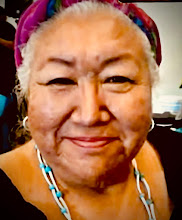 Memories of my late mother saying her dad, my grandfather taught her in a warning that the Dakota Medicine was good, but not anymore. As far back as 81 years ago, fake medicine people deceived their own people for money, power, and glory. Our grandmothers showed us through their prayers helping us celebrate love and helping us celebrate life within our families. Through my own lived experiences, I had to eliminate my own self-defeating behavior. Our people are depending on us to bring justice into our Indigenous Communities. Our Indigenous girls and women are going missing at an alarming rate and are being human trafficked. With little help in finding them or bringing their killers or abusers to justice, I started this blog. I never thought I would live to see such as year as 2023. Today, I feel blessed to be able to hold those who reached out to me in high regard. I am truly grateful, Creator’s Will guided me in my lifetime to see Nathan Chasing Horse arrested. And, yet at the same time, I grief for all his victims who died before they could see him brought to justice.
 https://abcnews.go.com/Nightline/video/dances-wolves-star-nathan-chasing-horse-accused-sexual-114067081?sfnsn=mo Throughout the decades of...
No comments:
Post a Comment